There is a distinct, low-to-the-ground thud that happens when you finally ditch a rickety box spring and heavy traditional bedstead for a well-engineered platform bed. For years, my lower back had been waging a quiet war against a sagging, old-school mattress setup that felt less like a sleep surface and more like a hammock. When I finally dragged the hulking, dust-collecting metal frame to the curb and replaced it with a solid-slat wooden platform bed, the change wasn't just aesthetic—it was structural. The midnight wobbles vanished. The mattress stopped shifting. Most importantly, the nagging morning stiffness evaporated, proving that what supports your mattress matters just as much as the mattress itself.
Navigating the furniture market for a platform bed frame can feel like stepping into a minefield of flat-pack marketing and ambiguous material descriptions. Terms like "solid wood," "engineered wood," "plywood slats," and "weight capacity" get tossed around interchangeably, leaving buyers to guess whether a frame will hold up to years of daily use or turn into a squeaky disaster within six months. Having spent the better part of a decade testing, assembling, and tearing down dozens of sleep systems ranging from minimalist Japanese-inspired low-profiles to heavy-duty upholstered storage platforms, I've learned that the anatomy of a bed frame is governed by strict physics, material science, and ergonomics.
To understand why a platform bed frame has dominated modern interior design and sleep ergonomics, we have to look past the sleek silhouettes featured in home decor magazines. A platform bed is fundamentally an exercise in load distribution and airflow management. Traditional beds relied on a two-part system: a heavy mattress sitting on top of a box spring, which was essentially a secondary, softer spring-loaded mattress designed to absorb shock. Platform beds throw out the box spring entirely. Instead, they provide a rigid, flat, or slotted surface directly beneath the mattress. This shift eliminates the bounce, lowers the center of gravity, and forces the mattress's internal core layers—whether pocket coils, latex, or high-density memory foam—to perform exactly as the manufacturer intended.
Engineering the Foundation: Materials, Slats, and Structural Integrity
When you pull a platform bed frame out of its shipping boxes, the true quality of the product reveals itself in the engineering of its support system. The most critical component of any platform bed is not the headboard or the aesthetic finish of the side rails, but the spacing and material of the slats. Foam and latex mattresses require continuous, firm support to prevent sagging and premature material fatigue. Industry standards dictate that slat gaps on a platform bed frame must never exceed three inches. Anything wider causes memory foam or latex to dip into the gaps, leading to spinal misalignment, lumbar pain, and eventual structural damage to the mattress core.
Material selection dictates both the longevity and the acoustic performance of the frame. Solid hardwoods like kiln-dried oak, walnut, ash, and rubberwood offer unmatched durability, handling heavy dynamic loads without twisting or warping over time. On the other hand, budget-friendly frames frequently utilize medium-density fiberboard (MDF) or particle board wrapped in a thin wood veneer. While these composite materials keep upfront costs low, they are notoriously vulnerable to moisture, stripped screw holes during assembly, and structural fatigue when subjected to lateral movement. Plywood slats, particularly those made from multi-ply southern yellow pine or birch, provide the ideal middle ground of flexibility and immense tensile strength, bending slightly under heavy pressure without snapping.
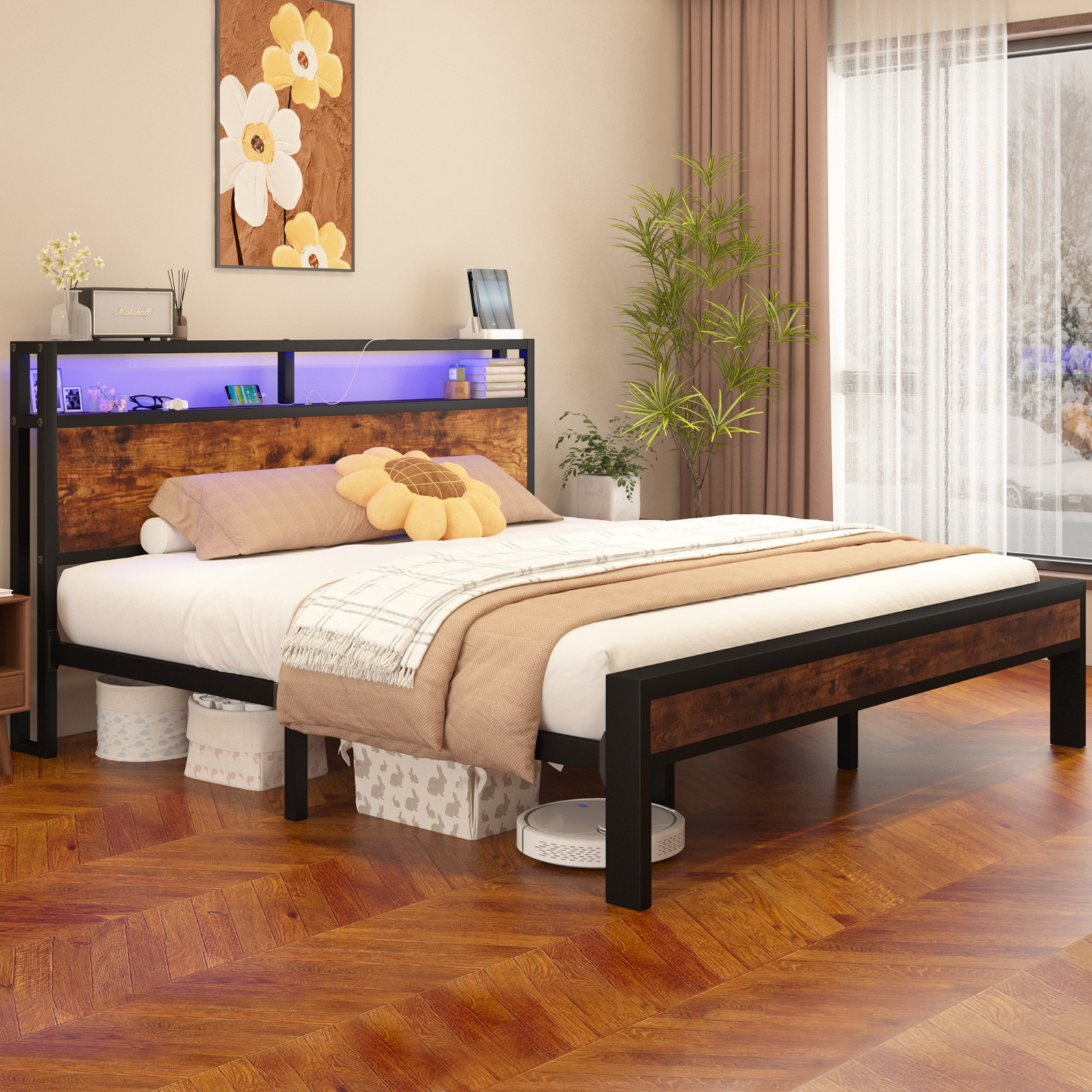
Another overlooked element of platform bed engineering is the center support system. A queen or king-sized bed frame spanning several feet needs more than just four corner legs; it requires a robust center vertical beam supported by multiple adjustable floor legs. Without adequate center support, even the highest-grade hardwood side rails will eventually bow under weight, causing the slats to slip out of their housings and plunging the middle of the mattress toward the floor. Examining the joinery—whether it uses metal-on-metal interlocking brackets, mortise-and-tenon joints, or simple wood screws—will tell you immediately whether a frame is built to last decades or just a couple of moves.
Navigating the Trade-Offs: Pros, Cons, and Real-World Ergonomics
Transitioning to a platform bed frame involves a distinct set of lifestyle adjustments that go beyond simple bedroom aesthetics. On the positive side, the absence of a box spring drastically reduces the overall height of the sleep surface, making it significantly easier for children, pets, and adults with mobility limitations to get in and out of bed. The clean, low-profile silhouette also visually opens up smaller bedrooms, creating an airy, uncluttered environment that aligns with contemporary minimalist design principles. Financially, eliminating the box spring represents an immediate upfront savings, as you only need to purchase the mattress and the frame itself.
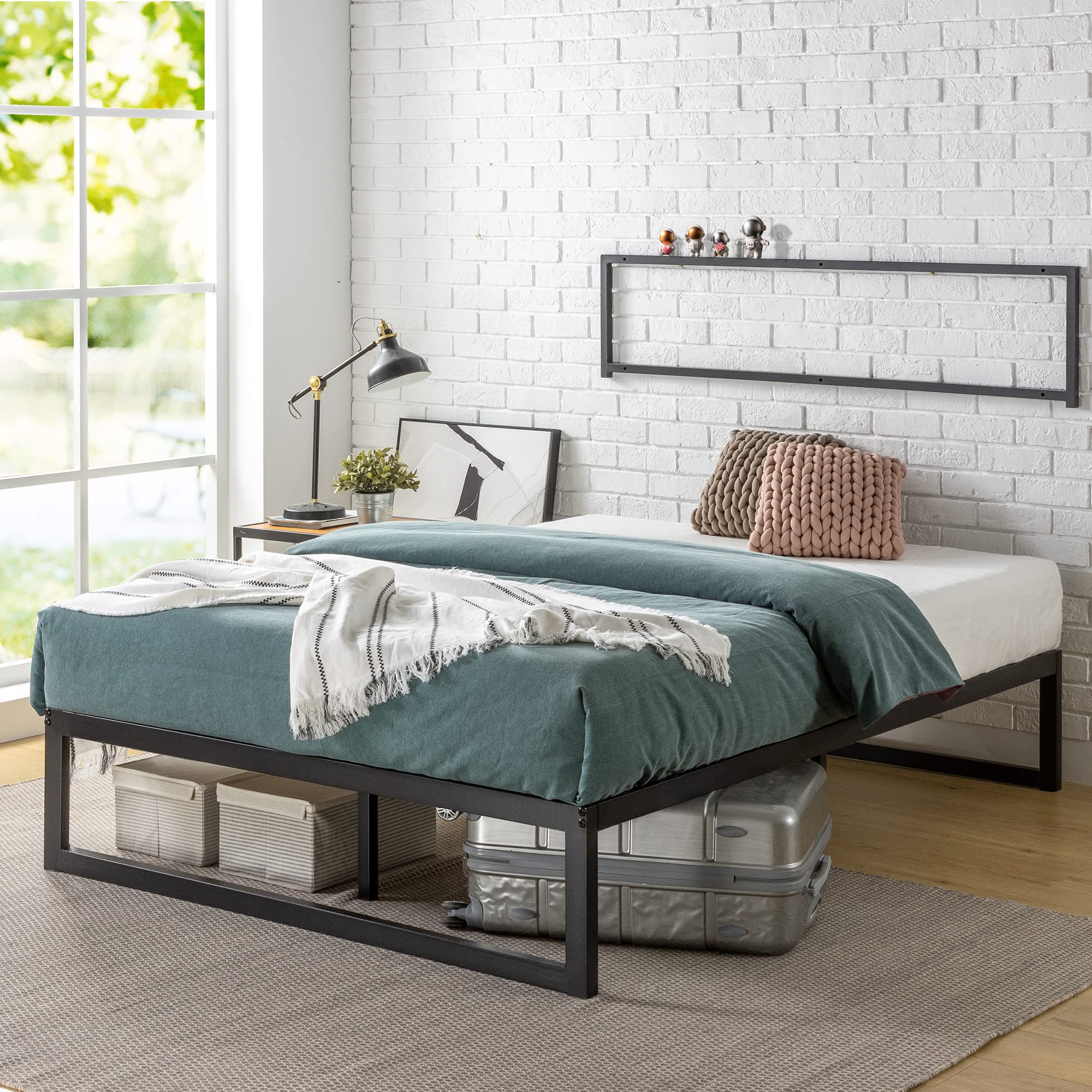
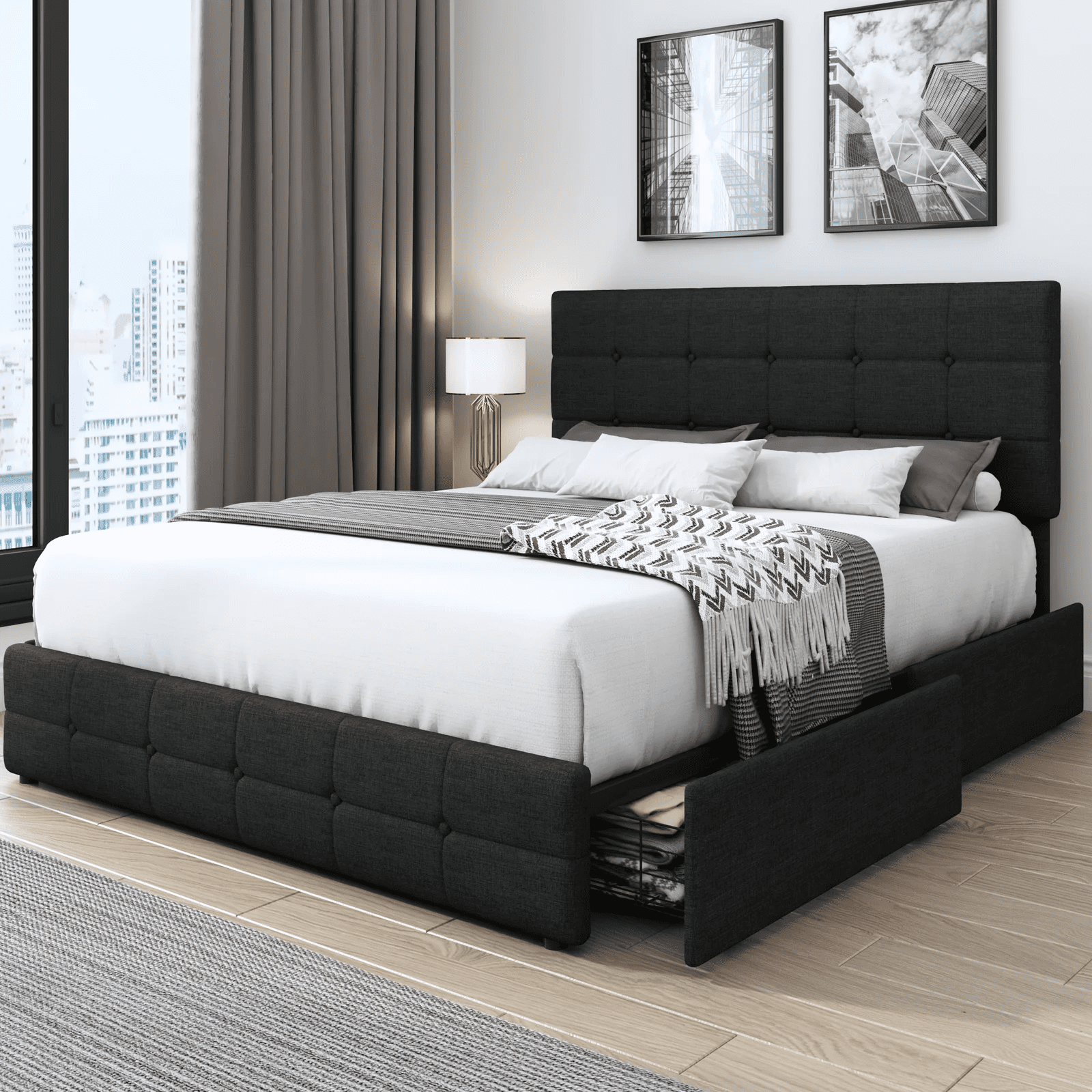
However, the low-profile nature of many platform beds introduces specific ergonomic and practical challenges. If you suffer from severe knee arthritis, hip bursitis, or chronic back pain, bending down to a low platform bed every morning can feel like climbing out of a trench. Furthermore, traditional under-bed storage becomes severely restricted on frames sitting only four to six inches off the floor. While some platform beds incorporate clever rolling drawers or hydraulic lift mechanisms to reclaim this space, low-clearance models render the dust bunnies underneath completely inaccessible without specialized cleaning tools.
Thermal regulation is another critical factor that catches many sleepers off guard. Traditional box springs create a large cavity of circulating air beneath the mattress. Platform beds, particularly those with solid wooden tops rather than slatted surfaces, restrict airflow to the bottom of the mattress. For hot sleepers using dense memory foam mattresses, this lack of ventilation can trap body heat, leading to uncomfortable nocturnal overheating. Choosing a slatted platform frame rather than a solid sheet of plywood is non-negotiable for anyone prone to sleeping warm or living in humid climates, as it allows continuous passive ventilation through the core of the mattress.
The Assembly Blueprint: A Field-Tested Methodology for Building Your Bed
Building a platform bed frame incorrectly is the primary reason people experience squeaking, wobbling, or structural failure within the first year of ownership. Following a disciplined, step-by-step assembly protocol ensures that every joint seats correctly and the frame remains silent under pressure.
Avoiding Structural Disaster: Common Pitfalls and Practitioner Workarounds
Even high-end platform bed frames can develop annoying squeaks and structural vulnerabilities if certain installation and maintenance mistakes are made. Recognizing these pitfalls early saves you from tearing apart a fully made bed at midnight to track down a mysterious noise.
The Intersection of Aesthetics, Sustainability, and Material Longevity
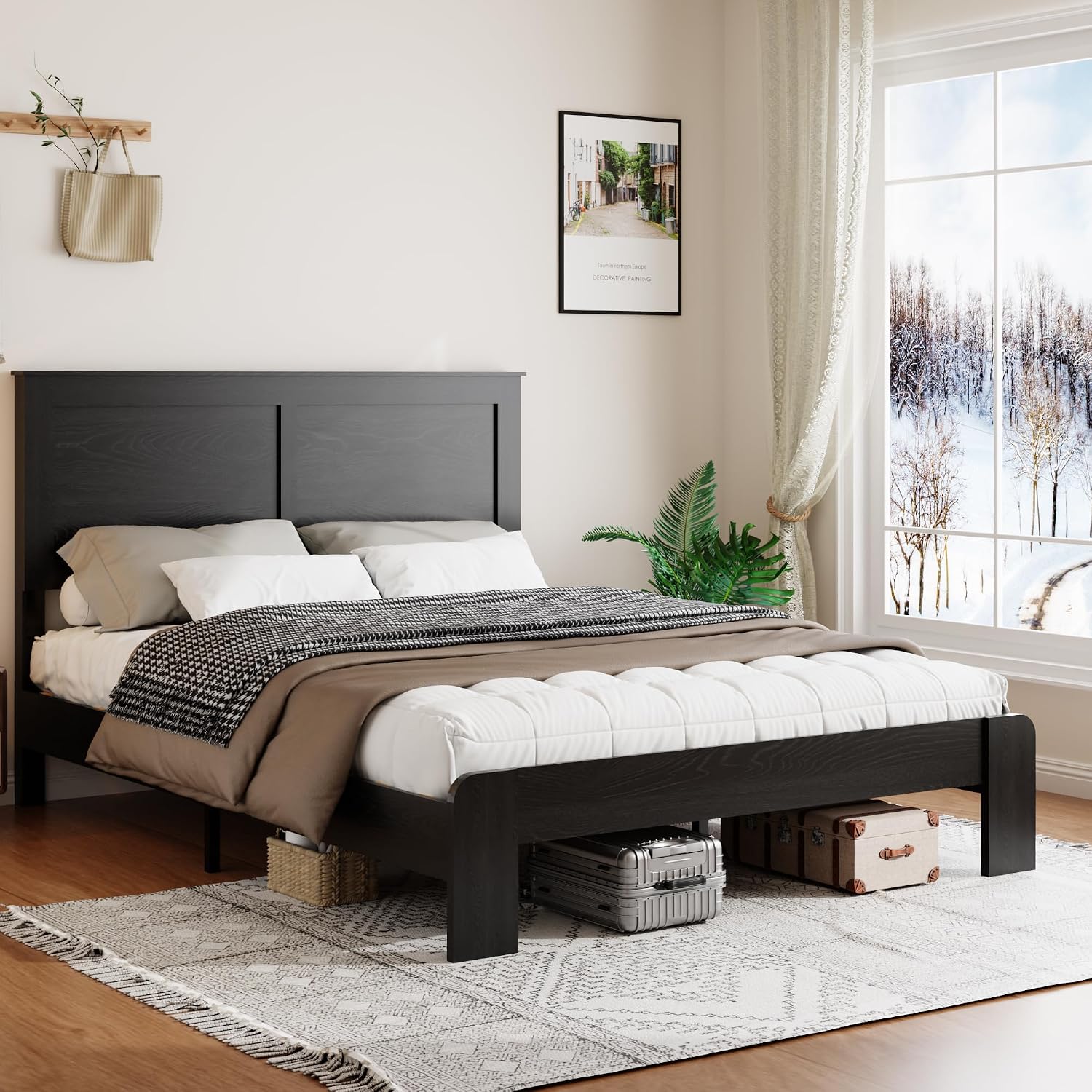
The platform bed frame has evolved from a niche modernist experiment into the dominant typology of contemporary bedroom architecture, largely due to shifts in how we value sustainable living and material transparency. Modern consumers increasingly reject disposable, petroleum-derived particle-board furniture that ends up in landfills after a single apartment move. Instead, there is a surging demand for heirloom-quality platform beds crafted from responsibly harvested FSC-certified timbers, finished with natural non-toxic oils like linseed or beeswax rather than off-gassing chemical lacquers.
Economically, investing in a robust platform bed frame represents a long-term value proposition. While a cheap, entry-level metal frame might cost under a hundred dollars, its lifespan rarely exceeds a few years before failing under stress. Conversely, a mortise-and-tenon solid wood platform bed frame can be disassembled, moved across the country through multiple relocations, and refinished over decades. This durability aligns directly with circular economy principles, reducing the carbon footprint associated with repeated furniture replacement and curbing the environmental toll of fast-furniture manufacturing.
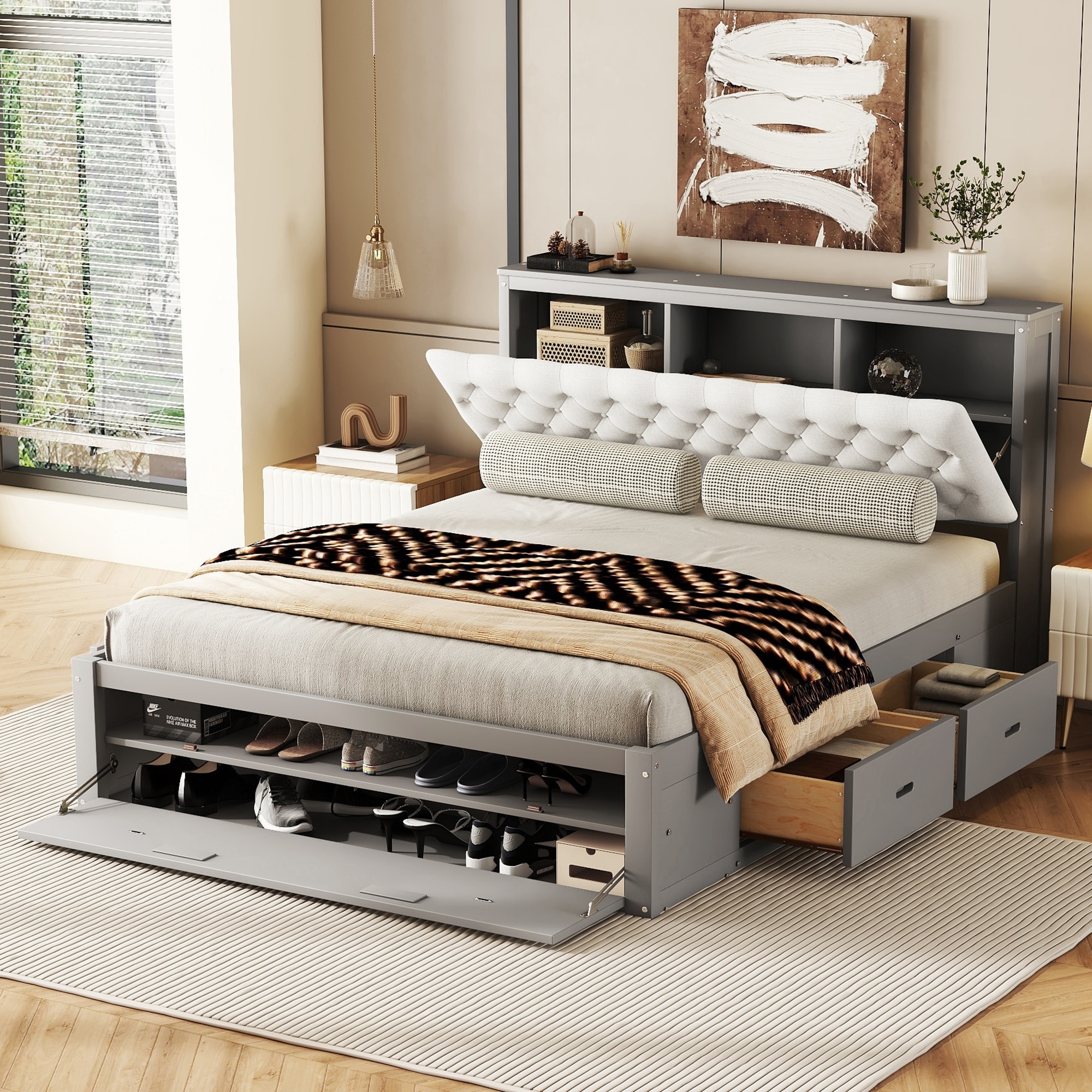
From an interior styling perspective, the platform bed acts as a structural anchor for the entire bedroom. Its clean lines and low profile create a canvas that accommodates diverse aesthetic movements, from warm Japandi minimalism and organic modernism to industrial loft spaces featuring exposed steel frames. Because the bed is the visual centerpiece of the bedroom, choosing a frame with thoughtful details—such as integrated floating nightstands, curved rounded corners, or concealed under-bed storage drawers—allows form and function to merge seamlessly without sacrificing floor space.
Strategic Decision-Making: Selecting the Ideal Platform Bed for Your Space
Choosing the right platform bed frame requires balancing spatial constraints, sleeping habits, and long-term lifestyle needs against the vast array of available market options. A systematic approach prevents impulse purchases based solely on a staged photograph online.
The humble platform bed frame is far more than a simple piece of bedroom furniture; it is the silent, foundational partner of your daily recovery and long-term physical well-being. By stripping away the unnecessary bulk of traditional box springs, the platform bed forces a return to structural honesty, where material integrity, ergonomic support, and clean design intersect. Whether you choose a minimalist low-profile wooden frame or an integrated storage platform, understanding the underlying mechanics of slats, joinery, and load distribution ensures your sleep space remains a sanctuary of quiet stability for years to come.
As manufacturing techniques continue to evolve and consumer demand shifts toward sustainable, repairable goods, the platform bed will undoubtedly remain the gold standard of modern sleep architecture. Taking the time to select, assemble, and maintain your frame with care pays dividends every single night when you climb into a bed that doesn't squeak, shift, or sag. Treat your foundation with the respect it deserves, and your body will thank you every morning when you rise clear, supported, and ready for the day.