The red wine stain on my uncle’s reclaimed pine harvest table has a specific biography. It marks the night we crammed twelve people around an eight-person surface, passing bowls of roasted garlic potatoes across laps and elbows while a winter storm knocked out the neighborhood grid. That table wasn't just a piece of furniture; it was an epicenter of domestic friction and warmth. Over the past decade spent renovating homes and consulting with interior architects, I have come to realize that choosing or building a dining table is rarely about picking a pretty object out of a catalog. It is an exercise in choreographing human behavior.
We live in houses where rooms bleed into one another. The traditional, formal dining room separated from the kitchen by swinging doors has largely vanished, replaced by sprawling open-concept layouts where the dining table acts as an architectural bridge. It must transition seamlessly from a Monday morning laptop station littered with coffee mugs and spreadsheets to a Friday night staging ground for sourdough pizzas and loud debates. When you begin evaluating dining table ideas, you are essentially deciding how you want your household to move, talk, and gather.
Historically, the dining table evolved from the medieval trestle boards—temporary planks laid across movable supports that could be dismantled to clear the great hall for sleeping or dancing—into the permanent, fixed-pedestal statements of the Victorian parlor. Today’s design challenge is vastly different. We demand extreme versatility from a footprint that is often compromised by urban square footage. Understanding the subtle interplay of wood grain, joint construction, spatial ergonomics, and finish chemistry separates a fleeting decor trend from a generational investment piece.
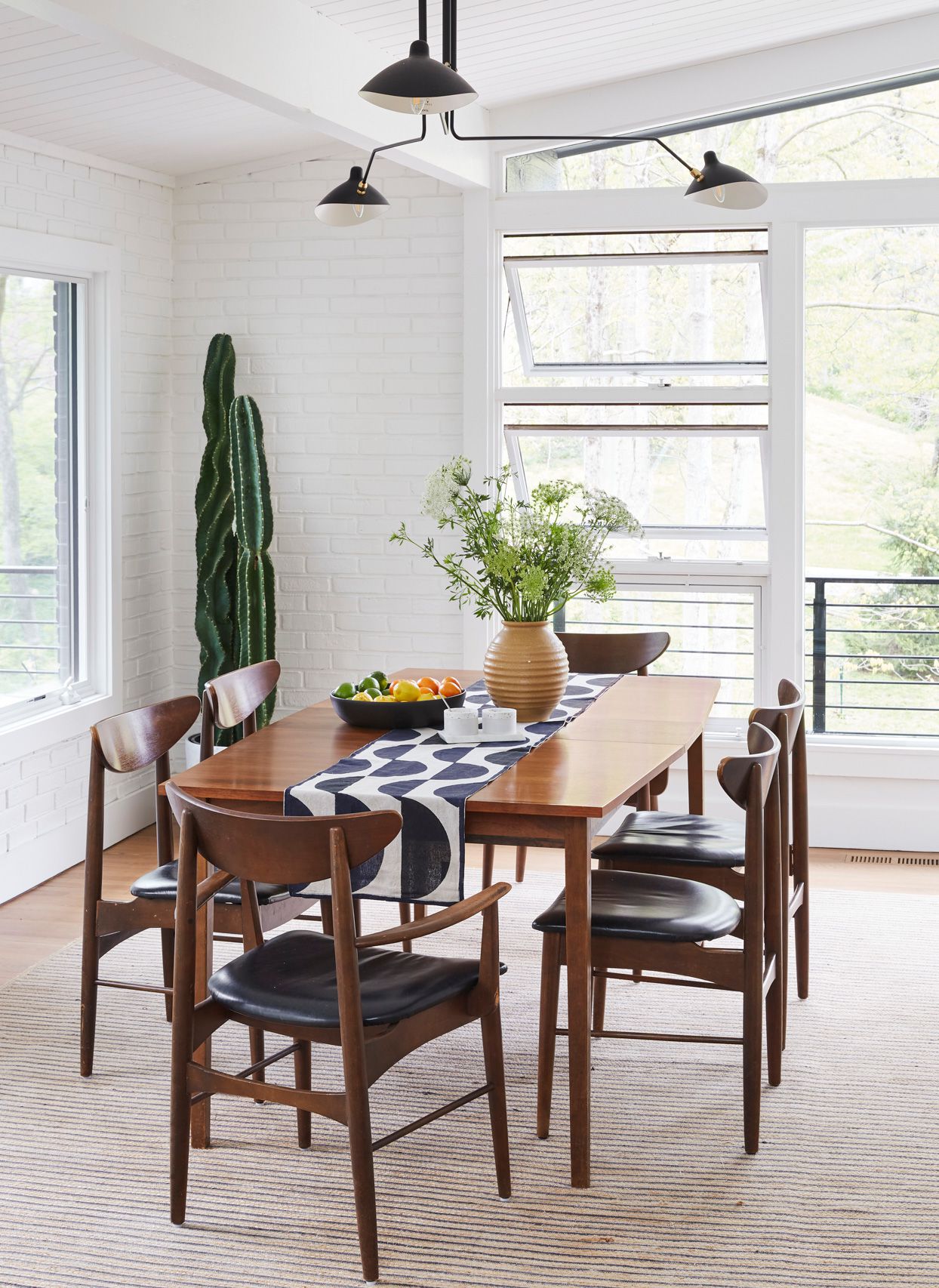
The Architecture of Scale and Ergonomics in Dining Spaces
Getting the dimensions wrong is the single most common mistake homeowners make when selecting furniture. You can fall entirely in love with a live-edge black walnut slab, but if it leaves you with less than thirty-six inches of clearance behind the chairs, your dining room will quickly feel like a claustrophobic obstacle course. Spatial ergonomics dictate that every diner requires roughly twenty-four inches of linear elbow room to eat comfortably without constantly bumping shoulders with their neighbor. For a rectangular table, depth matters just as much; thirty-six inches is the industry standard minimum to allow serving platters, candles, and glassware down the center without forcing diners to duck beneath floral arrangements to make eye contact.
Circulation paths are the invisible arteries of a functional floor plan. Interior architects generally mandate a minimum of thirty-six to forty-eight inches of clear walking space between the edge of the table and any surrounding walls or stationary furniture. This allows a person to slide their chair back, stand up, and walk past a seated guest without requiring the entire row to stand at attention. If you are working with a compact footprint, oval and round tables are exceptionally forgiving spatial problem-solvers. Without sharp corners to bruise hips or block traffic flow, a round table fosters a democratic, conversational dynamic where everyone shares a direct line of sight.
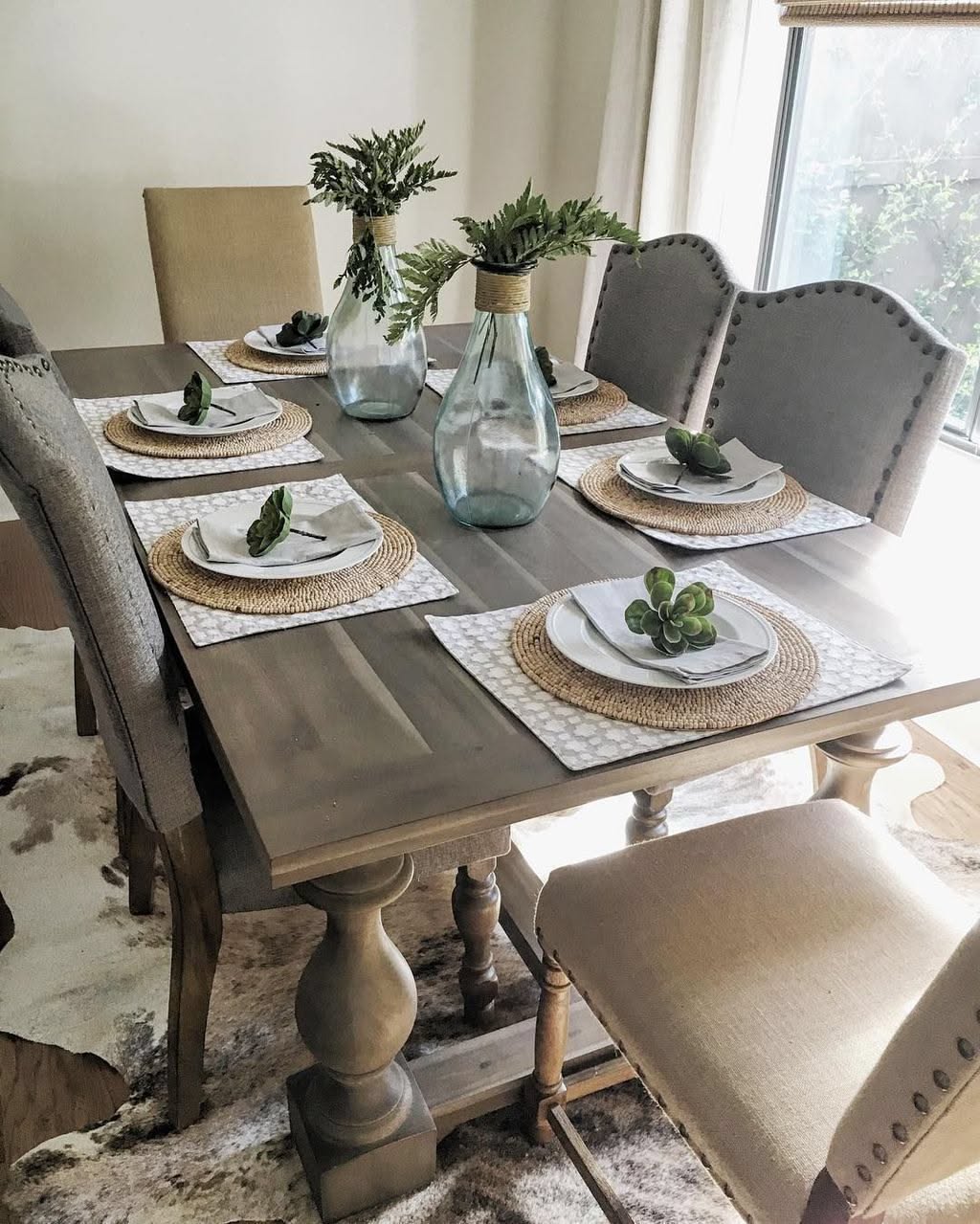
Pedestal bases versus four-leg configurations represent a fierce debate among custom woodworkers. Four-legged tables offer supreme stability and a classic silhouette, but they can severely restrict seating flexibility. If a leg is positioned too close to the corner, getting a chair tucked in neatly can become an exercise in geometric frustration. Trestle and pedestal bases, conversely, maximize knee clearance and allow you to squeeze an extra guest onto a bench or banquette during holiday squeezes. The trade-off is structural; a pedestal base requires heavy-duty steel mounting plates and robust joinery to prevent the tabletop from developing an irritating wobble under heavy downward pressure.
Materiality, Durability, and the Science of Finishes
Wood is a living material that continues to respond to its environment long after it has been milled, joined, and finished. Hardwoods like white oak, hard maple, walnut, and cherry dominate high-end furniture design for good reason: their Janka hardness ratings—which measure a wood species' resistance to denting and wear—ensure they can withstand the daily abuse of cutlery, homework sessions, and toddler tantrums. White oak has surged in popularity due to its tight cellular structure and neutral, golden-brown undertones, whereas American black walnut offers a luxurious, deep chocolate hue that patinas gracefully over decades of sun exposure and touch.
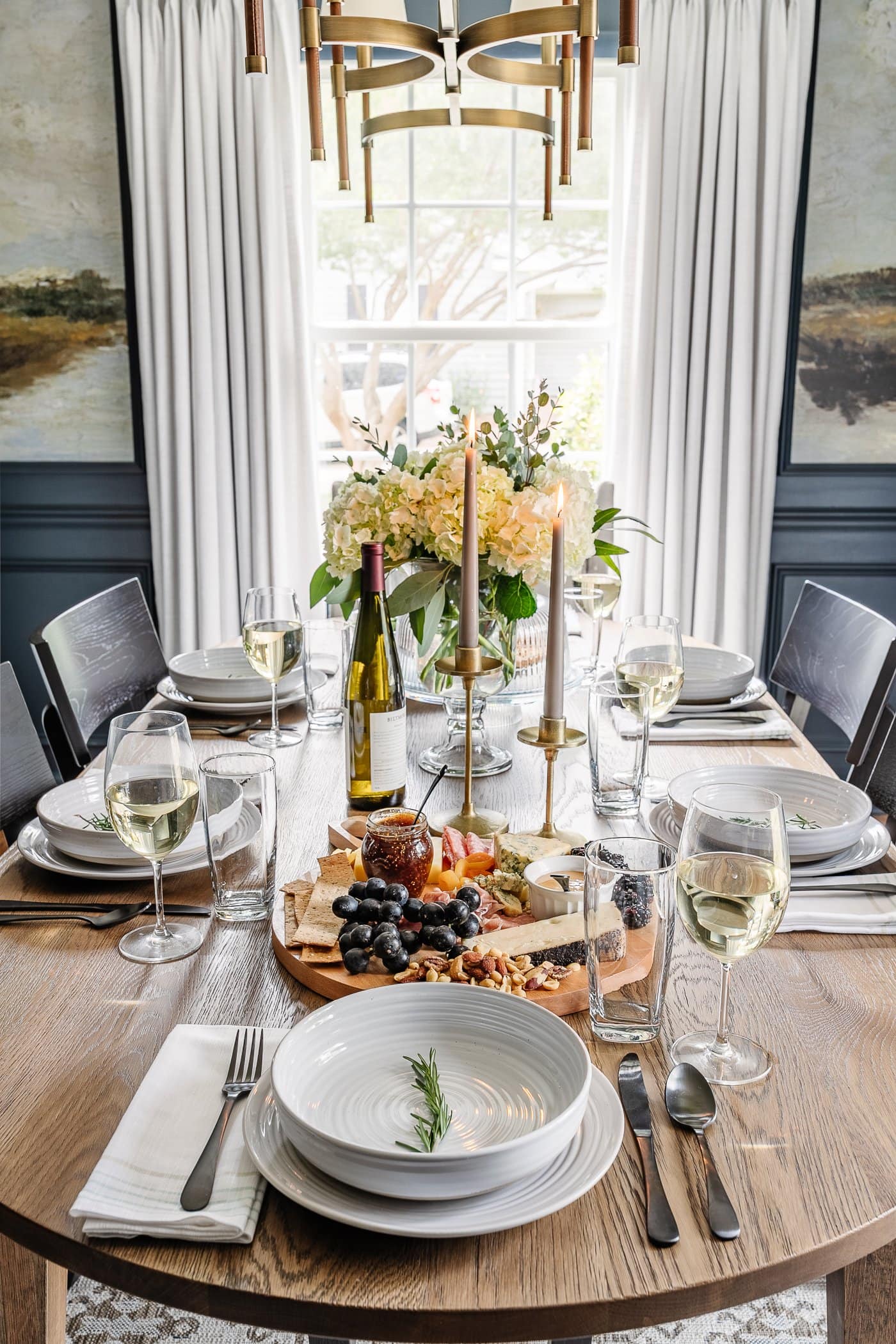
The finish applied to a dining surface dictates how much emotional labor you will expend maintaining it. Traditional polyurethane and conversion varnish create a hard plastic-like film over the wood, offering near-immunity to water rings and red wine spills. However, when these synthetic finishes inevitably scratch or chip, repairing them usually requires stripping the entire surface down to bare wood. Penetrating hardwax oils, formulated from natural plant oils and waxes like linseed and carnauba, saturate the wood fibers instead of sitting on top. They yield a tactile, matte finish that feels warm to the touch. While they require periodic re-application with a conditioning balm, localized scratches can be easily buffed out with fine-grit sandpaper and a dab of fresh oil.
Engineered alternatives such as sintered stone, porcelain, and quartz have carved out a massive market share for households prioritizing zero-maintenance living. Sintered stone slabs are manufactured under extreme heat and pressure, fusing mineral particles into a virtually indestructible surface that resists heat up to hundreds of degrees, knife scratches, and acidic spills like lemon juice or vinegar. The design compromise here is sensory; stone can feel cold and unforgiving during a long, lazy winter dinner, lacking the organic warmth and acoustic dampening properties of solid timber.
Step-by-Step Methodology for Designing or Sourcing a Custom Table
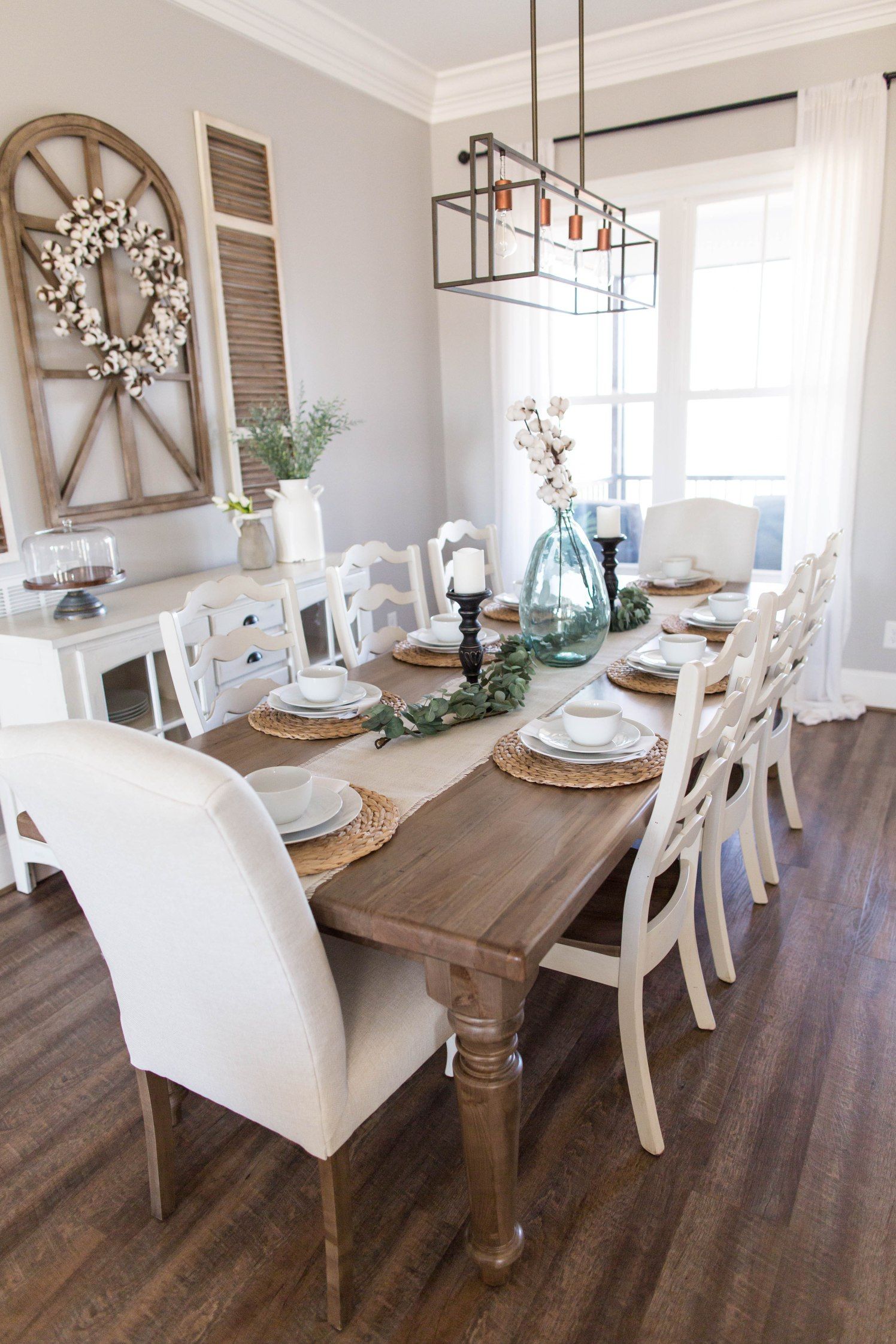
Navigating Structural Pitfalls and Common Design Mistakes
One of the most expensive errors in dining table procurement is failing to account for wood movement. Wood is hygroscopic, meaning it absorbs and releases moisture from the surrounding air depending on seasonal humidity shifts. A common trap is designing a solid wood top with solid wood breadboard ends attached with rigid glue or screws running perpendicular to the main grain. Because wood expands and contracts across the grain rather than along its length, this constraint will inevitably cause the tabletop to split, buckle, or tear itself apart over a single dry winter. Professional furniture makers prevent this by utilizing elongated screw holes and tongue-and-groove joinery that allows the wood to float.
Another frequent oversight involves chair height coordination. Standard dining chairs feature a seat height of approximately eighteen inches, engineered to pair with a table height of thirty inches, leaving twelve inches of knee clearance. However, many modern lounge-style dining chairs or chairs with thick upholstered cushions reduce that crucial gap. Always test the specific chair-and-table combination in person. There is nothing more aggravating than sitting down for a meal only to find your thighs wedged permanently beneath the table apron because the clearance was miscalculated by a mere inch.
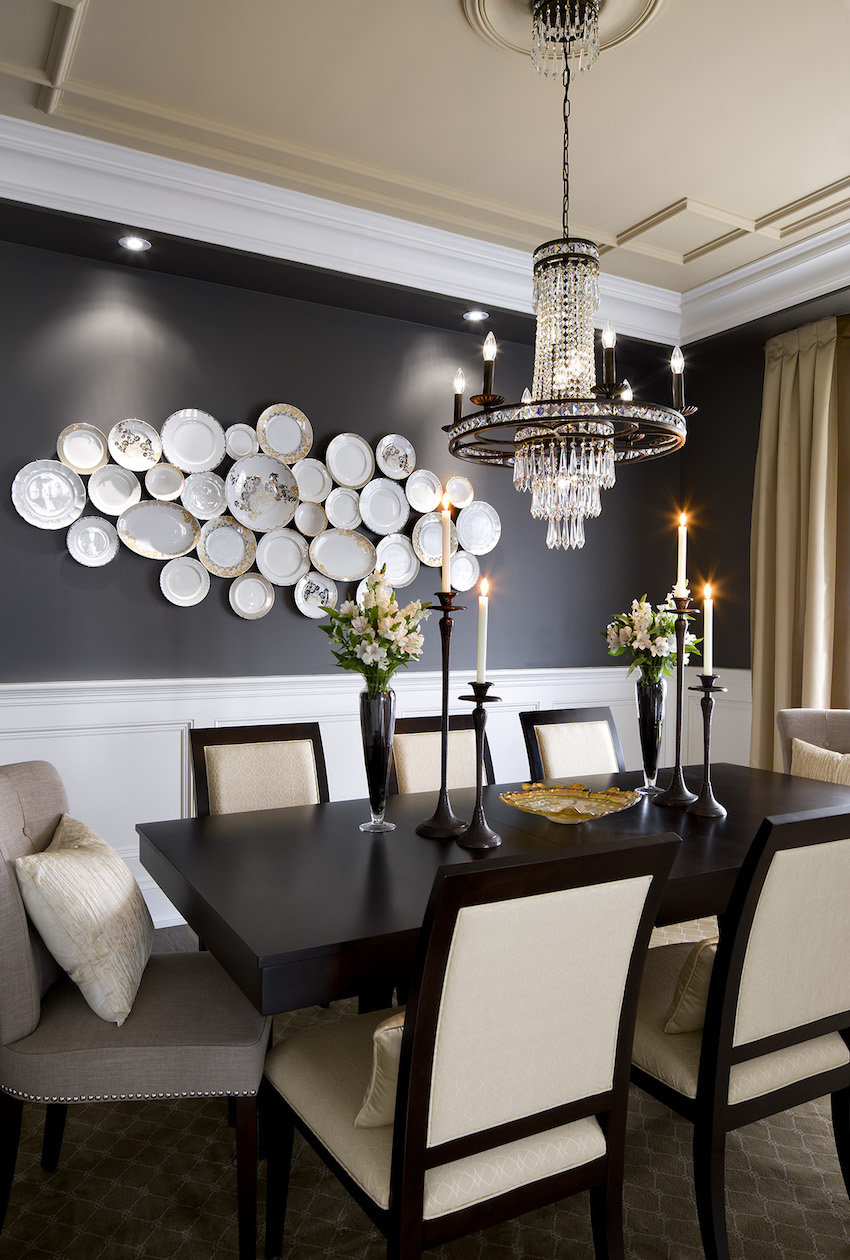
Lighting integration is another area where dining setups often fail. Homeowners frequently hang a statement chandelier or pendant light fixture before the table position is finalized, resulting in a glaring light source that illuminates the back of someone's head rather than the center of the culinary spread. The bottom of a dining pendant should generally hang thirty to thirty-six inches above the tabletop surface. Furthermore, installing a dimmer switch is non-negotiable; lighting must be capable of shifting instantly from bright, task-oriented morning light to a warm, intimate glow for evening gatherings.
The Evolution of Multifunctional Dining and Future-Proofing
The traditional boundary lines separating the dining room, kitchen, and home office have dissolved. In contemporary architectural design, the dining table is increasingly asked to function as a high-tech command center. Integrating discreet power grommets, wireless induction charging pads, and concealed cable management channels directly into the underside of a custom solid wood table allows laptops to be powered up without an unsightly tangle of cords snaking across the floor. This transformation turns the dining table into the true operational heart of the smart home.
Sustainability and circular design principles are also reshaping how we think about dining furniture. Fast-furniture trends characterized by particle board and toxic veneer laminates are being rejected in favor of certified reclaimed timbers, urban salvage programs, and heritage craftsmanship. When a city tree is felled by storms or urban development, local artisans often mill the logs into stunning, singular dining slabs that carry the geographic history of the neighborhood right into your dining room. This hyper-local sourcing provides an emotional connection to your living space that mass-manufactured imports simply cannot replicate.
Modular and expandable engineering has reached new heights of sophistication. Gone are the days of awkward, heavy wooden leaves stored in a dusty basement closet that required two people and a prayer to install. Modern concealed extension mechanisms use precision aluminum drawer slides and balanced weights, allowing a single person to expand a compact four-seat round table into an eight-seat banquet surface in less than ten seconds, preserving both the aesthetic lines and the structural integrity of the piece.
Strategic Recommendations for Curating Your Ideal Dining Environment
The dining table remains the ultimate analog technology in a world dominated by digital distraction. It is the physical platform where we negotiate our days, break bread with strangers who become friends, help children struggle through long division, and mourn losses over strong coffee and quiet solidarity. When you invest time and intention into selecting or crafting the right table for your home, you are not merely buying a flat surface raised off the floor on four legs. You are building the physical stage where the most memorable chapters of your domestic life will unfold.
As material science evolves and our living spaces continue to adapt to new rhythms of remote work and communal living, the fundamental human need to gather around a shared hearth remains unchanged. Whether you choose a monolithic sintered stone masterpiece or a salvaged oak trestle table bearing the dents and scars of a busy household, let utility, craftsmanship, and emotional resonance guide your choices. Measure your space, respect the wood, design for the people who will sit beside you, and leave room at the table for whoever might show up next.