I remember standing in my client's bathroom, staring at a sink that was supposed to be a 'modern farmhouse' style. It looked great on paper, but the drain kept clogging every two weeks. The client had spent $500 on it, thinking it was a steal. After three months of calls, I finally realized what went wrong. It wasn't the sink itself—it was the whole installation setup. When I started working with bathroom sinks professionally, I quickly learned that most people are making the same mistakes over and over again.
After nearly five years working with homeowners and contractors on bathroom renovations, I've seen hundreds of sink installations go wrong. The truth is, choosing the right bathroom sink isn't just about aesthetics—it's about function, space constraints, and understanding how plumbing works. What I wish someone had told me early on is that the average person approaches this like they're picking out a piece of furniture, when really it's more like choosing a tool for a job. There are specific measurements, drainage requirements, and installation considerations that can make or break your project.
Why Bathroom Sink Choice Matters More Than You Think
I've seen so many bathroom remodels derail because of poor sink selection. Here's what I've learned:
• The wrong sink size can make your whole bathroom feel cramped or awkward • Incorrect drain configurations lead to constant clogs and water damage • Poor material choices mean frequent repairs or complete replacements • Not considering future needs (like aging in place) creates costly regrets later
A few years ago, I helped a couple install a beautiful vessel sink. They loved the look, but it was 3 inches too deep for their vanity. Every morning, they'd have to lean way over to wash their faces. They ended up having to re-do the entire vanity cabinet, adding thousands to their budget. That's the kind of mistake that costs more than just money—it costs time and peace of mind.
How I Approach Bathroom Sink Selection Now
These days, I start with a simple checklist:
- Measure everything first – vanity dimensions, plumbing locations, clearance for users
- Consider the user – age, mobility issues, how they typically use the sink
- Check the plumbing layout – drain positions, water line locations
- Evaluate the space – how much room for overflow, how much clearance around the sink
- Think about maintenance – how often they'll clean, what materials they can handle
I also always ask about the client's lifestyle. Do they have kids? Are they DIYers? Will they be doing future renovations? It's amazing how much the answer changes the decision.
One thing I never do anymore is recommend a sink based solely on how it looks in the showroom. That's a recipe for disaster. I always go back to the fundamentals: Does it fit the space? Will it work with the existing plumbing? Can the user access it comfortably?
The Mistakes I Made Early On with Bathroom Sinks
Let me be honest—early in my career, I made some pretty rookie mistakes. I remember trying to convince a client to get a gorgeous double bowl sink, but I hadn't considered that their vanity was only 24 inches wide. The sink was 27 inches, so there was no way it would fit properly. The result? A custom cut that cost extra and looked terrible.
Another classic mistake I made was assuming all sinks had the same drain configuration. I installed a sink with a center drain for a vanity that needed a side drain. The plumbing had to be completely redone, which added weeks to the project and hundreds of dollars to the client's bill.
I also underestimated how important faucet compatibility is. I once installed a beautiful vessel sink with a fancy faucet that required a special mounting bracket. The client couldn't find the bracket anywhere, and they had to order it from another country. It took a month to arrive, and by then, the project was delayed.
What I've learned is that bathroom sink selection is about precision, not just preference. Every detail matters.
What Most People Get Wrong About Bathroom Sinks
There are several misconceptions I see repeatedly:
• "Larger is always better" – Not necessarily. A 24-inch vanity with a 30-inch sink is going to look awkward and leave gaps that are hard to clean.
• "Vessel sinks are trendy, so I want one" – Vessel sinks require careful planning for height, clearance, and overflow. They're not a good choice for small bathrooms or households with young children.
• "I can install this myself" – Many people don't realize how much plumbing work is involved. Even a simple replacement can be tricky if you don't understand how the waste pipe connects to the main drain.
• "The sink has to match the faucet" – Actually, the faucet should match the sink style. A modern faucet works well with a traditional sink, and vice versa.
I also hear people say, "I don't care about the drain, it just has to work." But a poorly designed drain system leads to backups, odors, and even structural damage over time. It's not just about convenience—it's about safety and longevity.
Choosing the Right Bathroom Sink Size and Style
Here's what I've learned about matching sink sizes to vanities:
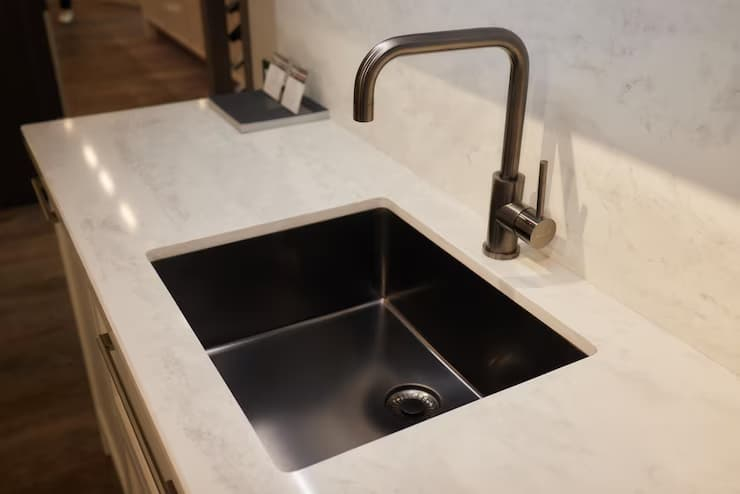
• Single bowl sinks work best in smaller spaces or for people who prefer one large basin • Double bowl sinks are ideal for families with multiple users or those who like to prep food • Vessel sinks create a statement but require more space and careful installation • Undermount sinks offer a seamless look and easier cleaning, but need stronger cabinetry support
I always recommend measuring the vanity width and subtracting 2-3 inches for clearance. For example, a 30-inch vanity should accommodate a 27-inch sink. Also, consider the height of the sink. A 6-inch sink might work fine for adults, but it's too low for seniors or children.
One client had a 28-inch vanity, and we went with a 26-inch sink. It looked perfect and gave us enough room for the faucet and other accessories. We also made sure to include a backsplash that complemented the sink's design, which made the whole space feel cohesive.
Frequently Asked Questions About Bathroom Sink Selection
• Q: What's the difference between undermount and drop-in sinks?
A: Undermount sinks sit underneath the countertop, creating a seamless look and easier cleanup. Drop-in sinks sit on top of the counter and are generally easier to install, but they can trap dirt under the rim.
• Q: How do I know if my vanity can support a heavy sink?
A: Check the weight capacity of your vanity and the sink material. Ceramic and glass sinks are heavier than stainless steel or plastic. If you're unsure, consult with a contractor or check the manufacturer's specifications.
• Q: Should I get a single or double bowl sink?
A: Double bowls are great for families or if you do a lot of prep work. Single bowls are better for small bathrooms or if you want a minimalist look. Consider your daily routine before deciding.
• Q: What's the best material for a bathroom sink?
A: Stainless steel is durable and easy to clean, ceramic offers a classic look, and granite composite provides a modern aesthetic. Each has pros and cons depending on your budget and preferences.
• Q: How do I prevent clogs in my bathroom sink?
A: Install a drain strainer to catch hair and debris. Regular cleaning with baking soda and vinegar can help prevent buildup. And always avoid pouring grease or oil down the drain.
Looking back, I realize that choosing a bathroom sink is less about finding something that looks good and more about finding something that works well for your specific situation. I've learned that rushing into a purchase without proper measurement and planning leads to expensive mistakes. What I wish I'd understood earlier is that a bathroom sink is a functional part of your home, not just a decorative element.
My biggest piece of advice? Take your time. Measure twice, think twice, and don't let the latest trend push you into a choice that won't serve you well. If you're unsure, get a second opinion from someone who's actually done this before. I've seen too many people spend hundreds of dollars on a sink that doesn't fit their space or needs.
If you're about to tackle a bathroom sink installation, remember: it's not just about the sink—it's about how it fits into your overall bathroom design and daily routine. Don't let the beauty of the sink distract you from its functionality. Your future self will thank you for taking the time to get it right.
Related Posts
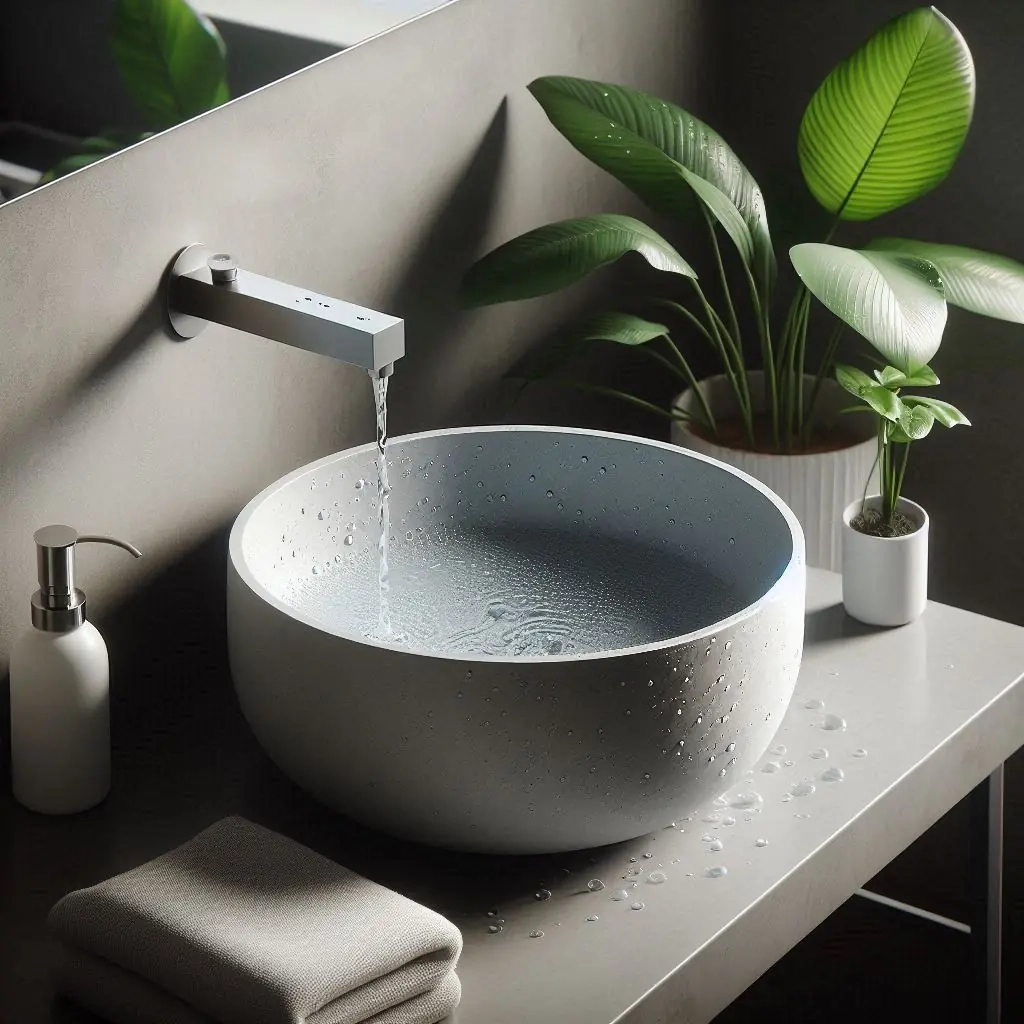
How Ceramic Vessel Sinks Enhance Bathroom Aesthetics and Functionality
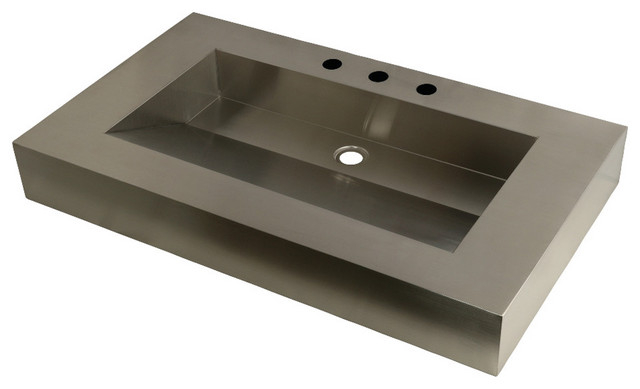
Design and Durability Analysis of the Kingston Brass GLTS37225 Brushed Basin
Choosing the Perfect Small Undermount Sink for Your Home Decor
Material Durability and Maintenance of Kingston Brass VPB24187W4 Ceramic Sink
Expert Insights on Choosing the Right Sink for Your Bathroom Renovation