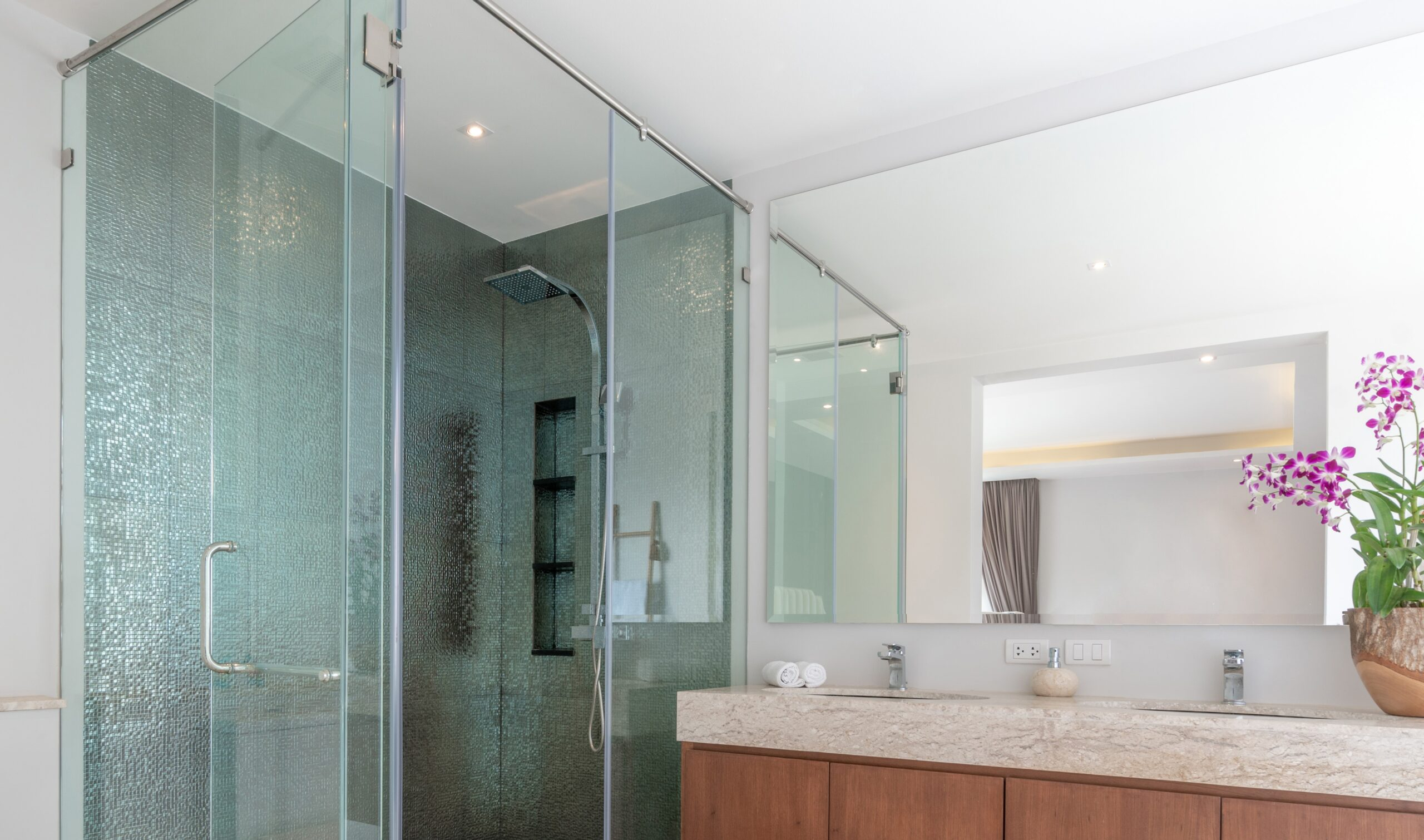
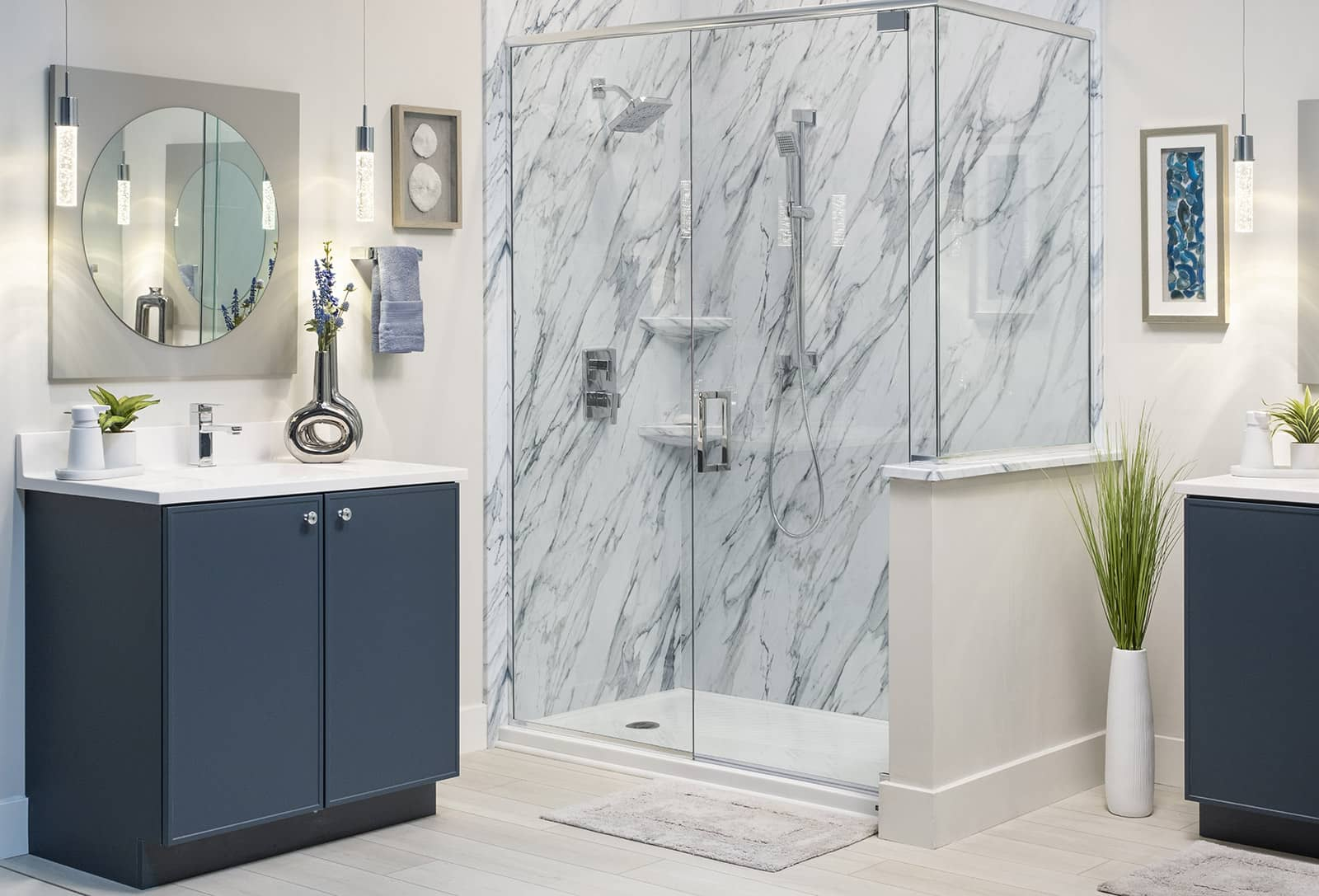
I remember when a client called me frantic because their new WS Bath Glass shower enclosure was leaking all over the bathroom floor. They'd spent thousands on what they thought was a premium installation, and now they were questioning everything. After three years of working with bathroom glass installations, I've seen enough bad WS Bath Glass jobs to know exactly what's going wrong.
WS Bath Glass isn't just another bathroom fixture – it's a complex system of precision engineering, proper sealing, and skilled installation. What most people don't realize is that even a small mistake in measurement or sealant application can turn a beautiful glass enclosure into a leaky disaster. The beauty of WS Bath Glass lies in its sleek design, but that same elegance demands perfection in execution. I've learned that the difference between a successful installation and a disaster often comes down to details most people overlook.
Why WS Bath Glass Installations Fail So Often
From my experience, there are three main areas where things go sideways:
• Poor measurements – Even a 1/8 inch discrepancy can cause major alignment issues • Inadequate sealant application – Many installers rush this part, thinking it's simple • Ignoring water pressure dynamics – The way water flows affects how well seals hold up over time
I once worked on a job where the installer had measured everything perfectly, but forgot to account for the fact that the wall wasn't perfectly square. The result? A gorgeous glass door that wouldn't close properly, and worse – it started leaking after the first week.
My Process for WS Bath Glass Success
Here's what I do differently:
- Double-check every measurement – I measure three times, mark twice, cut once
- Use the right sealant – Not all silicone is created equal, especially for wet environments
- Test fit before final installation – No rush, no shortcuts
- Check water pressure – I actually run a test to see how the unit handles normal usage
I've found that taking extra time upfront saves clients money later on. One client told me they'd already spent $3000 on a replacement after their first installer failed, so they were willing to pay more for a proper job.
The Biggest Mistakes I've Seen with WS Bath Glass
Here are the errors that consistently pop up:
• Skipping the pre-installation inspection – I've seen people try to install without checking if the walls are flat • Using the wrong type of screws – Stainless steel is crucial for bathrooms, not regular screws • Not accounting for thermal expansion – Glass expands and contracts with temperature changes • Rushing the sealant cure time – This is probably the #1 reason installations fail early
One particularly frustrating case involved a contractor who thought he could speed up the process by using a cheaper sealant. It lasted maybe two months before the whole thing started leaking. The client was so angry they refused to let us touch anything else in their home.
What Most People Don't Know About WS Bath Glass
Most people assume it's just a matter of cutting glass and putting it up, but there's much more to it:
• The glass thickness matters – Not all 1/2 inch glass is the same quality • Sealant compatibility is critical – Some adhesives don't work well with certain types of glass • Installation angle affects performance – A few degrees off can mean big problems later • Professional-grade tools aren't optional – You need proper measuring devices and safety equipment
What really gets me is that people expect a product to be perfect, but they don't understand that it takes skill and attention to detail to make it work properly. I've seen the same model installed correctly and incorrectly, and the difference is night and day.
Choosing the Right WS Bath Glass Components
Here's how I approach component selection:
• Glass thickness – For most residential applications, 1/2 inch is standard, but I recommend 3/4 inch for larger units • Sealant type – I always use marine-grade silicone for bathrooms • Hardware quality – Cheap hinges and brackets will fail within a year • Brand reputation – WS Bath Glass has been around long enough that they've ironed out most kinks
I've been working with WS Bath Glass for years now, and I've learned that the key isn't just buying the right product, but understanding how to integrate it properly with other elements of the bathroom design.
Frequently Asked Questions About WS Bath Glass Installation
• How long does WS Bath Glass last?
With proper installation and maintenance, it can last 20+ years.
• Can I install it myself?
Absolutely, but only if you're experienced with glass work and have the right tools.
• What's the best sealant for WS Bath Glass?
Marine-grade silicone is my go-to choice for bathroom applications.
• How do I prevent leaks?
Proper measurement, quality sealant, and allowing adequate curing time are essential.
• Do I need special permits?
Usually not, but check with local codes since requirements vary by location.
Common WS Bath Glass Installation Pitfalls
I want to share some hard-earned lessons that could save you money:
• Don't skip the initial site assessment – I've seen too many projects go sideways because someone assumed the space was ready • Avoid cheap hardware – I've seen $1000+ installations fail because someone used $50 hinges • Always plan for water drainage – Even tiny amounts of water can cause bigger problems • Don't ignore weather conditions – Installing during extreme temperatures affects sealant performance
One project still haunts me – a client wanted a quick installation and paid less than average. Within six months, they had to replace the entire unit because of improper sealing. That's what happens when you cut corners on quality.
Here's what I've learned after working with WS Bath Glass for years: it's not about the product itself, it's about how you handle it. The key is patience, attention to detail, and understanding that this isn't a DIY project for everyone. If you're planning to tackle a WS Bath Glass installation yourself, make sure you have the right tools and time to do it properly. If you're hiring someone, ask to see examples of their previous work and verify their experience with this specific product. My biggest piece of advice? Don't skimp on the sealant or measurement – those are the two areas that cause 90% of the problems I see. If you're in doubt, get a second opinion. I've saved more than one client from a costly mistake by catching issues early in the process.
Related Posts
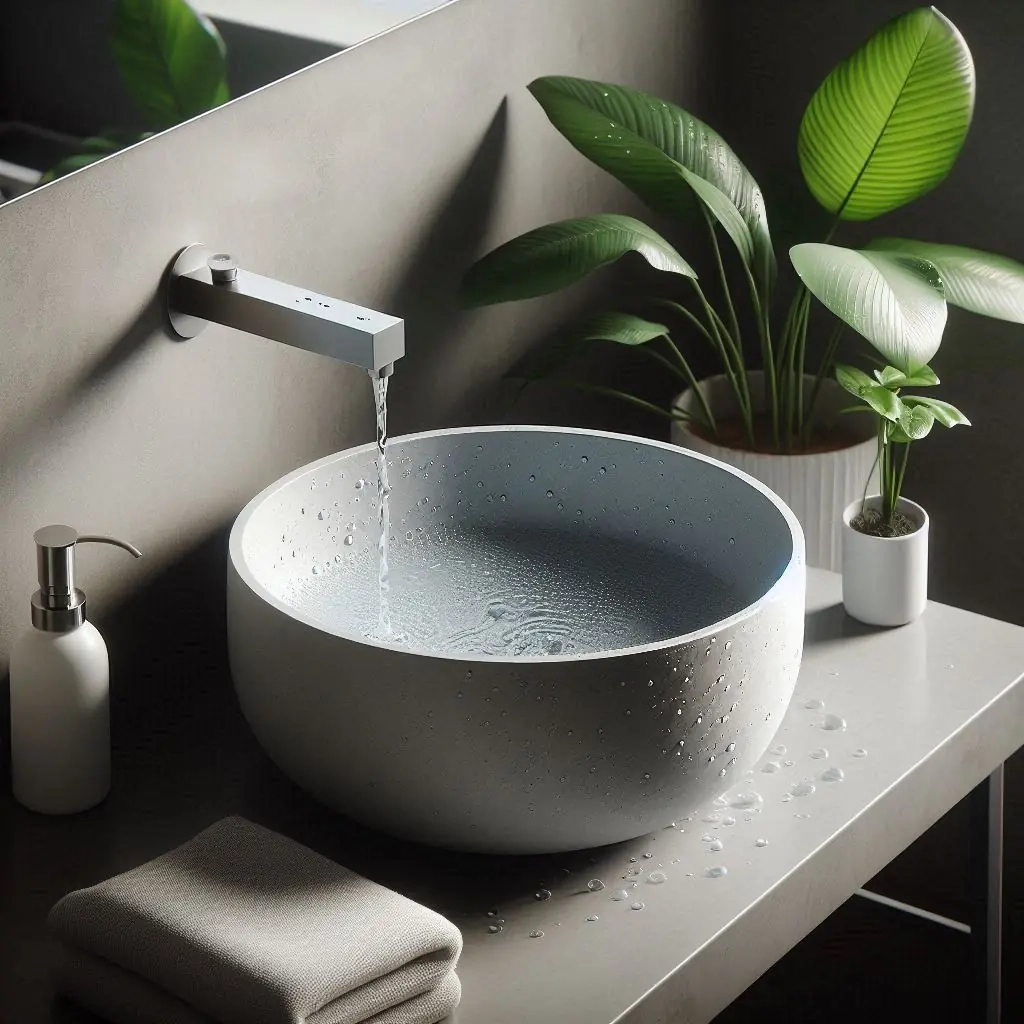
How Ceramic Vessel Sinks Enhance Bathroom Aesthetics and Functionality
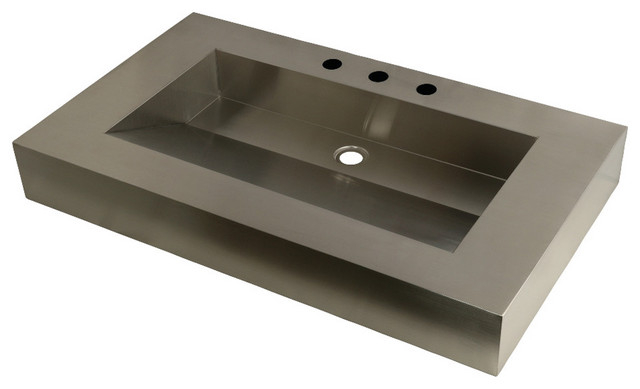
Design and Durability Analysis of the Kingston Brass GLTS37225 Brushed Basin
Choosing the Perfect Small Undermount Sink for Your Home Decor
Material Durability and Maintenance of Kingston Brass VPB24187W4 Ceramic Sink
Expert Insights on Choosing the Right Sink for Your Bathroom Renovation