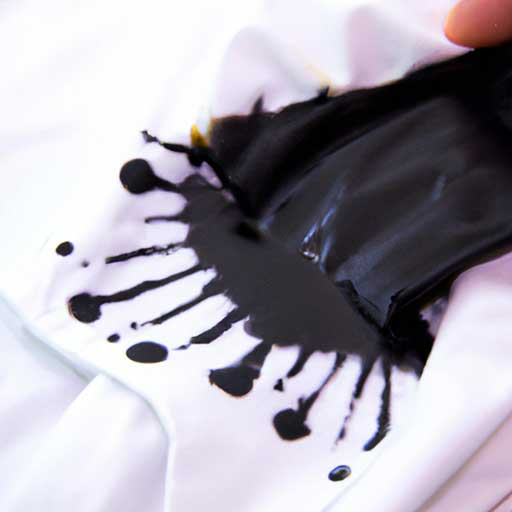
Have you ever pulled out a load of laundry only to find dark smudges or spots that look like they came straight from a printer? If so, you're not alone. This frustrating issue affects many households, leaving people scratching their heads wondering how ink managed to make its way onto perfectly clean clothes. It's one of those problems that seems impossible until you understand what's really going on inside your dryer.
We've all been there – you're getting ready for work, grab your favorite shirt, and suddenly notice a mysterious stain that wasn't there before. It happens especially when you're running a load through the dryer. These aren't just random marks; they're often ink stains that have somehow transferred from something else in the machine. This might seem like a small problem, but it can cause big headaches when you're trying to keep your wardrobe looking sharp. The truth is, there are several common mistakes that lead to these unwanted ink spots appearing on your clothes after drying. Understanding what causes them will help you avoid them in the future and save you time, money, and frustration.
What Causes Ink Stains in Dryers
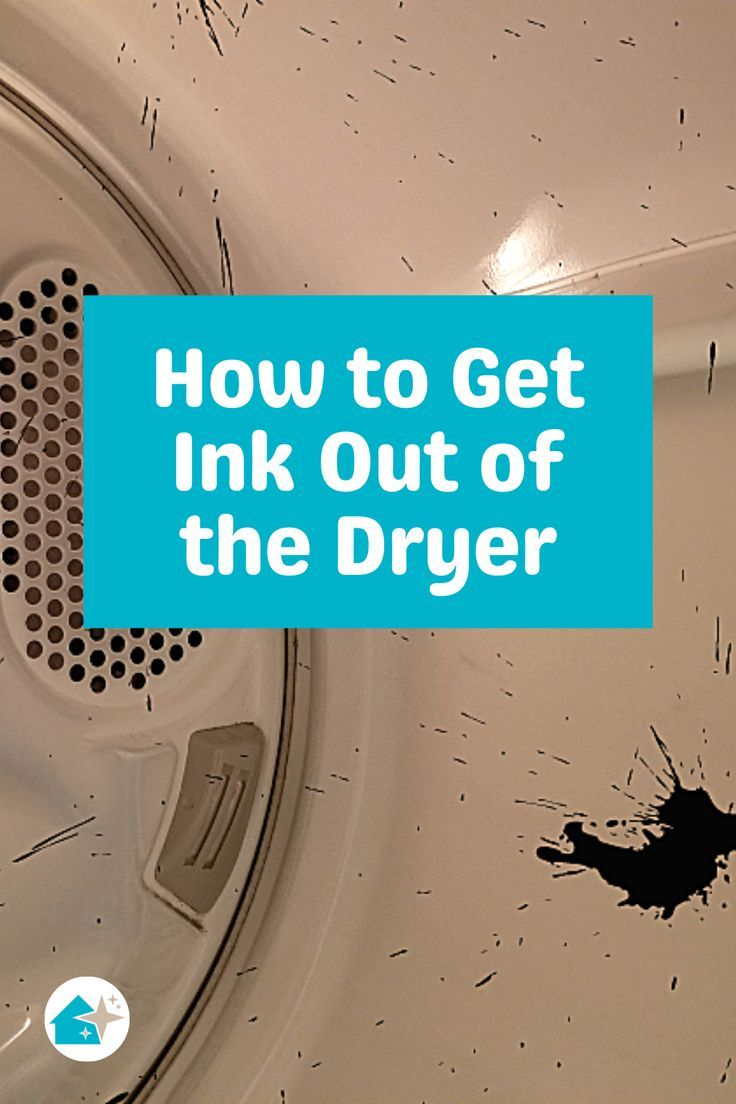
Ink stains in dryers usually happen because of contact between ink and fabric during the drying process. When clothes get close enough to items with ink – whether it's pens, markers, or even printed materials – heat and tumbling motion can transfer those colors onto your garments. This is especially common with newer ink formulations that are designed to be more permanent and water-resistant. The combination of high temperatures and mechanical action creates the perfect storm for ink migration. Sometimes, it's not even the obvious sources like pens that cause trouble. Items like newspapers, magazines, or even some packaging materials might carry residual ink that transfers during the drying cycle. The key is understanding that any item containing ink can potentially become a source of contamination if it comes into contact with your clothing during the tumble-dry process.
The Pen Problem: Why Pens Are Top Culprits
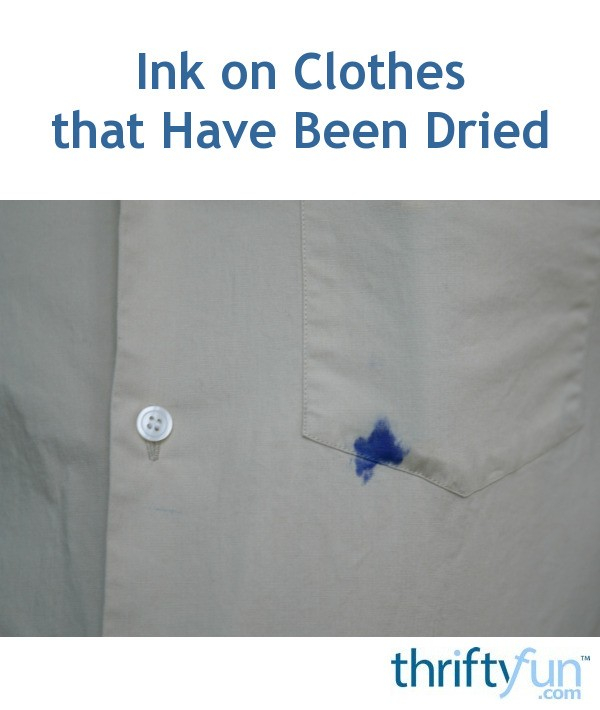
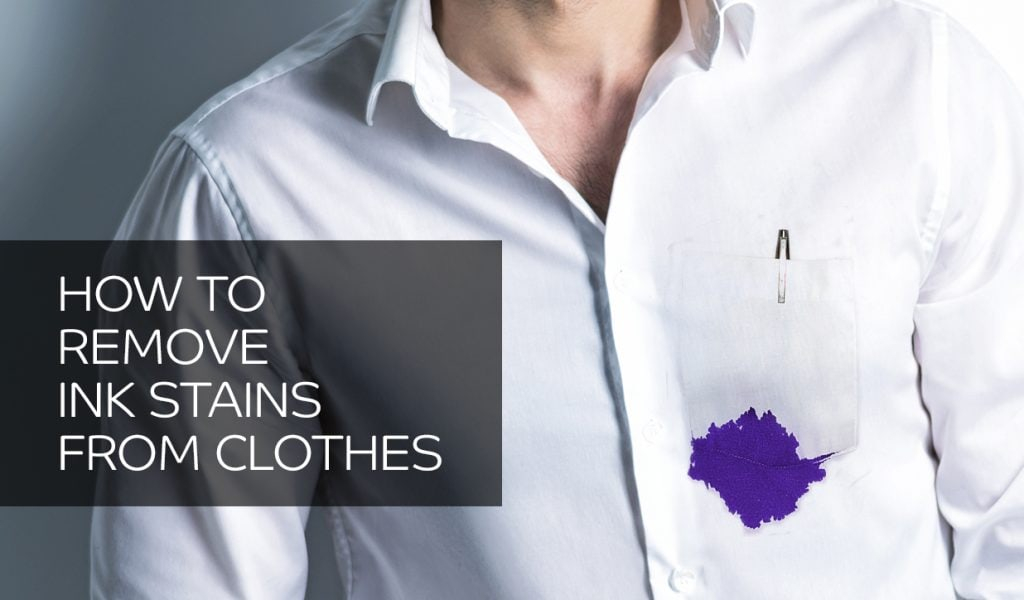
Pens are among the most frequent offenders when it comes to ink stains in dryers. They're everywhere – in pockets, bags, desks, and drawers. The problem occurs when a pen accidentally falls into a load of laundry, or worse, when someone forgets they had one in their pocket. Modern ballpoint pens, especially those with gel or felt-tip ink, tend to be particularly problematic because their ink is formulated to resist fading and water damage. That same durability makes it incredibly difficult to remove once it's transferred to fabric. Consider this scenario: You're rushing to get ready for work, and you put your phone in your jacket pocket along with a few other items. Later, you toss everything into the dryer without checking. When you pull out your clothes, you find that the ink from your pen has left a noticeable mark on your shirt. It's a small oversight that can lead to big disappointment. Pens aren't the only culprits either – highlighters, markers, and even some pencils can contribute to the problem. The important thing is to be vigilant about keeping these items away from your laundry.
Clothing That Carries Ink From Other Sources
Sometimes the ink isn't coming directly from pens or markers, but rather from clothing itself. New clothes, especially those that have been recently printed or dyed, can sometimes release ink during the first few washes. This is particularly true for items purchased from unknown sources or those that haven't been properly treated before being sold. Fabrics that have been printed with synthetic dyes or inks might not have fully bonded with the material during manufacturing. As a result, they can bleed during the hot drying cycle, transferring color to adjacent items. Even some clothing that looks brand new might have hidden issues. For example, a new pair of jeans that was printed with a design could start to fade or transfer ink after just one wash. This is especially common with cheaper brands or items that were made using less-than-ideal manufacturing processes. Always check labels and reviews before purchasing items that might come into contact with your other clothes during the drying process.
The Role of Heat and Time
Heat plays a crucial role in creating ink stains in dryers. The high temperature combined with the tumbling action forces molecules to move faster, making it easier for ink particles to migrate from one surface to another. When clothes stay in the dryer for extended periods, the chances of ink transfer increase significantly. Think about it this way: the longer your clothes are exposed to heat and movement, the more opportunities there are for microscopic ink particles to find their way onto other fabrics. A typical load might spend anywhere from 20 to 45 minutes in the dryer, but even that short amount of time can be enough to cause problems. Some people think that shorter cycles are better, but actually, the problem isn't necessarily duration – it's the combination of heat, agitation, and proximity to ink sources. The key is to be mindful of what goes into your dryer and how long it stays there. If you're concerned about ink transfer, consider reducing the heat setting or using a lower temperature cycle to minimize the risk.
Common Mistakes People Make
There are several habits that make ink stains more likely to occur. One of the biggest mistakes is loading the dryer too full. When clothes are packed tightly together, they rub against each other more frequently, increasing the chance of ink contact. Another common error is forgetting to check pockets before tossing items into the machine. It's amazing how many people assume that everything in their pocket is safe, but a single pen, marker, or even a small sticker can cause problems. Some folks also neglect to separate dark-colored clothes from lighter ones, which can lead to color bleeding. Additionally, many people don't realize that certain types of fabric are more prone to ink absorption than others. Cotton and polyester blends tend to hold onto ink better than natural fibers like silk or wool. Finally, failing to clean the dryer regularly allows accumulated lint and debris to harbor old ink residues that can later transfer to fresh loads.
Prevention Tips and Solutions
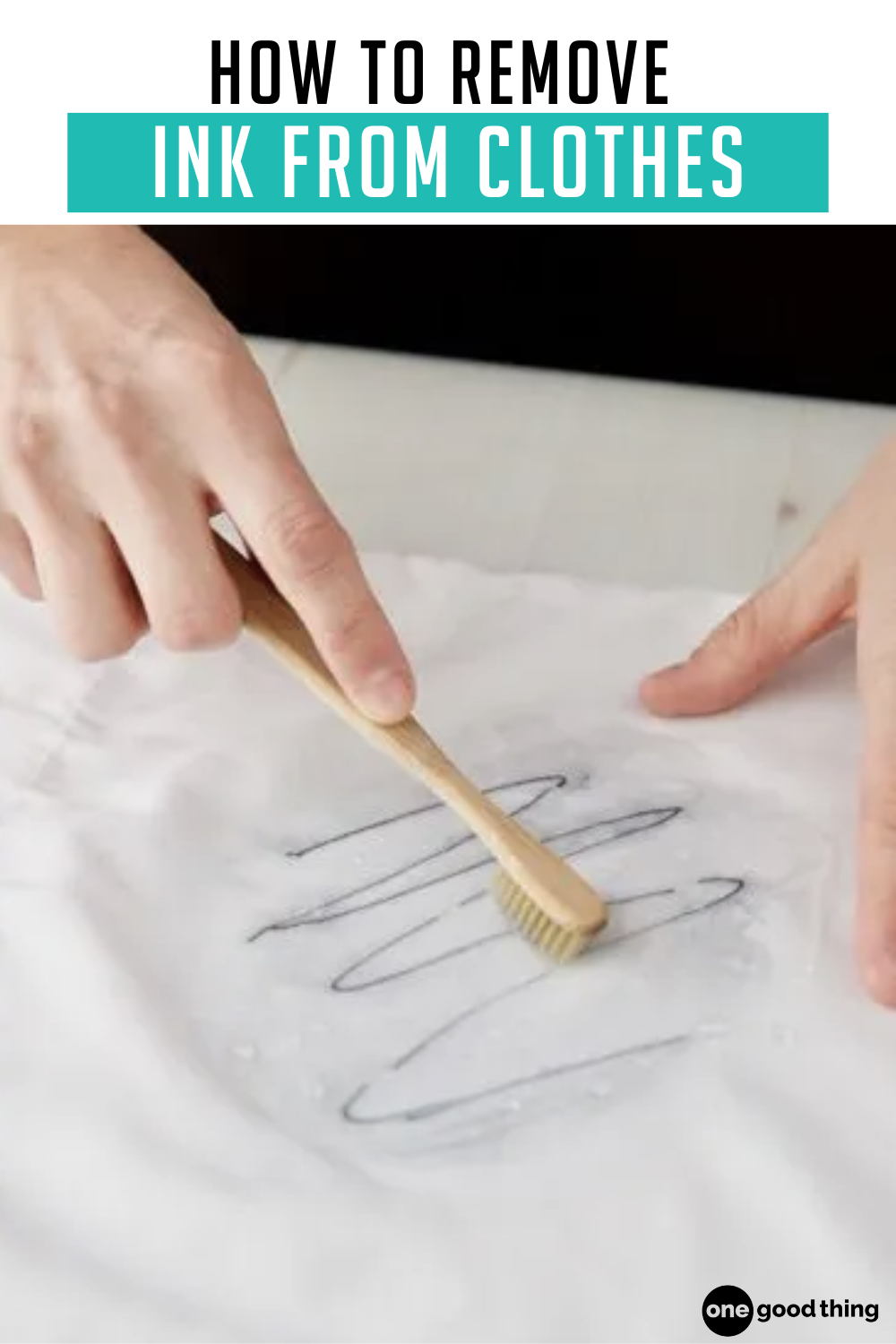
Preventing ink stains starts with simple precautions. First, always check pockets thoroughly before placing items in the dryer. Remove anything that might contain ink, including pens, markers, stickers, or even old magazines. Second, avoid overloading the dryer – leave room for air circulation and reduce friction between clothes. Third, sort your laundry properly by color and fabric type to prevent cross-contamination. Fourth, consider using a mesh laundry bag for delicate items or anything that might have ink on it. Fifth, clean your dryer regularly – remove lint from the filter after every load and do a deeper cleaning monthly. Sixth, use appropriate temperatures based on the fabric type – lower heat settings can help reduce ink transfer. Seventh, try using white vinegar or baking soda in the rinse cycle to help set colors and remove any potential stains. Lastly, if you notice ink stains developing, act quickly – treat them immediately while they're still fresh and before they set permanently.
Ink stains in dryers might seem like a strange occurrence, but they're actually quite common and usually preventable. By understanding the main causes – from pens and markers to heat and improper sorting – we can take steps to protect our clothes and our peace of mind. The solution isn't complicated, but it does require attention to detail and a bit of mindfulness when doing laundry. Small changes in routine can make a huge difference in preventing these frustrating incidents. Whether it's checking pockets more carefully, adjusting dryer settings, or simply being more aware of what goes into the machine, these simple actions can save you from dealing with stubborn ink spots on your favorite shirts and pants. Remember, prevention is always easier than cleanup, and with a little care, you can keep your laundry looking pristine and your dryer running smoothly.
Related Posts

How American Standard HVAC Systems Compare to Trane Brands
Breaking down spray foam insulation costs by type and coverage area

How to Effectively Eliminate Clover from Your Lawn Naturally

The Surprising Reason Why Ladybugs Choose Your House

Best practices for tipping moving company staff