Have you ever looked up at a ceiling and wondered what those grid-like panels are all about? You're not alone. Drop ceilings, often overlooked but incredibly important, are the unsung heroes of many spaces. These aren't just random panels hanging from the roof - they're carefully engineered solutions that serve multiple purposes. Whether you're renovating a home office, planning a commercial space, or simply curious about building design, understanding drop ceilings can transform how you think about your environment.
Picture this: You're standing in a room, maybe a conference hall or a cozy living area, and you notice something unusual about the ceiling. Instead of one solid surface, there's a grid pattern with removable tiles. That's a drop ceiling in action. But what exactly is it doing there? Why did someone choose this particular solution over a traditional ceiling? The answer lies in the practical benefits these systems offer. Drop ceilings have been around for decades, yet they continue to evolve and adapt to modern needs. They're not just about hiding pipes and wires anymore - they're about creating better spaces for people to live, work, and thrive. This isn't just about aesthetics or construction techniques. It's about functionality, flexibility, and smart design choices that impact daily life in ways we might not even realize.
What Is a Drop Ceiling Exactly?
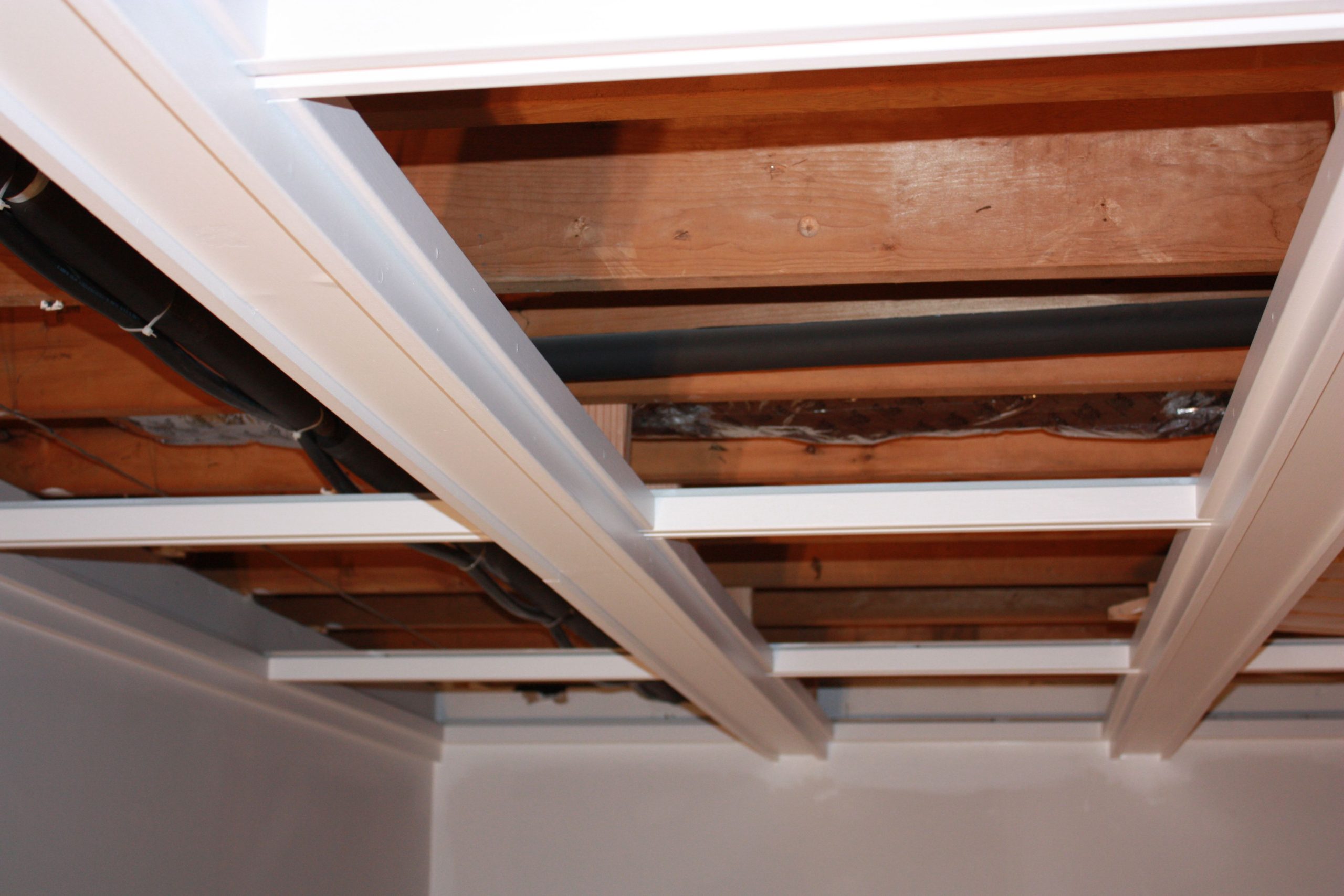
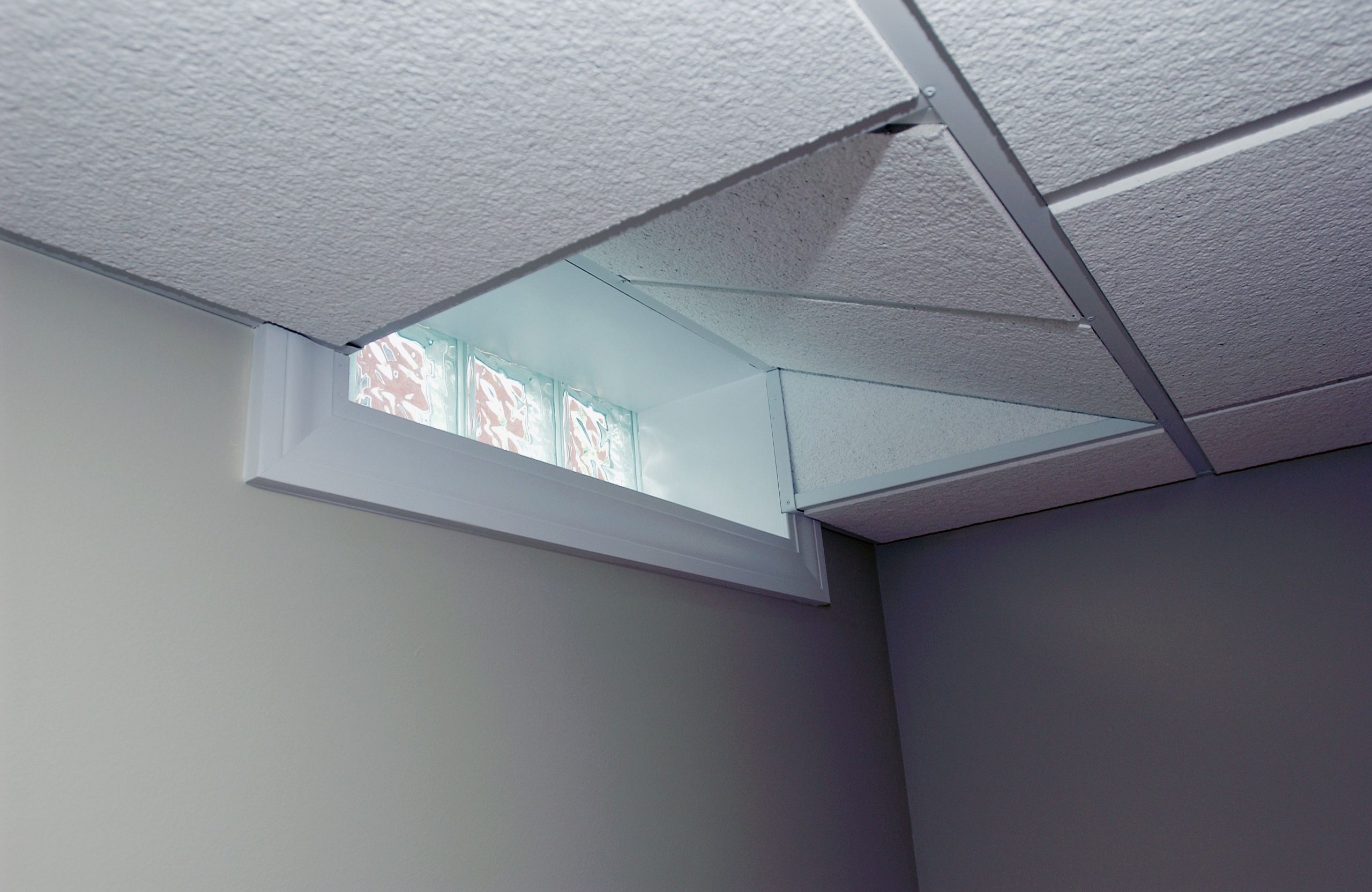
A drop ceiling, also known as a suspended ceiling, is a secondary ceiling installed below the main structural ceiling. Think of it like a second skin that hangs down from the original ceiling structure. These ceilings typically consist of a metal grid system that holds lightweight panels or tiles. The installation process involves attaching the grid to the existing ceiling structure, then inserting the panels into the grid. The panels themselves can be made from various materials including mineral fiber, fiberglass, or even wood. The term 'drop' comes from the fact that these ceilings hang down from the main ceiling, creating a gap between the two surfaces. This gap, usually 2 to 4 inches deep, serves multiple purposes. It's not just about looking nice - it's about creating a functional space within a space. The drop ceiling essentially creates a hidden attic-like area above the main ceiling plane, providing room for utilities and maintenance access. Many people assume these are purely decorative elements, but they're actually sophisticated architectural features designed to solve real problems.
The Construction Behind the Scenes
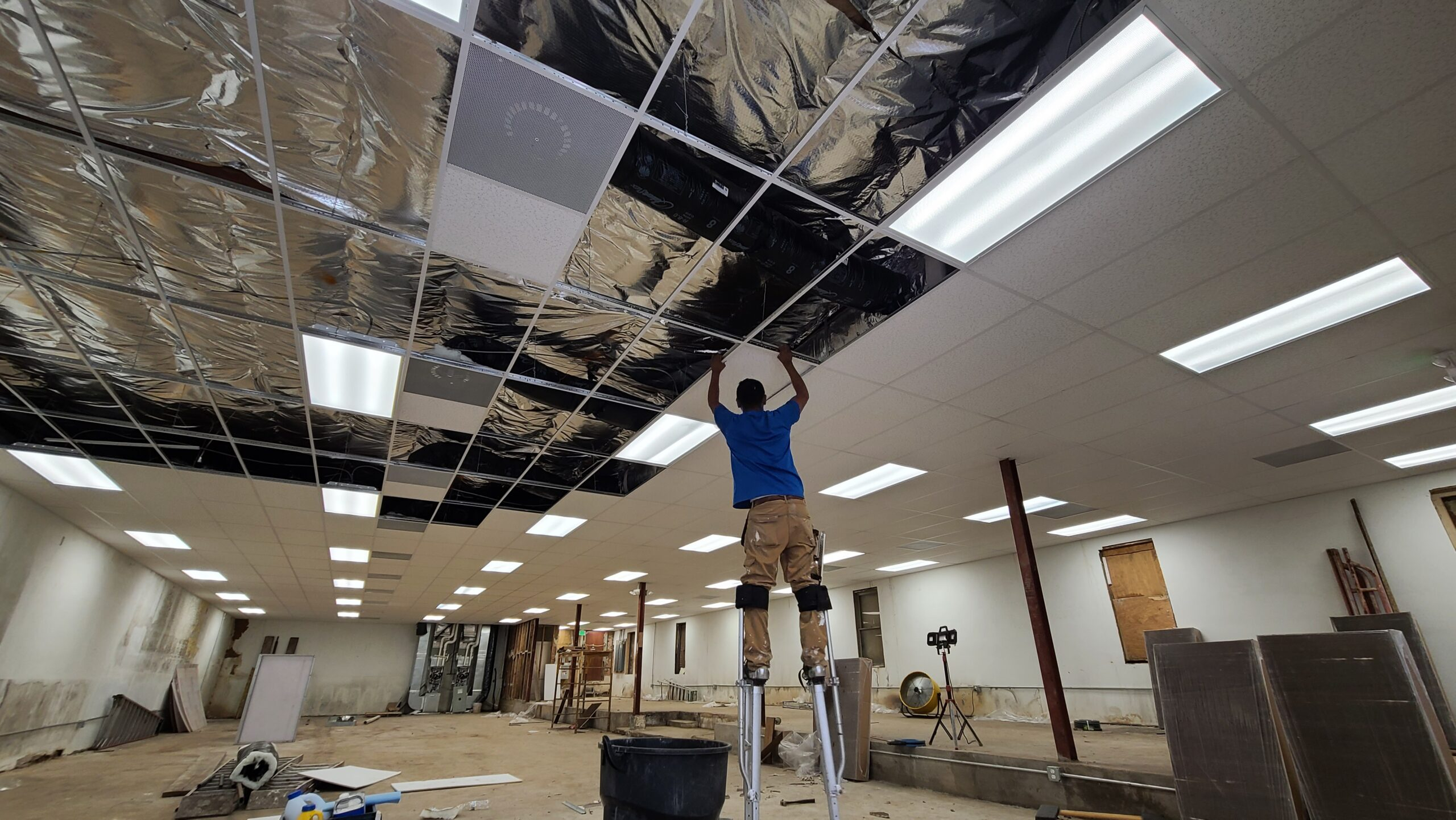
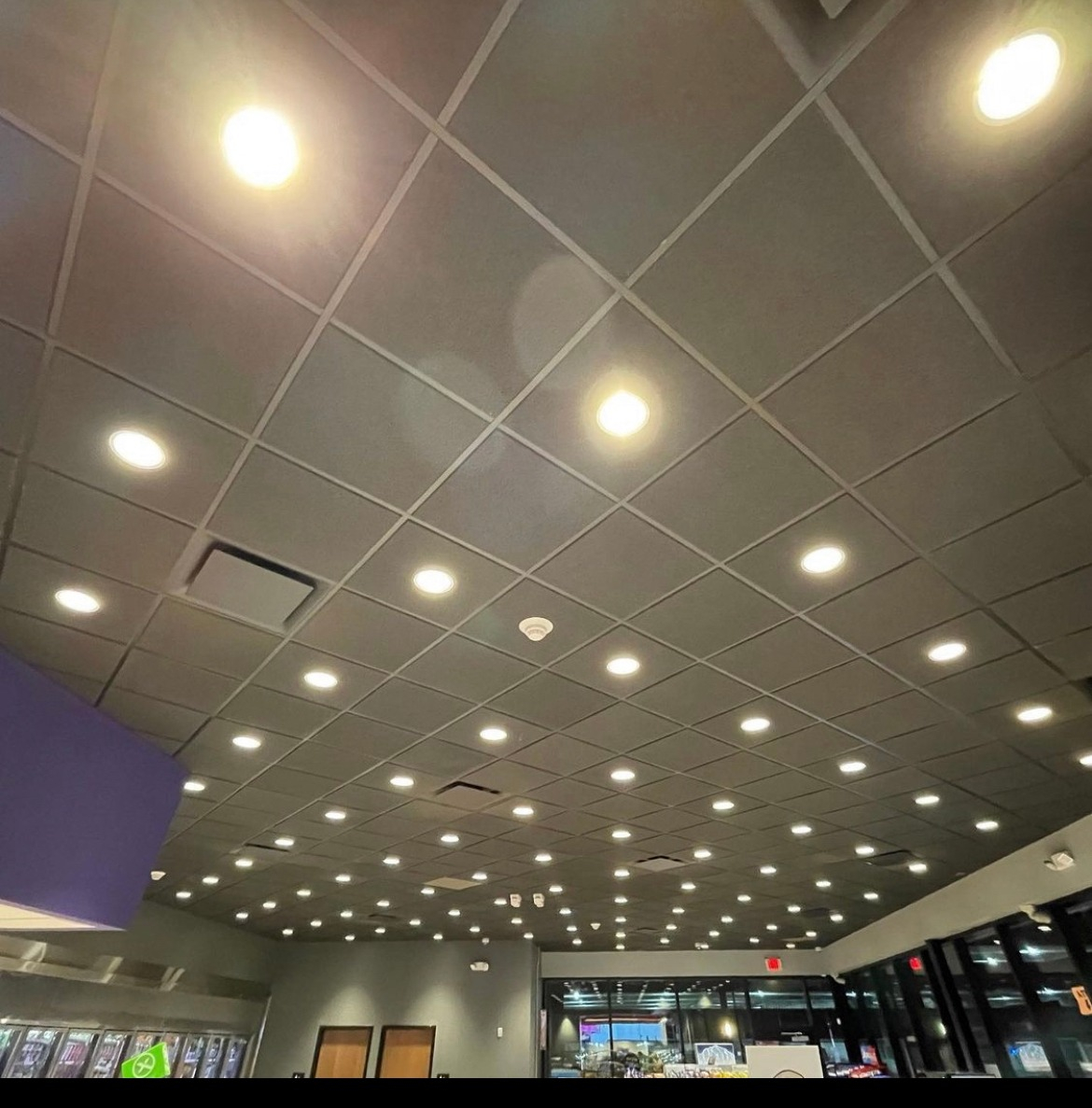
The magic happens in the grid system. This framework is typically made of aluminum or steel, designed to be both strong and lightweight. The grid consists of main beams and cross tees that create a rectangular pattern. These components are connected using specialized clips or connectors. The panels themselves come in different sizes and shapes, some with special acoustic properties, others designed for fire resistance. Installation requires careful measurement and planning. The grid must be perfectly level to ensure the panels sit correctly. This precision is crucial because any unevenness can make the entire ceiling look unprofessional. Professional installers often spend considerable time ensuring proper alignment. The complexity increases when dealing with irregular room shapes or existing obstacles like lights or HVAC units. In some cases, custom grid pieces need to be fabricated. The materials used vary depending on the application. For example, hospitals might require fire-resistant materials, while offices might prioritize sound absorption. The weight capacity of these systems is also important to consider. Most residential drop ceilings can support between 5 and 10 pounds per square foot, while commercial installations can handle much more. The system's durability matters too - these ceilings should last for decades if properly maintained.
Why Do Spaces Need Drop Ceilings?
Let's talk about the real reasons spaces need drop ceilings. First and foremost, they provide easy access to utilities. Imagine having to tear up your entire ceiling every time you need to fix a leaky pipe or upgrade wiring. With a drop ceiling, you simply remove a panel and gain access to everything above. This accessibility is invaluable for maintenance and repairs. Second, they're excellent for managing noise. The air gap between the drop ceiling and the main ceiling acts as a sound barrier. Many panels are specifically designed with acoustic properties to reduce noise transmission between floors. Third, they're incredibly versatile. You can easily modify the layout, add new lighting fixtures, or update the aesthetic without major construction. Commercial spaces benefit enormously from this flexibility. Office layouts change frequently, and drop ceilings allow for quick reconfigurations. They also help hide unsightly elements like ductwork, pipes, and electrical conduits. This creates a cleaner, more professional appearance. Additionally, drop ceilings can improve energy efficiency by providing an insulating air pocket. Some systems incorporate thermal insulation directly into the grid structure. The ability to customize the ceiling's appearance means you can match it to any interior design scheme. Whether you want a simple white ceiling or something more elaborate with patterns and textures, drop ceilings can accommodate your vision.
Different Types of Drop Ceiling Materials
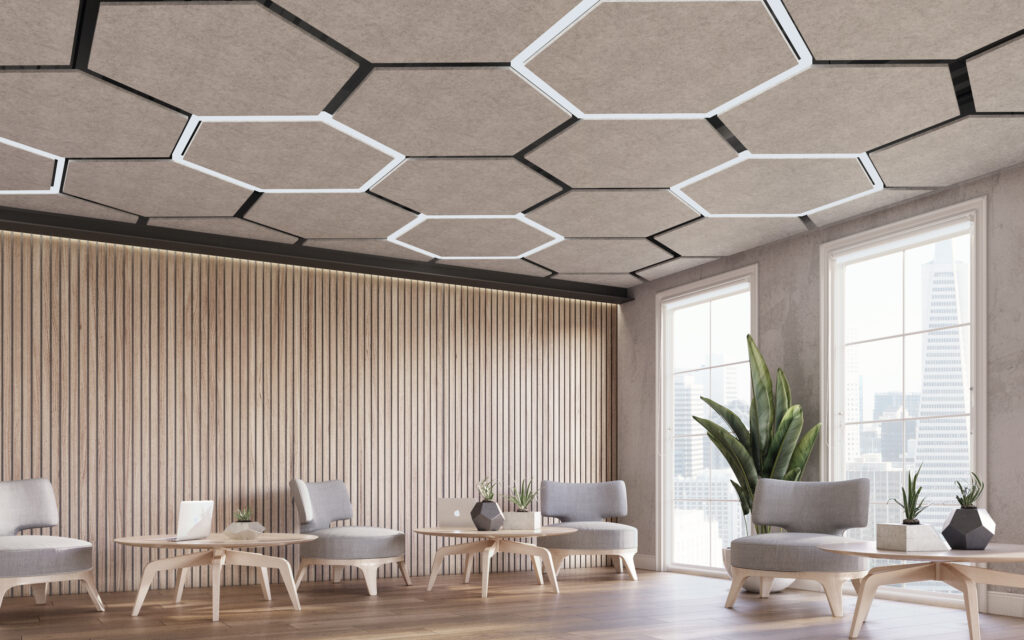
Not all drop ceilings are created equal. Material choice affects everything from performance to appearance. Mineral fiber panels are perhaps the most common, offering excellent sound absorption and fire resistance. They're also cost-effective and widely available. Fiberglass panels provide similar benefits but with better moisture resistance, making them ideal for bathrooms or kitchens. Wood panels bring a natural warmth to spaces, though they require more maintenance and may not be suitable for high-humidity areas. Metal panels offer superior durability and fire protection, making them popular in commercial settings. Acoustic panels are specially designed to reduce noise levels, often featuring honeycomb or wedge-shaped structures that trap sound waves. These are particularly useful in auditoriums, conference rooms, and open office spaces. Some panels include antimicrobial treatments to prevent mold growth. Others feature special finishes for improved light reflection. The choice of material depends heavily on the intended use of the space. A classroom might prioritize acoustic properties, while a retail store might focus on visual appeal. Budget considerations also play a role in material selection. Some systems can be expensive, especially when considering specialized features like LED integration or advanced acoustic treatments. However, the long-term benefits often justify the initial investment.
Installation Considerations and Challenges
Installing a drop ceiling isn't as simple as hanging some panels. It requires careful planning and consideration of several factors. The first step involves assessing the existing ceiling structure. Is it strong enough to support the additional weight? Are there any obstructions that need to be worked around? The ceiling height matters too - you need enough clearance for the grid and panels, plus room for utilities. Electrical considerations are crucial. You'll need to plan where outlets and switches will go, ensuring they align with the grid pattern. Lighting fixtures present another challenge. Some require special mounting hardware, and recessed lights may need to be installed before the ceiling goes up. The room's dimensions affect panel sizing and grid layout. Irregular shapes can complicate things significantly. Sometimes, custom panels or grid pieces are necessary. Professional installation is often recommended, especially for complex projects. DIY enthusiasts might find success with simpler installations, but even then, precision is key. The ceiling must be perfectly level to avoid gaps or misaligned panels. Moisture and humidity levels can affect certain materials, so environmental conditions matter. Temperature fluctuations might cause expansion or contraction issues. Some installations require temporary removal of existing ceiling features, adding to the complexity. Weather conditions during installation can also impact results, particularly if the work involves outdoor access or sensitive materials.
Maintenance and Longevity Benefits
One of the biggest advantages of drop ceilings is their low maintenance requirements. Unlike traditional ceilings that might need repainting or repair, drop ceilings are designed for longevity and ease of care. Regular cleaning is usually sufficient to keep them looking fresh. Dust and debris can be removed with a vacuum or soft cloth. Some panels are washable, allowing for deeper cleaning when needed. The modular nature means individual panels can be replaced without replacing the entire system. This makes repairs quick and cost-effective. Many systems are designed to resist stains and fading, maintaining their appearance over time. Fire resistance is another long-term benefit, especially important in commercial buildings. The materials used often meet strict safety standards and can help slow the spread of fire. Some panels have built-in antimicrobial properties that prevent mold and mildew growth. The air gap between the drop ceiling and main ceiling provides additional protection against water damage. If there's a leak above, the system can often contain the damage until it's addressed. Regular inspections help catch potential issues early. Look for loose panels, damaged grid components, or signs of water damage. Proper maintenance extends the life of the entire system. Many drop ceiling systems can last 20 to 30 years with appropriate care. The ability to easily replace individual components means that repairs don't require complete replacement. This longevity makes drop ceilings a smart investment for both residential and commercial applications. The return on investment becomes apparent when considering reduced maintenance costs and extended service life compared to alternative ceiling solutions.
Drop ceilings might seem like a simple architectural detail, but they're actually sophisticated solutions that touch nearly every aspect of our built environments. From the practical benefits of easy maintenance to the aesthetic possibilities of customizable designs, these systems prove that sometimes the best solutions are the ones we don't see immediately. They represent a thoughtful approach to building design that prioritizes functionality without sacrificing style. Whether you're designing a new space or updating an existing one, understanding drop ceilings can help you make informed decisions about your environment. The investment in quality materials and proper installation pays dividends through years of reliable service. They're not just about hiding things above - they're about creating better spaces for people to live, work, and interact. So next time you look up at a ceiling grid, remember that you're seeing a carefully engineered solution that's been quietly improving spaces for decades. The next time you walk through a room with a drop ceiling, take a moment to appreciate how this seemingly simple element contributes to the overall comfort and functionality of your surroundings. It's a reminder that good design often works best when it's invisible, serving its purpose without demanding attention.
Related Posts

What happens to dried ink when clothes go through dryer tumbling

How American Standard HVAC Systems Compare to Trane Brands
Breaking down spray foam insulation costs by type and coverage area

How to Effectively Eliminate Clover from Your Lawn Naturally

The Surprising Reason Why Ladybugs Choose Your House