You spend a third of your life resting. That's a lot of time on one piece of furniture. Knowing when it quits matters more than you think. Most people just ignore it until they wake up hurting. But there is a way to spot the warning signs early. We need to talk about the materials inside. Foam changes over time. It is not forever. You need to know the limits.
We all love a good night's rest. But the bed you sleep on? It takes a beating. Every night you toss and turn, weight presses down. The foam inside starts to change. It's not magic. It's physics. You want to know when to toss it. We'll talk about that. Many folks ask this question. They want expert advice. But really it is about listening to your body. Your back knows when the support is gone. Let's dig into the details.

The Average Cycle
Most folks say 8 or 10 years. Some say less. It depends on the quality. Cheaper foam breaks down faster. High density holds up better. Think of it like a car. You get what you pay for. A cheap model might die in 5 years. A good one lasts a decade. This is the general rule. But it varies by brand. You must check the specs. Density is key here. Thicker foam usually lasts longer. Thinner layers compress quicker. Don't just look at the cover.
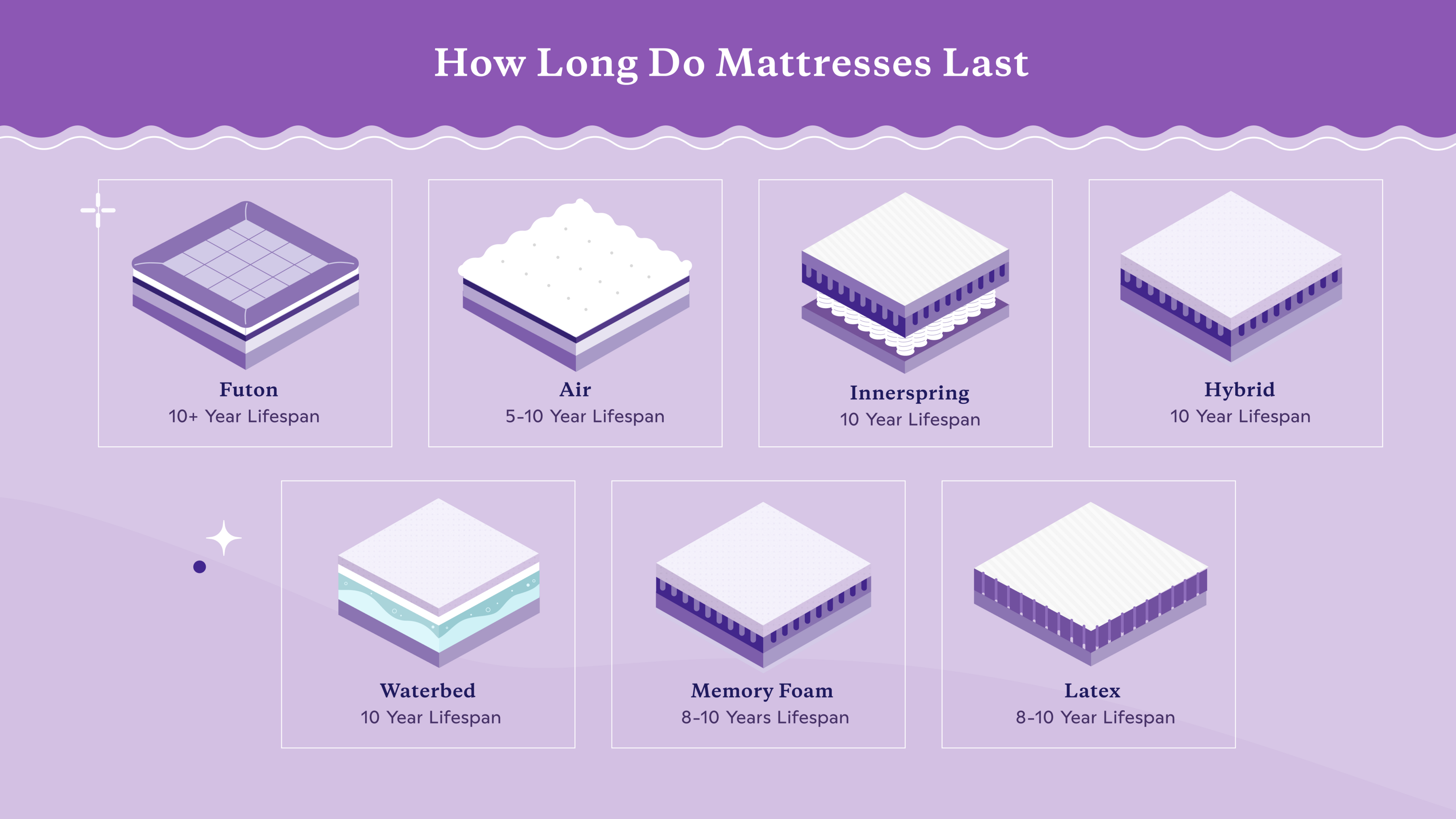
Why Foam Fades
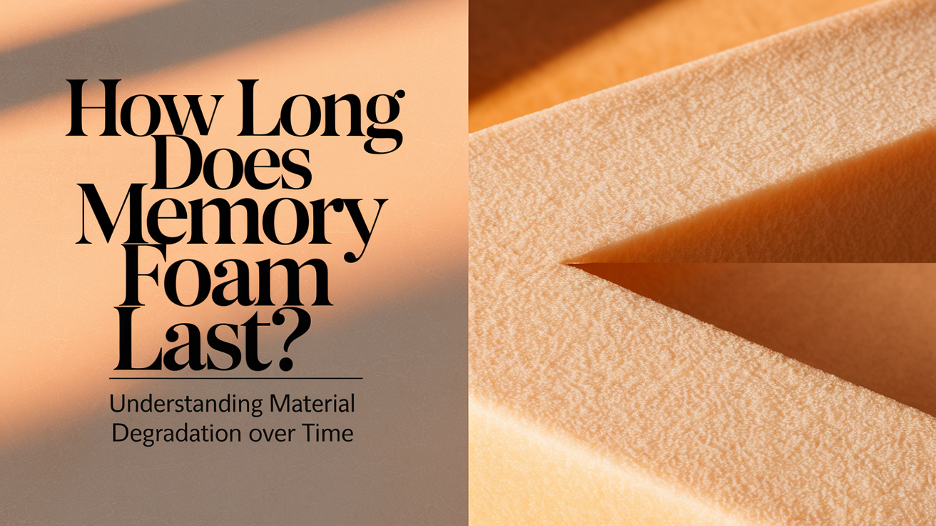
Heat is the enemy. Body heat softens the material. Over time it loses bounce. Gravity pulls it too. You get a dip in the middle. This is called sagging. It happens to everyone eventually. The material breaks down from within. It does not just wear out on top. Temperature swings matter too. Hot summers make it softer. Cold winters make it harder. This cycling stresses the cells. They crack under pressure. Eventually they stop holding shape. You feel this in your hips. Or your shoulders. It is gradual. You do not notice it right away.
Signs You Need New
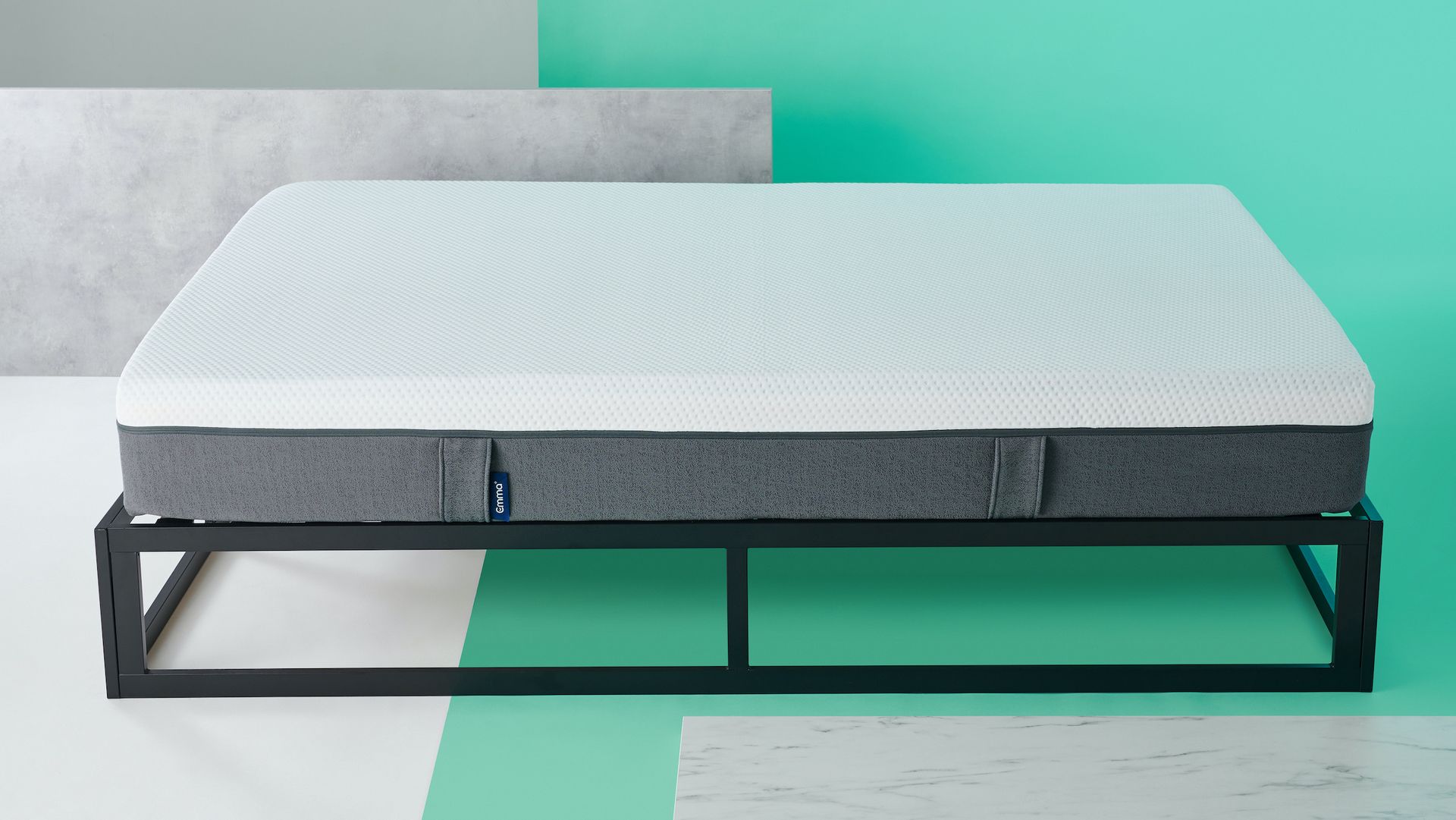
Do you wake up sore? Your back might be telling you. If you see a hole, that's bad. Waking up with pain is a big clue. Maybe the pillows feel different. Trust your gut. If you feel better on a hotel bed, yours is done. Old foam holds odors too. Smells like old sweat. That is gross. You cannot wash the inside out. Dust mites love the deep layers. Allergies get worse with time. If you snore more, the surface might be wrong. Pay attention to how you feel in the morning.

Care Tips
Rotate it every few months. Don't jump on it. That breaks the springs. Vacuum the top. Keep it dry. Moisture grows mold. Use a cover. It saves the fabric. Don't let pets claw the sides. Clean spills immediatly. Water damages the core. Sunlight fades the fabric. Keep it in a cool room. Air circulates better. This keeps the foam cool. It helps it last longer. Simple steps make a big difference. You do not need fancy tools. Just a vacuum and a sheet.
Related Posts

Measuring your room accurately before bringing home a full platform bed with storage
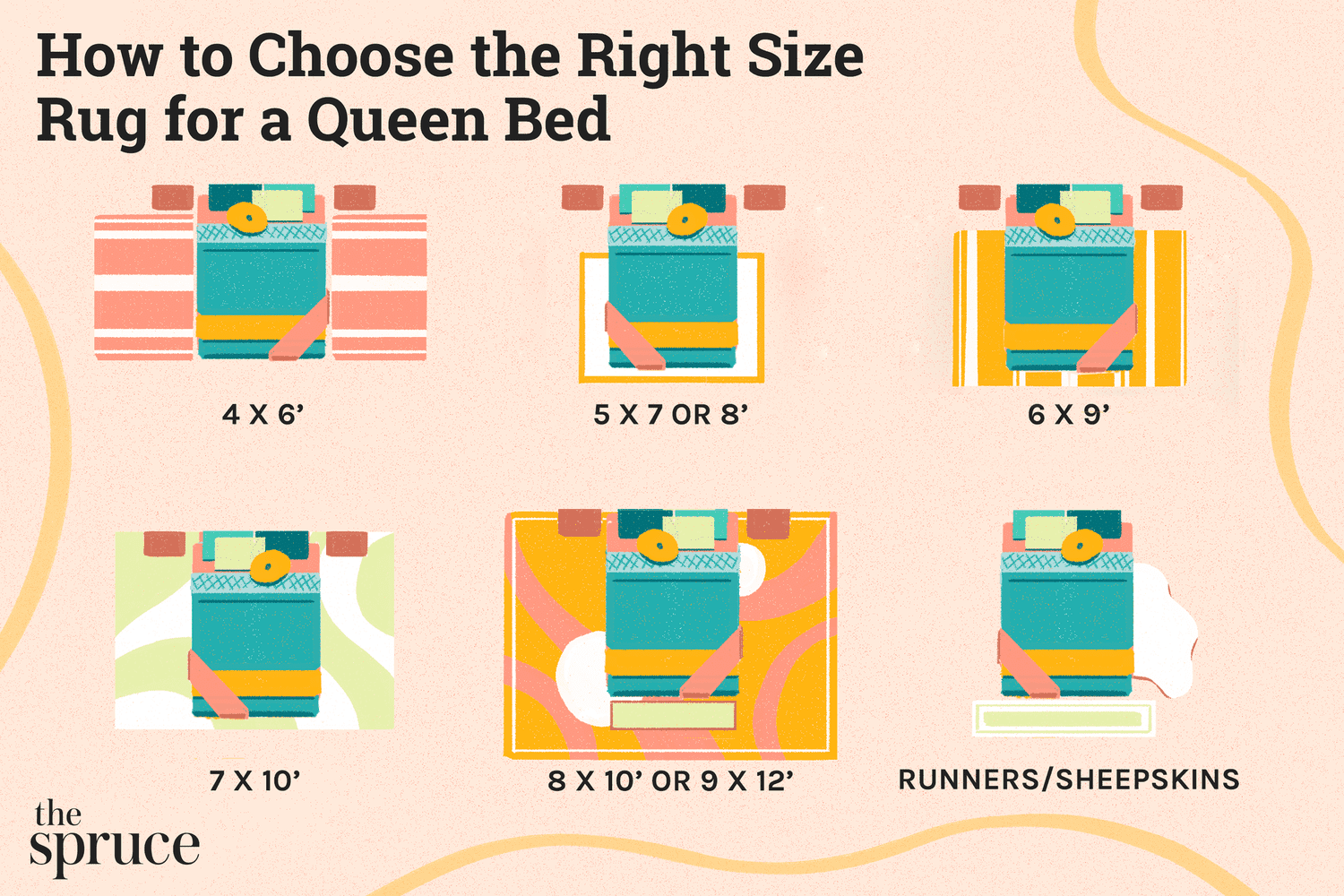
How to stop your bedroom rug from looking too small

What you need to know before cleaning a foam mattress for dogs
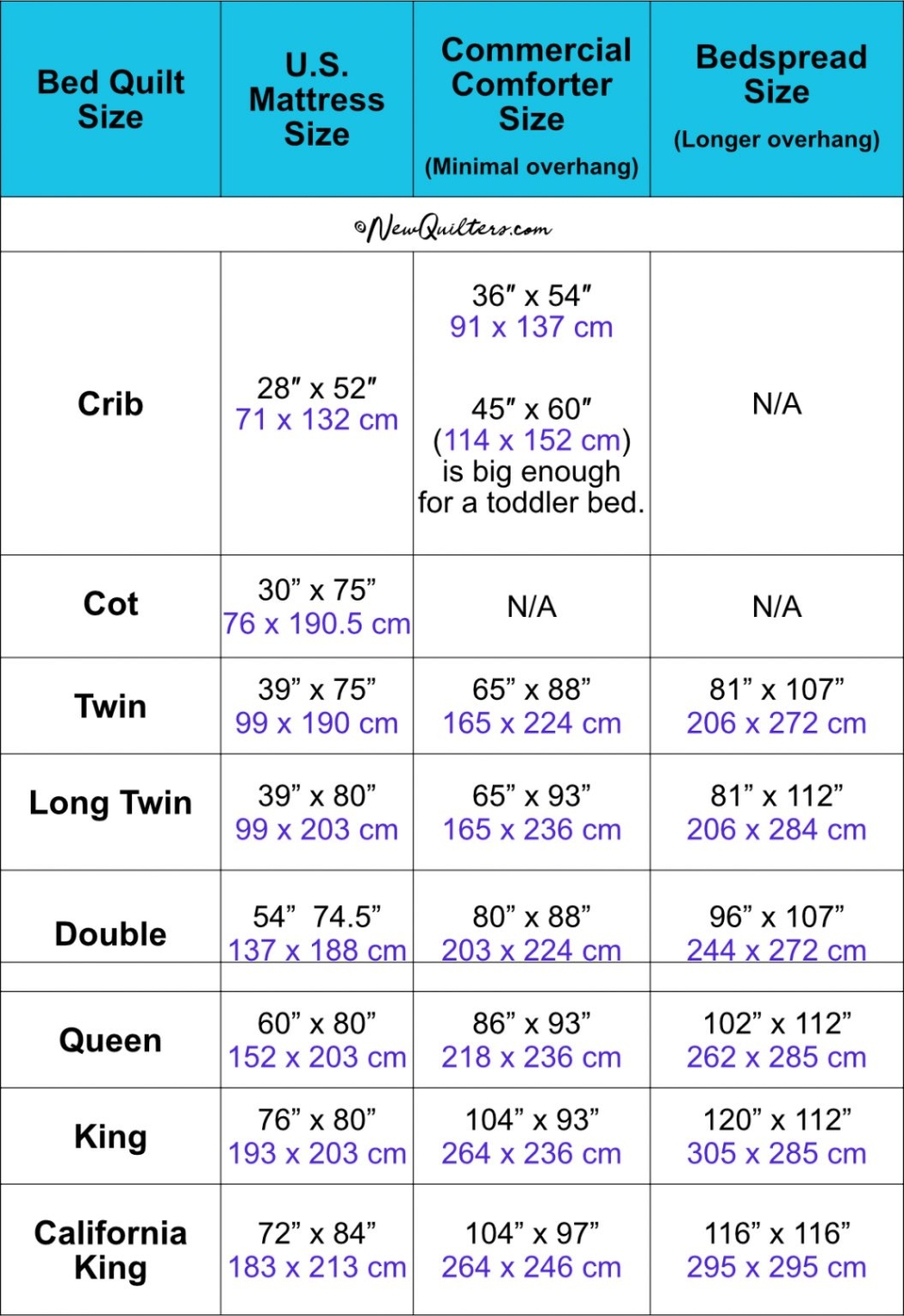
Skipping measurements can lead to a quilt that sits too high off the bed

Navigating the World of 39x80 Mattresses Expert Advice for the Perfect Fit
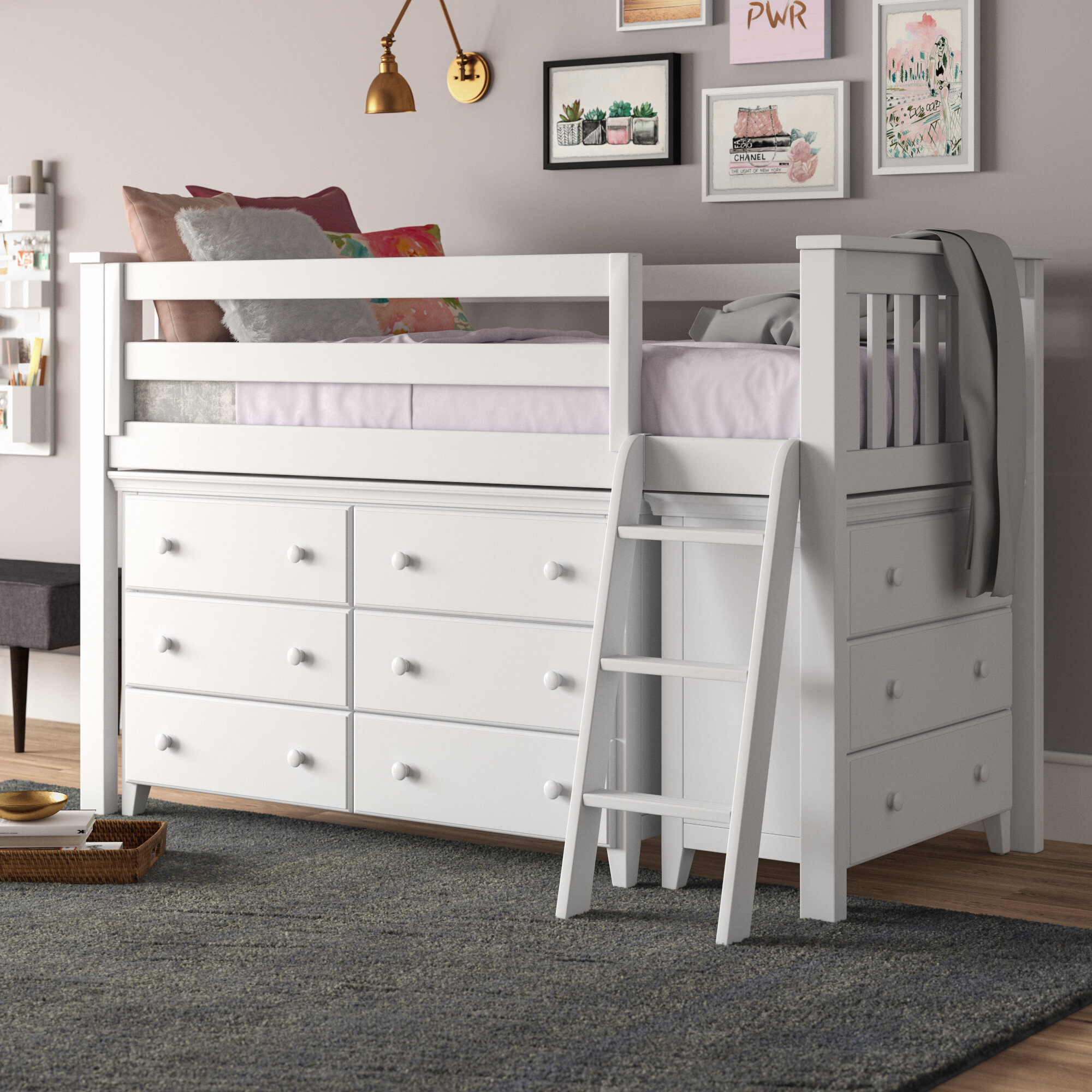
Unlock Your Room's Potential Expert Advice on Twin Loft Beds with Integrated Dressers
Warranty Stuff
Read the small print. Many warranties are tricky. They cover manufacturing faults not wear. If you bought it 9 years ago, they might say no. You need to keep the receipt. Don't lose the invoice. It's proof of purchase. Some companies charge shipping. Others do not. Check the fine text. It is boring but important. You need to know the rules. A warranty is not a guarantee. It has limits. You must follow care instructions. If you stain it, they void it. Be careful.
Health Risks
Old foam holds dust mites. Allergies get worse. Chemicals might off-gas less but still exist. Sleep quality drops when dust builds up. It's about health too. Not just comfort. Breathing in old allergens is bad. Your lungs do not like it. You might get sick more often. It is not just about the springs. It is about the air. A clean sleep surface is safer. Change it if you feel off. Your health comes first.
Sleep is vital. Don't ignore the signs. Your body knows. Replace it when it's time. It's worth the investment. You deserve good rest. A new matress can change your life. Don't wait until you are in pain. Think about the cost of health. It adds up. Keep it clean. Treat it well. But know when to let go. That is the real secret. Good luck.