Think vintage bathrooms are just for museums? Think again. These classic design elements are experiencing a major renaissance in today's homes. Whether you're renovating or simply redecorating, understanding these timeless trends can transform your space into something truly special.
Bathrooms have always been more than just functional spaces – they're reflections of our tastes, lifestyles, and cultural moments. What happens when you take a stroll through history and examine how bathrooms have evolved? You'll find that many of the most beloved design elements from decades past are making a strong comeback today. From the elegant curves of Art Deco to the cozy charm of mid-century modern, these vintage trends offer something special that modern minimalist designs often lack. The question isn't whether these styles still work – it's how we can blend them seamlessly into contemporary living spaces.
The Golden Age of Bathrooms: 1920s-1950s Influence
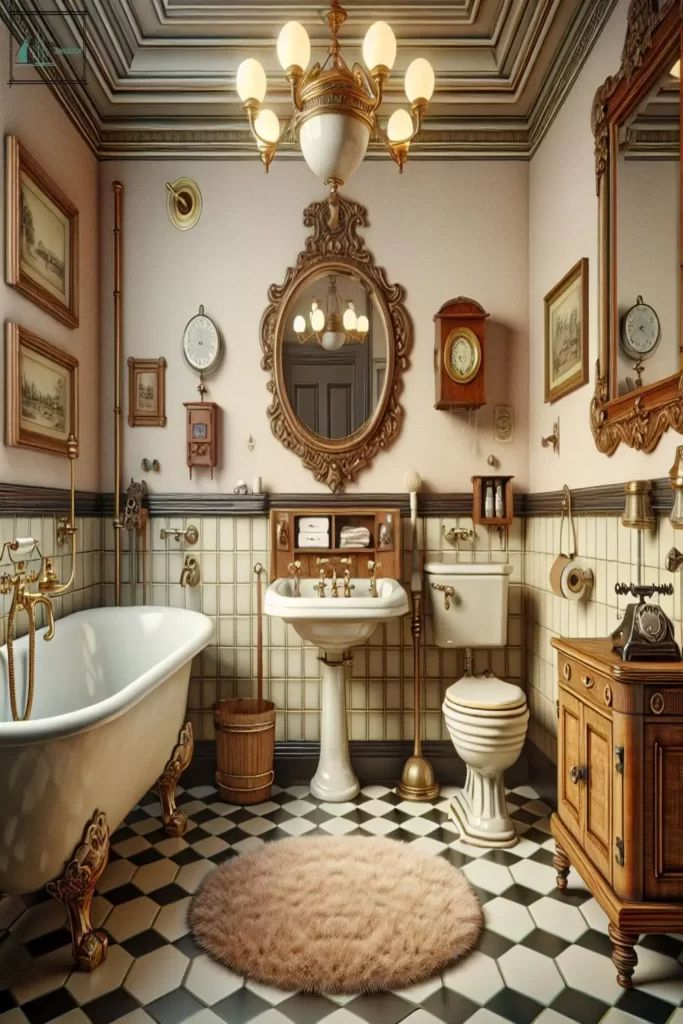
The decades between the 1920s and 1950s gave us some of the most iconic bathroom designs that still captivate homeowners today. During this era, bathrooms were considered luxury spaces, often featuring elaborate fixtures and ornate details that spoke to prosperity and sophistication. Think about it – these weren't just places to wash up, they were statements of lifestyle.
Key features from this time period include:
• Ornate tile patterns, especially in geometric shapes • Decorative mirrors with intricate frames • Cast iron fixtures with detailed designs • Deep soaking tubs that were both functional and beautiful • Bold color schemes like deep blues, rich greens, and warm golds
The beauty of incorporating 1920s-1950s elements is that they add a touch of glamour to any space. You don't need to go all-in with full Art Deco fixtures, but adding a statement mirror or some vintage-style tiles can create an instant focal point that feels both nostalgic and sophisticated.
Mid-Century Modern: Clean Lines and Natural Materials
The 1950s and 1960s brought a revolution in bathroom design philosophy. This era emphasized clean lines, functionality, and a harmonious relationship between indoor and outdoor spaces. Mid-century modern bathrooms celebrated natural materials like wood, stone, and ceramic in ways that felt fresh and forward-thinking.
What made this style so enduring?
• Simple, uncluttered designs that focused on function • Natural materials that created warmth and texture • Integration of plants and natural elements • Streamlined fixtures that were both beautiful and practical • Open floor plans that made small bathrooms feel larger
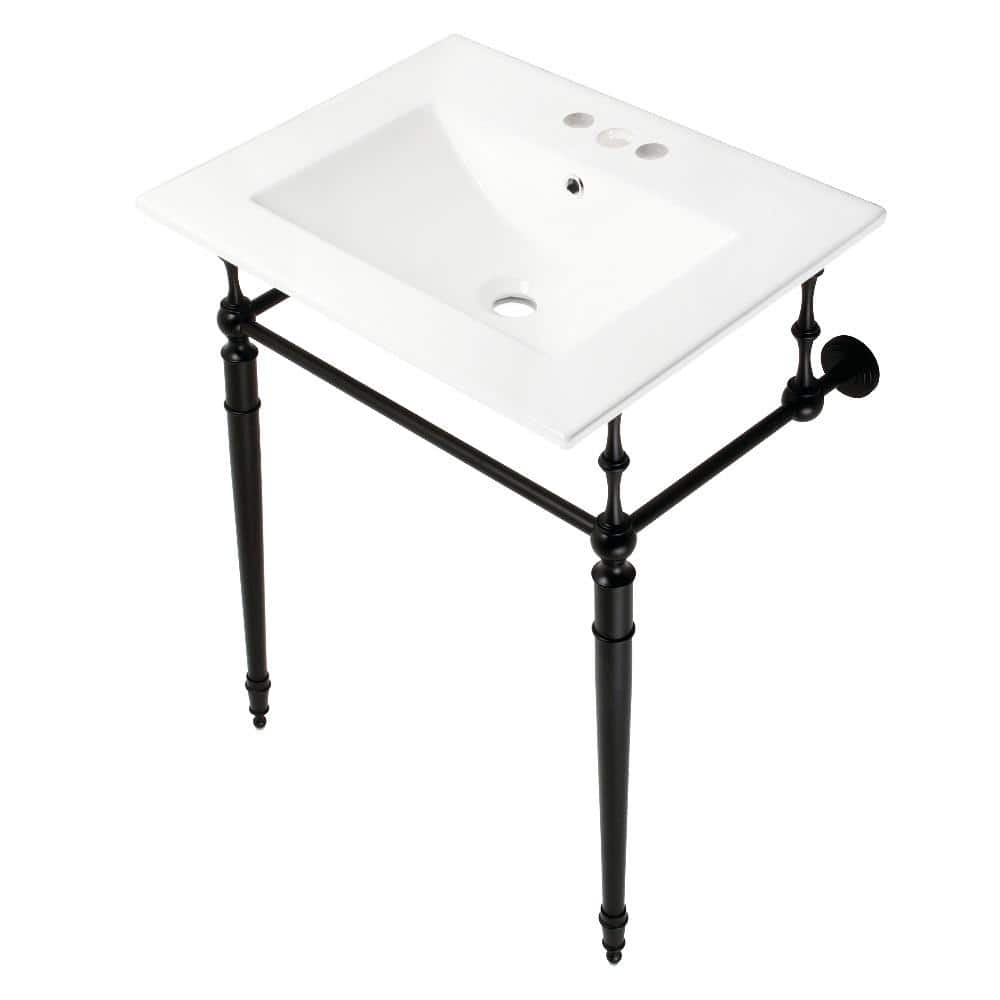
Today's version of mid-century modern bathroom design often involves combining vintage-inspired fixtures with contemporary layouts. It's about finding that perfect balance between nostalgia and modern convenience. A classic pedestal sink paired with a sleek, contemporary shower might seem like an odd combination, but it actually creates a dynamic and interesting space that honors both eras.
Art Deco Elegance: Bold Patterns and Luxurious Details
Art Deco emerged in the 1920s and flourished through the 1930s, bringing with it a sense of opulence and sophistication that was revolutionary for its time. When applied to bathroom design, Art Deco elements transformed simple spaces into works of art. The movement's emphasis on geometric patterns, metallic accents, and bold architectural features created bathrooms that felt like mini palaces.
Characteristics that define Art Deco bathroom design:
• Geometric tile patterns in contrasting colors • Metallic accents like chrome, brass, or bronze • Ornate fixtures with curved lines and stylized forms • Statement lighting fixtures that double as decorative elements • Rich, saturated color palettes
The secret to successfully using Art Deco elements in modern bathrooms lies in restraint. You don't need to cover every surface in geometric tiles, but adding one bold accent wall or a stunning vintage-style faucet can create a dramatic impact. Many homeowners find that incorporating just one Art Deco element makes their entire space feel more elevated and intentional.
Classic Victorian Bathroom Design: Ornamentation and Comfort
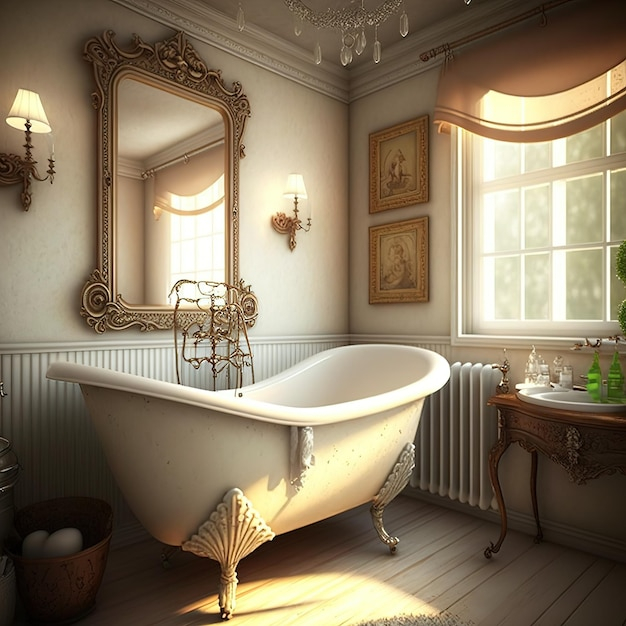
Victorian bathrooms, while perhaps less common in modern homes, represent another important chapter in bathroom evolution. These spaces were designed with comfort and indulgence in mind, often featuring large tubs, elaborate fixtures, and rich fabrics that created a spa-like atmosphere. The Victorian era understood that bathrooms could be places of relaxation and self-care.
What made Victorian bathrooms special?
• Large, deep soaking tubs that encouraged long baths • Elaborate clawfoot tubs that became symbols of luxury • Ornate fixtures with detailed engravings • Rich textiles like velvet or damask in towels and bathrobes • Warm, earthy color schemes with deep reds and browns
Incorporating Victorian elements today means focusing on the feeling of luxury rather than just appearance. A clawfoot tub might seem outdated to some, but when placed in a modern bathroom with clean lines and contemporary fixtures, it creates a striking contrast that many find appealing. The key is to choose one or two classic elements that speak to your personal style rather than trying to recreate an entire period look.
Retro 1970s Bathroom Trends: Bold Colors and Eclectic Styles
The 1970s bathroom was all about personality and individual expression. This decade broke away from traditional design rules and embraced bold colors, pattern mixing, and eclectic combinations that many found exciting and liberating. While some of these trends might seem over-the-top now, there's something wonderfully expressive about the creativity of this era.
Popular 1970s bathroom elements include:
• Vibrant, saturated colors like hot pink, electric blue, or lime green • Pattern mixing with floral, geometric, or abstract designs • Statement lighting fixtures with bold shapes • Retro accessories like vintage towels or unusual soap dishes • Bold tile choices, including checkerboard patterns
Modern interpretations of 1970s bathroom design focus on the fun and creativity rather than the potentially overwhelming combinations of the past. You can incorporate one bold color or pattern element without going too far. A single statement tile or a vibrant towel set can bring that retro energy to any space without creating visual chaos.
Practical Tips for Blending Vintage and Modern Elements
The trick to making vintage bathroom trends work in today's homes is knowing how to blend different eras without creating a jarring experience. Here are some strategies that really work:
• Start with one vintage element and build around it. Choose either a fixture, a tile pattern, or a piece of furniture that speaks to you. • Maintain a consistent color palette to keep everything feeling cohesive. • Balance vintage pieces with modern functionality. A vintage vanity might look great, but ensure it has adequate storage and lighting. • Don't forget about practicality. Vintage pieces can be beautiful, but they should also serve a purpose in your daily routine. • Consider the overall aesthetic of your home. Vintage elements should complement rather than clash with existing design themes.
One of the most important lessons is that vintage bathroom trends aren't about copying exact historical reproductions. They're about capturing the spirit and essence of different eras and applying that to contemporary needs. A bathroom with a vintage sink and modern plumbing can be both functional and stylish. The key is understanding what makes each era special and then translating those qualities into a space that works for today's lifestyle.
Vintage bathroom trends offer more than just nostalgic appeal – they provide timeless design solutions that enhance both beauty and functionality. Whether you're drawn to the glamorous Art Deco influence, the clean simplicity of mid-century modern, or the cozy charm of Victorian design, these elements can transform your bathroom into a space that feels both personal and well-crafted. The secret isn't to recreate the past exactly, but to understand what made these styles special and apply those principles to modern living. As you plan your next bathroom project, consider how these vintage influences can help you create a space that reflects your personality while remaining practical for daily life. After all, the best bathroom designs are those that make you want to spend time in them – and vintage inspiration often provides exactly that kind of lasting appeal.
Related Posts
How Ceramic Vessel Sinks Enhance Bathroom Aesthetics and Functionality
Design and Durability Analysis of the Kingston Brass GLTS37225 Brushed Basin
Choosing the Perfect Small Undermount Sink for Your Home Decor
Material Durability and Maintenance of Kingston Brass VPB24187W4 Ceramic Sink
Expert Insights on Choosing the Right Sink for Your Bathroom Renovation