The Willow Apartment stands as a testament to how natural beauty and elegant design can coexist in urban living spaces. This isn't just about pretty pictures or trendy décor—it's about creating environments that nurture both the body and soul. When we talk about natural beauty in interior design, we're really discussing a philosophy that values authenticity, sustainability, and the quiet power of organic materials.
Imagine walking into a space where every element tells a story of careful thought and natural inspiration. That's exactly what happens when you step into The Willow Apartment. It's not just another modern living space—it's a carefully curated environment that respects both the natural world and the art of elegant design. This approach to apartment living shows us that sophistication doesn't have to mean artificiality. In fact, the most beautiful spaces often emerge when we embrace what nature offers us and then refine it with thoughtful intention.
The Foundation of Natural Materials
What makes The Willow Apartment special isn't just its aesthetic appeal, but rather its deep respect for natural materials. Think about the difference between a polished concrete floor and a warm wooden beam. The latter creates an immediate sense of connection to something organic and enduring. This apartment features reclaimed wood accents, stone countertops, and woven textiles that bring earthy textures into every room.
The beauty lies in how these materials age gracefully. Unlike synthetic alternatives that can look dated within months, natural elements like wood and stone develop character over time. A weathered oak table becomes more beautiful with each passing year, while a stone fireplace gains warmth through countless fires. These aren't just decorative choices—they're investments in lasting beauty and authenticity.
Lighting That Mimics Nature
One of the most powerful aspects of The Willow Apartment's design is its thoughtful approach to lighting. Natural light flows freely through large windows, but the designers didn't stop there. They've incorporated layered lighting solutions that mimic the way sunlight moves through a forest or filters through leaves.
This means using dimmers for ambient lighting, adding table lamps with warm tones, and incorporating candles for intimate moments. The result? A space that feels alive and responsive to the day's rhythm. When evening arrives, the gentle glow of a candle creates a different mood than harsh fluorescent lights ever could. It's about creating an environment that supports our natural circadian rhythms while maintaining visual appeal.
Plants as Living Art
In The Willow Apartment, plants aren't just decoration—they're integral to the design concept. The living walls and potted arrangements serve multiple purposes: they purify the air, add color and movement, and provide a direct connection to the natural world.
Consider how a single fiddle leaf fig can transform an entire corner of a room. Its broad leaves catch light beautifully, while its presence adds a sense of calm that's hard to replicate with artificial elements. The key isn't having dozens of plants, but rather choosing specimens that complement the existing design language. A few well-placed greenery pieces can make a dramatic difference in how a space feels and functions.
Color Palettes Inspired by Earth
The color scheme in The Willow Apartment draws heavily from natural elements. Muted earth tones dominate the palette—soft browns, warm terracotta, and muted greens that echo the colors found in forests and soil. These hues create a sense of stability and comfort that's particularly important in urban settings.
The beauty of this approach is that it works across all seasons. While bright, bold colors might feel overwhelming in small spaces, earth tones offer a sense of grounding that helps residents feel connected to something larger than their immediate surroundings. Even when the weather is gray outside, these warm, natural colors create an internal sense of sunshine and vitality.
Sustainable Design Practices
True elegance in design goes beyond aesthetics—it includes responsibility. The Willow Apartment demonstrates how sustainable practices can enhance rather than compromise beauty. This means choosing materials that last, designing for longevity, and considering the environmental impact of every decision.
Reclaimed wood, for example, isn't just visually interesting—it represents a conscious choice to reduce waste and give new life to existing materials. Similarly, choosing energy-efficient appliances and LED lighting systems shows how elegant design can align with environmental consciousness. These decisions may seem small, but they contribute to a larger philosophy of mindful consumption and respect for resources.
Creating Functional Beauty
The Willow Apartment proves that functional design and natural beauty don't have to compete with each other. Every piece in this space serves a purpose while contributing to the overall aesthetic. Built-in shelving units aren't just storage—they're architectural elements that frame views and create visual interest.
This approach to design ensures that nothing feels superfluous or out of place. When furniture and fixtures work harmoniously with the natural elements already present, the space feels cohesive and intentional. The result is a home that's both beautiful and practical—a rare combination that many people struggle to achieve in their own living spaces.
The Willow Apartment reminds us that elegant design and natural beauty aren't opposing forces—they're partners in creating truly livable spaces. When we approach interior design with intentionality and respect for natural elements, we create environments that nourish our well-being while remaining aesthetically pleasing. This isn't about following trends or buying expensive items—it's about making thoughtful choices that honor both beauty and function. The most lasting spaces are those that evolve with us, growing more beautiful over time while continuing to support our daily lives. What matters most is creating a home that reflects who we are and how we want to live, rather than simply following what looks good on a magazine cover.


Related Posts
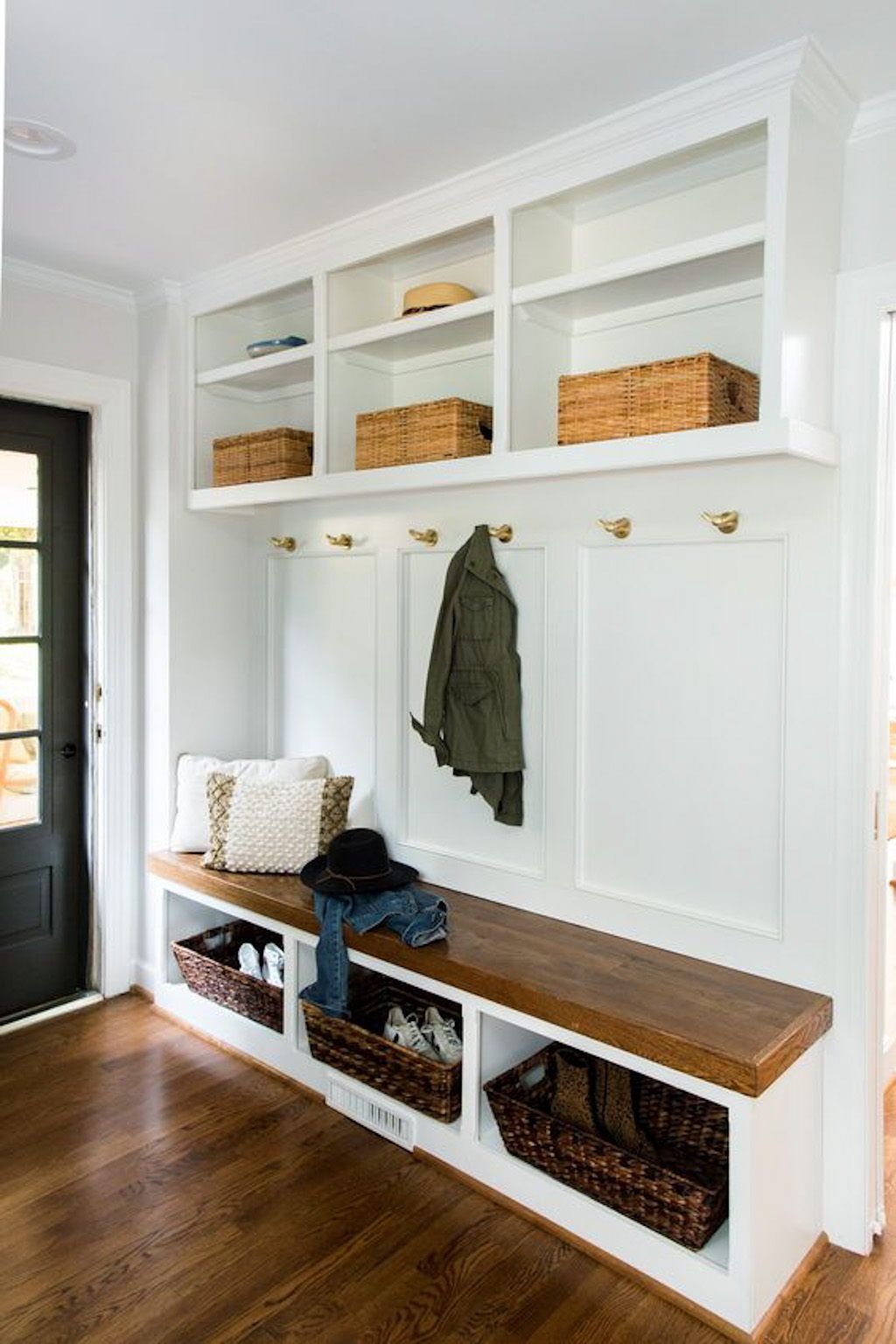
Small Space Solutions for a Mudroom Storage and Bench Without Clutter
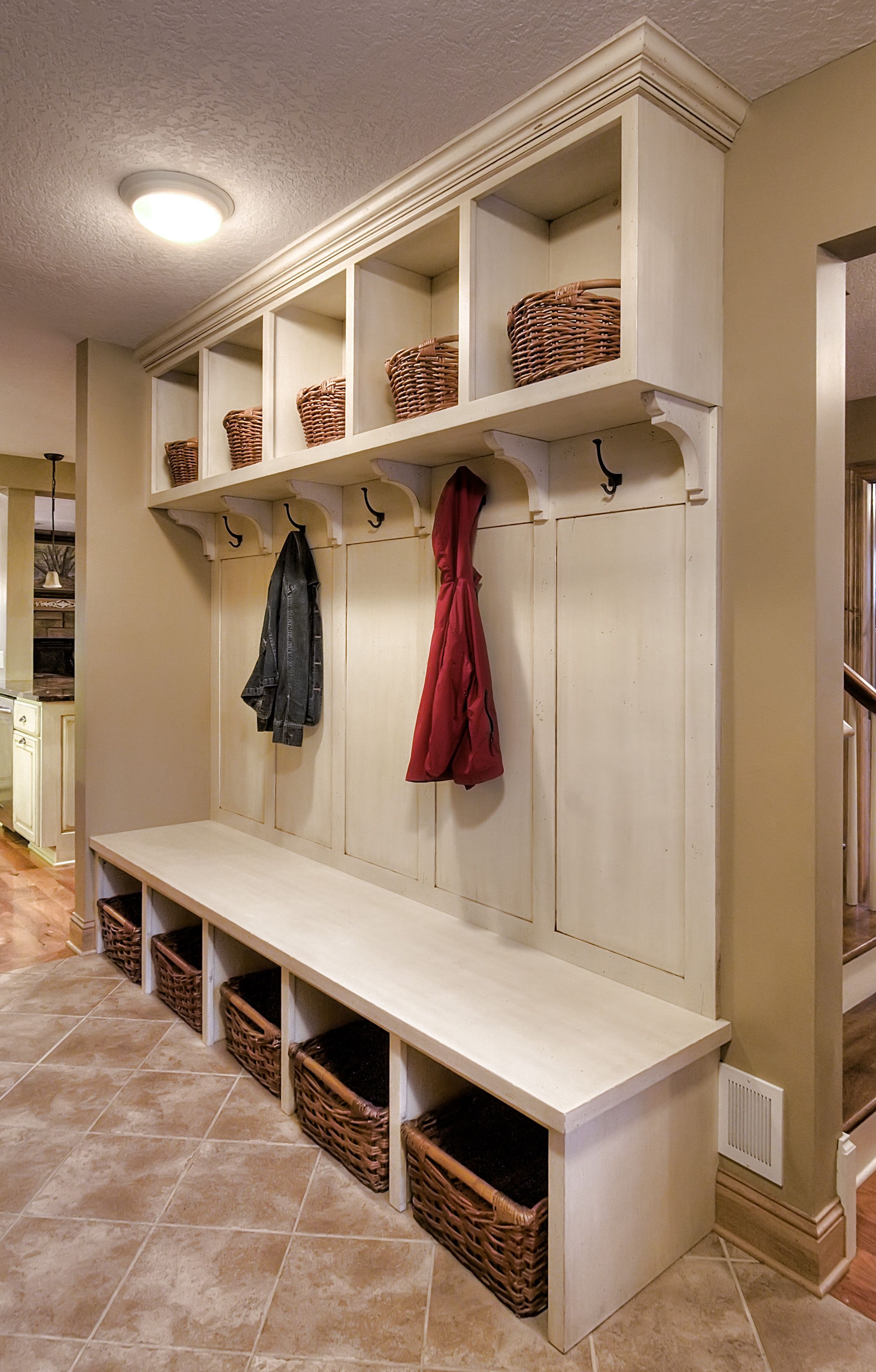
Mudroom Storage Ideas That Keep a Busy Entryway Tidy
Eco-Friendly Solutions for Common Garden Pests
Winter Glow: How Designer-Led Lighting Transforms Cold Spaces into Cozy Retreats

Transform Your Space with These Rug Layering Techniques