Have you ever wondered why some wooden floors look brand new after decades while others show signs of wear within just a few years? The answer often lies in the finish they've been given. Polyurethane might sound like a technical term from a chemistry textbook, but it's actually one of the most important tools in your home improvement arsenal. Whether you're refinishing an old dining table or protecting a hardwood floor from daily wear and tear, choosing the right polyurethane can make all the difference between a project that lasts and one that needs constant repairs.
Polyurethane finishes have been around for decades, but their importance in protecting and beautifying wood surfaces remains as strong as ever. These protective coatings aren't just about making things look pretty – they're about preserving your investment in wood furniture and flooring for years to come. Think about it: you've spent time and money on quality wood, but without proper protection, those beautiful grains and colors can fade, scratch easily, or even warp over time. The key lies in understanding the different types of polyurethane available, knowing when to use each one, and recognizing how environmental factors influence your choice.
Understanding the Two Main Types of Polyurethane
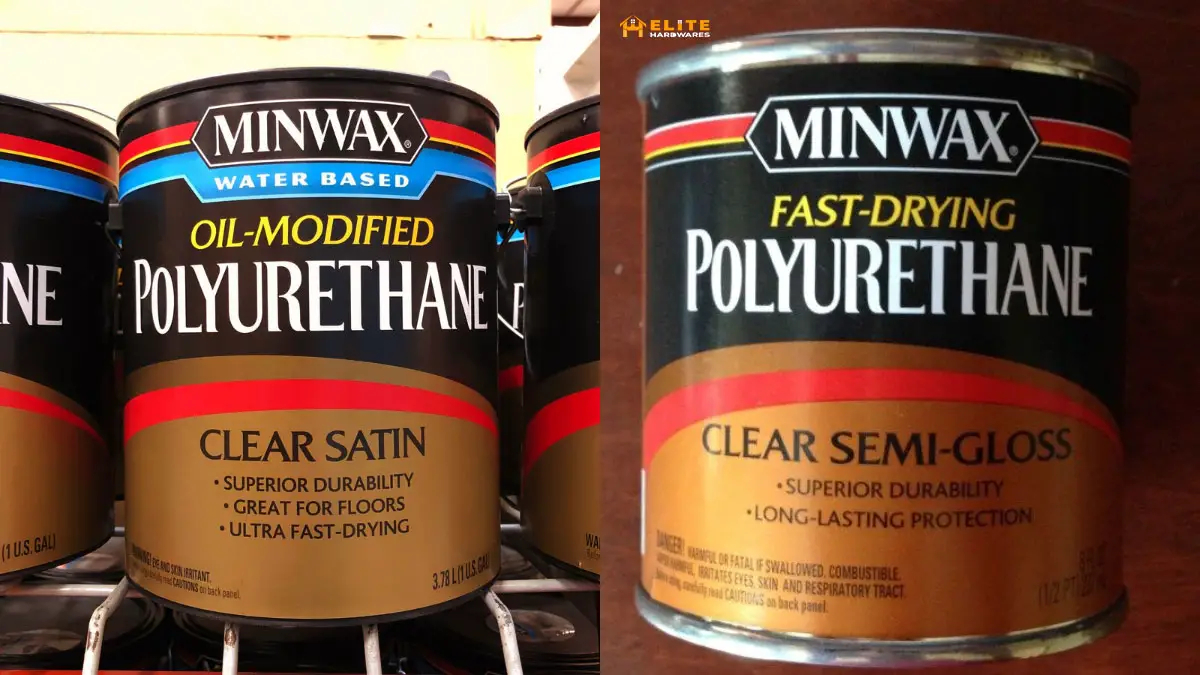
When you walk into a hardware store, you'll quickly notice that polyurethane comes in two main varieties: water-based and oil-based. Each type has its own set of characteristics that make it better suited for certain projects. Water-based polyurethane dries faster and gives a clearer finish, making it perfect for lighter woods where you want to preserve the natural grain. It also has less odor and is easier to clean up with water. Oil-based polyurethane, on the other hand, penetrates deeper into the wood and creates a harder, more durable surface. This makes it ideal for high-traffic areas like floors and heavily used furniture pieces. But it takes longer to dry and has a stronger smell during application. Let's break down these differences further because understanding them will help you make smarter choices.
The Role of Sheen Levels in Your Final Look
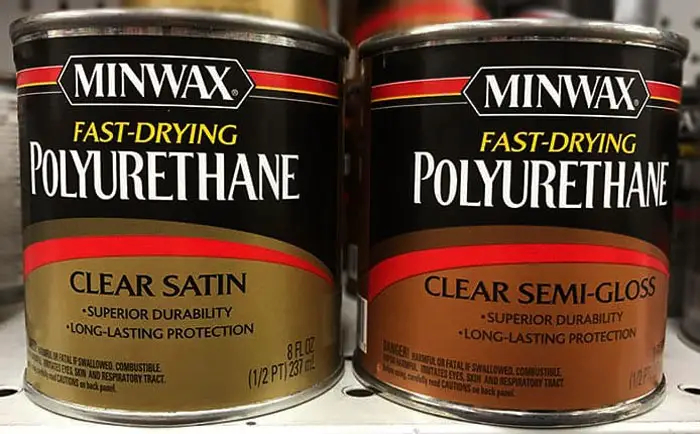
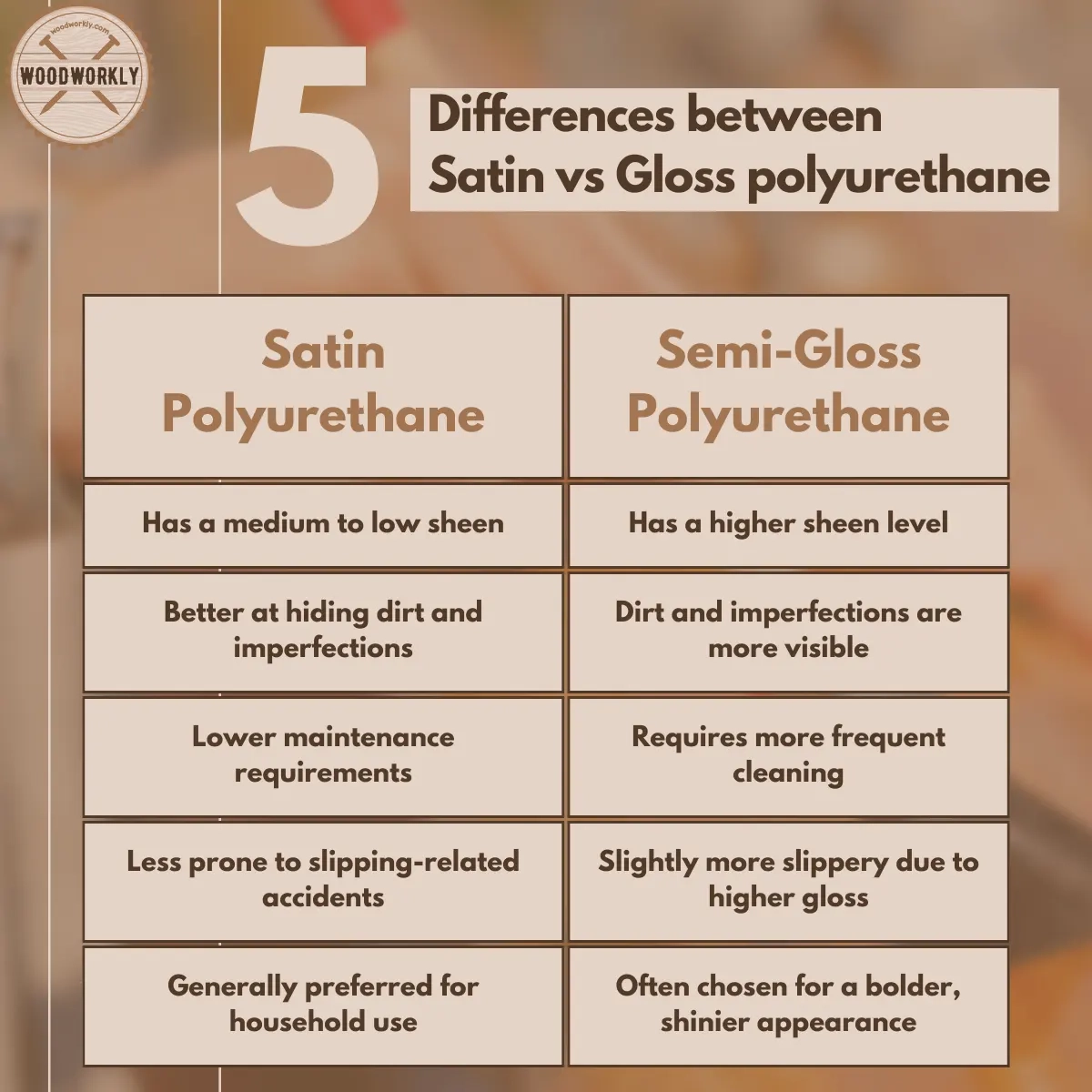
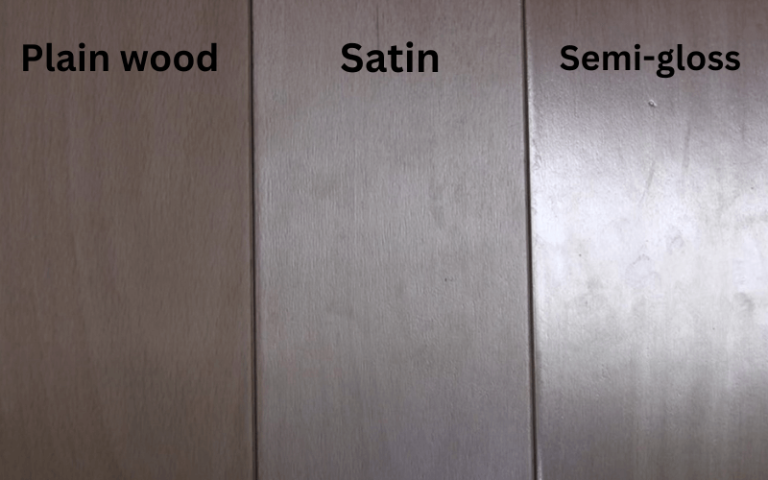
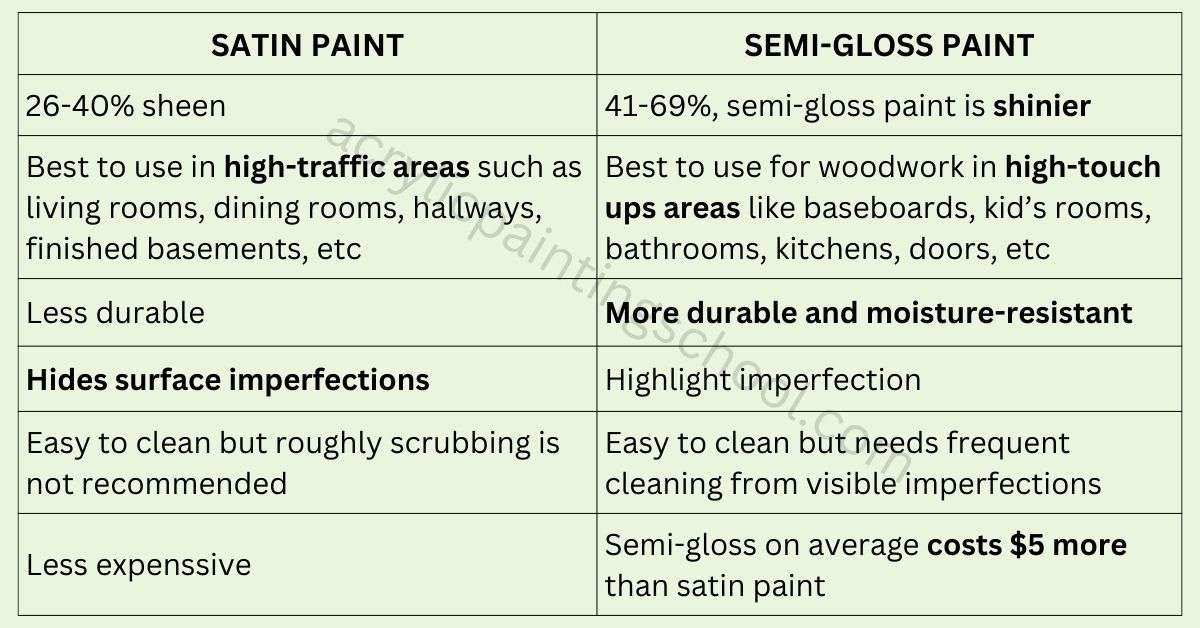
Polyurethane isn't just about protection – it's also about aesthetics. The sheen level you choose can dramatically change how your finished project appears. You'll find options ranging from matte (flat) to high gloss. Matte finishes hide imperfections well and give a more casual, natural appearance. They're popular for living rooms and bedrooms where you want a relaxed vibe. Satin finishes offer a middle ground, providing a subtle shine that's neither too glossy nor too flat. They work great on kitchen cabinets and dining tables where you want something elegant but not overly flashy. High gloss finishes make a bold statement, reflecting light and creating a polished, formal look. These are often chosen for antique pieces or when you want to showcase the beauty of the wood grain. Consider the room's lighting and the overall style of your space when selecting the right sheen level.
Environmental Factors That Influence Your Choice
Before you even think about which polyurethane to buy, consider where you'll be applying it. Humidity levels can significantly impact how well polyurethane adheres to surfaces and how quickly it cures. In very humid environments, water-based polyurethane might not cure properly, leading to sticky spots or poor adhesion. For such conditions, oil-based alternatives often perform better. Temperature also matters – extreme cold or heat can affect the application process and final results. If you're working in a garage or workshop with fluctuating temperatures, oil-based polyurethane tends to be more forgiving. Additionally, consider the level of foot traffic or use the finished piece will receive. A coffee table in a busy family room needs more durability than a decorative picture frame. These factors help determine whether you need a harder finish or one that's easier to repair.
Application Methods and Their Implications
How you apply polyurethane affects both the outcome and your experience. Brushing gives you more control and is ideal for small projects or detailed work. It allows you to work in tight spaces and provides good coverage. However, brushing can leave brush marks that require sanding between coats. Roller application works well for large, flat surfaces like floors or large tabletops. It's faster and produces a smoother finish, though it may not reach corners and edges as effectively. Spray application offers the smoothest finish possible and is excellent for large projects, but it requires proper ventilation and setup. The method you choose impacts not only the final appearance but also the amount of time and effort required. Some people prefer the hands-on approach of brushing, while others appreciate the speed and consistency of rolling or spraying.
Durability Considerations for Different Surfaces
Not all wood surfaces demand the same level of protection. Floors, especially those in high-traffic areas, need a polyurethane that can withstand constant wear, scratches, and spills. These applications benefit from higher build polyurethanes that provide multiple layers of defense. Kitchen countertops and dining tables experience frequent contact with dishes, utensils, and potentially hot items. Here, you want a finish that resists heat damage and chemical stains. Furniture pieces like chairs and side tables may not face the same level of abuse, so a slightly less robust finish could suffice. Consider the wood species you're working with too – softer woods like pine may benefit from extra protection compared to harder woods like oak or maple. The finish you select should match the expected lifespan and usage pattern of each piece.
Cost vs. Longevity: Making Smart Investment Decisions
Polyurethane prices vary widely, and it's easy to get caught up in the cheapest option available. But remember, you're not just buying a product – you're investing in the longevity of your project. Higher-end polyurethanes often provide better protection and last longer, reducing the need for reapplication or repairs. For instance, a premium water-based polyurethane might cost more upfront but could save you time and money over the years if it holds up better against daily wear. On the flip side, budget-friendly options might seem appealing initially, but they could mean more frequent touch-ups or complete recoating sooner than expected. Consider the total cost of ownership rather than just the initial price tag. Factor in labor costs, time spent on maintenance, and potential replacement costs when making your decision.
Selecting the perfect polyurethane finish is both an art and a science. It requires balancing practical considerations like durability, environment, and application method with aesthetic preferences like sheen level and color. By understanding the differences between water-based and oil-based options, considering the specific needs of your project, and thinking about long-term maintenance, you can make choices that will serve you well for years to come. Don't let the variety of options overwhelm you – take time to assess your needs, read labels carefully, and trust your instincts about what looks and performs best for your particular situation. After all, the right polyurethane finish transforms a simple wooden surface into a lasting masterpiece that enhances your space and protects your investment.
Related Posts
What happens to dried ink when clothes go through dryer tumbling
How American Standard HVAC Systems Compare to Trane Brands
Breaking down spray foam insulation costs by type and coverage area

How to Effectively Eliminate Clover from Your Lawn Naturally

The Surprising Reason Why Ladybugs Choose Your House