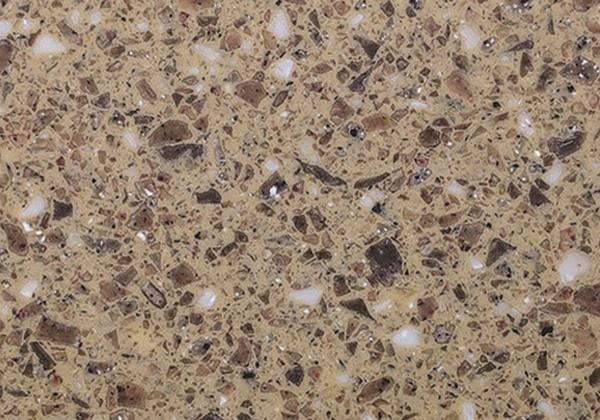
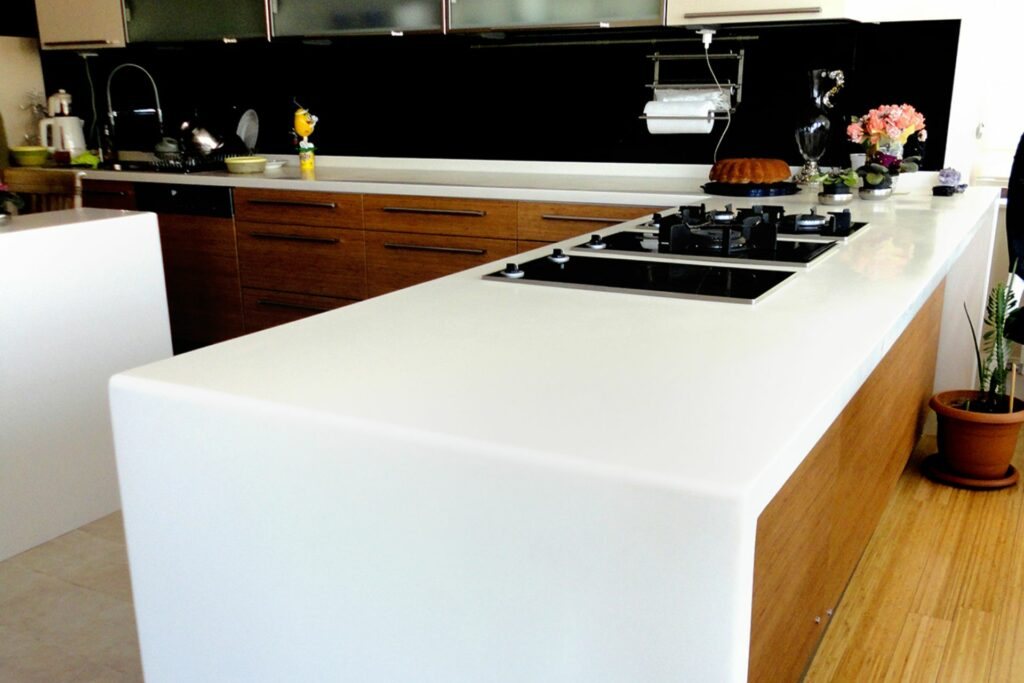
When you think about kitchen surfaces, most people picture granite or marble. But there's a material that's quietly revolutionizing countertops with its unique properties. It's not just about looks – it's about the science that makes it work. Royal reinforced acrylic countertops have become increasingly popular because they combine beauty with surprising strength. What exactly happens at the molecular level that makes these surfaces so tough? Let's dig into the fascinating science behind how these countertops perform.
Royal reinforced acrylic countertops might seem like just another kitchen surface, but they're actually a marvel of modern materials science. These countertops are engineered to withstand the daily rigors of home life while maintaining their aesthetic appeal. Whether you're chopping vegetables, setting down hot pans, or dealing with spills, these surfaces handle it all. But what makes them tick? The answer lies in understanding the molecular structure and engineering principles that go into creating these remarkable materials. Think of it like a superhero costume – it's not just about the fabric, but how it's constructed and what it can do.
Molecular Architecture of Acrylic
At the heart of Royal reinforced acrylic countertops is the molecular structure of acrylic itself. Acrylic is made up of long chains of molecules called polymers. These polymer chains are what give the material its flexibility and strength. When manufacturers create reinforced acrylic, they add special additives and reinforce the polymer chains with additional materials. It's like taking regular spaghetti noodles and adding steel reinforcement bars to make them stronger. The result is a surface that's both flexible enough to resist cracking and hard enough to handle daily wear. The molecular bonds in reinforced acrylic are incredibly strong, which means the material can handle impacts and temperature changes without degrading. This is why these countertops can handle hot pots directly from the stove without warping or melting. The polymer chains are designed to maintain their integrity even when exposed to heat, moisture, and chemicals.
Reinforcement Techniques and Materials
What really sets Royal reinforced acrylic apart is the specific reinforcement techniques used. Manufacturers typically incorporate materials like fiberglass, mineral fillers, or other reinforcing agents into the acrylic matrix. These reinforcements act like tiny support beams within the material. Picture it this way: imagine a bridge made of clear plastic. Without any reinforcement, it would bend easily under weight. But if you add steel cables and concrete reinforcement, it becomes much stronger. The reinforcement materials are carefully chosen based on their compatibility with acrylic and their ability to enhance specific properties. For instance, fiberglass reinforcement adds tensile strength, while mineral fillers contribute to hardness and scratch resistance. The manufacturing process involves mixing these components thoroughly before the material is poured and cured. This ensures uniform distribution of the reinforcing elements throughout the countertop. Quality control during this phase is crucial because any uneven distribution can lead to weak spots in the final product. The combination creates a material that's far more robust than standard acrylic alone.
Impact Resistance Properties
One of the most impressive aspects of Royal reinforced acrylic countertops is their impact resistance. When something hits the surface, the material absorbs and distributes the energy across its structure rather than concentrating it in one spot. This happens because the reinforced molecular structure allows for controlled deformation rather than catastrophic failure. You've probably seen how some materials bend and flex when struck, while others shatter. Reinforced acrylic falls somewhere in between – it's tough enough to handle normal household impacts but flexible enough to avoid cracking. The reinforcement materials act as shock absorbers, spreading out the force of impact. This is particularly important in busy kitchens where cutting boards, pots, and pans might accidentally fall. The material doesn't just bounce back – it maintains its structural integrity. This property is measured using standardized testing methods that simulate real-world conditions. These tests show that reinforced acrylic can handle impacts that would seriously damage other countertop materials.
Thermal Stability and Heat Resistance
Heat resistance is another area where Royal reinforced acrylic excels. Unlike some materials that expand or contract dramatically with temperature changes, reinforced acrylic maintains dimensional stability. This is due to the careful selection of ingredients and the manufacturing process. The thermal expansion coefficient of reinforced acrylic is very low, meaning it doesn't change shape significantly when heated. When you place a hot pan directly on the surface, the material can handle temperatures up to 300°F without any permanent damage. This isn't just about the acrylic base – it's about how the reinforcement materials interact with heat. Some reinforcing agents actually help dissipate heat quickly, preventing localized overheating. The molecular structure is designed to remain stable even when exposed to high temperatures for extended periods. This makes it safe to use without worrying about warping, discoloration, or damage from hot cookware. Many homeowners appreciate this feature because it eliminates the need for trivets or hot pads in many situations.
Chemical Resistance and Durability
The chemical resistance of Royal reinforced acrylic countertops is another key factor in their performance. These surfaces can handle common household chemicals, acids, and bases without breaking down. The molecular structure of acrylic is inherently resistant to many substances that would damage other materials. The reinforcement process doesn't compromise this resistance – instead, it often enhances it. For example, certain mineral fillers can improve resistance to staining from common kitchen substances like coffee, wine, or tomato sauce. The surface remains smooth and easy to clean, with no pores or gaps where bacteria can hide. This makes it an excellent choice for families with children or pets. The chemical resistance also means that cleaning products won't degrade the surface over time. This durability extends the lifespan of the countertop significantly compared to materials that are more susceptible to chemical damage. Testing shows that these countertops maintain their appearance and performance characteristics even after years of exposure to various household chemicals.
Long-Term Performance and Maintenance
When it comes to long-term performance, Royal reinforced acrylic countertops have proven themselves in countless homes. The key to their longevity lies in the combination of materials and manufacturing processes. Proper maintenance helps preserve these properties for decades. Regular cleaning with mild soap and water is usually sufficient to keep the surface looking new. The material resists fading from sunlight exposure better than many alternatives. Some manufacturers even offer warranties that reflect confidence in their long-term performance. The surface doesn't require special treatments or sealers to maintain its properties. This is because the reinforcement is built into the material itself, not applied as a surface coating. This means that even after years of use, the countertop maintains its strength and appearance. Homeowners report minimal maintenance requirements and consistent performance over time. The science behind these countertops ensures that they won't suddenly develop problems after just a few years of use.
Royal reinforced acrylic countertops represent a perfect marriage of science and practicality. Understanding the molecular architecture, reinforcement techniques, and performance characteristics helps explain why these surfaces have become so popular. They're not just pretty faces – they're engineered to last. The impact resistance, thermal stability, and chemical resistance all stem from careful material selection and manufacturing processes. When you choose these countertops, you're choosing a surface that's been designed to handle everything from daily cooking to occasional accidents. The science behind them means they'll continue performing well for many years to come. Whether you're planning a kitchen renovation or simply curious about your countertop choices, knowing how these materials work gives you confidence in your decision. It's not just about looking good – it's about functioning well too. The next time you see someone confidently placing a hot pan on their countertop, remember that they're benefiting from decades of materials science research and development.
Related Posts
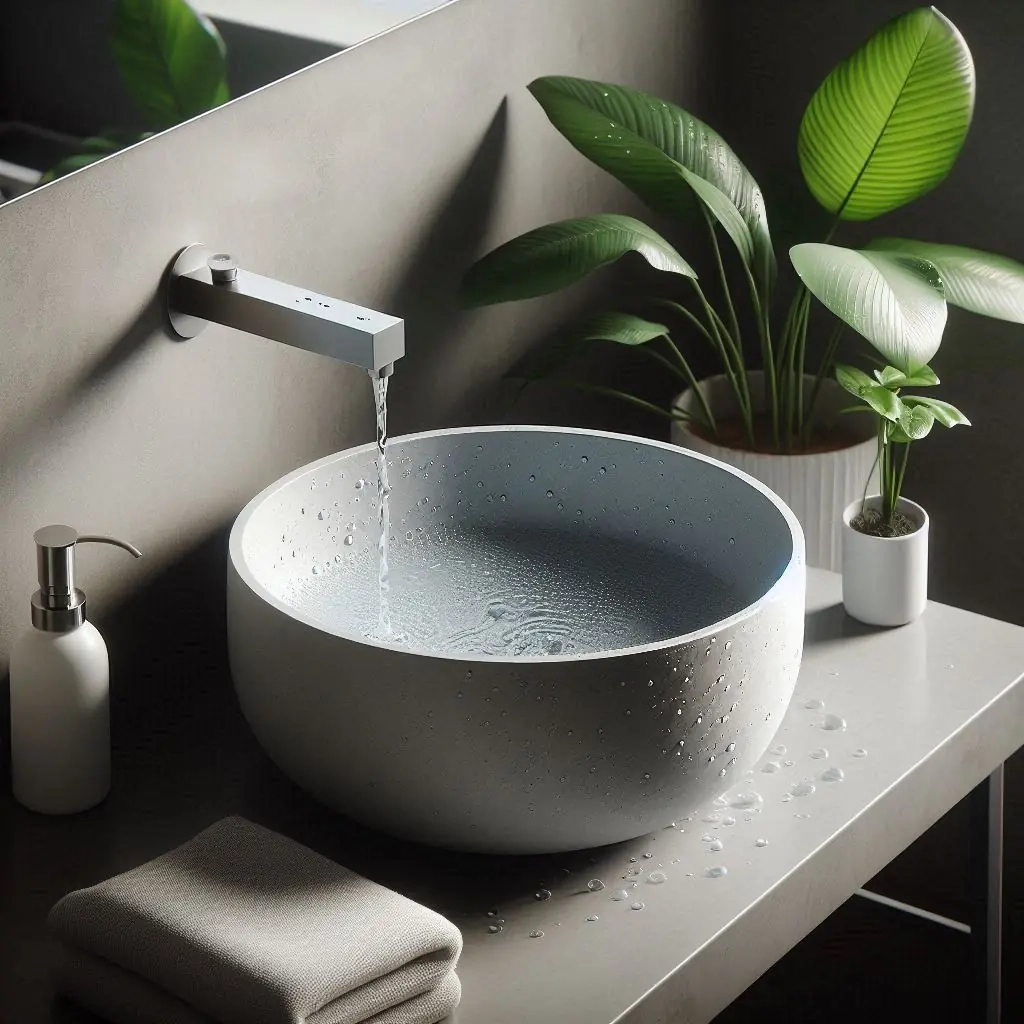
How Ceramic Vessel Sinks Enhance Bathroom Aesthetics and Functionality
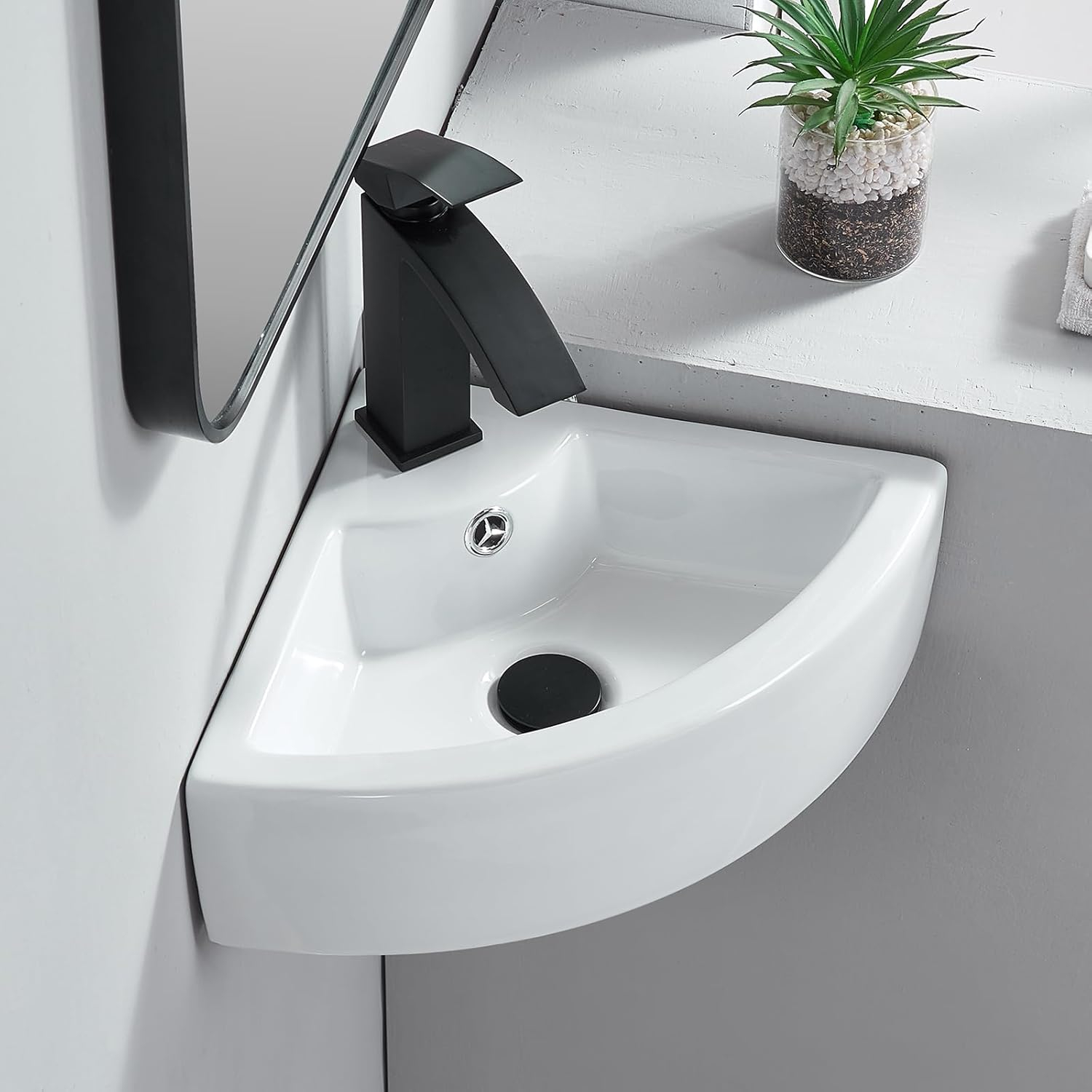
How to Choose the Right Wall Mounted Corner Sink for Your Bathroom Space
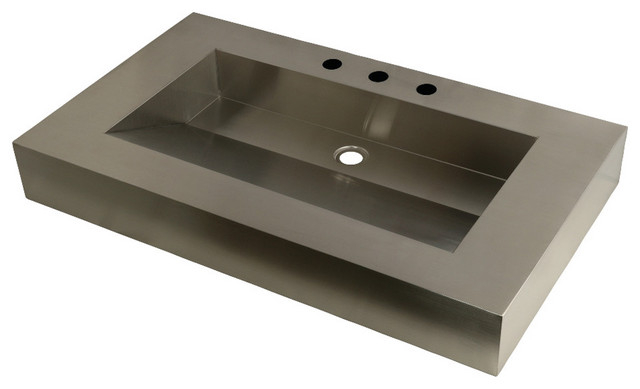
Design and Durability Analysis of the Kingston Brass GLTS37225 Brushed Basin
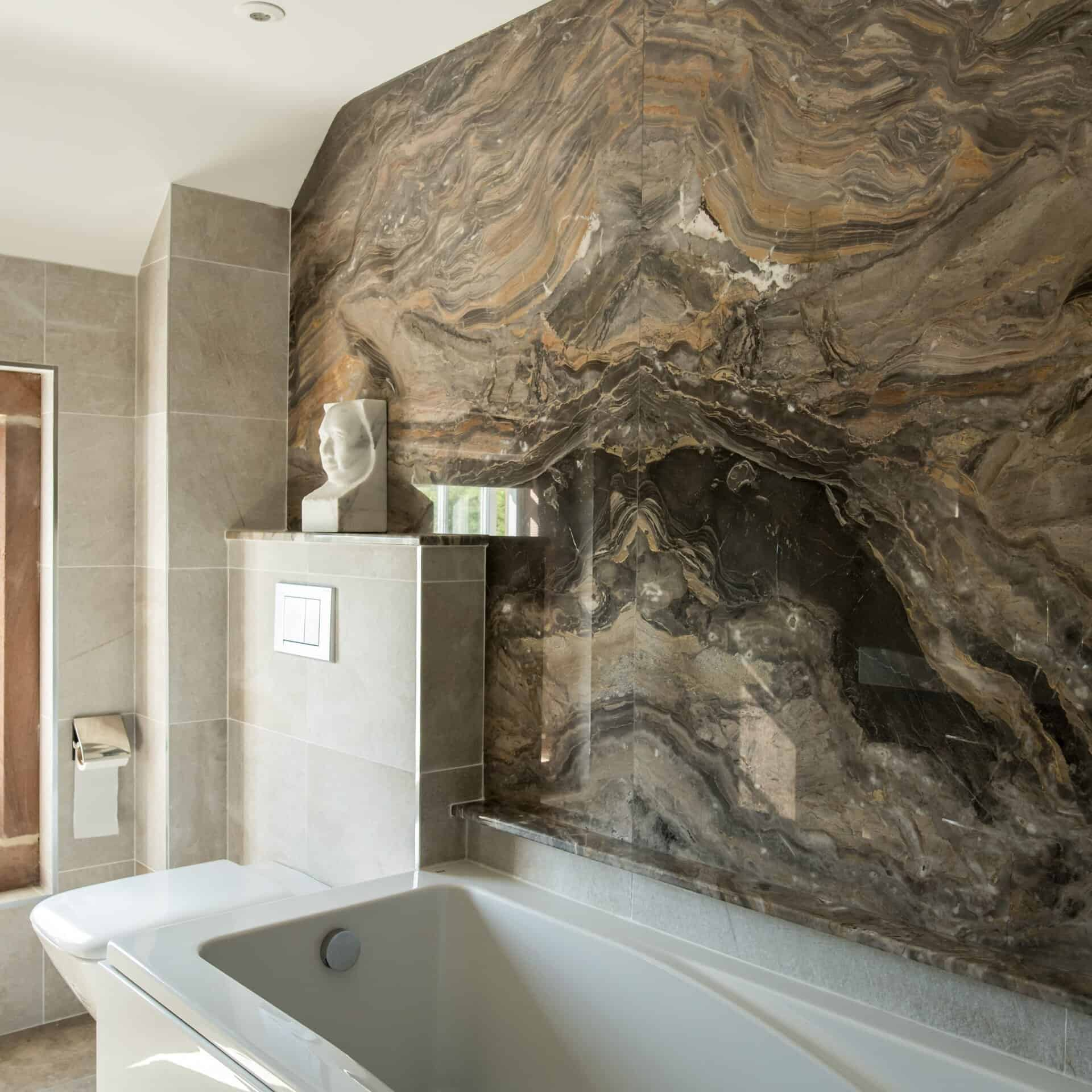
Transforming Your Bathroom with Textured Stone Surfaces
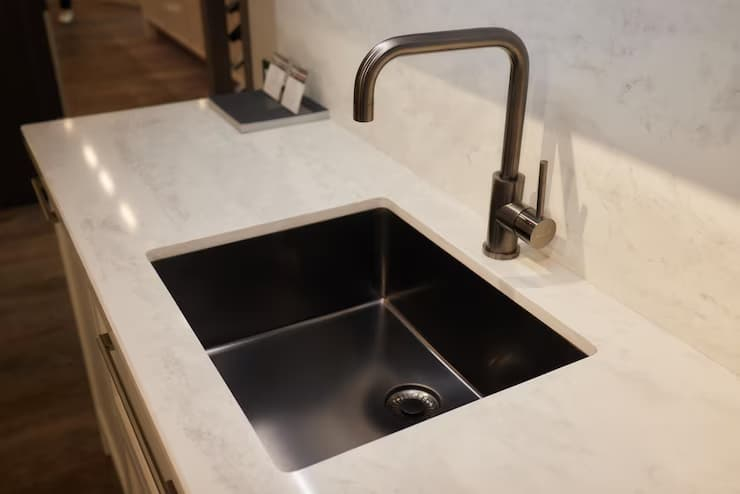
Choosing the Perfect Small Undermount Sink for Your Home Decor