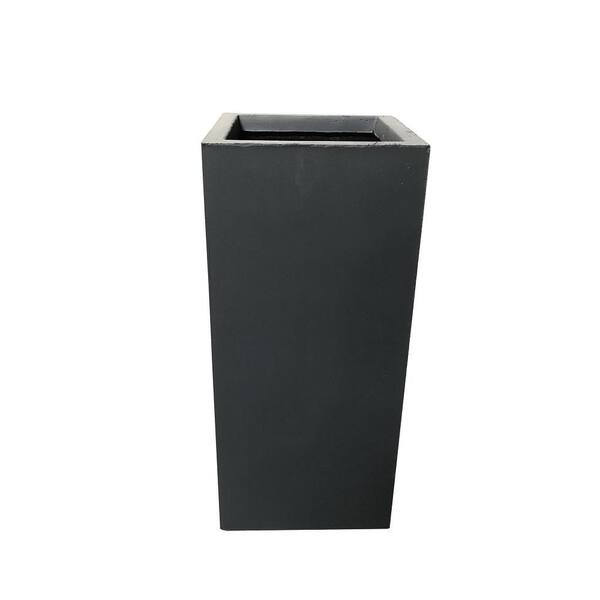
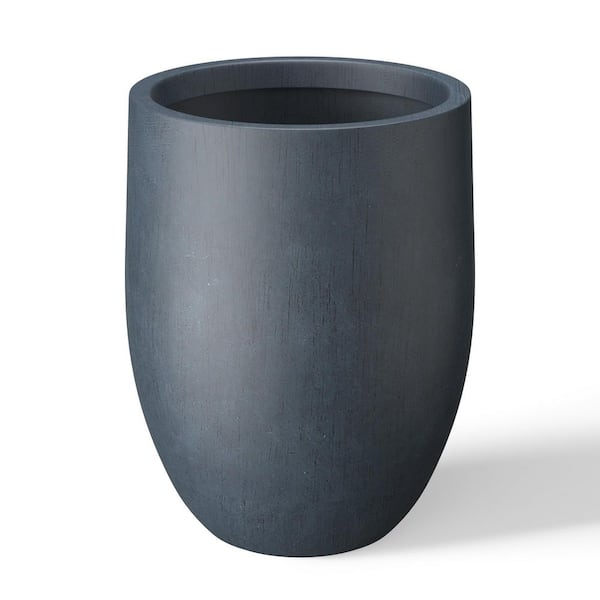
Imagine walking through a garden where every planter has its own personality. These aren't just containers for plants - they're conversation starters, artistic statements, and functional elements that make your outdoor space truly special. Textured concrete planters do more than hold soil and flowers. They add layers of interest, create visual depth, and bring an earthy sophistication that modern gardens crave.
There's something deeply satisfying about watching plants grow in concrete planters that have been carefully crafted to show character. Unlike smooth, mass-produced containers that blend into the background, textured planters demand attention. They invite you to look closer, to notice details, and to appreciate the artistry behind their creation. Whether you're designing a new garden or updating an existing one, these versatile containers offer endless possibilities for adding visual intrigue to your outdoor environment. The key lies not just in choosing the right texture, but understanding how different patterns and finishes interact with light, shadow, and the plants themselves.
Understanding Texture's Impact on Visual Appeal
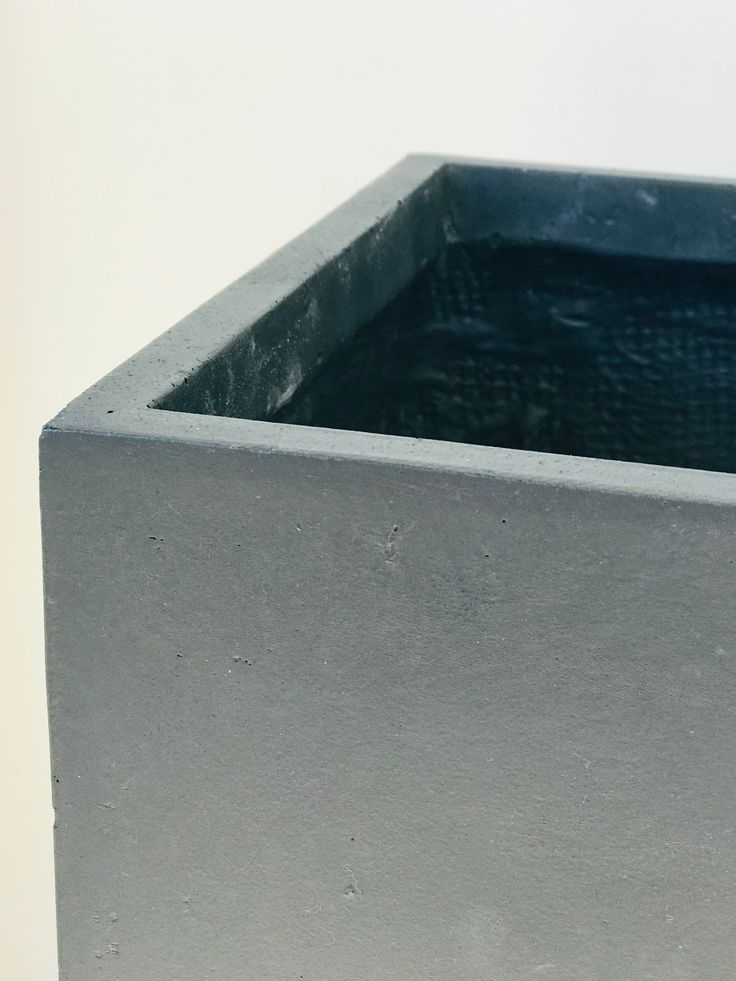
Texture isn't just about touch - it's about how surfaces catch and reflect light. A rough concrete surface creates multiple shadows that shift throughout the day, giving the planter a dynamic quality that changes with the sun's position. Think about how a simple concrete wall can look completely different at sunrise versus sunset. Textured planters amplify this effect dramatically. The irregularities in the surface create a play of light and dark areas that make even the most basic design feel sophisticated.
Consider how a planter with a pebble finish might catch morning sunlight in a way that makes the surface shimmer with tiny reflections. This interplay of light and shadow creates depth that draws the eye across the entire container. It's not just about looking at the planter - it's about experiencing it as a three-dimensional element in your garden space. The texture also helps break up the monotony of uniform plantings, creating visual rhythm that keeps viewers engaged.
Popular Texturing Techniques and Their Effects
Different texturing methods produce entirely different outcomes, each with its own charm and function:
• Hand-troweled surfaces create organic, flowing patterns that mimic natural stone or weathered wood. These tend to be more subtle and elegant, perfect for formal garden settings where you want to maintain a sense of refinement.
• Sandblasting techniques produce a more rugged, industrial look that works well in contemporary or rustic designs. The result is often a surface that feels like it's been naturally worn over time.
• Stenciled or carved patterns allow for more precise control over visual elements. You can create geometric shapes, floral motifs, or even abstract designs that complement your overall garden theme.
• Aggregate exposure shows off the natural stones, gravel, or pebbles mixed into the concrete, creating a more natural, earthy appearance. This technique often gives planters a more organic feel while maintaining structural integrity.
Each approach brings something different to the table, and the best choice depends on your garden's existing aesthetic and the mood you want to create. Some gardeners prefer the understated elegance of hand-troweled textures, while others love the bold statement that sandblasted surfaces make.
Choosing the Right Texture for Your Space
The texture you choose should harmonize with your overall garden design and the surrounding elements. In a minimalist setting, a subtle texture might be ideal. The contrast between smooth plantings and gently rippled concrete can create a pleasing tension that makes both elements more interesting.
For more elaborate gardens, bolder textures can help anchor the space and provide focal points. Consider how a heavily-textured planter might serve as a centerpiece in a grouping of plants. The surface details can draw attention and guide the eye around the garden.
Lighting considerations are also important. Darker textures tend to absorb light and may require more careful placement to ensure they remain visible during evening hours. Lighter textures reflect more light, making them excellent choices for smaller spaces where you want to create the illusion of openness.
Don't overlook how the texture will age. Some surfaces develop patinas over time that enhance their appeal, while others may fade or become less distinct. Understanding these characteristics helps you make choices that will stand the test of time.
Plant Selection That Complements Textured Surfaces
The relationship between plants and textured planters goes beyond mere aesthetics - it's about creating harmony between form and function. Plants with interesting foliage textures can either complement or contrast beautifully with concrete surfaces.
Consider pairing a planter with a soft, feathery fern against a rough, stone-like concrete texture. The contrast between the delicate plant and the bold surface creates visual tension that's both appealing and balanced. Similarly, a plant with thick, waxy leaves might work well against a smoother, more refined concrete surface.
The color of your plants also matters. A vibrant green plant against a neutral concrete surface creates a classic, timeless combination. But a plant with silver or variegated leaves can create striking contrasts that make the texture even more apparent.
Think about how plants will mature. A small, delicate plant might look perfectly proportioned in a textured planter when young, but as it grows, it could overwhelm or underwhelm the container. Planning ahead ensures your garden continues to look intentional and beautiful.
Maintenance and Longevity of Textured Concrete Planters
Proper care extends the life of textured concrete planters significantly. These containers are built to last, but they do require some attention to keep them looking their best. Regular cleaning prevents the buildup of moss, algae, or staining that can dull the surface.
A gentle wash with mild soap and water usually suffices for routine maintenance. For stubborn stains, a soft brush or pressure washer set to low pressure can help without damaging the texture. Avoid harsh chemicals that might erode the surface or change its appearance.
Sealing is often recommended for outdoor concrete planters. A good sealant protects the texture from weather damage and helps maintain the original appearance. However, some gardeners prefer the natural aging process and let their planters develop character through time.
The texture itself can actually help hide minor imperfections. Small chips or scratches don't always mar the overall appearance, especially if they're part of the natural wear pattern. This characteristic makes textured planters particularly forgiving in high-traffic areas.
Creative Applications and Design Ideas
Textured concrete planters open up numerous creative opportunities for garden designers and DIY enthusiasts alike. One popular approach involves creating themed collections - perhaps using different textures to represent various natural elements like water, stone, or earth.
Stacking planters with varying textures creates a layered look that adds visual height to smaller spaces. A smooth planter on top of a rough-textured one can create an appealing contrast that draws the eye upward.
Consider using textured planters in unexpected ways. Instead of traditional planting, some gardeners have used them as decorative features alone, placing them strategically to frame views or define pathways. The texture becomes the main attraction, with plants serving as secondary elements.
Grouping multiple planters together allows you to experiment with how different textures interact. Place a smooth planter next to a ribbed one, then see how the lighting changes the perception of each surface. These experiments can reveal new design possibilities that you might never have considered otherwise.
Textured concrete planters represent more than just gardening accessories - they're artistic elements that can transform any outdoor space into something memorable. The key is understanding how texture affects light, shadow, and visual balance in your garden. When you choose the right texture for your environment and pair it thoughtfully with appropriate plants, these containers become powerful tools for creating visual interest.
Whether you're drawn to the subtle sophistication of hand-troweled surfaces or the bold statement of sandblasted finishes, there's a textured concrete planter that will suit your vision. The investment in quality materials and thoughtful design pays dividends in the lasting beauty they bring to your garden. As you plan your next outdoor project, consider how texture can help tell your garden's story and create moments of visual delight for yourself and visitors alike. The possibilities are as varied as the textures themselves, limited only by imagination and creativity.
Related Posts
How Ceramic Vessel Sinks Enhance Bathroom Aesthetics and Functionality
How to Choose the Right Wall Mounted Corner Sink for Your Bathroom Space
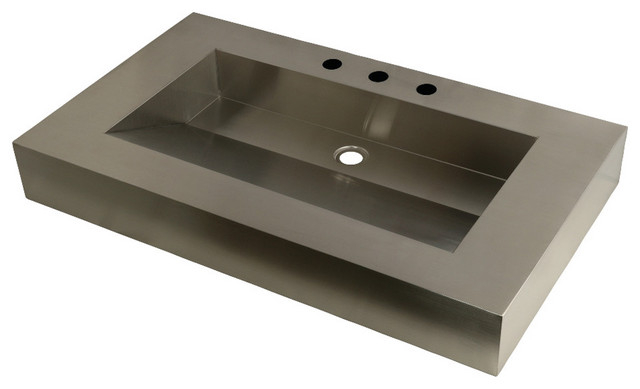
Design and Durability Analysis of the Kingston Brass GLTS37225 Brushed Basin
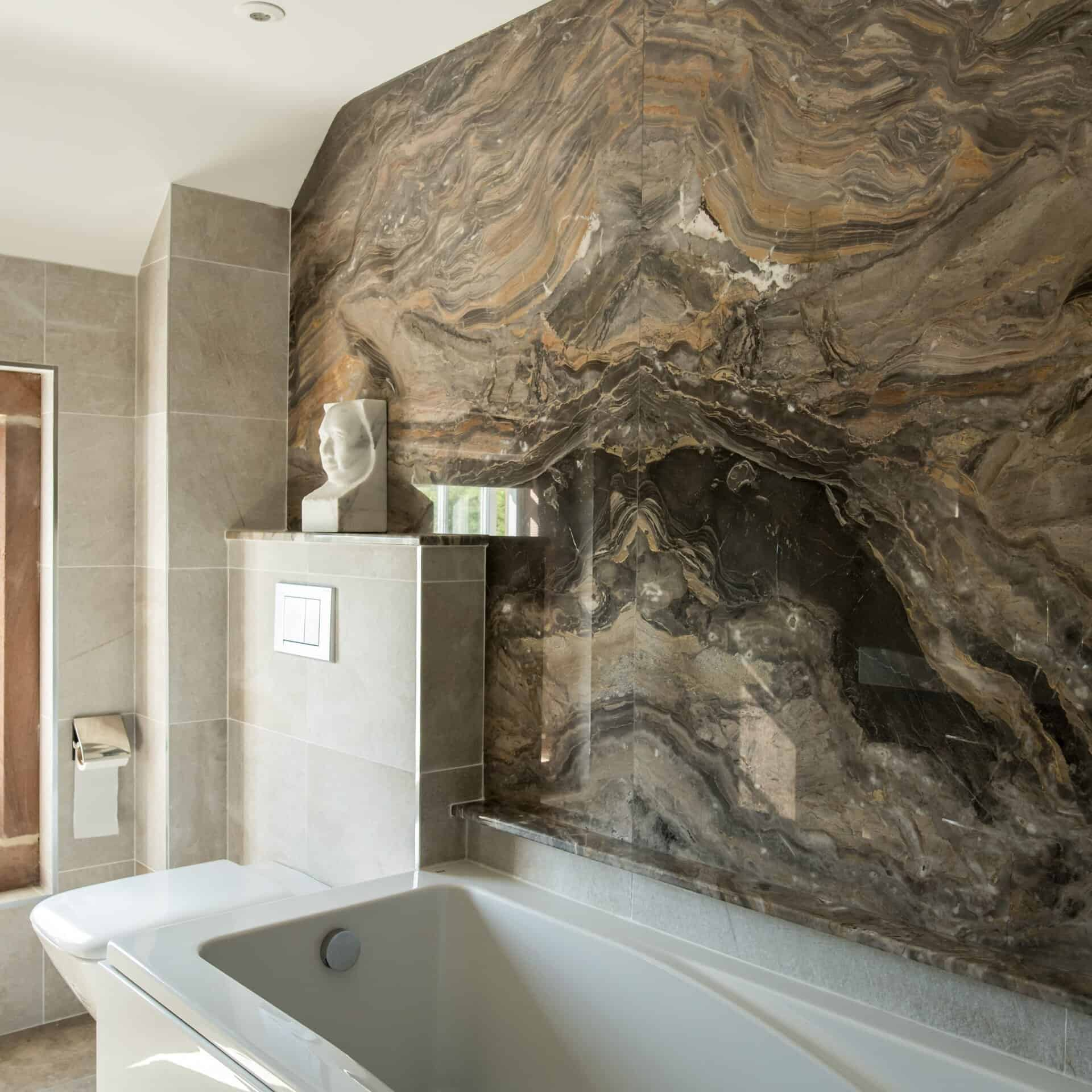
Transforming Your Bathroom with Textured Stone Surfaces
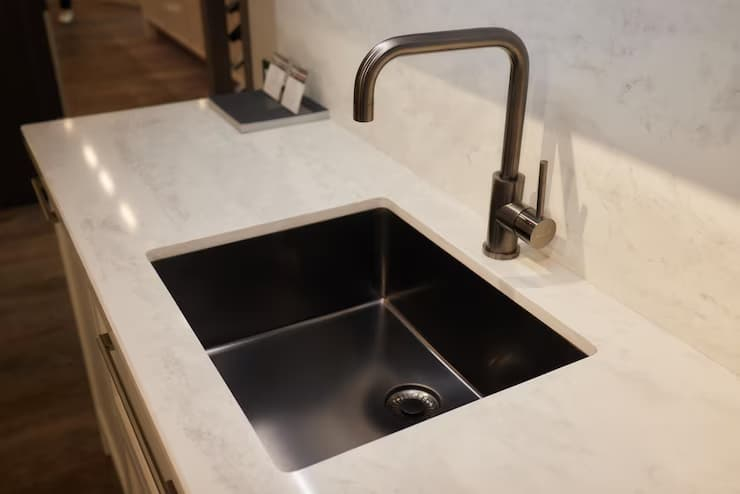
Choosing the Perfect Small Undermount Sink for Your Home Decor