There's something magical about how copper changes over time. It's not just metal - it's a living surface that tells stories through its transformation. Every scratch, every patina, every color shift tells a story of weather, time, and care.
When you first see copper, it gleams bright and shiny. But watch it closely, and you'll notice it starts to change. This isn't just rust or corrosion - it's a beautiful process that gives copper its distinctive personality. Think of it like a person who grows and develops over decades. What began as polished metal gradually transforms into something with deep character and rich history. This evolution happens naturally, and it's one of copper's most captivating qualities.
The Natural Process of Copper Oxidation
Copper doesn't just sit still while aging. It actively reacts with oxygen and moisture in the air around us. This chemical reaction creates a thin layer of copper oxide on the surface. You might know this as the greenish-blue patina that appears on old roofs and statues. But it's not all about the green. The process starts subtly and builds gradually. A few months might pass before you notice anything different. Then suddenly, you'll see a change that makes you pause. The surface begins to look different, almost like it's breathing. This is the beginning of copper's character development. The oxidation process is slow but steady, and it creates a protective layer that actually helps preserve the metal underneath. It's like nature's way of giving copper a second skin.
Factors That Influence Copper Aging Patterns
Not all copper ages the same way. Several elements affect how quickly and in what pattern it develops character. Location matters enormously. Copper exposed to salt air near the ocean will develop different characteristics than copper in dry desert climates. Humidity plays a big role too. High moisture environments speed up the oxidation process dramatically. Temperature fluctuations also influence how fast copper ages. Warmer climates often produce faster color changes than cooler areas. Even the amount of direct sunlight exposure affects the outcome. Some copper finishes will develop richer colors when they receive more sun exposure. The type of copper used also impacts aging. Pure copper ages differently than copper alloys. So if you're planning a project, consider where it will be placed and what environmental conditions it will face. These factors work together to create unique aging patterns that no two pieces will share exactly.
The Color Evolution Journey
Copper's journey through time offers a beautiful palette of colors. Initially, it's bright and shiny - perhaps even silver-white in appearance. Within months, it might begin to show subtle hints of brown or reddish tones. As years pass, the surface develops deeper amber hues. Eventually, many copper surfaces take on a rich brown or chocolate coloration. The most famous example is the green patina seen on historic buildings and monuments. But there are countless variations in between. Some pieces develop a soft blue-green tone, while others turn a warm golden-brown. The key is patience - the full spectrum of colors typically takes several years to develop completely. Each stage looks different and special, but the final result is usually a harmonious blend of various tones. It's like watching a sunset unfold over time.
Understanding Patina Formation
Patina is more than just a color change - it's a complex mixture of chemical reactions and physical processes. When copper oxidizes, it forms layers of different compounds. The outermost layer is often copper carbonate or copper sulfate, which give the characteristic green color. Deeper layers may contain different minerals depending on the environment. This multi-layered approach means that patina isn't uniform across the entire surface. Sometimes you'll see patches of different colors, creating a natural mottled appearance. The formation process can take anywhere from months to years, depending on conditions. Some people even accelerate this process artificially using chemicals. But the most beautiful patinas form naturally over time. They're like nature's own artistry, with each piece telling its own story through its unique patina development.
Practical Considerations for Copper Aging
If you're working with copper, understanding how it ages helps you plan better. For outdoor installations, you'll want to consider what kind of finish you prefer. Some people love the rustic look of aged copper, while others prefer the clean shine of new metal. You can also choose to maintain the original appearance through regular cleaning and protection. But if you want the natural aging effect, you need to be patient. There's no quick fix to get that beautiful patina. It requires time and acceptance of the natural process. Maintenance isn't always necessary, but some people enjoy cleaning their copper periodically to keep it looking fresh. Others embrace the changes completely. The choice depends on personal preference and intended use. Remember, the aging process doesn't damage the copper - it enhances it with character and uniqueness.
Preserving Copper's Natural Beauty
Sometimes, people want to preserve the original appearance of copper rather than let it age naturally. This is perfectly fine, but it requires attention. Regular cleaning with appropriate products keeps copper looking bright. Specialized cleaners remove tarnish and prevent further oxidation. Some people apply protective coatings to slow the aging process. However, if you want to appreciate copper's natural evolution, you might consider letting it develop without interference. Many collectors and designers actually prefer the aged look because it adds warmth and character to spaces. The contrast between new and old copper creates visual interest. It's also worth noting that properly maintained copper can last for centuries. The aging process doesn't mean deterioration - it means transformation into something more interesting and visually appealing.
Copper's ability to age gracefully makes it one of the most fascinating materials in construction and design. The transformation isn't just cosmetic - it's a natural process that creates unique character and beauty. Whether you prefer the bright shine of new copper or the rich patina of aged metal, both have their own appeal. Understanding how copper ages helps you make informed decisions about maintenance and expectations. The key is appreciating that this change is part of what makes copper special. It's not a flaw or a problem - it's the very essence of its character. When you see copper that's developed its own personality through time, you're witnessing something truly remarkable. It's a reminder that beauty often comes through patience and acceptance of natural processes. The aging of copper teaches us that sometimes the most beautiful things happen slowly, with time, and without force.
Related Posts
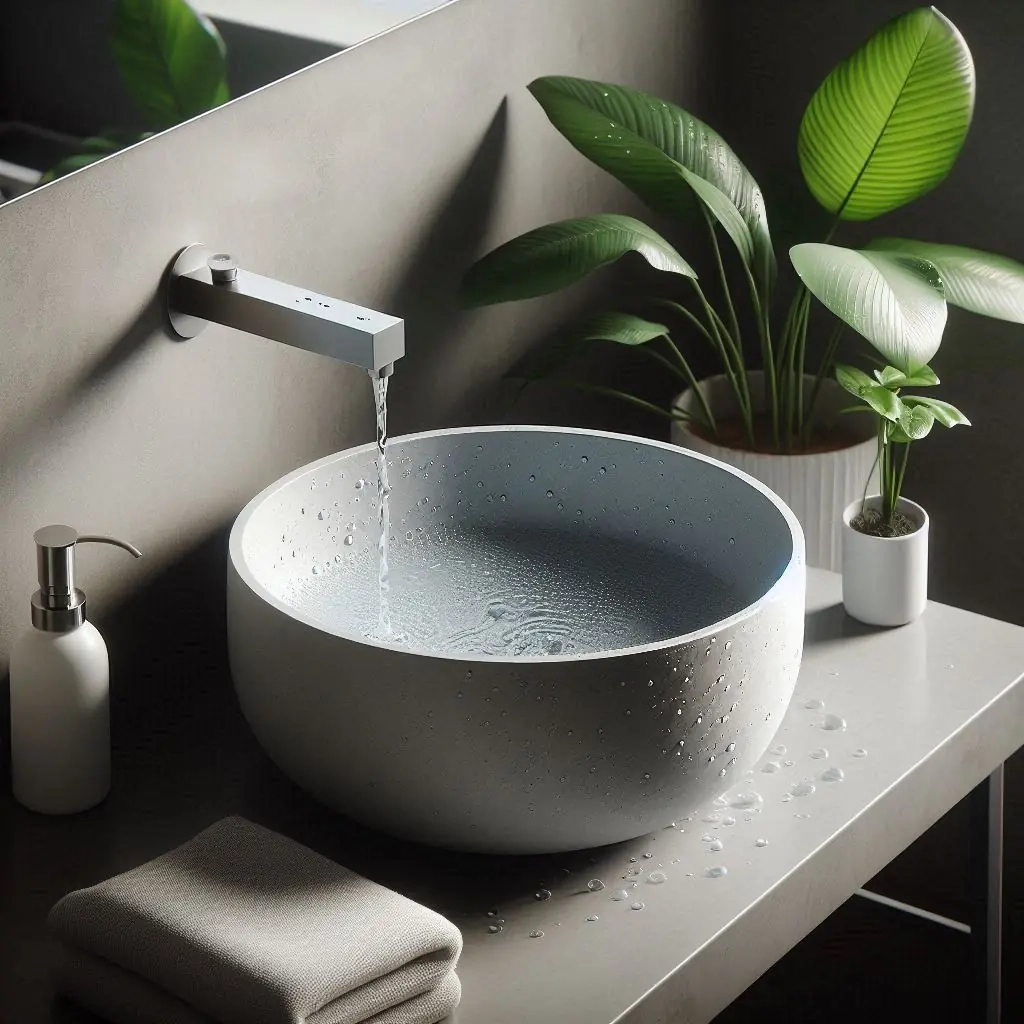
How Ceramic Vessel Sinks Enhance Bathroom Aesthetics and Functionality
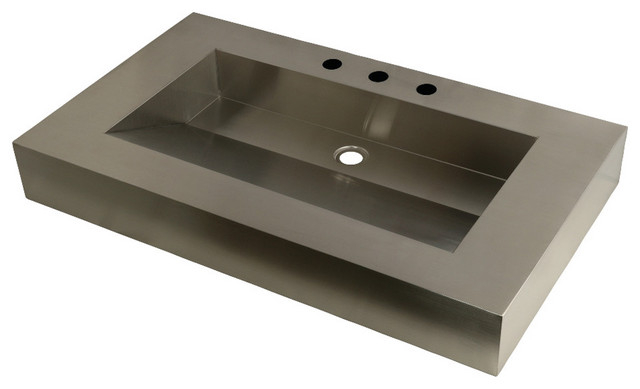
Design and Durability Analysis of the Kingston Brass GLTS37225 Brushed Basin
Choosing the Perfect Small Undermount Sink for Your Home Decor
Material Durability and Maintenance of Kingston Brass VPB24187W4 Ceramic Sink
Expert Insights on Choosing the Right Sink for Your Bathroom Renovation