Every time you turn on the faucet, you're using a piece of art that combines ancient techniques with modern innovation. Ceramic sinks aren't just functional fixtures – they're masterpieces crafted through centuries-old methods refined for today's homes.
Ceramic sinks have been gracing bathrooms for decades, but their creation tells a story of tradition, precision, and artistic vision. These beautiful fixtures start as simple clay and end up as elegant bathroom companions that blend form and function seamlessly. What happens between those two points? Let's take a closer look at how these remarkable pieces come to life.
The Foundation: Clay and Raw Materials
It all begins with clay, the humble starting point that transforms into something extraordinary. Ceramic sink makers source high-quality kaolin clay, which provides the perfect balance of plasticity and strength. This isn't just any old dirt – it's carefully selected and tested for consistency. The clay gets mixed with water and other minerals to create a workable paste. Think of it like kneading dough, but with much more precision. Some manufacturers add materials like feldspar or silica to enhance durability. The mixture must be perfectly balanced – too much water makes it runny, too little makes it brittle. It's almost like baking a cake, except instead of measuring ingredients for flavor, we're measuring them for structural integrity. The clay mixture then sits for hours, allowing the particles to settle and become more manageable.
Shaping the Beauty
Once the clay is ready, the real magic begins. There are several ways to shape ceramic sinks. Hand-building remains popular for custom pieces, where skilled artisans mold each sink individually. This method allows for unique curves and personal touches that mass-produced alternatives simply can't match. For larger production runs, potters often use molds or slip casting techniques. In slip casting, liquid clay is poured into plaster molds, which absorb moisture and leave behind a solid layer. This method creates consistent shapes while still allowing for some artistic variation. Some manufacturers even use computer-controlled machines to ensure exact measurements and uniformity. But regardless of the technique, the shaping process requires patience and skill. A single mistake early on can ruin the entire piece. The artisans must consider how the sink will look when fired, as shrinkage occurs during the heating process. This means they often build the pieces slightly larger than desired. It's like planning a house where you know it will get smaller once built.
Drying and Preparation
After shaping, the sinks must dry slowly and evenly. This step is crucial because rushing it can cause cracking or warping. The pieces are placed in controlled environments where humidity and temperature are carefully monitored. Some manufacturers use special drying chambers that can take days or even weeks. During this phase, the clay loses its moisture content gradually. The process resembles how wet clothes dry on a line, but with much more care. Once dried, the sinks undergo a process called 'bisque firing' in kilns reaching temperatures around 1800 degrees Fahrenheit. This initial firing hardens the clay permanently and prepares it for glazing. It's during this stage that the sink truly becomes ceramic rather than just clay. The temperature and timing must be precise – too hot and the piece melts, too cool and it doesn't harden properly. Many craftspeople consider this the most critical part of the process.
The Glazing Process
This is where ceramic sinks really come alive. Glazing involves applying a thin layer of glass-like coating that makes the surface smooth and easy to clean. The glaze is made from powdered materials like silica, feldspar, and various metal oxides that create different colors and finishes. Artists mix these powders with water to create a slurry that can be sprayed, dipped, or brushed onto the sink. Different techniques produce varying effects – some create glossy surfaces while others offer matte finishes. The glaze must be applied evenly and thick enough to cover all surfaces without running or pooling. After application, the pieces go through another firing at even higher temperatures, typically around 2300 degrees Fahrenheit. This second firing causes the glaze to melt and form a permanent, protective layer. The result is a surface that resists stains, scratches, and daily wear. It's amazing how a simple layer of glaze can transform a basic ceramic piece into something that looks and feels luxurious.
Quality Control and Finishing
Even after firing, ceramic sinks require careful inspection and finishing touches. Quality control teams examine each piece for cracks, chips, or imperfections in the glaze. They check that the sink sits flat and stable, with proper drainage. Some manufacturers test the thermal resistance by exposing sinks to extreme temperature changes. Others evaluate the durability by simulating years of daily use. Surface finish is also crucial – some sinks feature hand-polished edges while others maintain machine-finished smoothness. Final products may also receive additional treatments like anti-scratch coatings or antimicrobial properties. These finishing steps ensure that every sink meets the standards expected by today's consumers. It's not just about looking good – it's about lasting long and performing well. Every sink goes through multiple inspections before leaving the factory.
Modern Innovations and Design Trends
Today's ceramic sink manufacturing has evolved dramatically. New technologies allow for more complex shapes and designs previously impossible. Computer modeling helps designers visualize how sinks will look and perform before any physical construction begins. Some manufacturers now offer customizable options, letting customers choose colors, sizes, and even decorative elements. Smart features like integrated lighting or sound-dampening materials are becoming more common. Environmental concerns have led to innovations in energy-efficient kilns and recycling programs for clay waste. Sustainability practices include using renewable energy sources and reducing water consumption during production. The industry has also embraced digital printing techniques that allow for intricate patterns and realistic textures on sink surfaces. These advances mean that ceramic sinks can now match any bathroom style, from minimalist modern to ornate traditional designs. The possibilities seem endless.
The journey from raw clay to a beautiful ceramic sink represents both ancient craftsmanship and modern innovation. Each step of the process, from selecting the right materials to applying the final glaze, requires attention to detail and skill. These sinks aren't just bathroom fixtures – they're functional art pieces that combine durability with aesthetic appeal. Understanding how they're made gives us a deeper appreciation for their quality and beauty. Whether you're choosing a new sink or simply enjoying your daily routine, remember that behind every smooth surface lies a fascinating story of human creativity and technical mastery. The next time you see a ceramic sink, think about all the hands and minds that helped bring it to life. It's more than just a fixture – it's a testament to human ingenuity and the timeless appeal of good design.
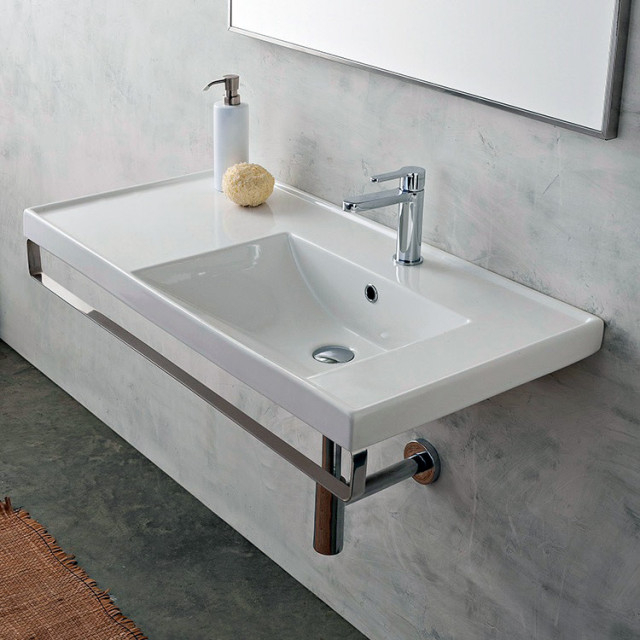
Related Posts
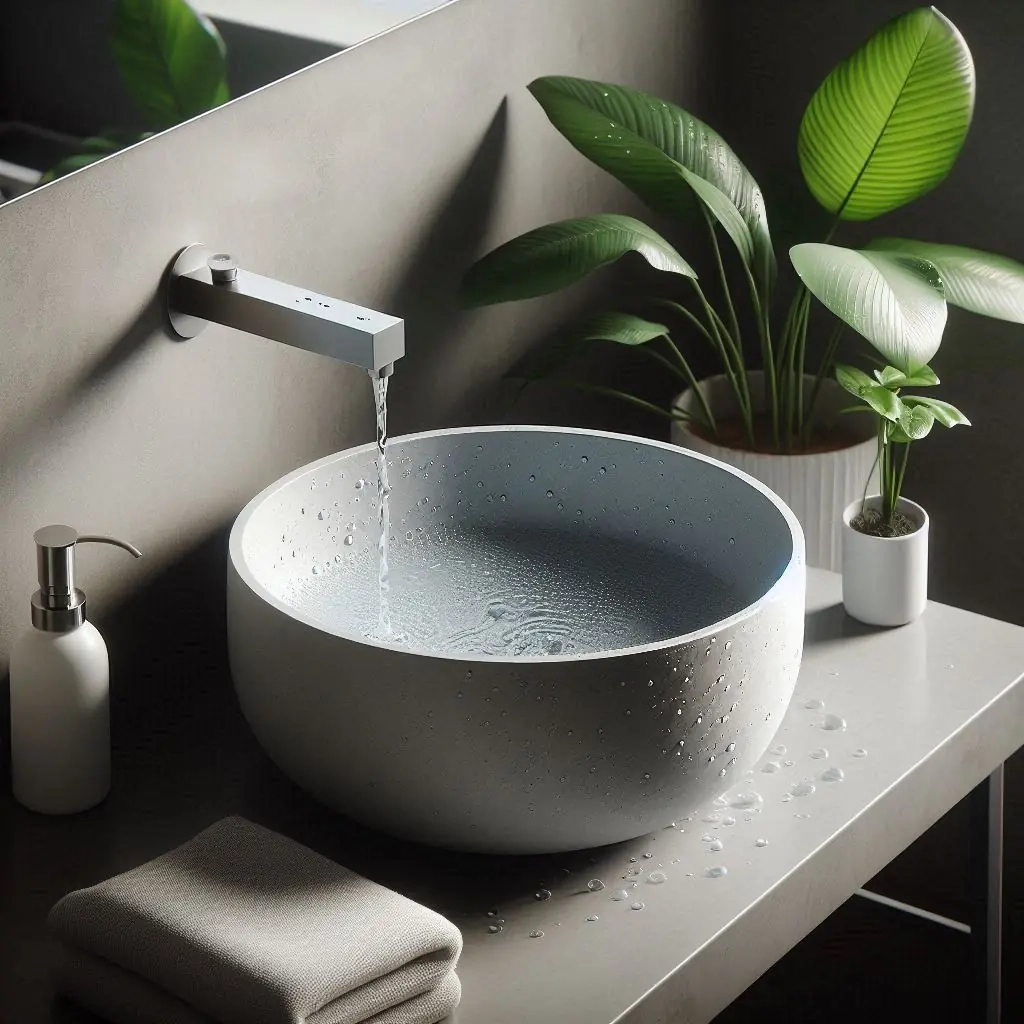
How Ceramic Vessel Sinks Enhance Bathroom Aesthetics and Functionality
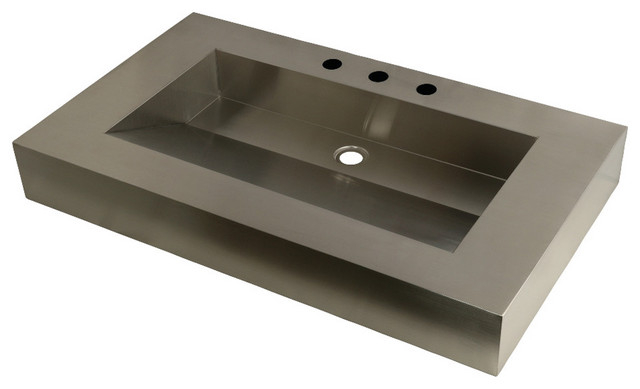
Design and Durability Analysis of the Kingston Brass GLTS37225 Brushed Basin
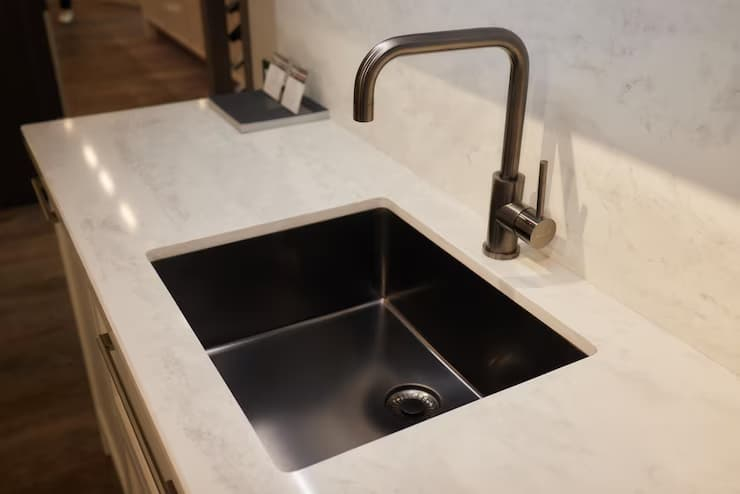
Choosing the Perfect Small Undermount Sink for Your Home Decor
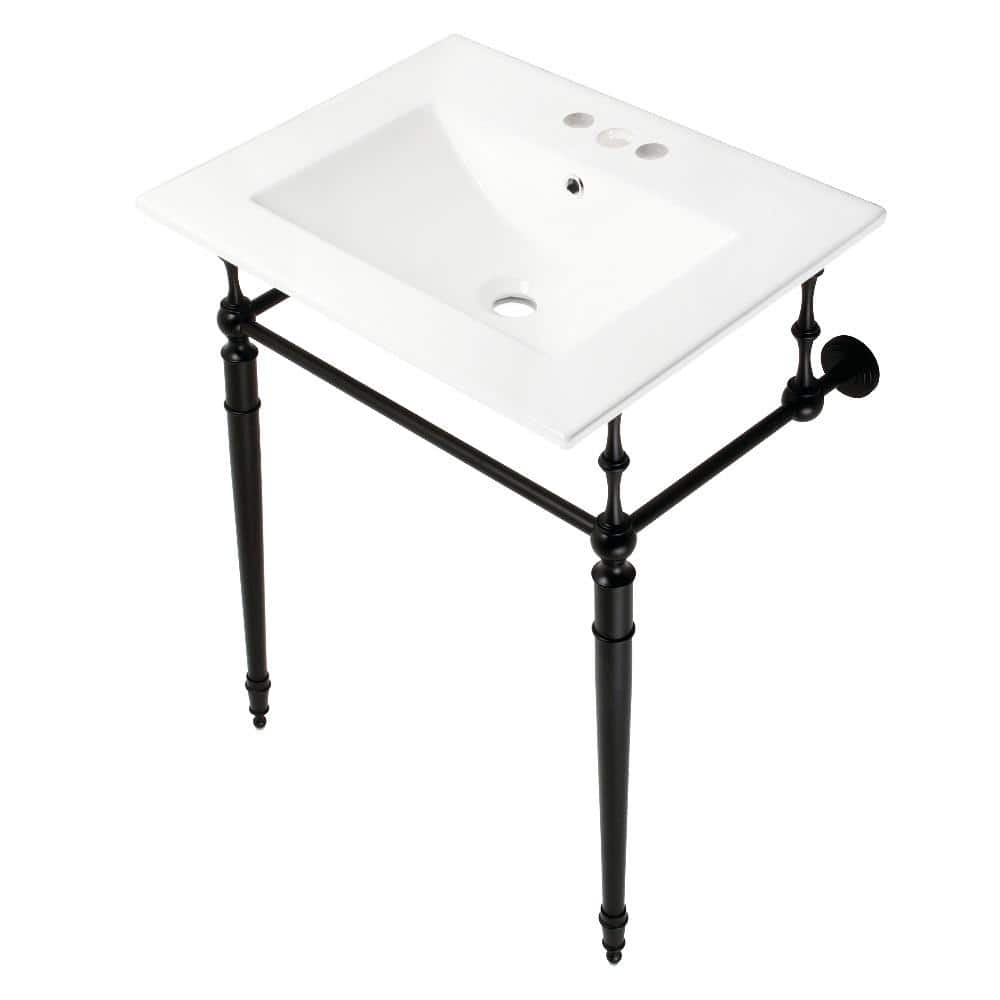
Material Durability and Maintenance of Kingston Brass VPB24187W4 Ceramic Sink

Expert Insights on Choosing the Right Sink for Your Bathroom Renovation