Planning a galley kitchen can feel overwhelming. You've got limited space, multiple appliances, and the challenge of creating a workflow that makes sense. But many people make some classic errors that end up costing them time, money, and sanity. What if we told you that avoiding just a few key mistakes could transform your kitchen from frustrating to fantastic?
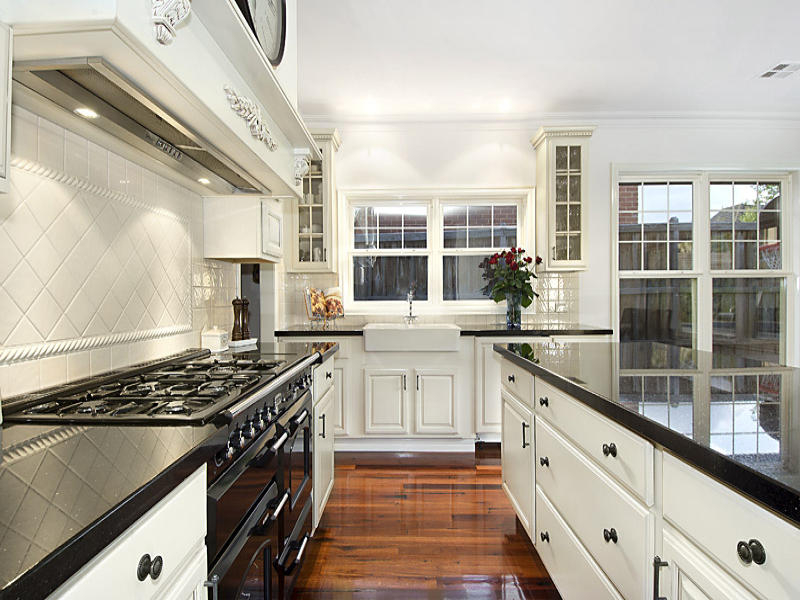
Galley kitchens are the classic narrow layout found in smaller homes, often running along one wall or two walls. They're efficient and practical, but they demand careful planning. Many people dive into designing their galley kitchen without understanding the fundamentals. It's like trying to build a house without knowing the basics of architecture. The result? A kitchen that looks good on paper but fails in real life. The good news? With a little knowledge, you can avoid the most common missteps.
Mistake #1: Ignoring the Work Triangle
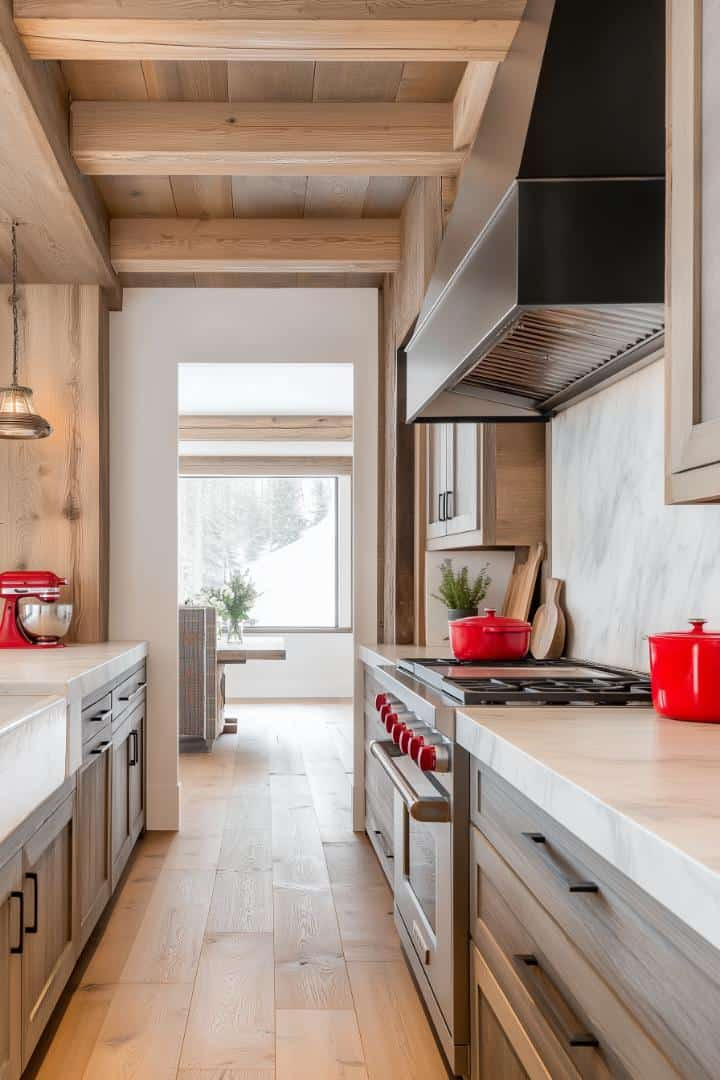
The work triangle is the foundation of every good kitchen. It refers to the three main stations: sink, refrigerator, and stove. In a galley kitchen, this triangle becomes even more critical because you have less room to maneuver. If you place your appliances too far apart or in odd positions, you'll find yourself walking around in circles. Imagine cooking dinner while your partner is doing dishes. That's what happens when you ignore the work triangle. The ideal distance between each station is between 4 and 6 feet. This allows for easy movement and prevents bottlenecks. You might think you're saving space by placing your fridge next to your stove, but that's a recipe for disaster. The heat from the stove will make your fridge work harder, and you'll end up with a mess.
Mistake #2: Underestimating Storage Needs
Storage is where galley kitchens really show their teeth. People often assume they know how much space they need, but they quickly realize they were wrong. You're going to need cabinets, drawers, and shelves that actually work. Think about all those pots, pans, and gadgets you've accumulated over the years. A typical galley kitchen needs at least 20 square feet of storage per person. That's not including the pantry or additional storage areas. Many people forget that storage isn't just about quantity. It's about accessibility. You want to be able to reach everything easily. Pull-out drawers and adjustable shelves can make a huge difference. If you're planning a galley kitchen, ask yourself: How many people will use it regularly? How much do you cook? What are your actual daily routines? These questions help determine the right amount of storage for your situation.
Mistake #3: Poor Lighting Choices
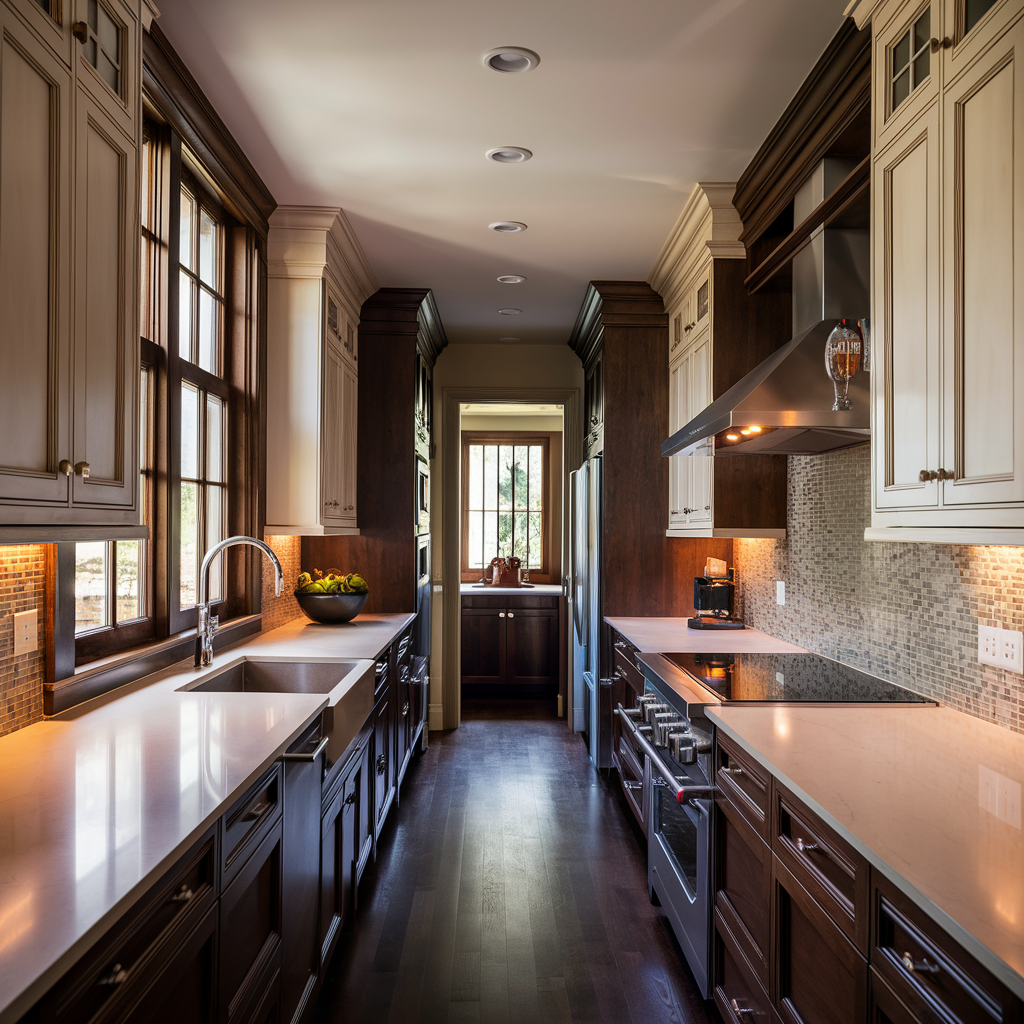
Lighting in a galley kitchen is crucial. Not just for visibility, but for safety and comfort. Many people make the mistake of relying solely on overhead lighting. That's like trying to see in a dark cave with a flashlight. Good lighting involves layers. You need ambient lighting for general illumination, task lighting for specific activities, and accent lighting for atmosphere. For example, under-cabinet lights are essential for food prep. They prevent shadows and make your work surface visible. Consider installing dimmer switches so you can adjust the light levels based on the time of day or activity. Some people think they can get away with cheap LED strips, but these often create harsh glare and uneven lighting. Invest in quality fixtures that provide both brightness and warmth. You'll notice the difference when you're chopping vegetables at 8 PM after a long day.
Mistake #4: Neglecting Workflow Efficiency
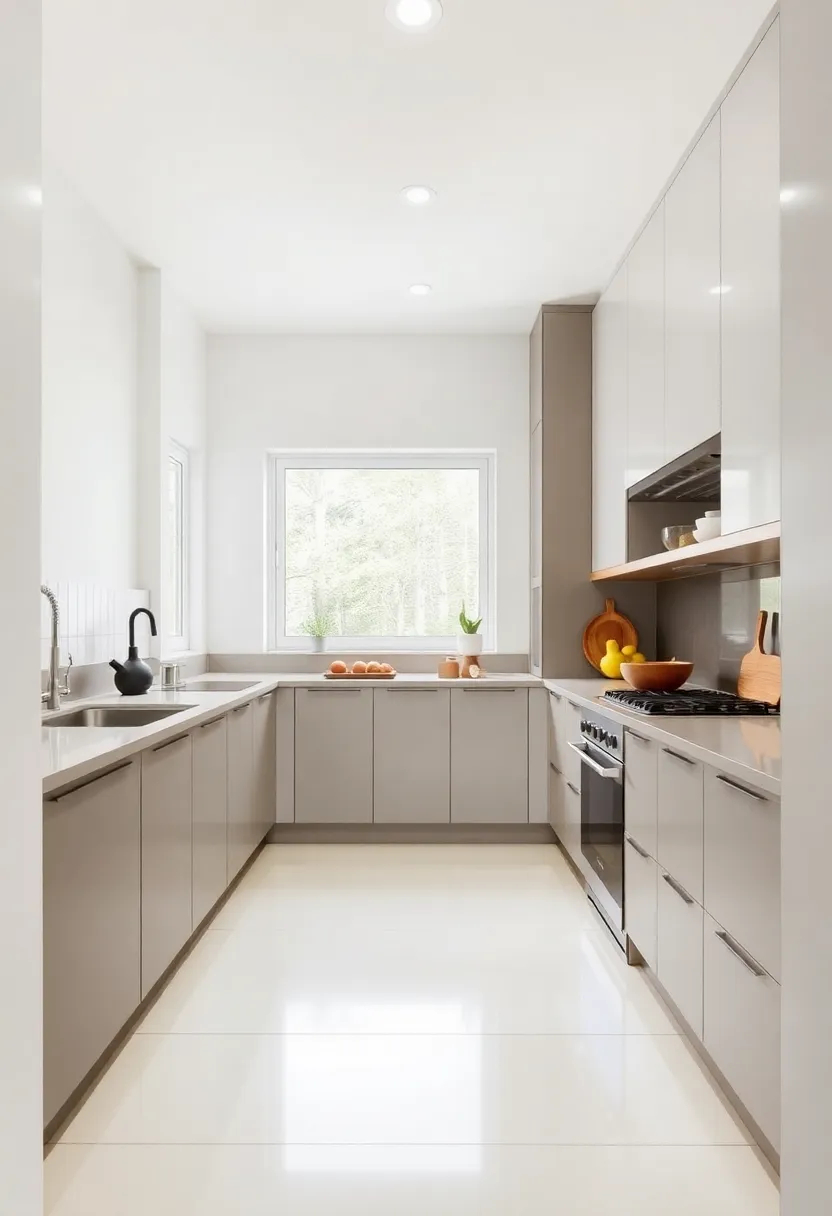
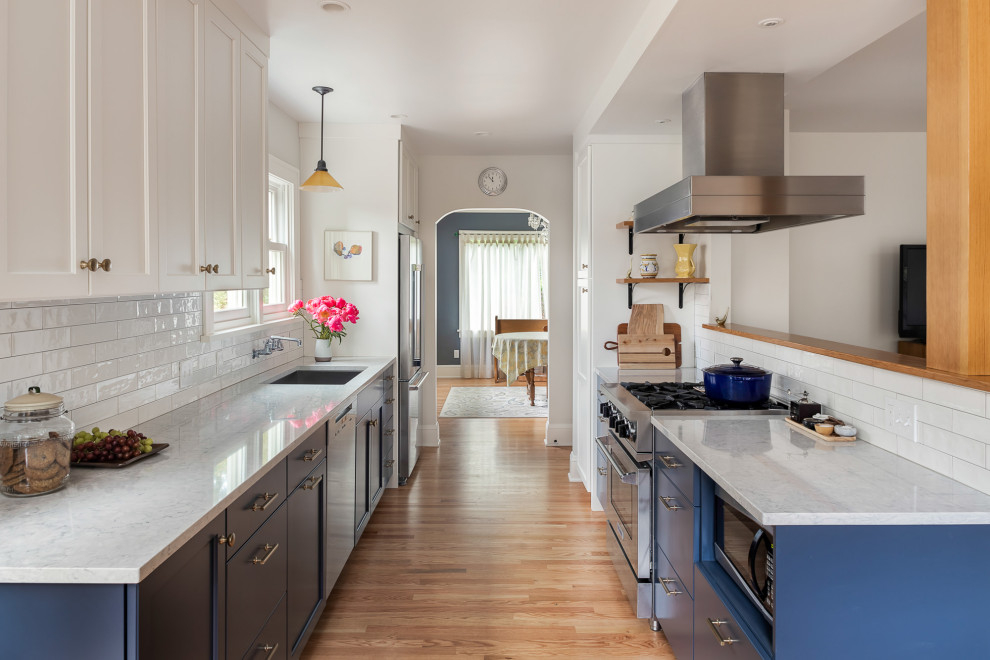
Workflow efficiency is what separates a chaotic galley kitchen from a smooth-running one. You want to minimize steps and maximize convenience. This means thinking about how you move through the space. Do you usually prepare ingredients at the sink? Then make sure there's enough counter space nearby. Are you the type who likes to keep everything within arm's reach? Then plan accordingly. One common error is placing items in locations that don't make logical sense. For instance, putting your cutting board near the stove but your knife block in the opposite corner. This creates unnecessary movement. Another issue is poor counter space distribution. You should aim for at least 36 inches of countertop per person in your kitchen. This ensures you have room to prep ingredients and move around comfortably. Consider using the island or peninsula concept if you have space, as it provides extra prep area and a place to sit.
Mistake #5: Choosing the Wrong Materials
Materials matter in a galley kitchen. You're dealing with moisture, heat, and constant use. Some materials simply won't hold up. People often choose attractive materials that look great but aren't practical. For example, wood countertops might seem elegant, but they're prone to water damage and scratches. Stainless steel appliances are durable but can show fingerprints easily. Tile backsplashes are beautiful but require regular cleaning. Before choosing materials, consider how much maintenance you're willing to put up with. Also, think about durability. Your kitchen will be used daily, so it needs to withstand wear and tear. Stone countertops are popular because they're durable and easy to clean. However, they can be expensive and heavy. Laminate offers a good middle ground, being affordable and reasonably durable. The key is matching your material choices to your lifestyle and budget.
Mistake #6: Overlooking Electrical and Plumbing Needs
This is probably one of the most overlooked aspects of galley kitchen planning. Electrical outlets and plumbing connections are essential for modern appliances. Many people assume that the existing setup will work, only to discover later that they need to run new lines. That's expensive and disruptive. Plan ahead for your appliances. Count how many you have and where they'll go. Will you have a microwave, dishwasher, garbage disposal, and coffee maker? Each of these requires dedicated electrical circuits. You also need to consider water supply lines. If you're adding a new sink or changing the layout, you might need to reconfigure plumbing. Don't wait until the last minute to check these details. It's better to spend time upfront ensuring everything works than to deal with expensive surprises later. A qualified electrician and plumber can save you from major headaches.
Designing a galley kitchen successfully takes thought, planning, and attention to detail. Avoiding these common mistakes can save you from frustration and costly changes down the road. Remember, the goal is to create a space that works for you, not against you. Take your time with the planning phase. Measure twice, think thrice, and consult professionals when needed. A well-planned galley kitchen can be the heart of your home, bringing joy and functionality to your daily routine. Don't let simple oversights ruin your dream kitchen. Every small decision matters, from the placement of your appliances to the color of your backsplash. The investment in proper planning pays dividends in happiness and efficiency for years to come.
Related Posts

What happens to dried ink when clothes go through dryer tumbling

How American Standard HVAC Systems Compare to Trane Brands

Breaking down spray foam insulation costs by type and coverage area

How to Effectively Eliminate Clover from Your Lawn Naturally

The Surprising Reason Why Ladybugs Choose Your House