Everyday objects often carry the most profound impact on our lives. The chair we sit on while eating dinner, the armrest that supports our elbow during conversation, or the way a seat feels against our skin – these small details shape our daily experiences. Today, we'll look at two particular designs that have captured attention for their ability to blend comfort, function, and aesthetic appeal in ways that make ordinary moments feel special.
When we think about design, we often picture grand statements – towering buildings, flashy art installations, or innovative gadgets that seem like they belong in a museum. But some of the most powerful design work happens in the quiet spaces between those big moments. It's in the chair that holds us steady during a family meal, or the one that lets us lean back and relax after a long day. The Anaya Dining Armchair and the Bergen Olive represent this kind of thoughtful approach to everyday design. They're not just furniture – they're solutions to problems we all face every single day.
The Foundation of Good Design
Great design starts with understanding people's needs. It's not enough to make something pretty – it must work well. The Anaya Dining Armchair exemplifies this principle through its careful attention to how people actually sit. The designers looked at how bodies move, how weight distributes, and what makes sitting comfortable for extended periods. What they found was that many dining chairs failed because they were designed more for looks than function. The Anaya solves this by incorporating ergonomic principles that support the natural curves of the body. The armrests aren't just decorative – they provide real physical support, reducing strain on arms and shoulders during meals. This might sound simple, but it's a fundamental shift from traditional approaches to dining chair design.
Material Matters
The choice of materials says a lot about a product's philosophy. Both the Anaya and the Bergen Olive demonstrate how material selection can elevate everyday items beyond their basic purpose. The Anaya uses high-quality wood that ages gracefully, showing wear in ways that tell a story rather than simply deteriorating. The wood grain becomes part of the chair's character over time, creating a unique patina that reflects its history. Meanwhile, the Bergen Olive takes a different approach, using sustainable materials that align with modern values while maintaining durability. These choices aren't just about aesthetics – they're about creating products that last, that respect both the environment and the user's investment. When you buy something built to last, you're investing in a relationship that extends far beyond the purchase itself.
Cultural Context in Design
What makes these chairs special isn't just their physical attributes, but how they connect to cultural values and lifestyle preferences. The Anaya Dining Armchair speaks to people who value tradition and craftsmanship. Its design draws inspiration from classic woodworking techniques, updated for contemporary living spaces. You'll notice the clean lines, the careful joinery, and the attention to detail that reflects a deep respect for the craft. The Bergen Olive, on the other hand, appeals to those who want their furniture to reflect their environmental consciousness. It represents a shift toward design that considers not just what we want to buy, but what we want to support. Both approaches show how good design can reflect personal values and lifestyle choices in subtle but meaningful ways.
Function Meets Form
One of the hardest things to achieve in design is balancing form and function without compromising either. The Anaya succeeds in this balance by creating a chair that doesn't just look good, but works well too. The seat height is carefully calculated to work with standard dining tables, ensuring that users don't have to adjust their posture or strain their backs. The armrests are positioned at just the right angle to provide support when needed, without interfering with movement. The Bergen Olive takes this concept further by incorporating modular elements that allow the chair to adapt to different spaces and situations. This flexibility means the chair can grow with the user's needs, whether they're hosting dinner parties or enjoying quiet meals alone.
The Psychology of Everyday Objects
We often underestimate the psychological impact of the objects we surround ourselves with. A well-designed chair can influence mood, posture, and even social interaction. The Anaya creates a sense of permanence and comfort that makes people want to linger at the table. Its design encourages conversation and connection, which is exactly what a dining room should do. The Bergen Olive, meanwhile, offers a more minimalist approach that reduces visual clutter and promotes mindfulness. Both designs recognize that furniture isn't just about providing a place to sit – it's about creating environments that support positive human experiences. The difference between a functional chair and a meaningful one often comes down to these psychological factors.
Sustainability and Longevity
Modern consumers are increasingly aware of the environmental impact of their purchases. The Anaya and Bergen Olive address this concern head-on by focusing on longevity and sustainability. The Anaya is built to last decades, with quality materials and construction methods that ensure it won't need replacement anytime soon. The designers chose materials that age well and can be repaired if necessary, rather than discarded. The Bergen Olive takes sustainability even further by using recycled materials and designing for circularity. This means that when the chair eventually reaches the end of its useful life, its components can be repurposed rather than contributing to waste. These considerations show that good design isn't just about the present moment – it's about considering future impacts as well.
The Anaya Dining Armchair and the Bergen Olive prove that exceptional design doesn't require dramatic gestures or revolutionary concepts. Sometimes the most powerful design work happens in the spaces between big ideas – in the careful consideration of how people actually live, work, and interact with their surroundings. These chairs succeed because they solve real problems with thoughtful solutions that enhance daily experiences. Whether you're drawn to the traditional craftsmanship of the Anaya or the forward-thinking sustainability of the Bergen Olive, both represent the best of what design can offer: objects that make everyday moments better. The secret isn't in the complexity of the design, but in the simplicity of addressing fundamental human needs with genuine care and attention to detail. The next time you sit down to eat, remember that the chair beneath you might be doing more than you realize – it might be making your entire experience more enjoyable.


Related Posts

Kitchen Island vs Peninsula Compared for Flow Storage and Everyday Use
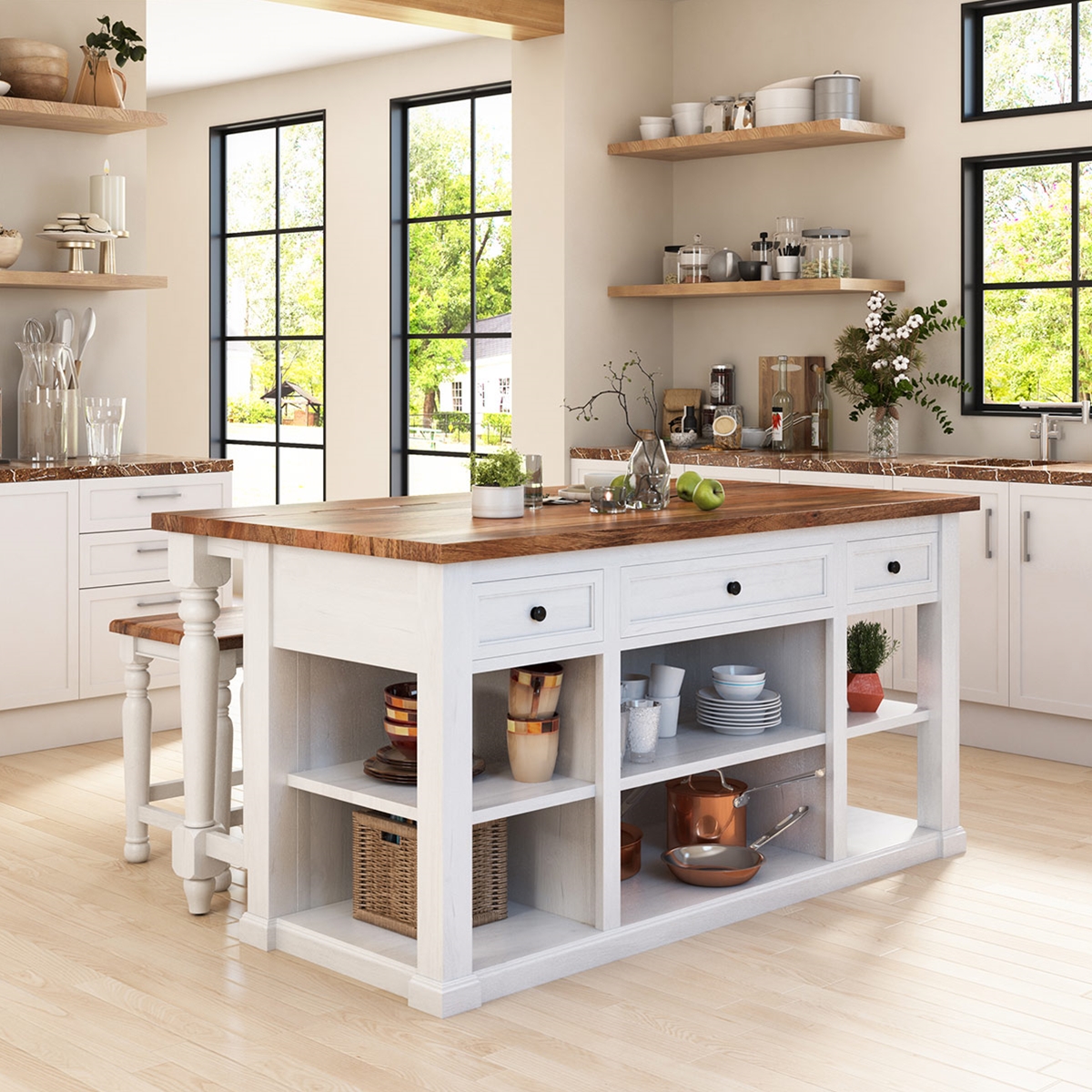
Smarter Ways to Plan a Functional Kitchen Island for Modern Living in 2026
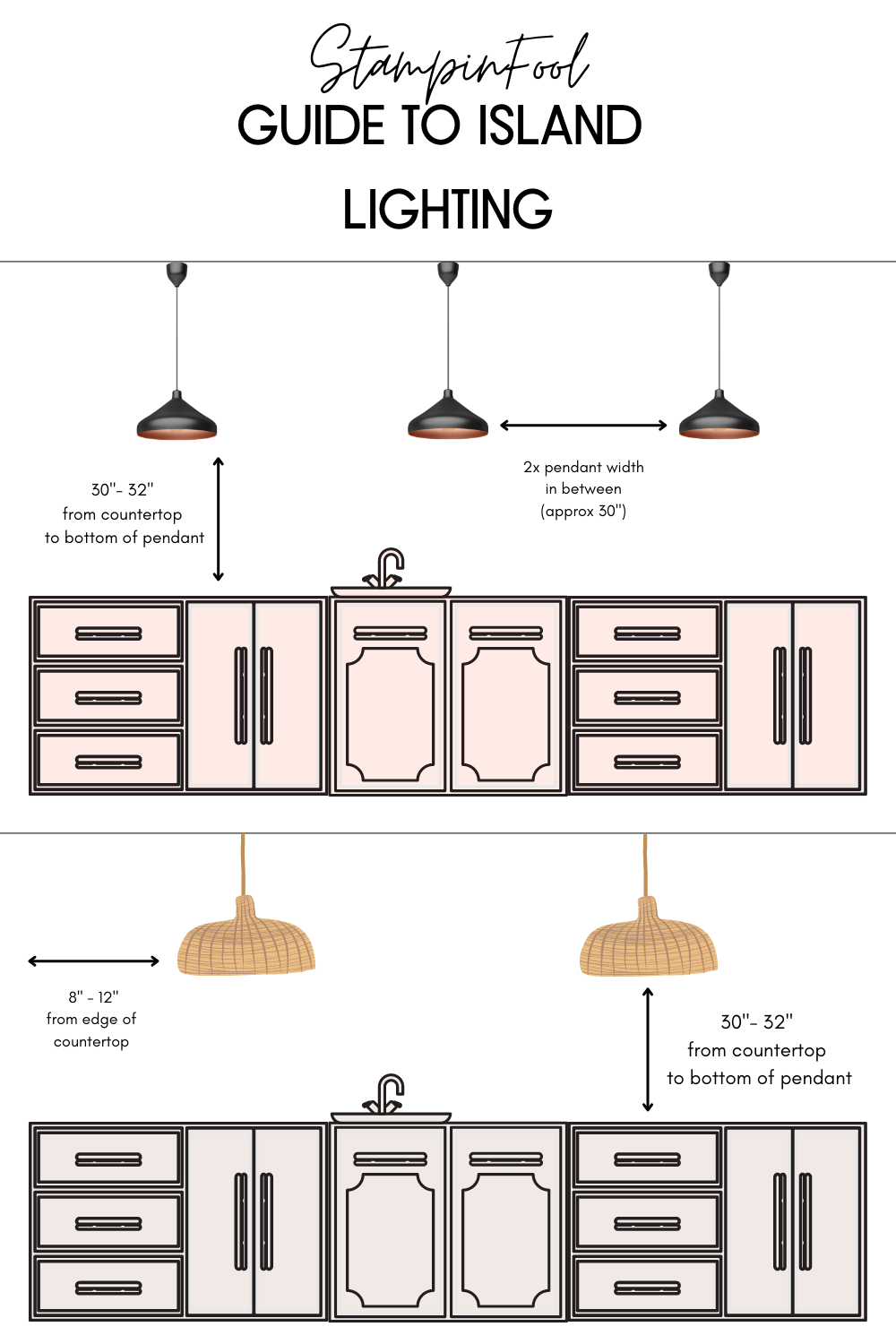
How to Layer Kitchen Island Lighting for Both Cooking and Gathering
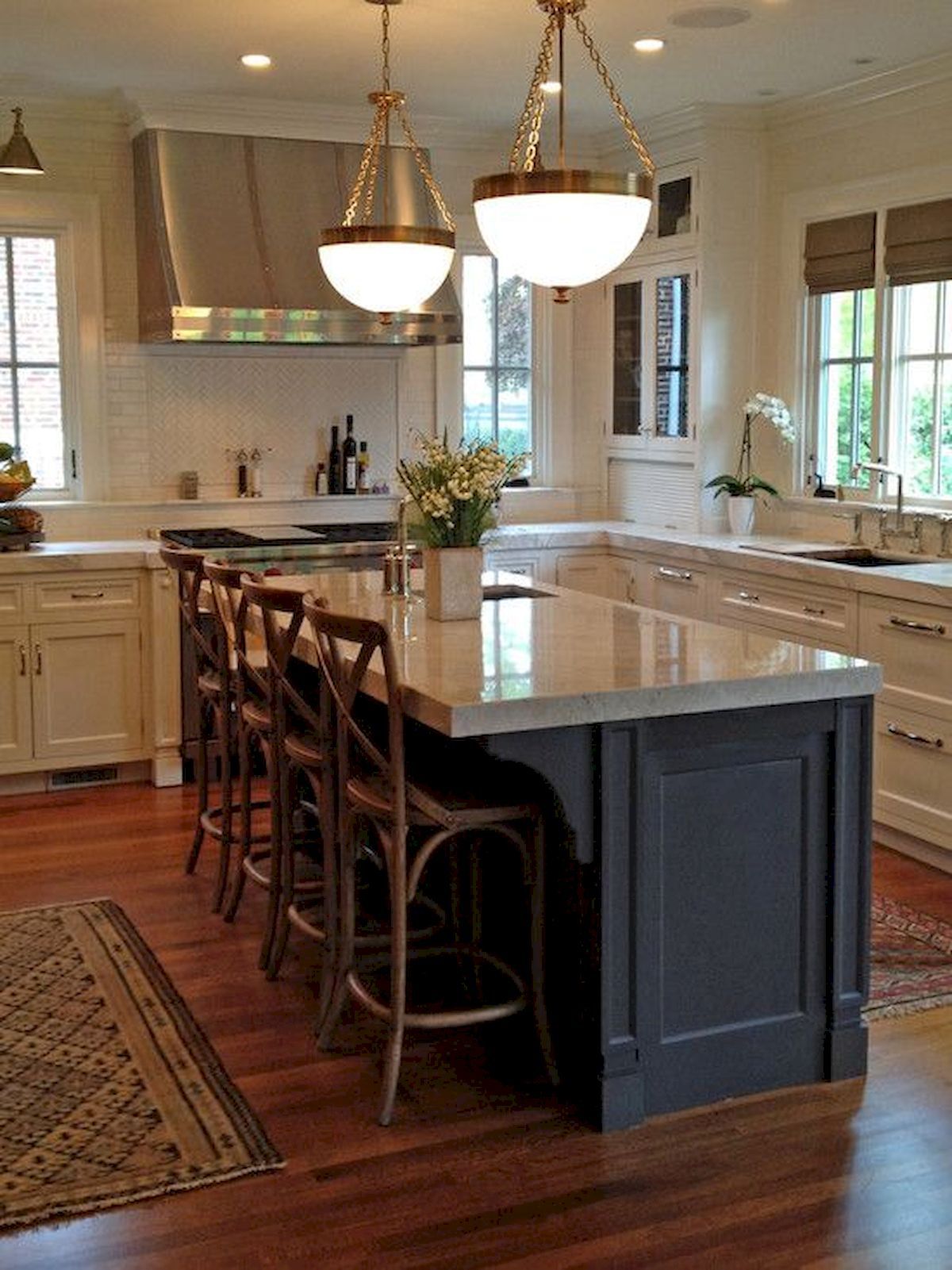
Rethinking Your Kitchen Island Layout With Ideas Grounded in Real Everyday Use

The practical benefits of using 24x48 porcelain stone effect tiles in homes

