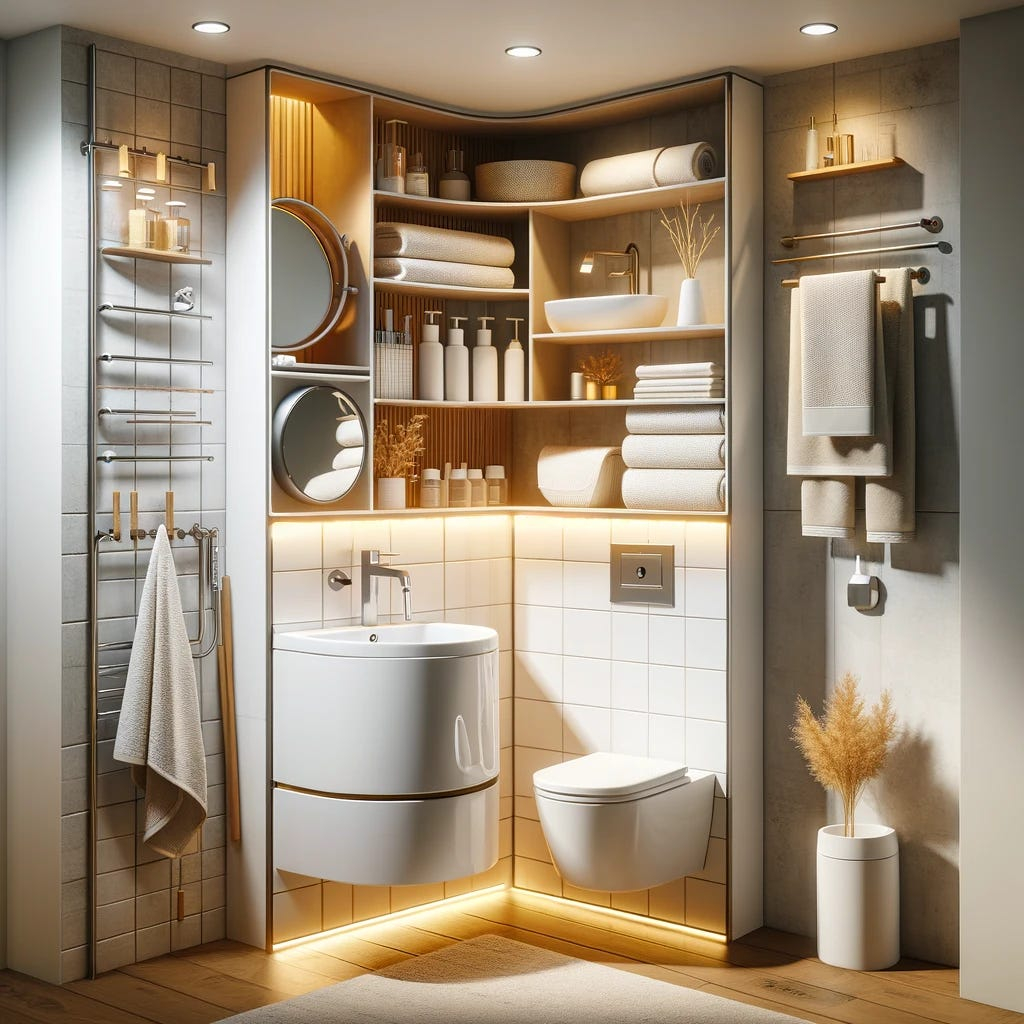
Imagine walking into a bathroom so small you could barely fit a toothbrush, yet somehow it feels spacious and functional. That's the power of smart vessel sink placement. It's not just about having a pretty bowl-shaped sink – it's about understanding how to use every inch of space effectively.
Tiny bathrooms can feel like tiny prisons, but they don't have to be. In fact, with the right approach to vessel sink placement, even the most cramped spaces can become surprisingly functional and beautiful. Think about it – you're already spending time in this little sanctuary daily. Why not make it work for you? We're talking about creating that feeling of openness and ease, even when walls are close and there's barely room to turn around. What if we told you that choosing where to place your vessel sink could change everything?
Understanding the Basics of Small Bathroom Layouts
Before diving into vessel sink placement strategies, let's start with fundamentals. Small bathrooms typically measure between 20 to 40 square feet, which means every single square inch counts. These spaces often feature awkward layouts – maybe a toilet tucked into a corner, a shower that's too close to the door, or a vanity that seems to take up the entire wall. The key is working with what you've got rather than fighting against it.
Consider how you move through your bathroom each day. Where do you naturally stand? How much space do you need to get dressed, brush teeth, or simply stand and relax? A well-planned vessel sink can become the centerpiece that makes everything else fall into place. It's not just about aesthetics – it's about function that works with your lifestyle.
The Power of Vertical Space Utilization
When space is limited, thinking vertically becomes essential. Vessel sinks offer a unique opportunity to maximize height rather than width. Unlike traditional undermount sinks, vessel sinks sit atop the counter, freeing up floor space while drawing attention upward. This creates an illusion of height that can make even the smallest bathroom feel less claustrophobic.
Let's talk about some practical applications:
• Mounting a vessel sink on a wall-mounted vanity • Using tall, narrow cabinet designs above the sink • Installing floating shelves that complement the sink's profile • Choosing fixtures with elegant, elongated shapes that draw the eye upward
The beauty of vertical thinking is that it transforms the way you see your bathroom. Instead of feeling cramped, you'll find yourself looking up, appreciating the clean lines and open feeling. This psychological shift alone can make a huge difference in how you experience your space.
Key Principles for Optimal Vessel Sink Placement
Placement isn't random – it's strategic. Here are the core principles that guide successful vessel sink positioning:
• Flow and Movement: Position your sink where it allows easy access from multiple directions. If you're sharing the space with others, consider how movement patterns might affect usage. • Natural Light: Place your vessel sink where it catches the most light, especially if it's a darker colored basin. This helps reduce shadows and creates a more open feeling. • Privacy Considerations: In shared bathrooms, ensure the sink placement doesn't expose your personal activities to others. Sometimes a simple partition or clever layout can solve this problem. • Ventilation Needs: Make sure your chosen spot allows for proper air circulation, especially if you're installing a vessel sink in a corner or tight space.
Think about your daily routine. When do you use your bathroom most? What tasks require the most space? Answering these questions will guide you toward the best placement for your vessel sink.
Creative Solutions for Corner and Wall Spaces
Corners aren't just wasted space – they're opportunities waiting to be exploited. Corner vessel sinks are particularly effective because they utilize areas that traditional sinks often ignore. They can be positioned to create a natural flow, or serve as a focal point that draws attention away from the small size.
Wall-mounted options are another excellent choice for tight spots:
• They eliminate the need for a full vanity base • They create visual space by not taking up floor area • They allow for more flexible layout options • They can be installed in unusual positions
Consider a curved wall-mounted vessel sink that follows the natural shape of the wall. Or try a corner sink that sits perfectly in the angle, making efficient use of what many would consider dead space. The key is matching the shape and size to your specific constraints.
Color and Material Selection for Visual Expansion
What you choose for your vessel sink goes beyond just functionality – it affects how your space feels. Light-colored vessels, especially white or soft pastels, reflect light and make walls appear closer to the ceiling. Darker colors, while dramatic, can actually compress a space visually. But here's the secret: use them strategically.
• White or cream vessels work best in smaller bathrooms with good lighting • Light wood tones add warmth without overwhelming the space • Glass or ceramic materials can make a room feel larger • Matte finishes tend to hide imperfections better than glossy ones
Think about how the material interacts with your existing bathroom elements. Does it match or contrast? The right combination can either make your bathroom feel cohesive or create visual interest. Sometimes a bold choice in material can make all the difference in how large or small a space feels.
Practical Tips for Installation and Maintenance
Once you've decided on your vessel sink placement, it's time to think about installation and ongoing care. Proper installation ensures your investment pays off in both appearance and function. Here's what you need to know:
• Measurement is crucial – always double-check that your chosen vessel will fit properly within your designated space • Water line considerations – make sure plumbing lines are accessible and positioned correctly • Easy cleaning access – leave enough clearance around the sink for regular maintenance • Stability matters – ensure your chosen mounting method can support the weight of the vessel and water
Maintenance tips include:
• Clean regularly to prevent soap scum buildup • Use appropriate cleaners for your sink material • Check connections periodically for leaks • Consider adding a small towel rack or hook nearby for convenience
Remember, a vessel sink requires slightly more attention than a standard sink, but the results are worth the effort.
Transforming a small bathroom with strategic vessel sink placement isn't about magic – it's about thoughtful planning and creative thinking. You've learned how to maximize every inch, utilize vertical space, and make smart choices about color and placement. The key takeaway is that your bathroom doesn't have to be small to feel big. With the right vessel sink and thoughtful placement, you can create a space that feels both functional and beautiful. Whether you're dealing with a true powder room or a compact master bath, these principles apply. So go ahead and embrace those small spaces – they might just surprise you with how much they can accomplish.
Related Posts
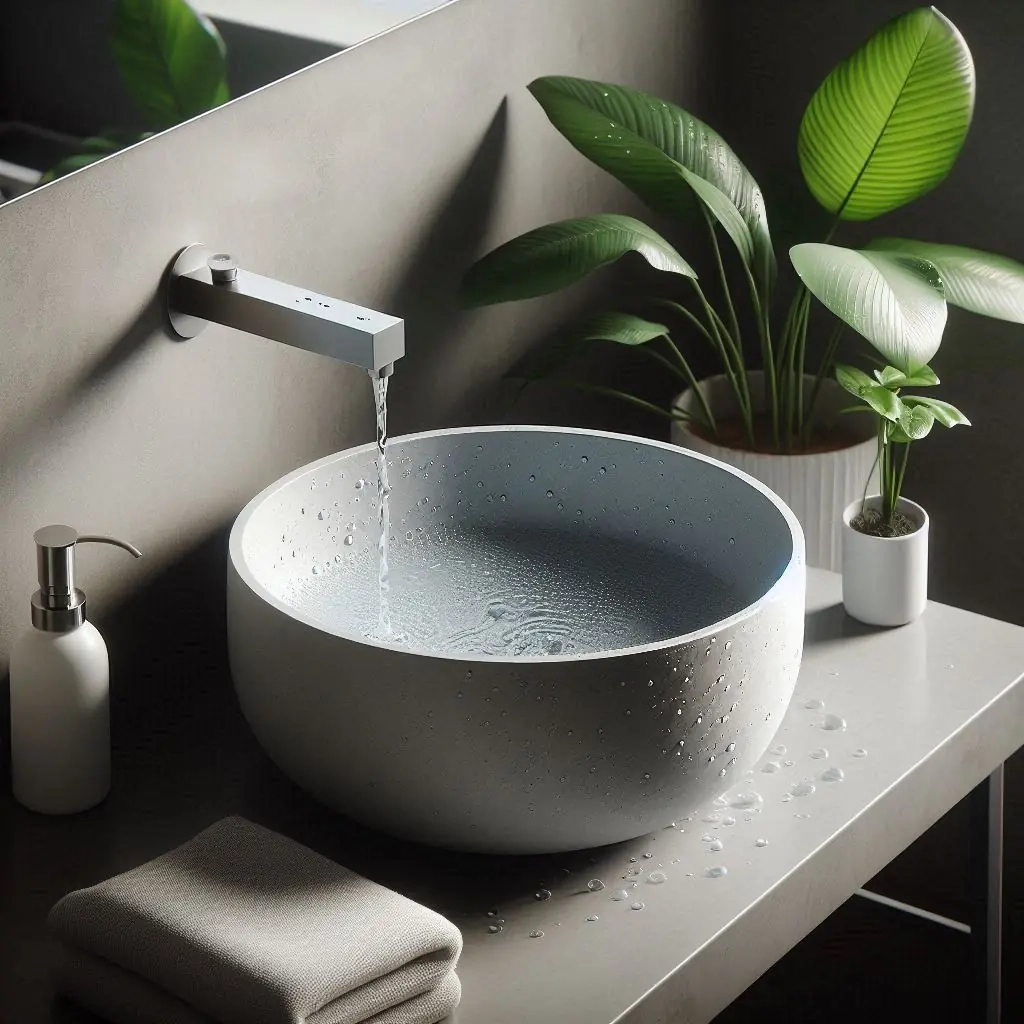
How Ceramic Vessel Sinks Enhance Bathroom Aesthetics and Functionality
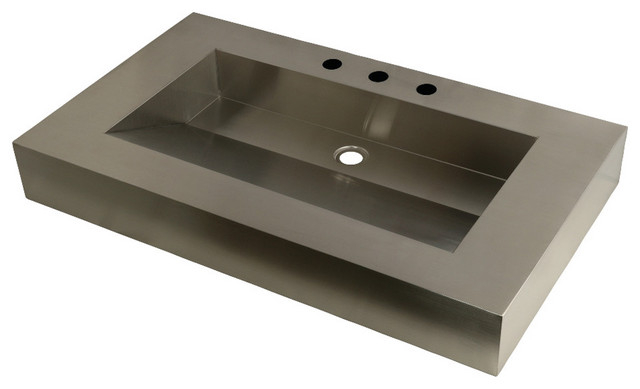
Design and Durability Analysis of the Kingston Brass GLTS37225 Brushed Basin
Choosing the Perfect Small Undermount Sink for Your Home Decor
Material Durability and Maintenance of Kingston Brass VPB24187W4 Ceramic Sink
Expert Insights on Choosing the Right Sink for Your Bathroom Renovation