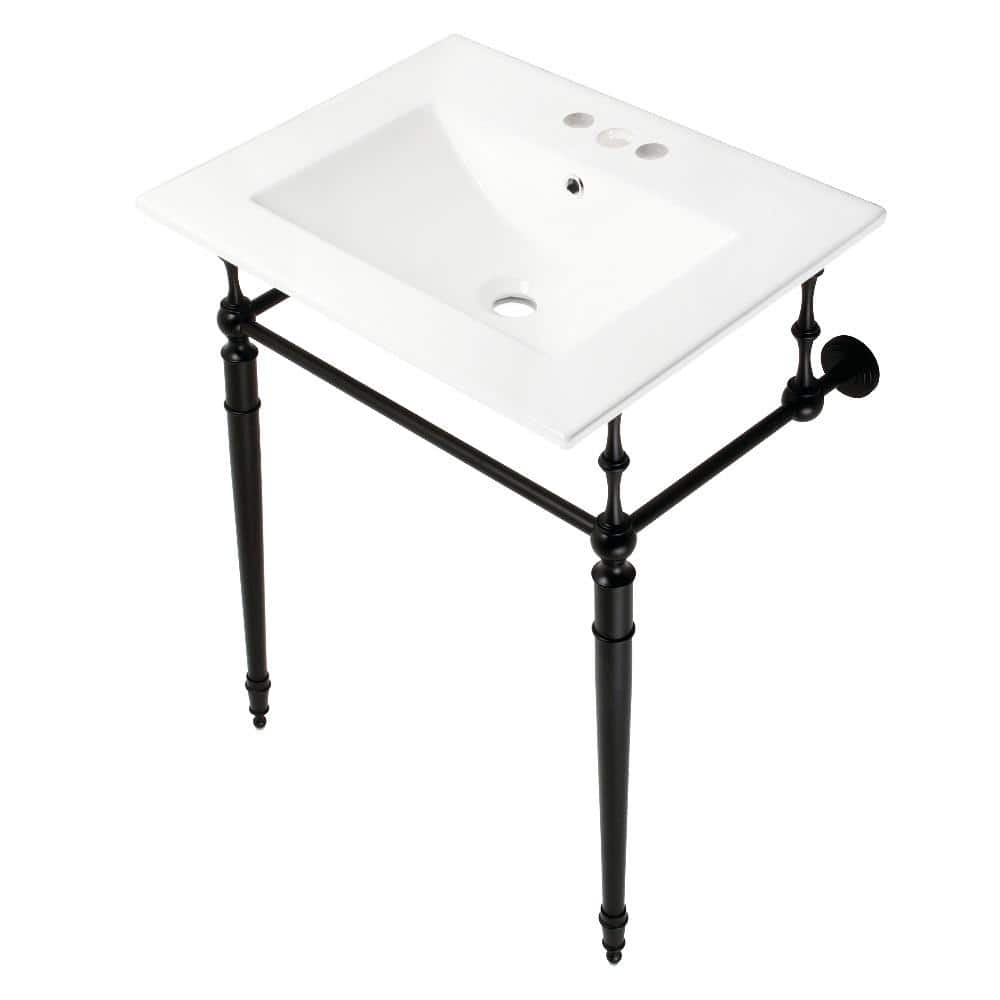
Every day, millions of people rely on accessible design to navigate their environments safely. When it comes to wall-mounted porcelain fixtures, the details matter more than you might think. From bathroom stalls to hospital rooms, these seemingly simple elements can make or break someone's independence.
Imagine trying to open a door or turn on a faucet while seated in a wheelchair. The small details of how hardware is mounted and designed can either enable or hinder someone's ability to function independently. This is where accessibility standards come into play. These aren't just rules to follow – they're blueprints for creating spaces where everyone can thrive. Wall-mounted porcelain hardware, often overlooked, plays a crucial role in this landscape. It's not just about compliance anymore; it's about recognizing that accessibility is good design for everyone.
What Makes Hardware Accessible?
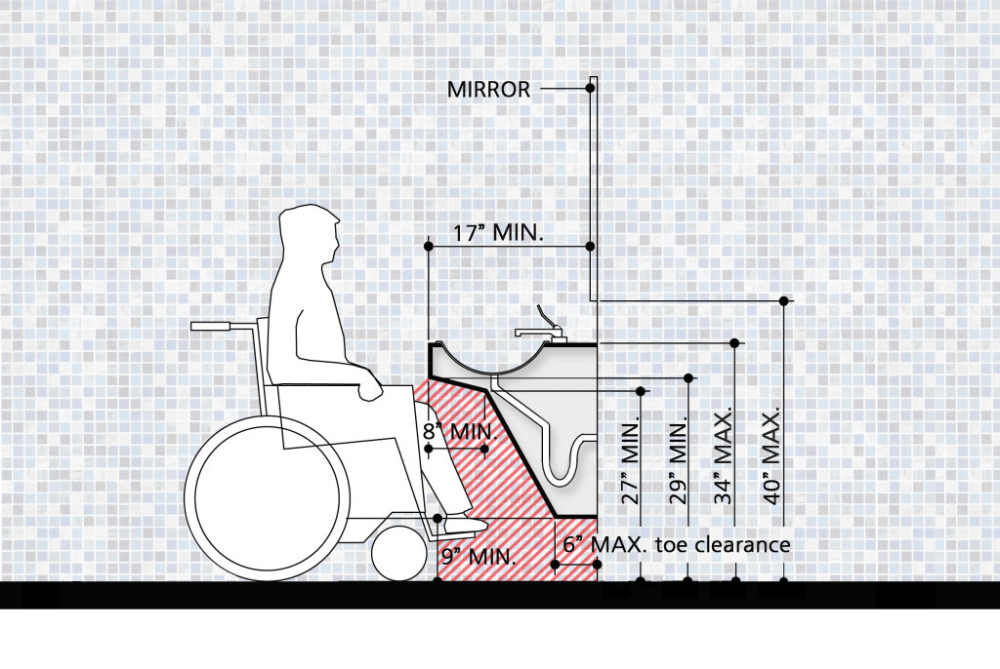
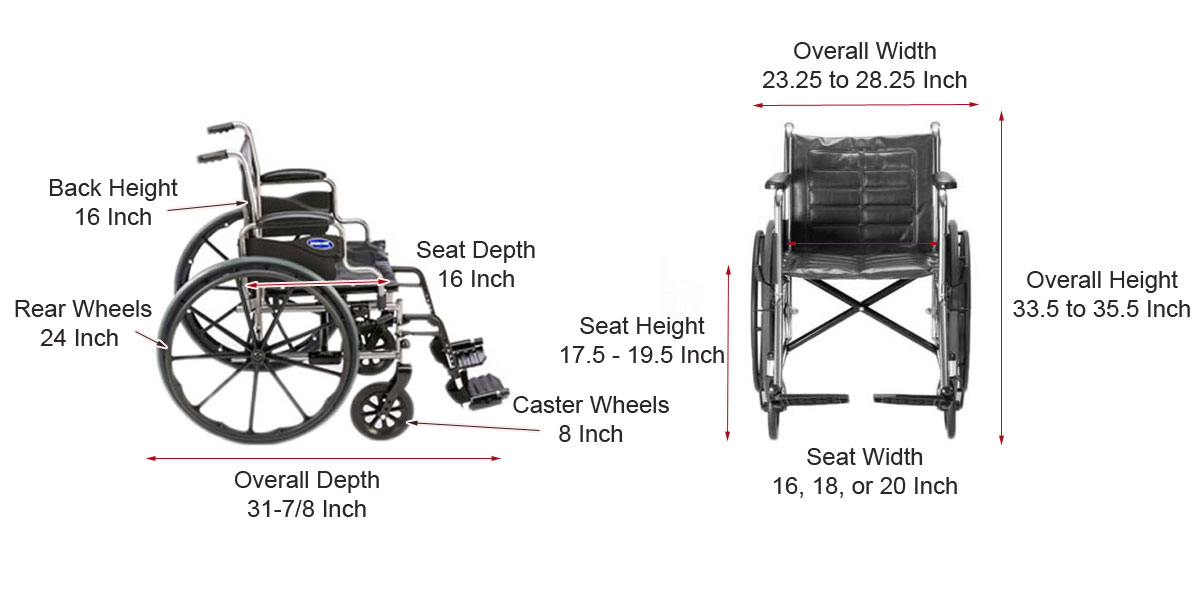
Let's start with the basics. Accessible hardware means it's designed and installed so that people using wheelchairs can reach and operate it easily. Think about the typical height ranges that people in wheelchairs need to access things comfortably. Most experts agree that controls should be within easy reach, usually between 15 and 48 inches from the floor. That's a pretty wide range, but it covers most situations. For example, if you have a porcelain sink with a handle that's too high, someone in a wheelchair won't be able to turn it on. The same goes for toilet flush mechanisms or soap dispensers. What seems like a small detail becomes a major barrier when you're thinking about daily living. The key is understanding that these standards aren't arbitrary rules – they represent real needs of real people. When we design with accessibility in mind, we're designing for everyone. Consider a family bathroom with both adults and children using it. If you install everything at the right heights, you're not just helping wheelchair users – you're making life easier for everyone.
Key Standards and Guidelines
There are several important documents that guide how this hardware should be installed. The Americans with Disabilities Act (ADA) is probably the most well-known, though it's worth noting that different countries have their own versions. The ADA sets out specific dimensions and requirements for everything from door handles to bathroom fixtures. But there's more than just one standard. The International Building Code (IBC) also provides guidance, and many states have their own variations. What's interesting is that some of these codes are based on research done decades ago, but they still hold true today. Let's take the example of grab bars – they're not just for bathrooms anymore. Many modern buildings incorporate them in hallways and common areas because they provide support and stability for anyone who might need it. The key thing is consistency. If you're following one set of standards, stick to them throughout your project. Mixing and matching can create confusion and potential safety issues. It's like having a recipe where you change ingredients halfway through – the final result isn't going to be what you intended. Some architects and designers actually find these standards helpful because they provide a framework for solving problems. Instead of reinventing the wheel, they can focus on creative solutions within established parameters.
Porcelain Hardware Specifics
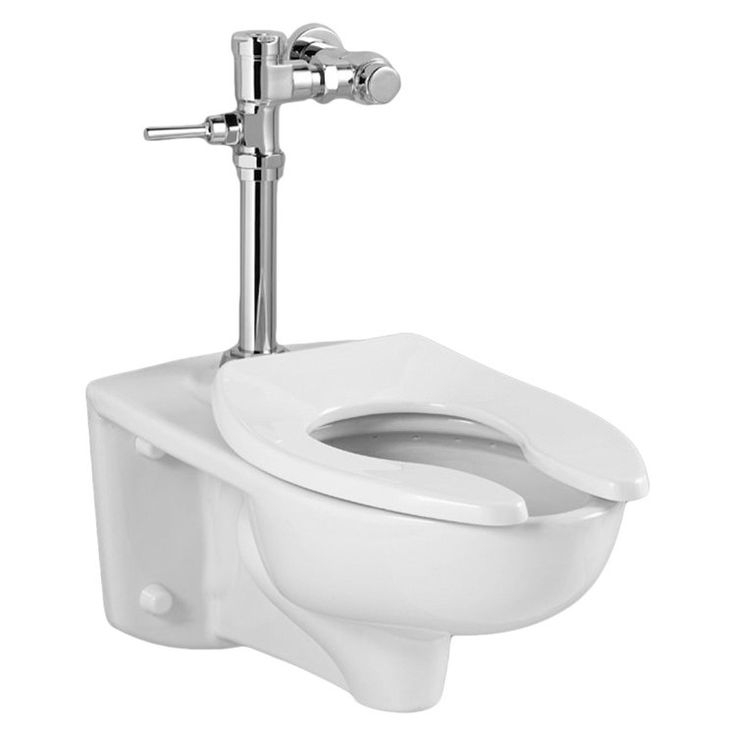
Now let's talk about porcelain specifically. This material presents unique challenges because porcelain is heavy and requires special mounting techniques. Unlike plastic or metal fixtures that can be easily adjusted, porcelain often needs to be precisely positioned during installation. This is where the expertise of professional installers becomes essential. The weight of porcelain fixtures means that mounting hardware must be robust enough to support the load without compromising safety. Take a porcelain toilet seat, for instance. It's not just about the seat itself – it's about how it's attached to the bowl and how that attachment can be accessed by someone in a wheelchair. The mounting screws need to be reachable, and the overall system needs to be stable enough to handle regular use. Some manufacturers now offer porcelain fixtures specifically designed with accessibility in mind. These might include features like wider mounting holes or adjustable components. But even with these improvements, proper installation remains critical. It's one thing to have the right product; it's another to make sure it works correctly once it's in place. The challenge for installers is balancing aesthetics with functionality. You want something that looks good in the space but also meets all the necessary requirements.
Installation Best Practices
Proper installation makes all the difference. Even the best-designed hardware will fail if it's not installed correctly. Here are some essential practices to consider. First, always measure twice before installing anything. This might seem obvious, but it's surprising how often people skip this step. The second rule is to plan ahead for accessibility. Don't just put things where they look good – think about how they'll be used. A beautiful porcelain wall fixture might look great, but if it's impossible to reach from a wheelchair, it defeats its purpose. Consider the clearance around the fixture. People in wheelchairs need room to maneuver, and that includes space around the hardware they need to use. Sometimes this means adjusting the position of the fixture rather than trying to work around it. Another important factor is the type of mounting hardware used. Different materials require different approaches. For porcelain, you often need specialized anchors and screws that can handle the weight and vibration. Professional installers know these nuances, which is why hiring experienced people is so important. They understand not just what to do, but why they're doing it. Some installations might require custom brackets or modifications to existing walls. These kinds of changes can add complexity, but they're often necessary to meet accessibility requirements.
Common Mistakes to Avoid
Even with the best intentions, mistakes happen. Here are some of the most frequent pitfalls that can compromise accessibility. One big mistake is assuming that what looks accessible is actually accessible. You might see a handle that appears to be at the right height, but if it's too narrow or doesn't provide enough grip, it could still be problematic. Another common error is not considering the full range of motion needed. Someone in a wheelchair might need to approach a fixture from multiple angles, so the design needs to account for that flexibility. The positioning of electrical outlets is another area where problems arise. If outlets are placed too low or too high, they become inaccessible to wheelchair users. It's also important to remember that accessibility isn't just about physical reach. It's about making things usable for people with various types of disabilities. Someone with limited hand strength might struggle with a handle that requires a lot of force to operate. The same applies to people with tremors or other motor control issues. Another mistake is overlooking the importance of contrast. High-contrast colors help people with visual impairments identify fixtures more easily. Simple changes like using black handles on white porcelain can make a significant difference in usability. Some projects also forget about maintenance access. If someone needs to replace a fixture or perform repairs, they should be able to do so safely and easily. This means ensuring adequate space behind the fixture and considering how the installation affects future serviceability.
Future Trends in Accessible Design
The field of accessible design is constantly evolving. New technologies and materials are making it easier to create inclusive spaces. Smart technology integration is becoming increasingly popular, allowing people to control fixtures through voice commands or mobile apps. This opens up new possibilities for people who have difficulty reaching traditional controls. Some newer porcelain fixtures feature touchless operation or sensors that respond to movement. These innovations aren't just for people with disabilities – they're appealing to everyone who wants convenience and hygiene. The trend toward universal design is also influencing how porcelain fixtures are developed. Instead of creating separate products for different needs, designers are focusing on making everything work for everyone. This approach recognizes that accessibility benefits the whole community. We're seeing more modular designs that allow for customization based on individual needs. For example, some companies now offer porcelain fixtures with interchangeable components that can be adapted for different users. Sustainability is another factor driving innovation. As people become more aware of environmental concerns, there's growing interest in durable, long-lasting fixtures that don't need frequent replacement. This aligns well with accessibility goals, since frequent changes can be disruptive and expensive. The industry is also paying more attention to the user experience beyond basic functionality. Comfort, ease of use, and aesthetic appeal are all important considerations in modern accessible design.
Accessibility isn't just about following rules – it's about creating spaces where everyone feels welcome and capable. Wall-mounted porcelain hardware might seem like a small part of a larger environment, but it plays a vital role in daily life for many people. By understanding the standards, avoiding common mistakes, and staying informed about new developments, we can build better places for everyone. The investment in accessible design pays dividends not just in compliance, but in creating more inclusive communities. Whether you're planning a new construction project or renovating an existing space, remember that thoughtful accessibility design benefits everyone. It's not just about removing barriers – it's about building bridges. Every time we design something with accessibility in mind, we're taking a step toward a more inclusive world. The details matter, and they're worth getting right. The goal isn't perfection – it's progress. And every accessible fixture we install is a victory for inclusion.
Related Posts

How Ceramic Vessel Sinks Enhance Bathroom Aesthetics and Functionality
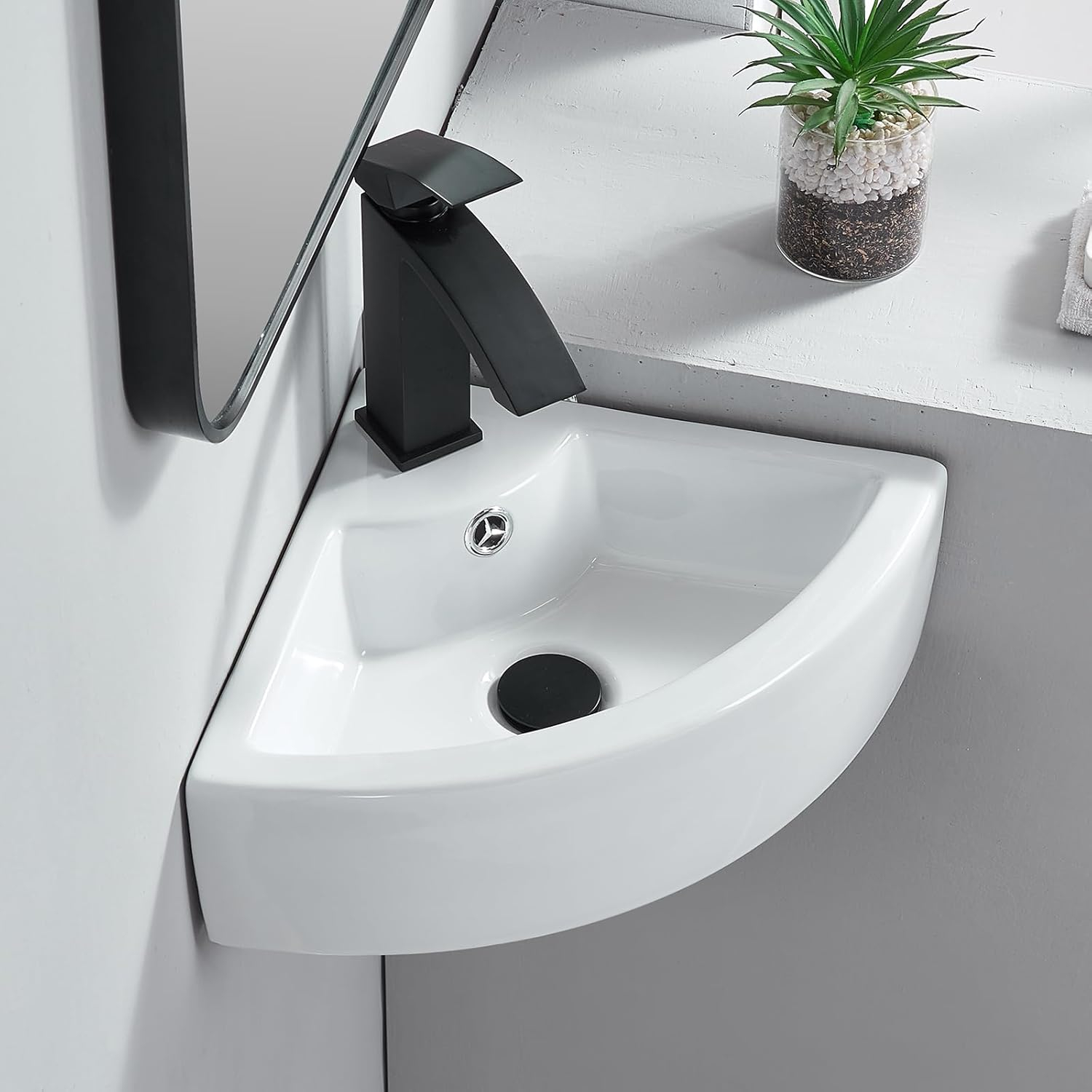
How to Choose the Right Wall Mounted Corner Sink for Your Bathroom Space
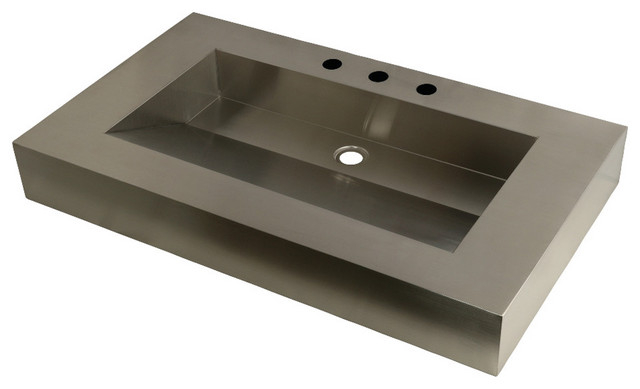
Design and Durability Analysis of the Kingston Brass GLTS37225 Brushed Basin
Transforming Your Bathroom with Textured Stone Surfaces
Choosing the Perfect Small Undermount Sink for Your Home Decor