Picture this: you're going about your day, minding your own business, when suddenly you spot something that makes your blood run cold. A brown recluse spider, those notorious little creatures that can pack a punch with their venom. It's a moment that can turn any peaceful home into a scene of panic. But what do you do? How do you safely remove these pests without risking your health or accidentally harming yourself? This guide will walk you through everything you need to know about dealing with brown recluse spiders in your living space.
Brown recluse spiders are more than just creepy crawlers. They're one of the few venomous spiders found in North America, and they've earned their reputation for good reason. These spiders are typically found in quiet, undisturbed areas like basements, attics, closets, and under furniture. They're not aggressive by nature, but when they feel threatened, they can deliver a bite that causes serious medical issues. The good news? With proper knowledge and techniques, you can safely deal with them without turning your home into a war zone. This isn't about fear-mongering – it's about understanding how to protect yourself and your family while being respectful of these creatures' place in the ecosystem.
Understanding Brown Recluse Behavior
Before we dive into removal techniques, it's crucial to understand how these spiders behave. Brown recluses prefer dark, dry spaces and are most active during nighttime hours. They build irregular webs in corners and crevices, often creating small, flat retreats. These spiders are incredibly patient hunters, waiting for prey to come within reach rather than actively chasing them. Understanding their habits helps us predict where they might hide and plan our approach accordingly.
They're not known for being aggressive toward humans, but they will bite if they feel cornered or trapped against skin. Most bites happen when someone accidentally steps on one or finds one in clothing or bedding. The venom they produce can cause tissue damage and, in rare cases, severe allergic reactions. Knowing their behavior patterns means you're better prepared to avoid encounters and deal with them quickly when necessary.
Identifying Brown Recluse Spiders
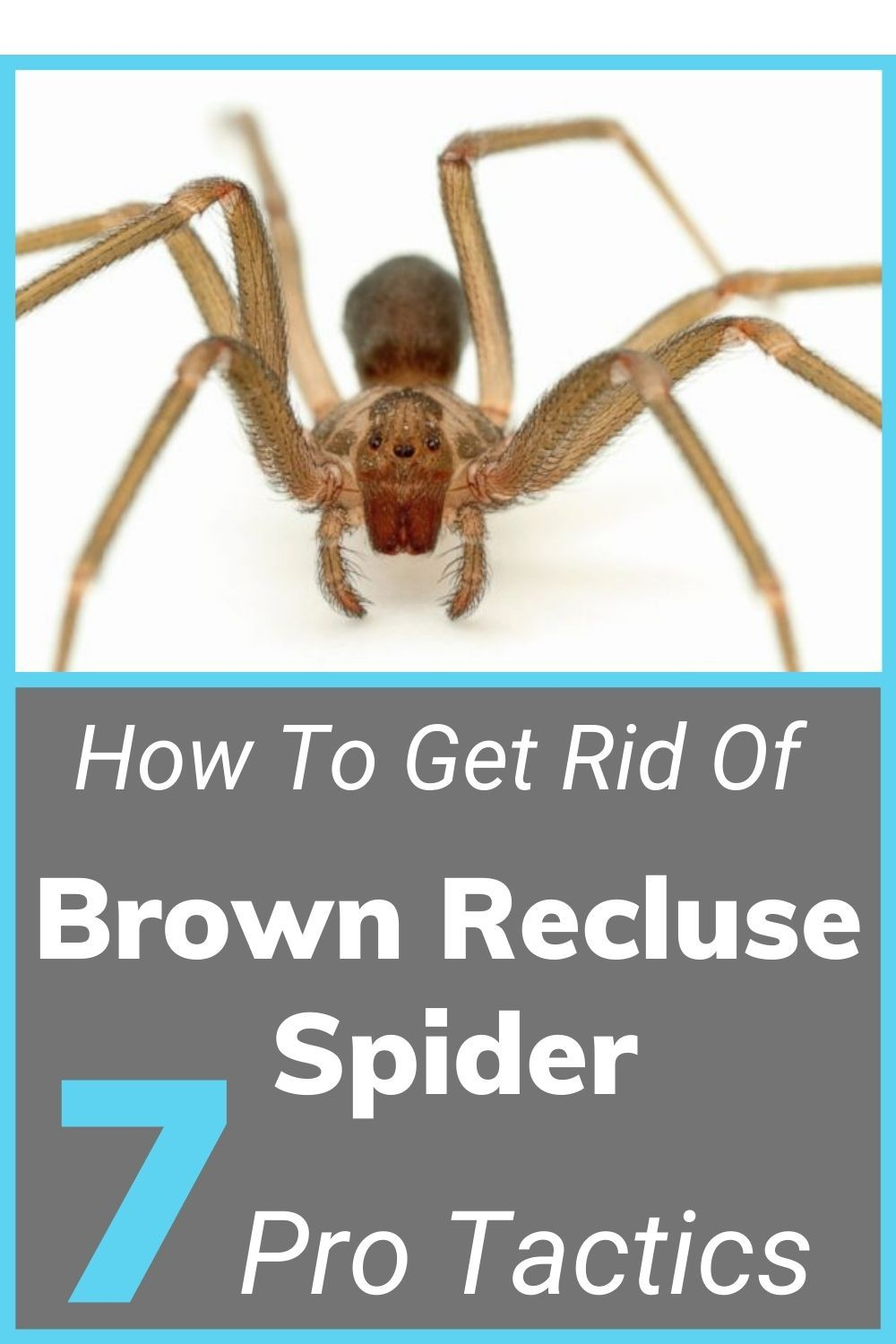
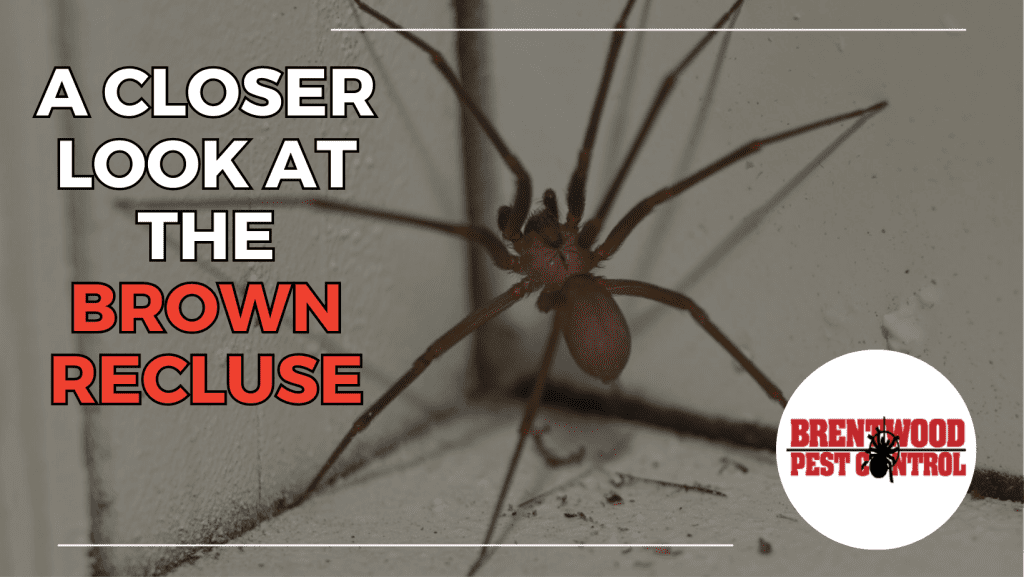
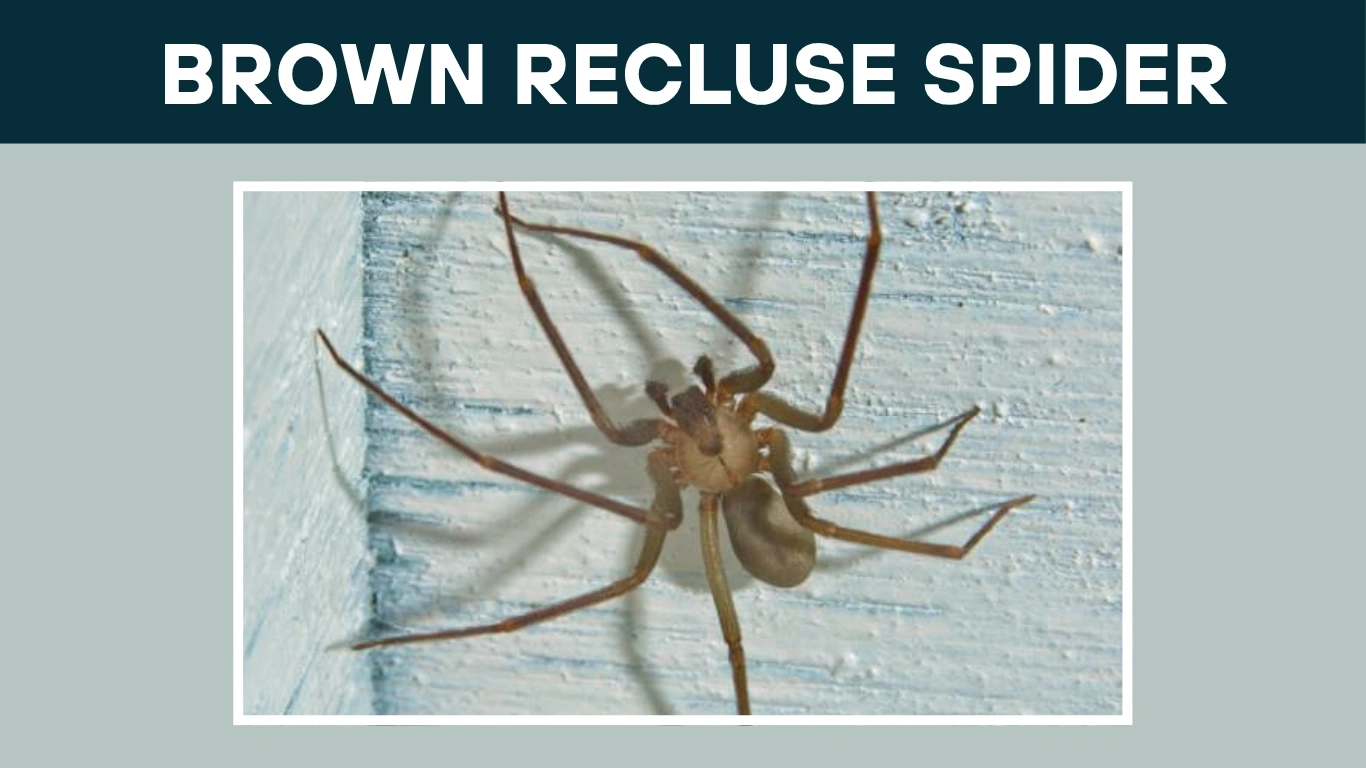
The first step in any removal process is correct identification. Brown recluses have distinctive features that set them apart from other spiders. Their body is typically 6-20mm in size, with a light to dark brown coloration. The most recognizable feature is the violin-shaped marking on their cephalothorax (the front part of the spider's body). This marking points toward the spider's rear legs.
However, be careful not to confuse them with similar-looking species like the hobo spider or the common house spider. The hobo spider has a different pattern of markings and is often found in more humid conditions. The common house spider, while sometimes mistaken for a brown recluse, lacks the distinctive violin shape and is generally harmless.
If you're unsure about identification, consider taking a photo and consulting with local extension offices or pest control professionals. Proper identification prevents unnecessary panic and ensures you're addressing the right pest.
Prevention Strategies Before Removal
Sometimes the best removal technique is prevention. These spiders are attracted to cluttered environments and areas with plenty of hiding spots. Regular cleaning and decluttering can significantly reduce their presence. Here are some key strategies:
• Reduce clutter in storage areas, basements, and attics • Seal cracks and gaps in walls, floors, and around windows • Keep clothing off the floor and store items in sealed containers • Use dehumidifiers to reduce moisture levels • Regular vacuuming, especially in corners and under furniture
These simple steps work because brown recluses are drawn to dark, undisturbed spaces. By making your home less appealing to them, you're reducing the likelihood of encounters. Prevention isn't just about avoiding problems – it's about creating a healthier living environment for everyone.
Manual Removal Methods
When manual removal is necessary, safety comes first. You don't want to end up with a spider bite or worse, an accidental injury from the spider's venom. Here's how to proceed carefully:
• Wear protective gloves and long sleeves • Use a container or glass to trap the spider • Approach slowly and avoid sudden movements • If using a vacuum cleaner, ensure it's powerful enough to handle the spider • Never handle spiders directly with bare hands
One particularly effective method involves using a clear plastic container with a lid. Place it over the spider and slide a piece of paper underneath to capture it. Then, relocate the spider far away from your home, preferably to a wooded area where it won't bother anyone. This approach minimizes risk while ensuring the spider doesn't escape or get injured in the process.
Using Insecticides Safely
While many people prefer natural methods, insecticides can be useful when dealing with significant infestations. However, they must be used carefully and strategically. Look for products specifically labeled for spider control, and always follow manufacturer instructions.
Key considerations include:
• Apply insecticides in cracks and crevices where spiders hide • Choose products with low toxicity for indoor use • Consider professional treatments for severe cases • Always ventilate the area during application • Keep children and pets away from treated areas
Remember, the goal isn't to eliminate every single spider, but to reduce their numbers and make your home less hospitable. Overuse of chemicals can lead to resistance and environmental concerns, so targeted applications are usually more effective and safer.
Professional Pest Control Options
For serious infestations or when you're uncomfortable handling the situation yourself, professional pest control services offer peace of mind. These experts understand spider behavior and can implement comprehensive treatment plans.
Benefits of professional services include:
• Expert identification of spider species and nesting locations • Customized treatment approaches based on your home's layout • Use of specialized equipment and products • Long-term prevention strategies • Reduced risk of exposure to harmful chemicals
When selecting a service provider, look for companies that offer integrated pest management (IPM) approaches. These focus on long-term solutions rather than just eliminating current pests. Many professionals will also provide education about preventing future infestations, which is invaluable for maintaining a spider-free home.
What to Do After Removal
Once you've successfully removed spiders from your home, the work isn't over. Taking proper follow-up steps ensures you don't face the same problem again. Start by thoroughly cleaning the areas where spiders were found. Vacuum all corners, crevices, and hidden spaces. Wash any clothing or bedding that may have been exposed to spiders.
Additional steps include:
• Monitor for signs of return (spider webs, droppings) • Continue preventive measures regularly • Consider reapplication of treatments if needed • Keep detailed notes about where spiders were found
Sometimes, a single removal isn't enough. Spiders can reproduce quickly, and new individuals may find their way into your home. Keeping track of patterns and taking consistent action prevents future problems. It's also helpful to educate family members about recognizing signs of spider activity.
Safety Considerations and First Aid
Despite our best efforts, accidents can still happen. Understanding what to do if you're bitten is crucial. Brown recluse bites are relatively rare, but knowing how to respond can prevent complications.
Immediate steps if bitten:
• Clean the wound thoroughly with soap and water • Apply ice to reduce swelling • Take over-the-counter pain medication if needed • Seek medical attention immediately
Medical care is important because brown recluse venom can cause significant tissue damage. Early treatment improves outcomes significantly. If possible, take a photo of the spider for identification purposes. This helps healthcare providers determine appropriate treatment.
Don't attempt to suck out venom or apply home remedies. These methods can actually make things worse. Professional medical care is always recommended for suspected brown recluse bites.
Long-term Home Management
Creating a spider-resistant home environment requires ongoing effort and attention. Think of it as a continuous maintenance routine rather than a one-time fix. Regular inspections of potential hiding spots are essential. Pay special attention to:
• Basements and attics • Storage areas • Under beds and furniture • Behind appliances • Wall cracks and gaps
Develop a routine schedule for checking these areas. Monthly inspections can catch problems before they become serious. Also, consider implementing a system for regular deep cleaning, including dusting and vacuuming in hard-to-reach places.
Remember that prevention is cheaper and less stressful than dealing with an infestation. Investing time in maintaining a clean, organized home pays dividends in terms of both safety and peace of mind. It's not just about removing spiders – it's about creating a lifestyle that naturally discourages them from taking up residence.
Dealing with brown recluse spiders in residential areas requires a balanced approach that combines knowledge, preparation, and respect for these creatures' natural behaviors. While they pose a legitimate concern, they're manageable with the right techniques and mindset. The key is to stay informed, act proactively, and never hesitate to seek professional help when needed.
Whether you're facing a single spider encounter or a full-blown infestation, remember that you're not alone in this challenge. Many homeowners have successfully dealt with brown recluses using the methods outlined here. The most important thing is to remain calm, follow safety protocols, and focus on long-term prevention rather than just immediate fixes.
By understanding spider behavior, identifying threats accurately, and implementing consistent preventive measures, you can reclaim your home from unwanted arachnid guests. The goal isn't to eliminate spiders entirely – it's to create a living environment where both humans and spiders can coexist peacefully, with minimal risk to either party.

Related Posts
What happens to dried ink when clothes go through dryer tumbling

How American Standard HVAC Systems Compare to Trane Brands
Breaking down spray foam insulation costs by type and coverage area

How to Effectively Eliminate Clover from Your Lawn Naturally
The Surprising Reason Why Ladybugs Choose Your House