Imagine walking into a room where the floor seems to breathe, where textures dance and colors whisper secrets. That's the magic of strategic rug layering – it's not just about covering floors, but creating a sensory experience that makes every step feel like a journey.
We've all been there – standing in a room that feels flat, lifeless, or somehow just... wrong. Sometimes it's the color scheme, sometimes it's the furniture arrangement, but often, it's simply the flooring that's holding everything back. What if I told you that the solution was right under your feet? Rug layering isn't just a decorating trend – it's an art form that can completely transform how a space feels and looks. It's about stacking rugs strategically to create depth, warmth, and visual interest that makes your home feel lived-in rather than showroom-ready.
The Foundation of Layered Rug Magic
Before we dive into the specifics, let's talk about why layering works so beautifully. Think of it like wearing multiple layers in winter – each piece adds warmth and complexity. When you layer rugs, you're essentially adding another dimension to your room's design. The first layer acts as the foundation, while subsequent layers bring texture, pattern, and visual weight. This technique is particularly powerful because it allows you to experiment with different materials, colors, and patterns without committing to a single large rug that might overwhelm the space. It's like having a wardrobe full of options instead of one big, boring outfit.
Choosing Your Base Layer
Every great layered look starts with a solid base layer – typically a larger, neutral rug that anchors the entire composition. This rug should be substantial enough to serve as a platform for the layers above it. Consider the size of your room and the furniture placement when selecting your base rug. For instance, in a living room, you might want to place the base rug under the coffee table and extend it slightly beyond the seating area. The key is to make it visible and functional. A good base rug should be at least 18 inches wider than the furniture it supports. You don't want to end up with a room where everything looks like it's floating on air. Think of this first layer as the foundation of a house – it needs to be strong and stable.
Adding Texture Through Material Mix
Here's where things get really interesting. The second layer is where you start playing with textures and materials. This is your opportunity to introduce softness and tactile variety. Consider mixing natural fibers like wool with synthetic materials like cotton or silk. A chunky wool rug over a smooth cotton base creates an immediate contrast that catches the eye. Don't be afraid to experiment with different pile heights either – a low-pile rug under a high-pile one creates a subtle but noticeable difference in texture. This approach also helps with practical matters like cleaning and maintenance. If one rug gets dirty, you can spot-clean or remove it without disturbing the whole setup. It's like having a backup plan for your aesthetic choices.
Pattern Play and Color Harmony
Now comes the fun part – bringing in patterns and colors that complement each other. This is where many people get overwhelmed, but it's actually quite straightforward once you understand some basic principles. Start with a dominant color from your base rug and build from there. If your base rug is a soft sage green, you might choose a patterned rug in deep forest tones or warm earthy browns. The key is to keep the overall palette cohesive. You can use the same pattern family but in different scales – for example, a small geometric pattern on a larger solid base. It's amazing how much visual interest you can create without going overboard. Remember, less is often more, especially when you're dealing with multiple elements that need to work together harmoniously.
Size Matters: Proportions and Scale
One of the most common mistakes people make with layered rugs is getting the sizing wrong. The rugs should relate to each other in terms of scale and proportion. A large, bold pattern shouldn't be placed on top of a small, delicate base rug – it will look unbalanced. Instead, try pairing a large-scale pattern with a smaller, simpler base rug. Or, if you're going for a more subtle look, consider using two similar-sized rugs with complementary patterns. The rule of thumb is to ensure that no single rug dominates the space unless that's the intended effect. This principle applies whether you're working with a small bedroom or a large open-concept living area. It's like putting together a puzzle – each piece needs to fit perfectly with the others.
Practical Tips for Success
Let's talk about the real-world application. First, always measure your space before purchasing rugs – this is non-negotiable. You don't want to buy rugs that are too small or too large for your room. Second, consider the traffic flow in your space. High-traffic areas need more durable materials and simpler designs. Third, don't forget about the edges – make sure they're properly secured or weighted down so they don't shift around. Finally, think about maintenance. Some materials are easier to clean than others, and you'll want to choose rugs that you can realistically keep looking fresh. The best layered rug setups are those that look effortless, even though they require careful planning and execution.
Layering rugs is more than just a decorating trick – it's a way to create spaces that feel rich, inviting, and uniquely yours. The beauty of this approach lies in its flexibility and the endless possibilities it offers. Whether you're trying to soften a hard wood floor or add visual interest to a bland carpet, strategic rug layering provides a solution that's both practical and beautiful. The key is to start simple, pay attention to proportions, and most importantly, have fun with it. After all, your home should reflect your personality and make you feel comfortable every time you walk through the door. So go ahead, experiment with different combinations, and see how a few carefully chosen rugs can transform your entire space into something that truly feels like home.


Related Posts
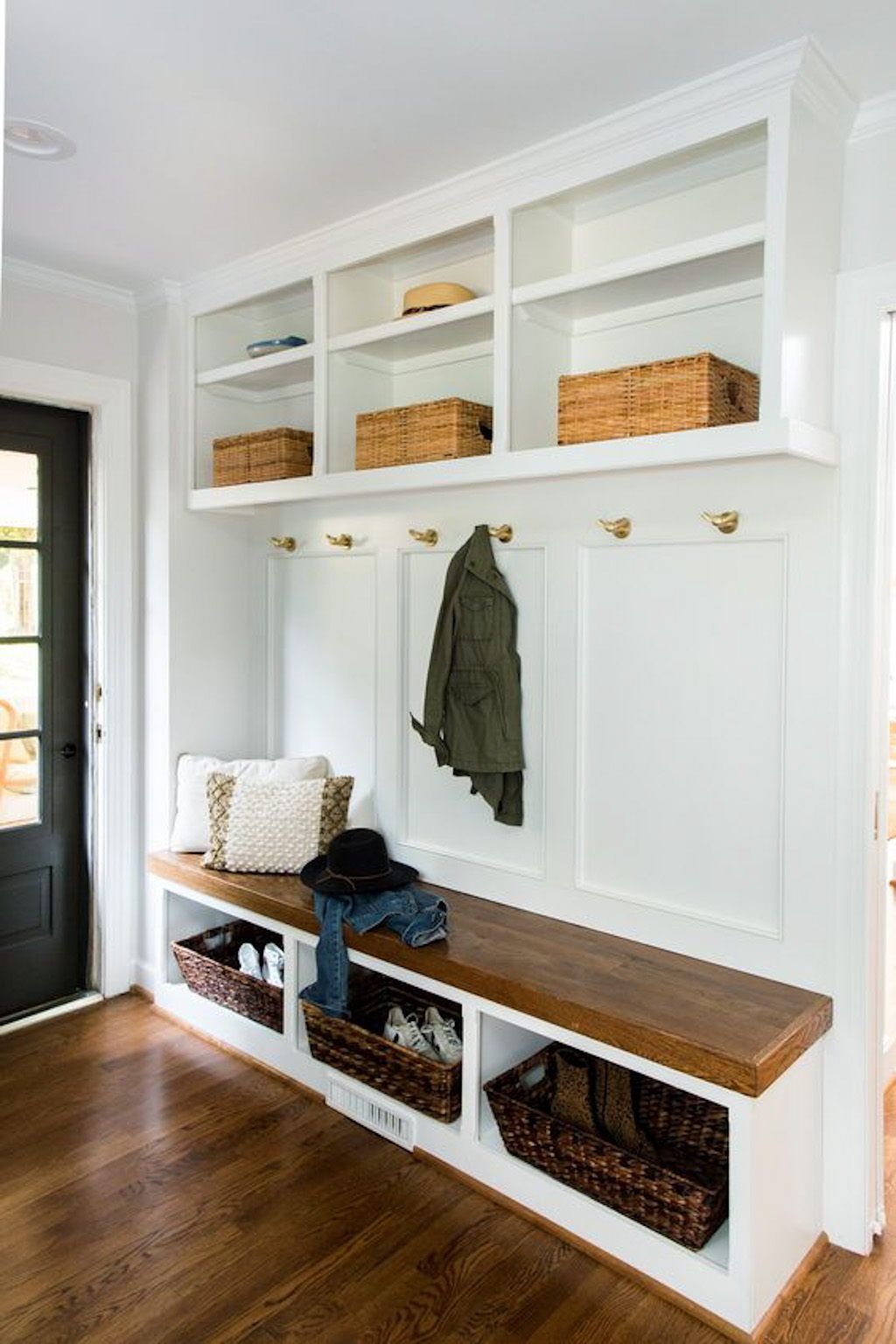
Small Space Solutions for a Mudroom Storage and Bench Without Clutter
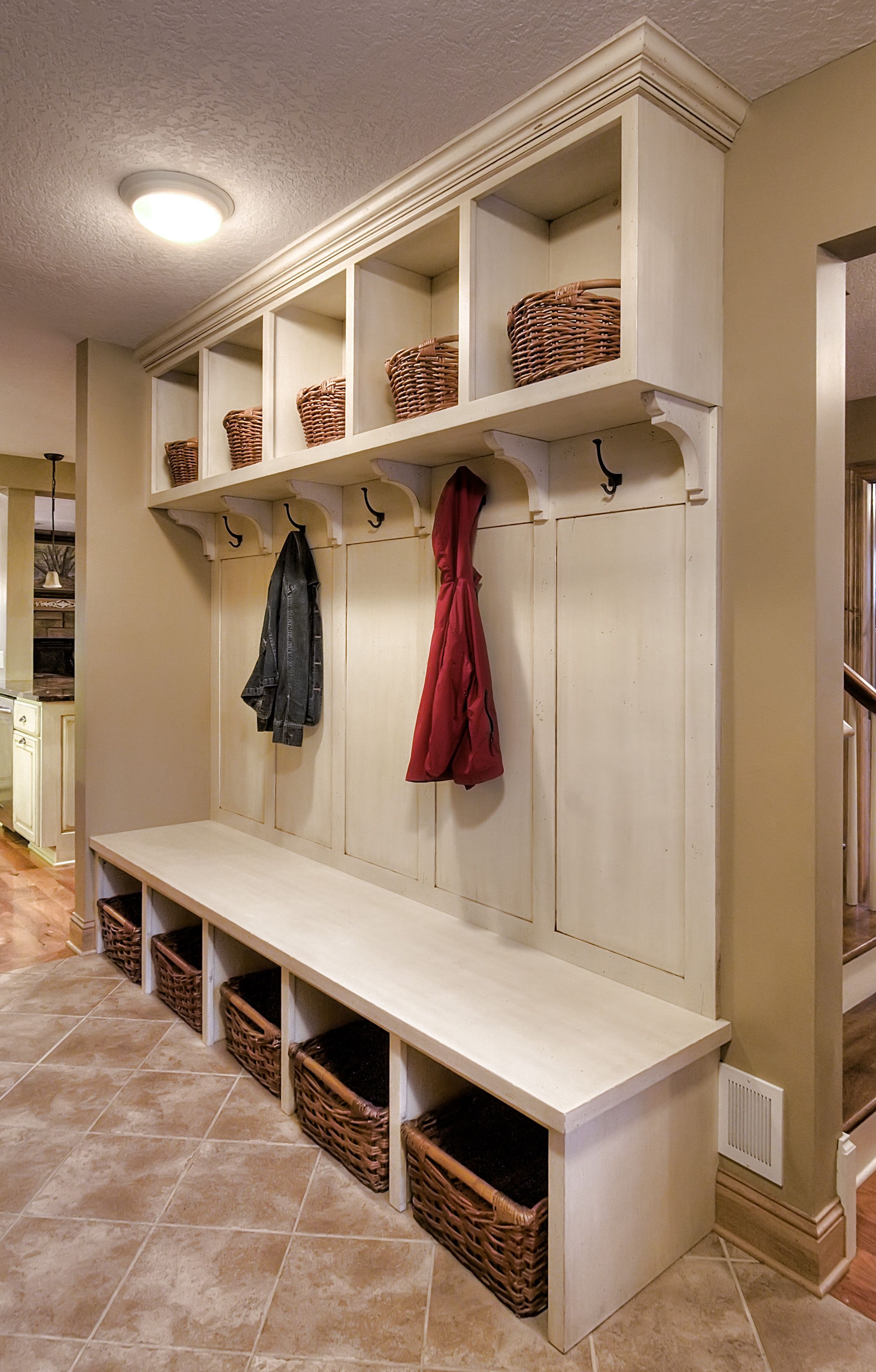
Mudroom Storage Ideas That Keep a Busy Entryway Tidy
Eco-Friendly Solutions for Common Garden Pests
Winter Glow: How Designer-Led Lighting Transforms Cold Spaces into Cozy Retreats

Coastal California living room design inspiration and shopping guide