Ever pulled the covers up on a chilly night only to realize one side is dangling off the edge while the other is bunched up at your feet? It’s frustrating. We’ve all been there. You think you bought the right size, but somehow, it just doesn’t feel right. Maybe it’s too small, leaving your toes exposed to the cold air. Or maybe it’s so huge it drags on the floor, collecting dust bunnies like a magnet.
Choosing a blanket for a full-size bed seems simple enough, right? Just grab one labeled "Full" and call it a day. But here’s the thing: not all "Full" blankets are created equal. And honestly, the label on the package doesn’t always tell the whole story. In 2026, with mattresses getting thicker and sleep styles evolving, the old rules don’t quite apply anymore.
Let’s fix that. This isn’t just about numbers on a tag. It’s about creating a sleep sanctuary that feels like a warm hug every single night. Whether you’re a solo sleeper who loves to sprawl or a couple sharing a cozy double, getting the size right changes everything. We’re diving deep into the dimensions, the drape, and the little details that make a massive difference in your comfort.
The Standard Numbers vs. Reality
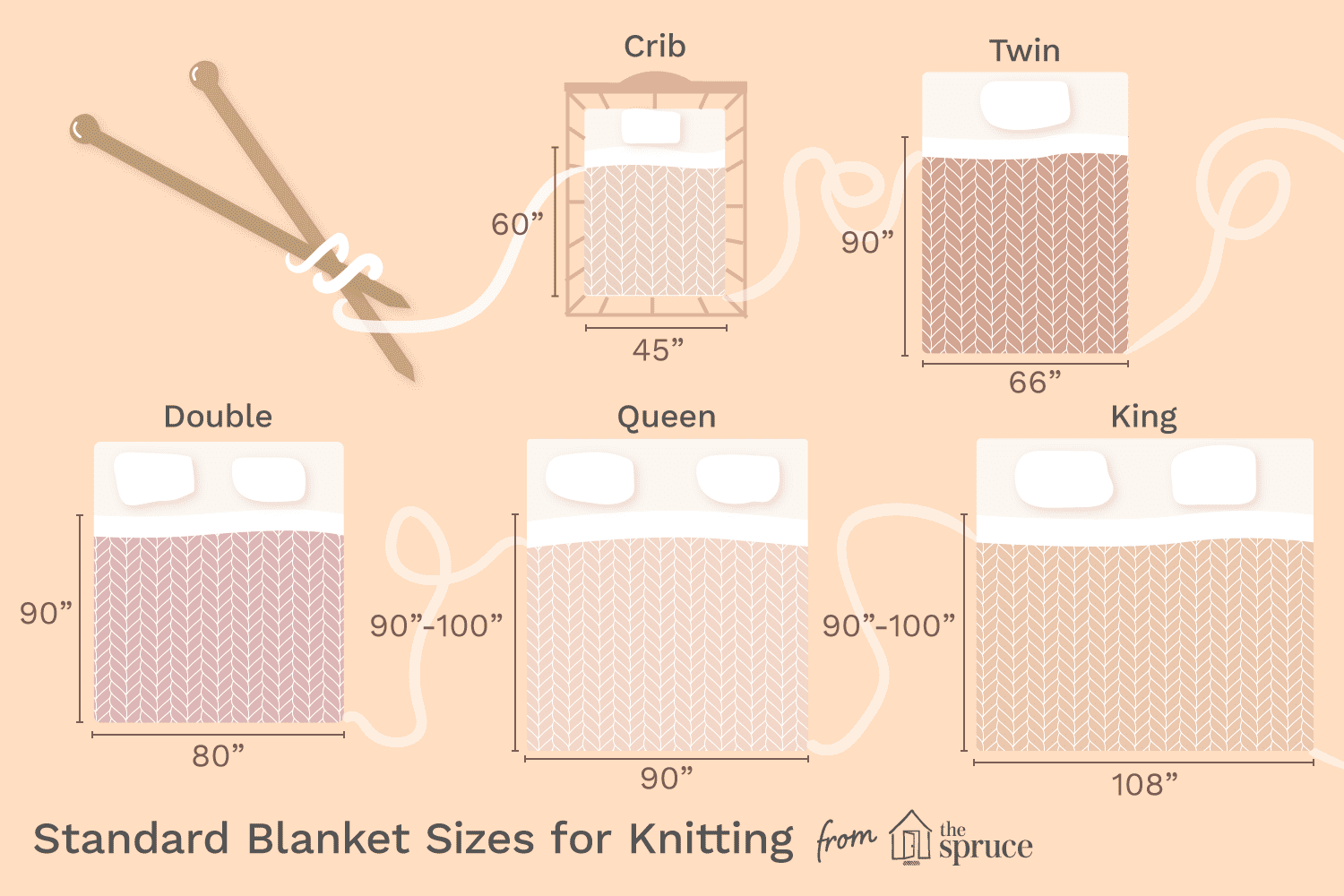
So, what’s the magic number? If you look at most charts from 2026, the standard blanket size for a full bed (also known as a double) is typically 80 inches by 90 inches. Some brands might list it as 90 by 90 inches, especially if they are aiming for a more generous drop. A full mattress itself measures 54 inches wide by 75 inches long. Do the math, and you’ll see why the standard blanket exists.
But here’s where it gets tricky. That 80x90 size assumes a standard mattress depth of about 10 to 12 inches. It gives you roughly 13 inches of overhang on each side and about 15 inches at the foot. Sounds good on paper. But walk into any bedroom today, and you’ll likely find a mattress that’s 14, 15, or even 18 inches thick thanks to those plush pillow tops everyone loves. Suddenly, that 13-inch side drop shrinks to barely covering the top edge.
If you’re using a standard 80x90 blanket on a thick modern mattress, you might find it tucks in too tightly or doesn’t reach the sides properly. It looks skimpy. It feels restrictive. This is why many experts now recommend sizing up. A queen-sized blanket, which usually measures 90 by 90 inches or sometimes 90 by 100 inches, often fits a full bed much better. It provides that luxurious drape we crave without looking like a twin sheet stretched too thin.
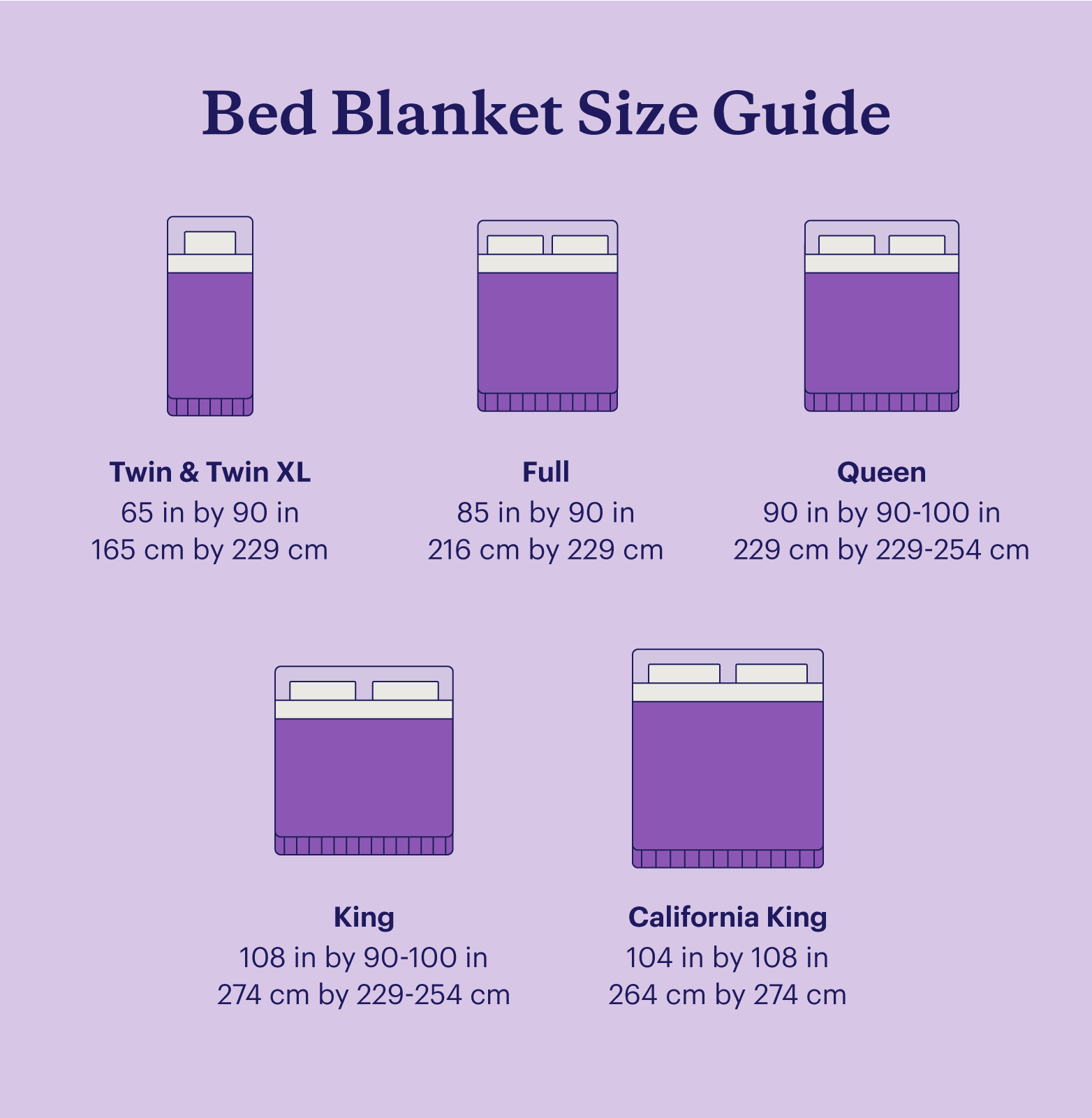
Don’t just trust the label. Measure your actual mattress height. Add that to your desired overhang. If you want a neat, tailored look, you need less fabric. If you love that billowy, hotel-style aesthetic, you need more. The "standard" is just a starting point, not a rule carved in stone. In fact, relying solely on the bed size label is one of the most common mistakes people make, leading to that awkward, ill-fitting look that ruins the vibe of the room.
Why Mattress Depth Changes Everything
Let’s talk about the elephant in the room: mattress thickness. Back in the day, mattresses were flat and thin. Today, they’re clouds. A typical full mattress in 2026 can range from a slim 8-inch memory foam layer to a hefty 16-inch hybrid beast. This variation drastically impacts how much blanket you actually need.
Think of it like buying pants. You wouldn’t buy the same waist size if you gained ten pounds, right? Same logic applies here. For every inch of mattress depth, you lose an inch of blanket drape on the sides and foot. If your mattress is 15 inches deep, a standard blanket with 13 inches of extra width per side won’t even cover the sides fully. It’ll sit right on top, looking like a fitted sheet rather than a cozy throw.
Here’s a quick breakdown to help you visualize:
Also, consider if you use a box spring or a platform bed. Platform beds sit lower, so you might get away with a smaller blanket if you want a minimalist look. But if you have a high-profile box spring, that height adds up fast. Measure from the top of the mattress to the floor if you want the blanket to touch the ground. Then add a few inches for pooling. It’s simple geometry, but it saves you from buying the wrong thing.
Ignoring depth is a recipe for disappointment. You might end up with a blanket that constantly slips off because it’s too tight, or one that looks stingy. Take two minutes with a tape measure. It’s worth it.
Solo Sleeper vs. Couples: The Space Factor
Who’s sleeping in this bed? This question matters more than you’d think. A full bed is often called a "double," implying it’s for two people. But in reality, it’s quite narrow for two adults. Each person gets only 27 inches of width. That’s less than a crib! So, how does this affect your blanket choice?
If you’re a solo sleeper, you have the luxury of choice. You can stick with a standard Full size (80x90) if you like things tidy. But many single sleepers prefer a Queen blanket (90x90) because it allows them to wrap up burrito-style without worrying about exposing their shoulders. You can pull it up high, tuck it under your feet, and still have plenty of room to move. It’s about freedom. You don’t have to share the warmth.
For couples, the dynamic shifts. Sharing a full bed means you’re close. Very close. If you use a standard Full blanket, there’s no excess fabric to fight over. If one person pulls it slightly, the other might get cold. This is where sizing up to a Queen blanket becomes almost essential. The extra 10 inches of width means each person gets a bit more coverage. It reduces the "tug-of-war" effect.
Consider your sleeping styles too. Are you a starfish sleeper who spreads out? Or do you curl into a tiny ball? Starfishes need more surface area. Curlers might be fine with less. Also, think about temperature regulation. If one of you runs hot and the other runs cold, you might actually benefit from two separate Twin XL blankets instead of one large one. This way, each person can customize their own coverage. It’s a hack many couples swear by in 2026.
Don’t forget the pets. If your dog or cat jumps in bed, they need space too. A larger blanket ensures everyone stays warm without kicking anyone off. It’s the little things that make co-sleeping harmonious.
Style and Drape: Making It Look Good
Let’s be honest. We don’t just sleep in our beds; we look at them. The way a blanket hangs can make a room feel polished or messy. Achieving that perfect drape is an art form. It’s about balance. Too little fabric looks sparse. Too much looks sloppy.
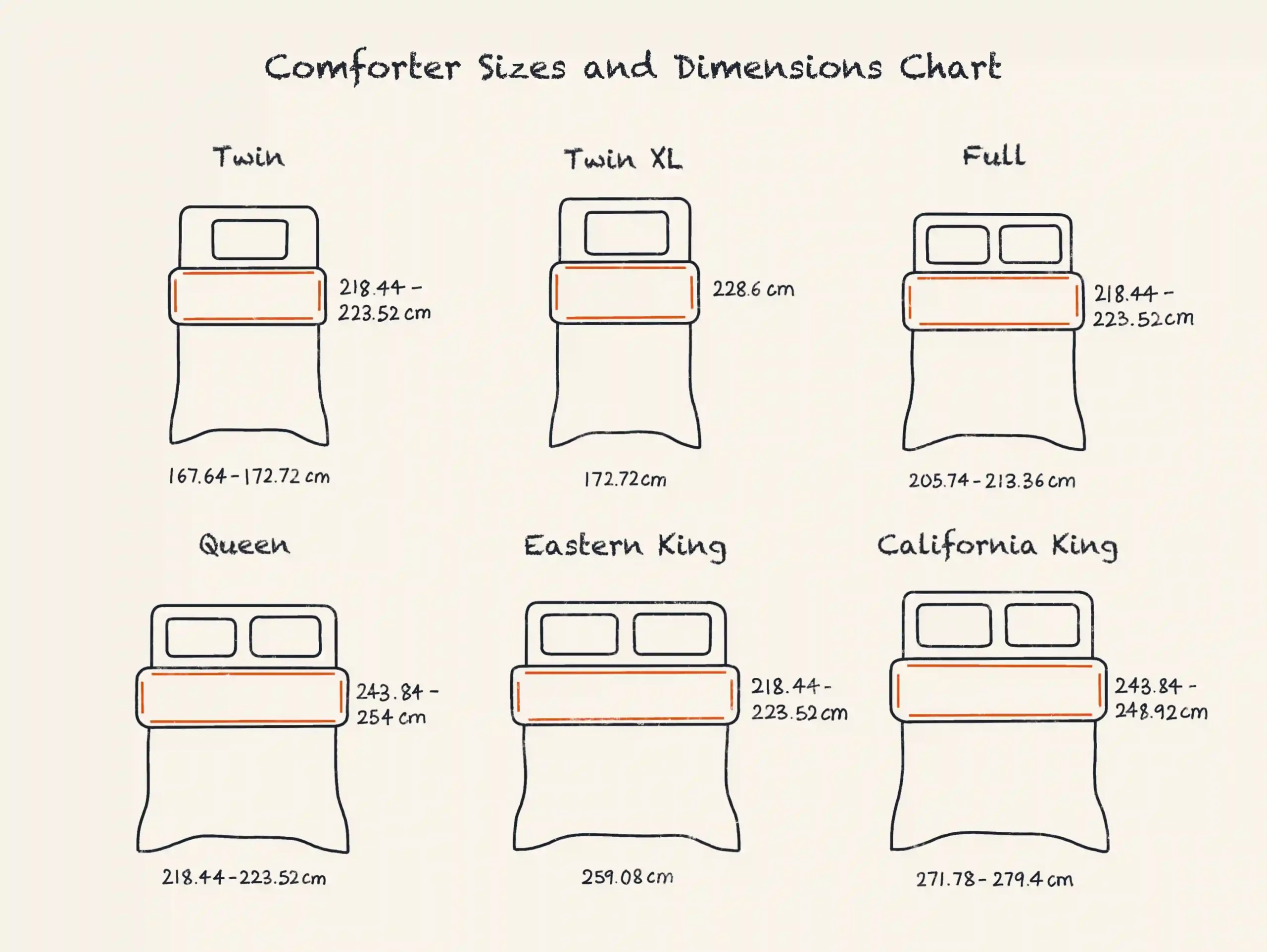
For a tailored, modern look, aim for a drop of 10 to 15 inches on the sides and foot. This keeps the blanket neatly on the mattress, showcasing the bed frame or headboard. It’s clean. It’s crisp. This works well in minimalist bedrooms or smaller spaces where you don’t want visual clutter. To achieve this, measure your mattress width and add 20-30 inches total. For a 54-inch full bed, that’s roughly 74-84 inches wide. So, a standard 80-inch wide blanket hits this mark perfectly.
For a luxurious, inviting look, go for a drop of 18 to 24 inches or more. This creates soft folds and pools slightly on the floor. It screams comfort. It invites you to dive in. This style is popular in boutique hotels and cozy cottages. To get this effect, you need more fabric. A Queen blanket (90 inches wide) on a full bed gives you 18 inches of drop on each side (assuming a 10-inch mattress). If you have a thicker mattress, you might need to size up again or layer a throw at the foot.
Layering is another pro tip. Use a fitted sheet or a thin coverlet that matches the mattress size exactly. Then, drape your larger blanket over it. This adds texture and depth. You can fold the top third of the blanket back to show off the layers. It’s a simple styling trick that makes any bed look expensive.
Color and pattern play a role too. A solid, neutral blanket hides wrinkles and drapes smoothly. A busy pattern might look chaotic if it’s bunched up. If you love bold prints, ensure the fit is neat so the design shines. Remember, the goal is to create a space that feels restful. Visual clutter can subconsciously raise stress levels. Keep it intentional.
Material Matters: Weight and Warmth
Size isn’t the only factor. The material determines how the blanket behaves. A heavy wool blanket hangs differently than a lightweight cotton quilt. Understanding this helps you choose the right size for the right feel.
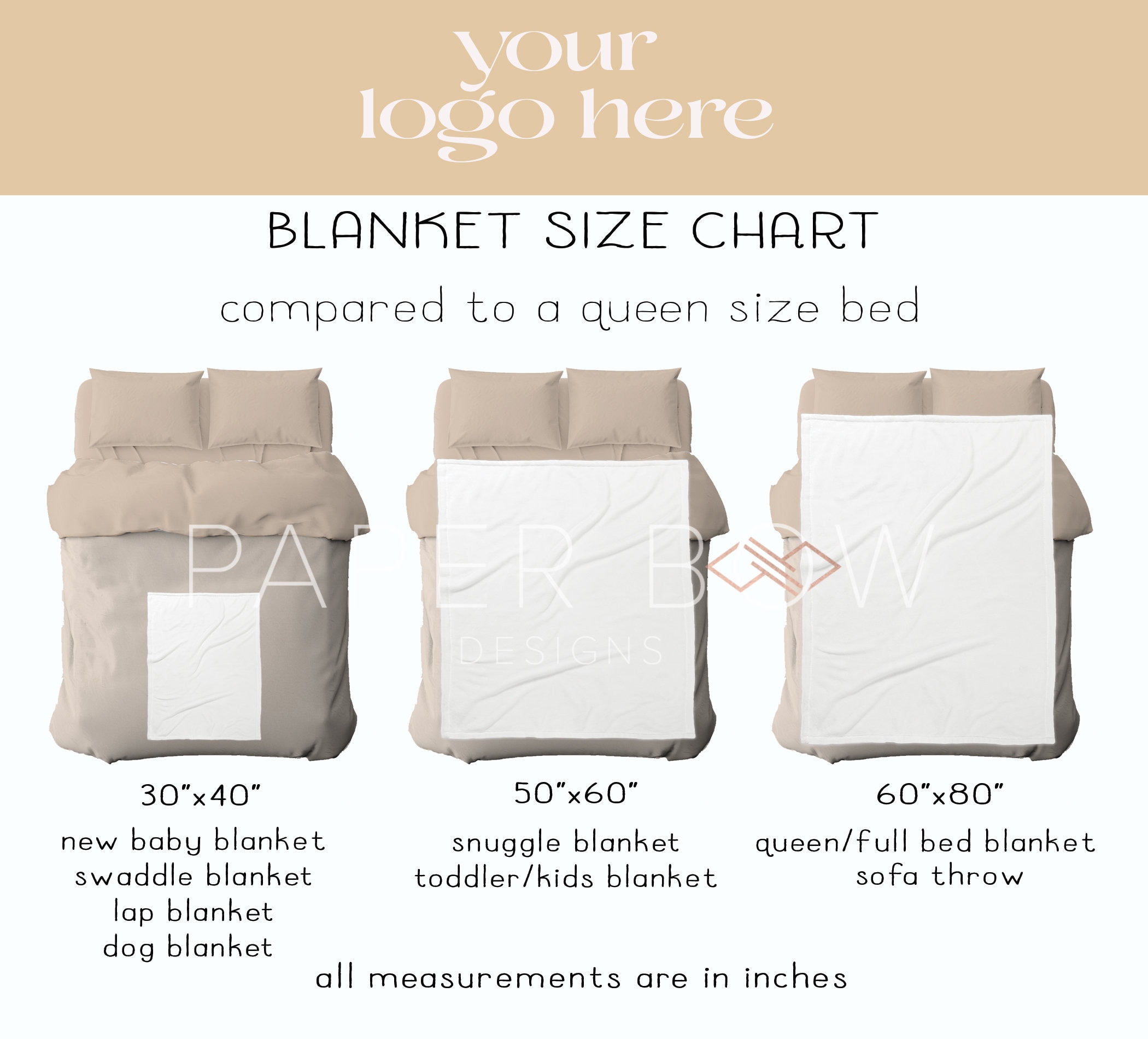
Heavy materials like wool, weighted blankets, or thick knits tend to stay in place better. They don’t shift around as much. However, they can feel restrictive if they’re too small. If you buy a weighted blanket, stick close to the mattress dimensions or go slightly larger. You don’t want it hanging off the edges too much, as the weight can pull it down unevenly. For a full bed, a 80x90 weighted blanket is usually ideal for one person. For two, consider two smaller ones.
Lightweight materials like cotton, linen, or microfiber are more fluid. They drape beautifully but can slip off easily if they’re too small. If you love the feel of airy linen, size up. A Queen size linen blanket on a full bed allows for that effortless, rumpled chic look without constantly readjusting. These fabrics breathe well, making them great for year-round use.
Then there’s warmth. If you live in a cold climate, you might layer multiple blankets. A thin throw over a heavier duvet. In this case, the top layer can be smaller since it’s just for accent warmth. But the base layer needs to fit well. Don’t skimp on the base. If your primary blanket is too small, no amount of layering will fix the cold spots.
In 2026, sustainable materials are huge. Bamboo, organic cotton, and recycled fibers are popular. These materials often have different textures. Bamboo is silky and slippery, so it might need a larger size to stay put. Organic cotton is stiffer initially but softens over time. Consider how the fabric feels against your skin and how it moves. A stiff blanket might crackle and shift, while a soft one molds to your body.
Common Mistakes and How to Avoid Them
Even with the best intentions, things go wrong. Here are the most common pitfalls people face when buying full bed blankets, and how to sidestep them.
Mistake 1: Ignoring the Pillow Tuck. Many people forget that they might want to tuck the blanket under their pillows for a neat look. If you plan to do this, you need extra length. Add 10-15 inches to the length of your blanket. So, instead of 90 inches long, look for 100-105 inches. Otherwise, you’ll be pulling the blanket up from the foot, leaving your toes cold.
Related Posts

How to Score a Free Adjustable Base With Your Mattress in 2026
What Interior Designers Look for When Choosing a Durable Wooden Bed Frame with Drawers
How to Pair Your Serta Mattress with the Right Box Spring for 2026
How to Stop Your King Memory Foam Mattress Protector from Crinkling and Slipping
Why a Wall Bed with Dining Table Is the Smartest Choice for Modern Living
Stop the Wobble and Sleep Soundly with a Truly Sturdy King Bed Frame
Mistake 2: Assuming "Full" Means One Size. As we discussed, brands vary. One company’s Full is another’s Small Queen. Always check the actual inch dimensions, not just the name. Write them down. Compare them to your mattress. Don’t assume. This simple step saves countless returns.
Mistake 3: Forgetting About Shrinkage. Natural fibers like cotton and wool shrink in the wash. Sometimes up to 5-10%. If you buy a blanket that fits perfectly brand new, it might be too small after the first laundry cycle. Buy slightly larger if you plan to machine wash it frequently. Look for pre-shrunk labels if you want precision.
Mistake 4: Overlooking the Bed Frame. Does your bed have a footboard? High side rails? These can interfere with how a blanket hangs. If you have a high footboard, a long drape might look messy or get caught. You might prefer a shorter blanket that sits neatly on top. Measure the visible part of the mattress, not just the mattress itself.
Mistake 5: Buying for Today, Not Tomorrow. Are you planning to upgrade your mattress soon? Moving to a bigger bed? If so, maybe invest in a larger blanket now that can transition with you. A Queen blanket works on a Full bed now and will still work on a Queen bed later. It’s a smarter long-term investment.
Avoiding these errors takes a bit of forethought. But it pays off in comfort and aesthetics. Think of it as designing your sleep experience, not just buying a product.
Finding the perfect blanket size for your full bed isn’t rocket science, but it does require a bit of attention to detail. It’s about balancing numbers with feelings. The right size makes you feel secure, warm, and relaxed. The wrong size leaves you fidgeting and frustrated.
Start with your mattress dimensions. Add your preferred drape. Consider who’s sleeping there. Think about the look you want. And don’t forget the material. When you combine all these factors, you’ll land on a size that feels just right. For most people in 2026, sizing up to a Queen blanket for a Full bed is the sweet spot. It offers versatility, comfort, and style.
Remember, your bed is your retreat. It’s where you recharge. Don’t settle for a blanket that barely covers you. Invest in one that wraps you in comfort. Measure twice, buy once. And enjoy those cozy nights ahead. After all, life’s too short for cold toes and ill-fitting covers. Sleep well.
