
Every Amish walnut dining chair tells a story of patience, precision, and dedication to quality. These beautiful pieces aren't just furniture—they're heirlooms that connect us to centuries of woodworking tradition. What makes them so special isn't just the rich, dark wood, but the careful attention to detail that goes into each chair.
If you've ever sat in a classic Amish walnut dining chair, you know there's something different about the experience. The solid construction, the smooth finish, and the way it holds up over decades speaks volumes about the craftsmanship involved. These chairs aren't mass-produced—they're made by skilled artisans who follow methods passed down through generations. The process might seem simple on the surface, but underneath lies a complex web of traditional techniques that ensure every chair meets the highest standards of durability and beauty. Whether you're considering purchasing one or simply want to appreciate the artistry behind it, understanding how these chairs are built gives you a deeper appreciation for what you're looking at.
The Foundation of Quality: Wood Selection
The journey begins with choosing the right timber. Amish craftsmen prefer heartwood from mature walnut trees, typically aged between 80 and 150 years. This older wood offers superior strength and stability compared to younger timber. The heartwood naturally contains more tannins, which provide resistance to insects and decay. Craftsmen often look for wood with straight grain patterns and minimal knots, though some character marks add to the chair's charm. The wood must also be properly seasoned, usually taking two to three years to dry completely. This ensures the chair won't warp or crack over time. Many Amish shops have their own kilns or work with local suppliers who specialize in properly dried lumber. The selection process alone can take several days, as artisans carefully examine each piece for flaws and characteristics that will affect the final product.
Traditional Joinery Techniques
One of the most impressive aspects of Amish chair construction is the joinery method used. Instead of relying on nails or screws, craftspeople use mortise and tenon joints, dovetails, and other traditional wooden connections. These joints are cut by hand using specialized tools like chisels, planes, and saws. The mortise and tenon joint involves cutting a hole (mortise) in one piece of wood and creating a projecting piece (tenon) on another that fits perfectly inside. When done correctly, these joints create incredibly strong connections that can last for centuries. Dovetail joints are commonly used for drawer construction and seat frames, providing both strength and visual appeal. The craftsmanship required for these joints means each chair takes significantly longer to build than machine-made alternatives. A single chair might require dozens of individual joints, each requiring precise measurement and careful execution. Some artisans even use traditional techniques like the mortise and tenon with a wooden peg rather than glue, creating joints that can be disassembled if needed.
Handcrafted Shaping and Assembly
Once the wood is selected and joints are prepared, the actual shaping begins. Amish craftsmen rely heavily on hand tools rather than power tools, which allows for greater control and precision. They start with rough shaping using hand planes, rasps, and files to remove excess material and establish basic forms. The seat is carefully carved to provide comfort while maintaining structural integrity. Backrests are shaped with attention to ergonomics, ensuring they support the spine properly. The legs are turned on a lathe, though many craftspeople still prefer hand-turning for certain designs. Each piece is meticulously measured and tested before moving to the next stage. Assembly requires patience and skill, as each component must fit perfectly. The chair is built in sections—seat, back, legs, and arms—and then carefully joined together. During assembly, craftsmen often use traditional methods like wooden wedges or clamps to hold pieces in place while the wood settles naturally. Some artisans even use traditional lubricants like beeswax or linseed oil during assembly to reduce friction and improve fit.
Finishing Secrets That Last Generations
The finishing process is where the magic truly happens. Amish craftsmen use traditional finishes that protect the wood while enhancing its natural beauty. They often apply multiple thin coats of shellac or tung oil, allowing each coat to dry thoroughly before sanding lightly between applications. This process can take weeks to complete, but it creates a surface that's both durable and beautiful. Shellac provides excellent protection against moisture and wear, while tung oil penetrates deeply into the wood grain, bringing out rich color variations. Many craftspeople also use traditional methods like hand-rubbing finishes, which allows them to feel the wood texture and ensure even coverage. The final result is a smooth, protective layer that can withstand daily use while maintaining the wood's natural appearance. Some artisans even incorporate traditional techniques like applying a beeswax finish, which provides a subtle sheen and easy maintenance. The finishing process also includes careful attention to details like edge treatments and corner protection.
Attention to Detail and Ergonomic Design
What sets classic Amish chairs apart is the meticulous attention to comfort and function. The seat height, back angle, and arm placement all follow traditional proportions that have been refined over centuries. Craftsmen consider how the human body interacts with the chair, ensuring proper support for the spine and comfortable seating position. The backrest often features a gentle curve that follows the natural shape of the upper back, while the seat depth is measured to accommodate different body types. Armrests are positioned to allow natural shoulder movement and provide support when sitting. Many chairs feature a slight curve in the seat that encourages good posture. The overall dimensions follow time-tested ratios that have proven effective for generations of users. Some craftsmen even measure their clients' body dimensions to create custom-fit chairs, though this is less common in traditional Amish shops. The attention to these small details makes the difference between a functional piece and a truly comfortable one.
Quality Control and Longevity Standards
Every Amish chair undergoes rigorous testing before it leaves the workshop. Craftspeople check for structural soundness, proper alignment of joints, and overall balance. They test the chair's stability by applying weight in various positions to ensure it won't wobble or lean. The wood is examined for any signs of stress or weakness that might develop over time. Many craftsmen also perform a final inspection of the finish, checking for smoothness and even coverage. Some shops have specific quality standards that must be met before a chair can be sold. This might include testing the chair's load capacity, examining the finish under different lighting conditions, or ensuring all hardware is properly attached. The commitment to quality extends beyond the initial construction, with many craftsmen offering lifetime guarantees on their work. These quality checks are essential because Amish chairs are meant to be family heirlooms, often lasting three to four generations.
Classic Amish walnut dining chairs represent more than just furniture—they embody a philosophy of craftsmanship that values quality over quantity. Every step of the construction process reflects this commitment, from selecting the finest wood to applying traditional finishes that protect and enhance the natural beauty of the material. The time invested in learning these skills, the patience required to execute each joint perfectly, and the dedication to creating lasting pieces shows in every chair. While modern manufacturing might offer speed and consistency, nothing compares to the character and durability that comes from traditional handcrafting. These chairs are built to be passed down through families, serving generations of users while maintaining their structural integrity and aesthetic appeal. Understanding these construction methods helps us appreciate not just the final product, but the skill, tradition, and care that went into making it. The next time you sit in an Amish walnut chair, remember that you're experiencing centuries of woodworking wisdom and dedication to excellence.


Related Posts

Kitchen Island vs Peninsula Compared for Flow Storage and Everyday Use
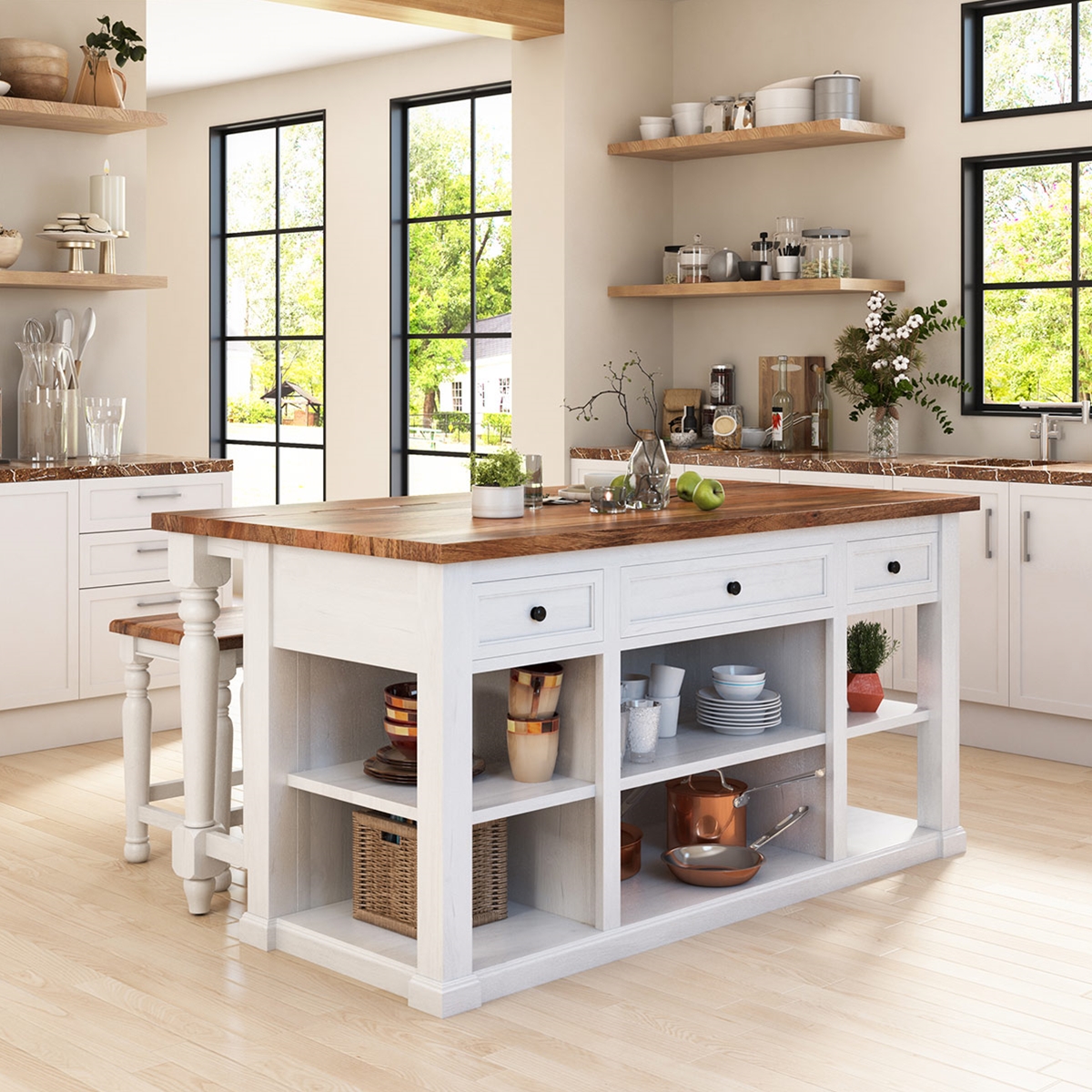
Smarter Ways to Plan a Functional Kitchen Island for Modern Living in 2026
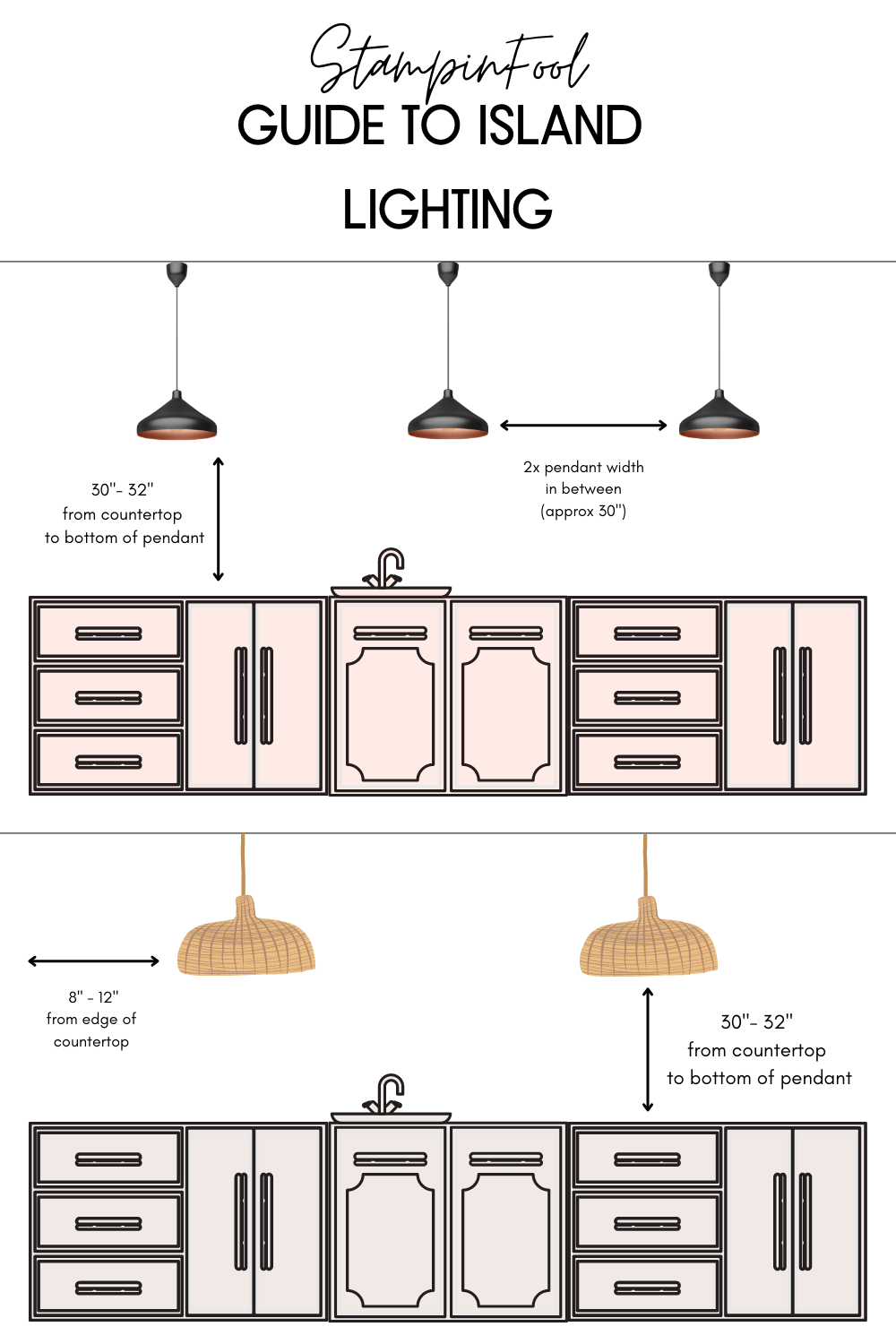
How to Layer Kitchen Island Lighting for Both Cooking and Gathering
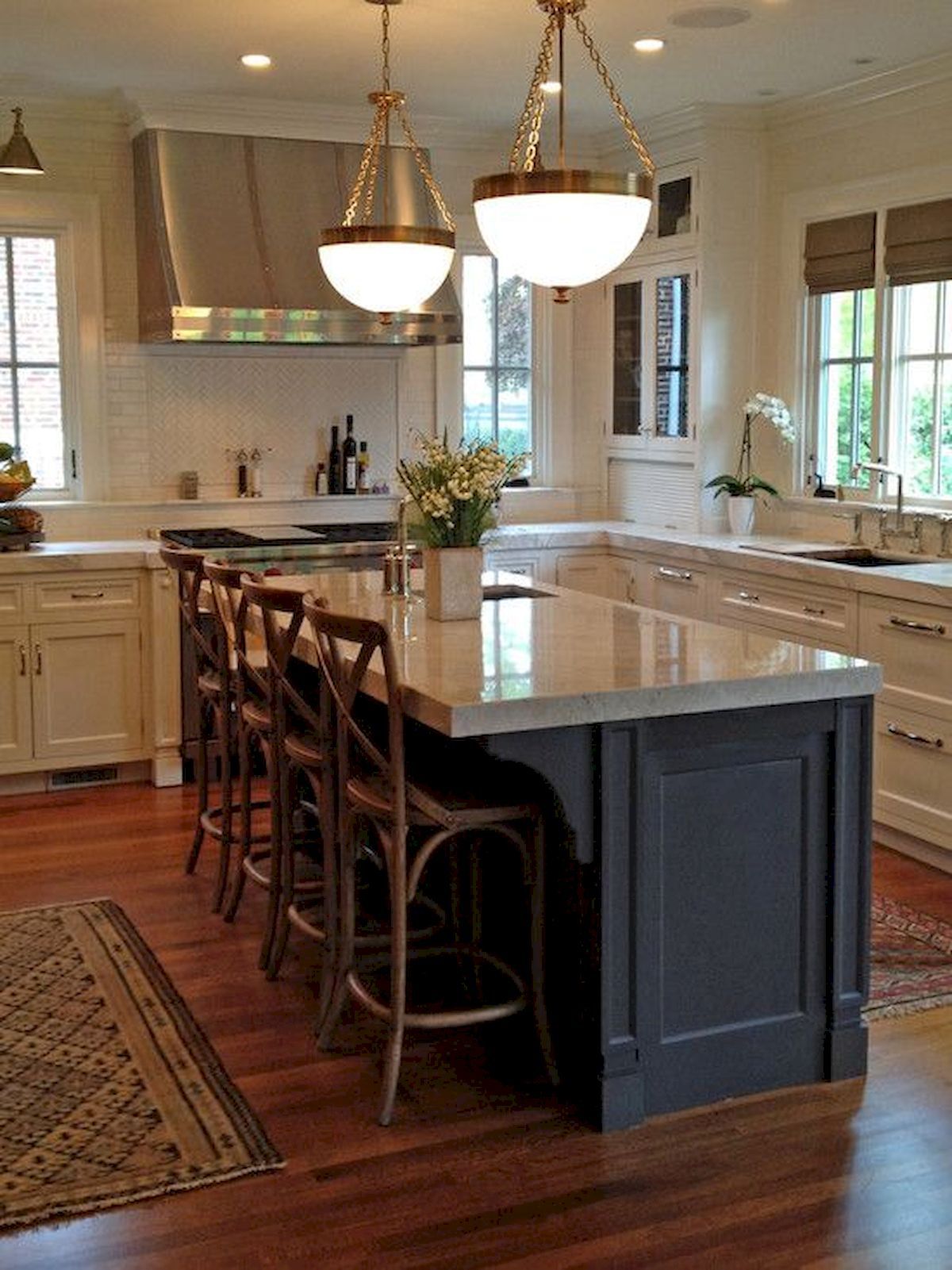
Rethinking Your Kitchen Island Layout With Ideas Grounded in Real Everyday Use

The practical benefits of using 24x48 porcelain stone effect tiles in homes

