The autumn air carries the sharp scent of damp earth and woodsmoke, and down the street, a familiar orange glow begins to flicker against porch columns. October arrives with an implicit challenge for homeowners who take seasonal decorating seriously: the front entrance. Standing on a cold front porch at dusk with a tangled mess of orange incandescent lights and a box of brittle plastic skulls from five years ago is a rite of passage, but rarely a triumph. Transforming a standard residential doorway into an immersive threshold requires more than generic store-bought novelties. It demands an understanding of architectural framing, lighting design, material physics, and the subtle psychology of suspense.
Over the past decade, the standard for residential holiday staging has shifted dramatically. What used to be a simple carved pumpkin on a top step has evolved into theatrical, multi-dimensional installations that draw neighborhood crowds. Consumers now spend billions annually on seasonal displays, pushing the envelope from flat cardboard silhouettes to motion-activated animatronics, architectural projection mapping, and custom floral and botanical arrangements that rival professional event styling. Yet, despite the explosion of high-tech options, the front door remains the focal point because it operates as a physical threshold. Crossing that line triggers a psychological shift in every trick-or-treater or party guest who approaches your home.
Mastering halloween doorway decorations requires a blend of theatrical staging and rigorous property maintenance. A display that looks breathtaking on Pinterest can easily become a tangled safety hazard, a victim of an October windstorm, or a permanent casualty of adhesive residue on historic wood trim. Achieving a professional look involves respecting the lines of your house, investing in hardware that protects your investment, and layering textures that read well both in the harsh afternoon sun and under the moody amber glow of dusk. Whether you lean toward classic gothic romance, cinematic horror, or whimsical autumn harvest, the secret lies in preparation, depth, and structural integrity.
Engineering the Threshold: Structural Framing and Architectural Psychology
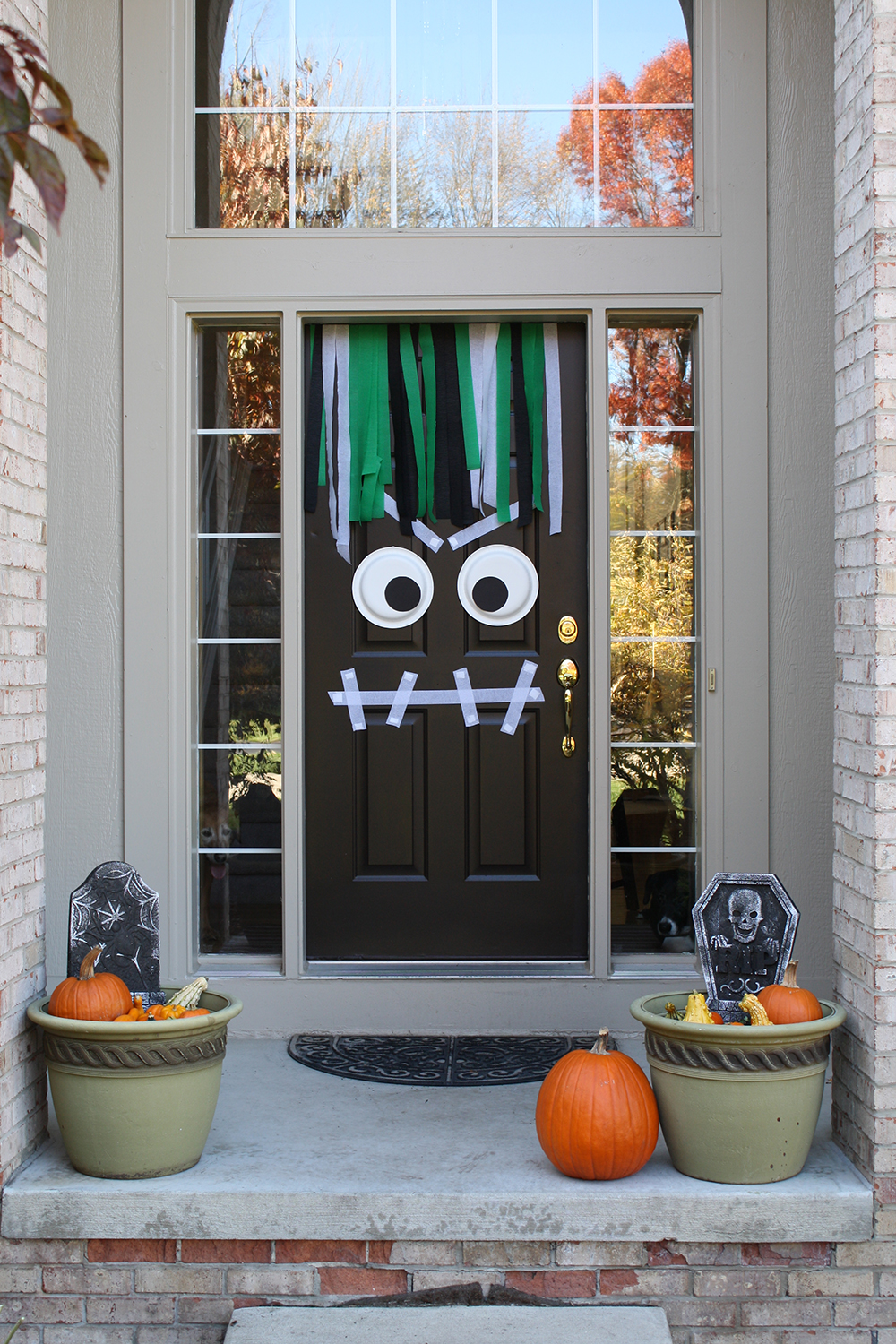
Your front door is a natural focal point, possessing built-in lines that dictate symmetry, height, and depth. Ignoring the architecture of your entryway is the primary reason amateur displays often look cluttered or chaotic. A Craftsman bungalow with heavy wooden pillars requires a vastly different decorating strategy than a mid-century modern ranch with clean horizontal lines or a colonial revival with a symmetrical portico. The goal is to frame the portal, drawing the eye inward toward the handle and threshold where the ultimate interaction—the opening of the door—takes place.
Working with verticality is the fastest way to elevate an ordinary entryway into a cinematic experience. Most people decorate only the floor level, placing pumpkins and lanterns on the welcome mat where they get kicked, tripped over, or ignored. True visual weight requires a three-tiered approach: ground level, mid-line (eye level), and overhead. Garland, oversized faux spiderwebs, hanging lanterns, and climbing flora can anchor the upper corners of the doorframe, pulling the observer’s gaze upward and making the entire entrance feel grander and more imposing.
Psychologically, doorways represent liminal spaces—boundaries between the safety of the outside world and the unknown interior. Effective halloween doorway decorations play on this tension by obscuring the boundary just enough to create anticipation. Placing sheer black netting or wispy cheesecloth across the upper transom, or positioning lighting so that shadows stretch unnaturally across the threshold, triggers a visceral response. When visitors have to duck under a massive, realistic spider leg or step through a glowing archway, the transition from pedestrian to participant is complete, setting the stage for the entire holiday experience.
Material Science and Weatherproofing: Protecting Your Investment
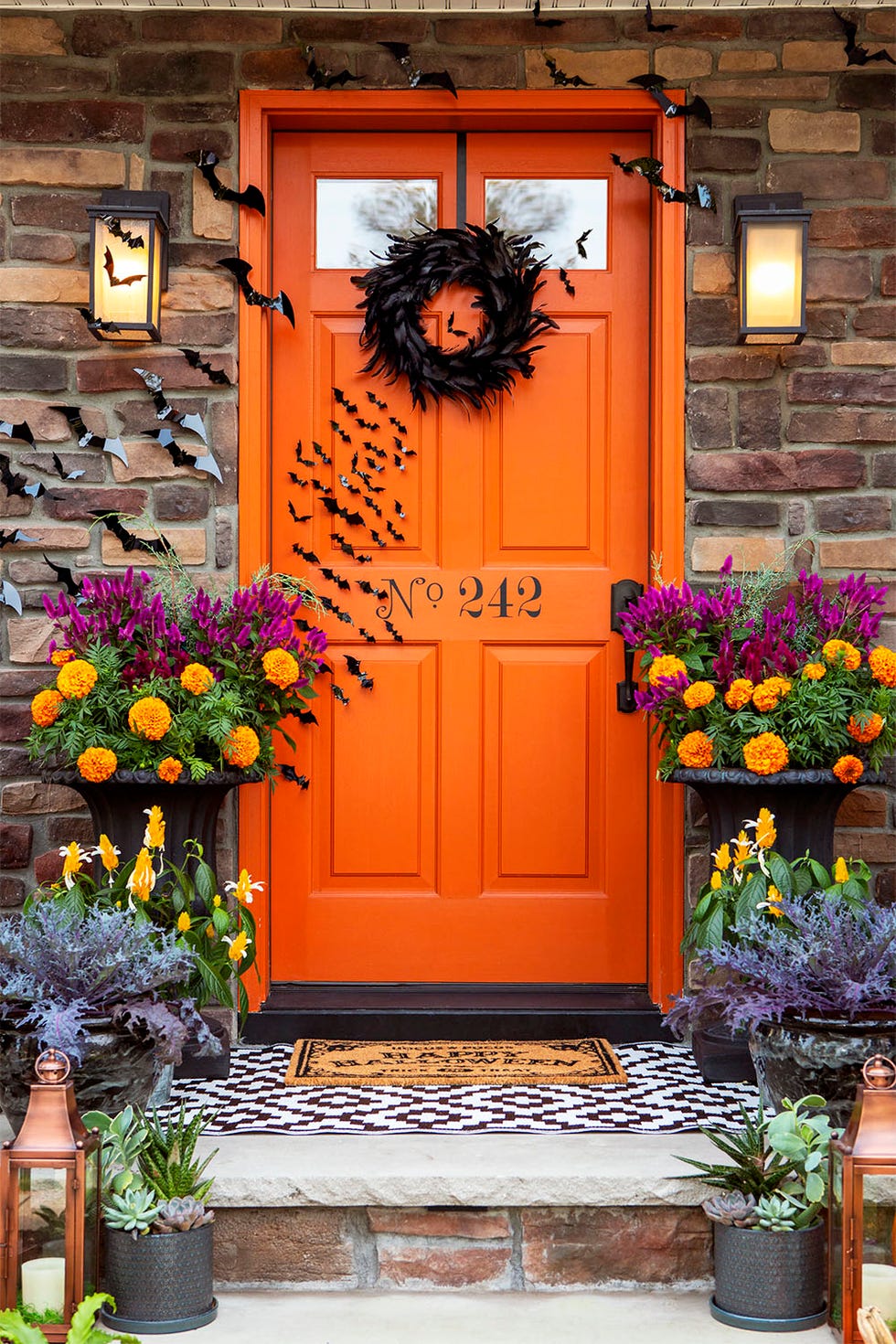
October weather is notoriously fickle. A display that withstands a mild Tuesday afternoon can easily be destroyed by a sudden autumn nor'easter featuring fifty-mile-per-hour gusts and relentless driving rain. Cheap plastic components crack in freezing temperatures, flimsy wire frames bend under the weight of moisture, and untreated wood or paper mache elements warp and dissolve within hours. Sourcing commercial-grade or weather-resistant materials is the hidden difference between a display that lasts all month and one that ends up in the recycling bin on October 15th.
When selecting structural elements like arches, columns, and heavy props, prioritize marine-grade plywood, UV-resistant resins, heavy-gauge galvanized steel wire, and outdoor-rated textiles. For textiles such as burlap, cheesecloth, or faux spider webbing, look for synthetic blends treated with water-repellent sprays. Natural fibers absorb moisture, adding significant weight to hanging structures and creating a breeding ground for mold and mildew that can stain your home's exterior siding. Furthermore, lighting components must carry a strict minimum rating of IP44 for outdoor splash resistance, though IP65 is vastly preferred for exposed porches subject to heavy rain.
Securing your installations without damaging your home is another technical hurdle that separates novices from veterans. Standard masking tape or duct tape will peel paint, leave stubborn adhesive residues that bake in the sun, and inevitably fail under the weight of heavy decor. Instead, rely on specialized hanging hardware such as non-penetrating brick clips, vinyl siding hooks, heavy-duty suction cups with locking levers, and adjustable tension rods placed within doorframes. For masonry, use removable high-bond mounting tapes specifically rated for exterior brick and concrete, ensuring a clean removal process on November 1st.
Step-by-Step Practical Implementation Guide
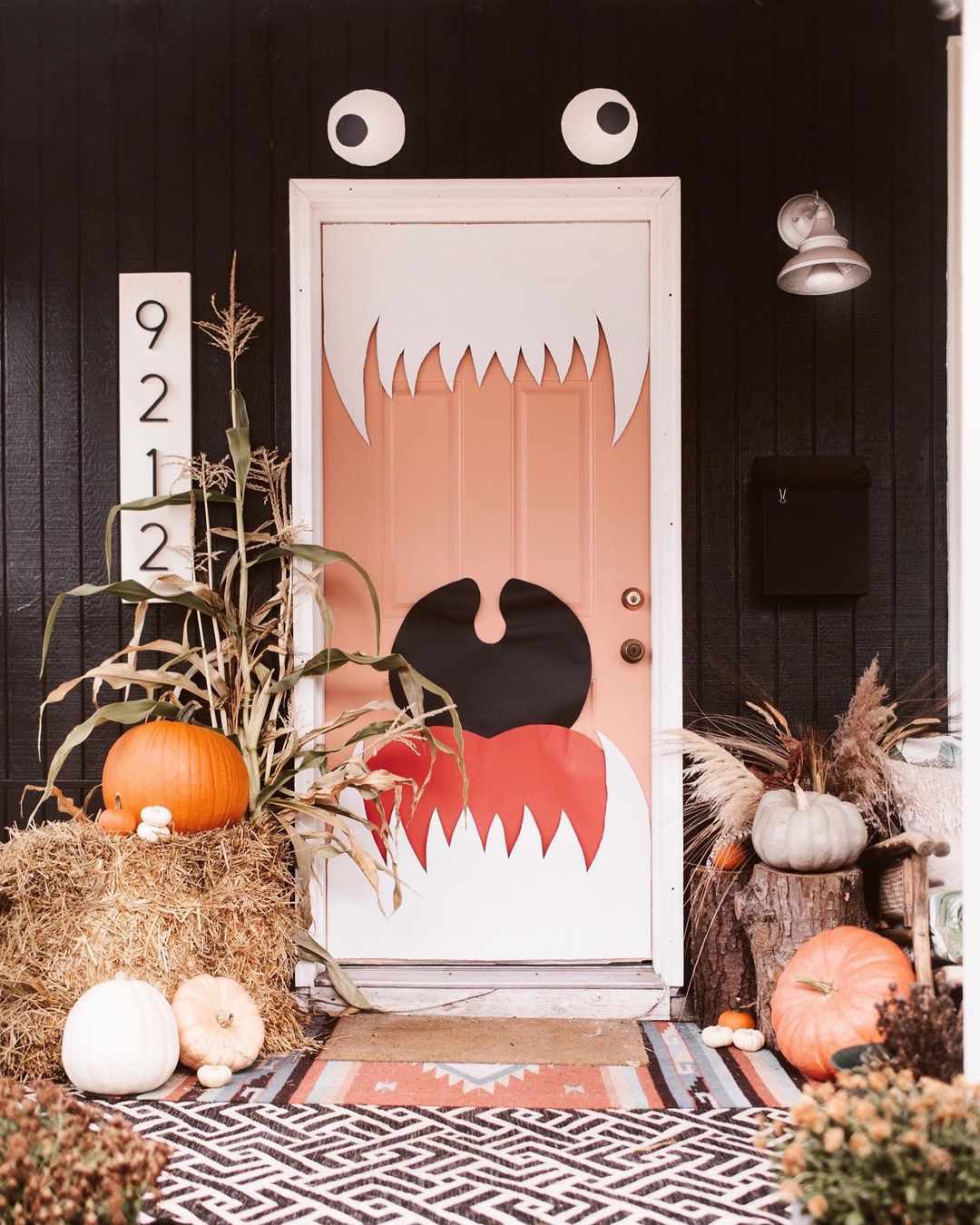
Executing a cohesive, professional-grade doorway transformation requires a systematic approach that builds visual weight from the background forward. Rushing straight to hanging props without a plan leads to tangled wires, blocked walkways, and a disjointed aesthetic.
Common Pitfalls and Field-Tested Workarounds
Even experienced decorators occasionally fall into traps that compromise safety, aesthetics, or neighborhood harmony. Anticipating these missteps saves time, money, and potential frustration during peak decorating season.
The Evolution of Entryway Design: Smart Tech and Sustainable Practices
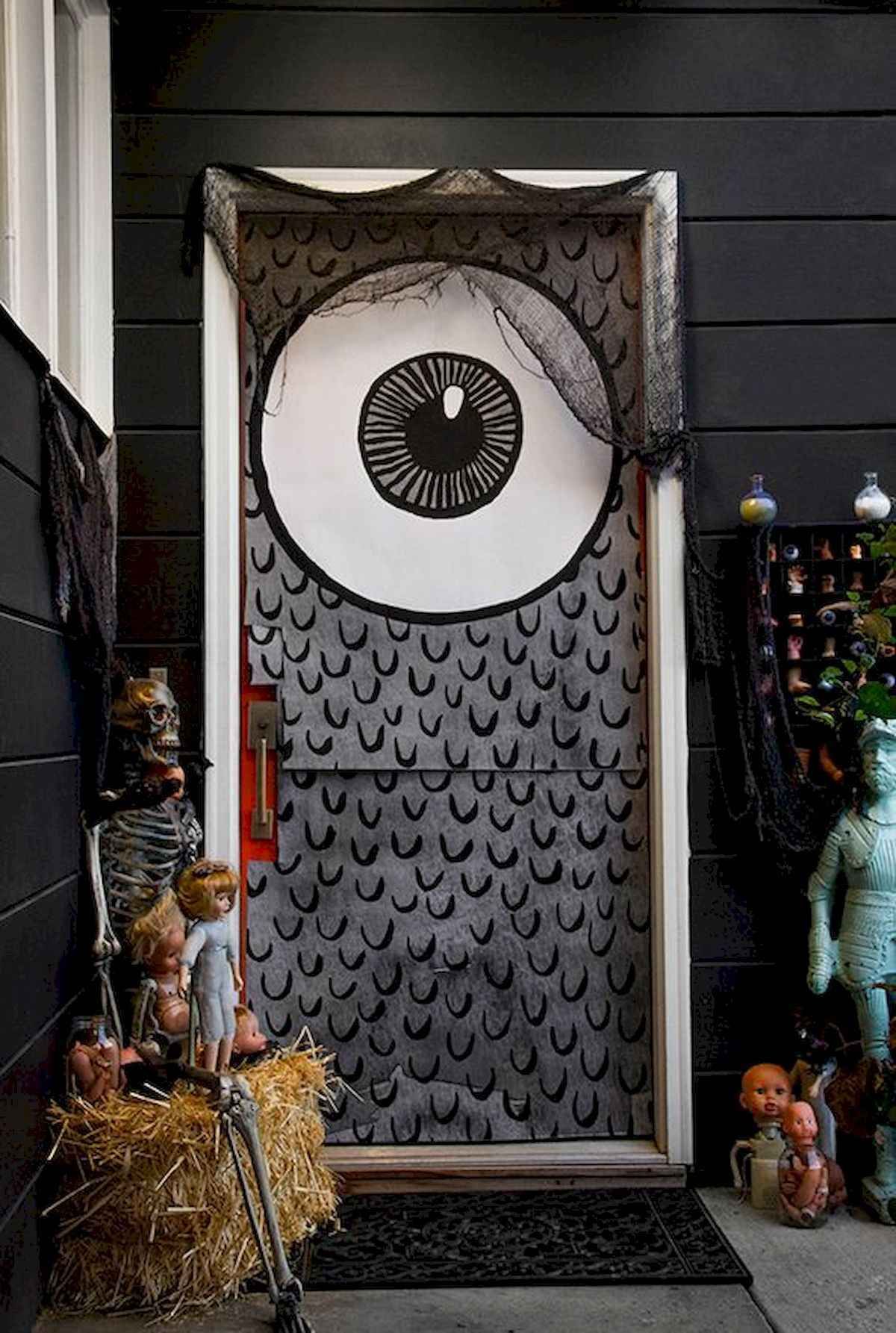
The world of seasonal decorating has evolved far beyond static plastic skeletons and flickering candles. Modern front porch design increasingly integrates smart-home technology, allowing homeowners to synchronize lighting displays with custom audio soundscapes, ambient wind howling, or sudden thunderstorms triggered by motion sensors hidden in the porch roof. Smart plugs and Wi-Fi-enabled lighting controllers let you program dynamic lighting schedules that shift from a subtle amber glow during the early evening to high-contrast strobe effects or pulsing red hues as peak trick-or-treating hours arrive, all controlled seamlessly from a smartphone.
Simultaneously, a major cultural shift toward sustainability has transformed how practitioners approach seasonal installations. Traditional holiday decorating has historically generated immense waste through disposable plastic items that break after a single season and end up in landfills. Today, forward-thinking decorators are pivoting toward heirloom-quality metal and wooden props, reusable botanical elements that pack flat for annual storage, and locally sourced organic materials like real pumpkins, gourds, and cornstalks that can be composted directly into garden soil once November arrives.
This intersection of high-tech immersion and sustainable craftsmanship represents the gold standard of contemporary holiday staging. By investing in durable, modular components that can be reconfigured year after year, decorators reduce their environmental footprint while building a signature neighborhood display. The economic value is equally clear: purchasing fewer, better-made items upfront eliminates the cycle of replacing cheap, broken seasonal decor annually, resulting in a more sophisticated aesthetic and a healthier bank account over time.
Actionable Recommendations for a Memorable Entryway

Related Posts

Achieving a magazine-worthy entryway does not require an unlimited budget or a professional design crew; it requires strict adherence to a few core compositional rules. Treat your porch as a cohesive canvas rather than a collection of random clearance-aisle purchases. Every item you place should serve a specific purpose in supporting the narrative of the space, whether that purpose is providing structural height, casting dramatic shadows, or adding rich organic texture to bare walls.
Prioritize lighting as your primary design tool rather than an afterthought. The human brain interprets mood and atmosphere primarily through light and shadow; a mediocre prop illuminated by a brilliantly positioned amber spotlight will always outperform an expensive animatronic washed out by harsh overhead porch lights. Experiment with low-angle uplighting, warm backlighting behind silhouettes, and flickering LED pillar candles clustered at varying heights to create depth and mystery.
Finally, design with your audience in mind. Consider how the space looks from the sidewalk during daylight, how it feels to walk through it at dusk, and how it functions when dozens of excited children and parents are crowding your steps on Halloween night. By balancing striking visual drama with robust structural safety and effortless traffic flow, you create an unforgettable threshold experience that delights visitors and honors the timeless craft of seasonal celebration.
The humble front porch holds a unique place in our domestic lives. It is the physical border where our private sanctuary meets the shared public world, making it the ultimate canvas for seasonal expression. When we invest time, care, and creativity into transforming our entryways for October, we are participating in an ancient tradition of marking time, celebrating the changing seasons, and fostering a sense of shared community wonder.
Looking ahead, the art of the seasonal threshold will continue to evolve alongside advancements in material science, smart home integration, and sustainable design. Yet, the core emotional resonance of a well-decorated doorway remains unchanged. It is an invitation, a minor piece of theatrical magic that transforms the ordinary act of walking up to a neighbor's house into a moment of discovery and shared anticipation.
As you plan your own autumnal staging, remember that perfection matters far less than atmosphere, intention, and joy. Step back from your porch at dusk, observe how the light catches the textures of your chosen materials, and watch how the neighborhood responds to the world you have built. The threshold is waiting; make it unforgettable.
