Imagine coming home to perfectly warm water, knowing that your energy bills are significantly lower, and you're helping the planet. That's the reality solar water heating brings to thousands of homes across the country. But what exactly makes these systems so compelling? What are the real-life benefits that go beyond just saving money?
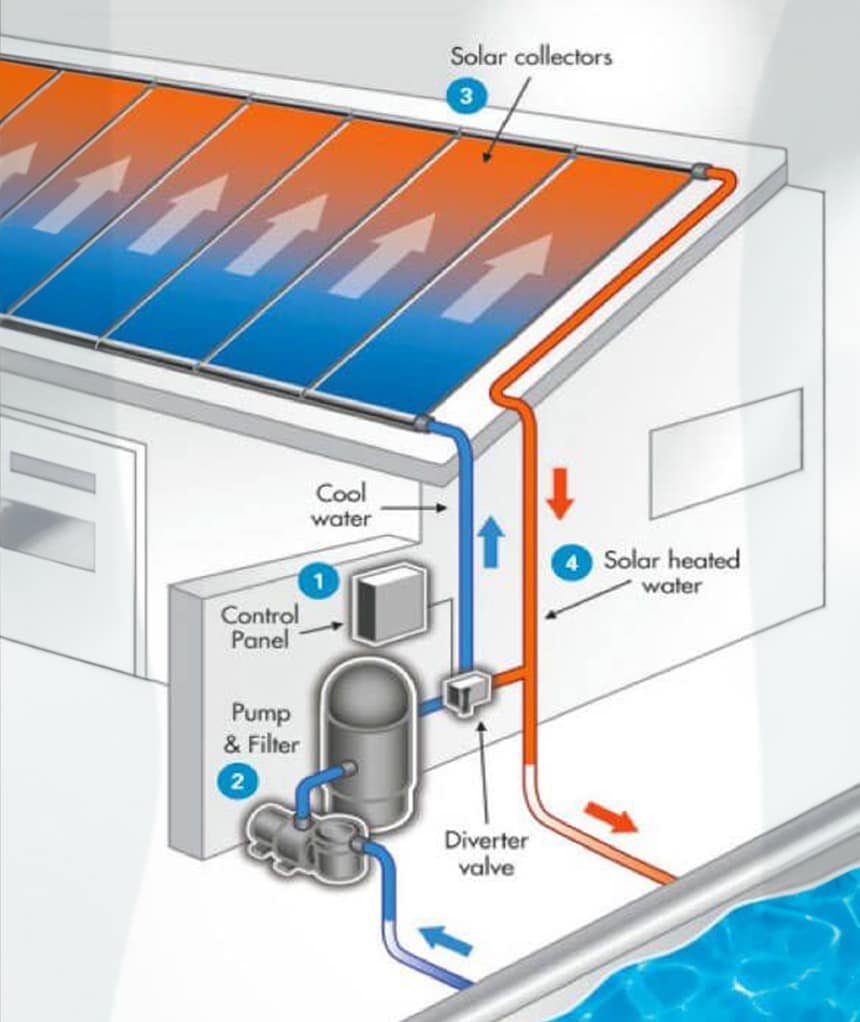
Solar water heating isn't just another trendy eco-friendliness option. It's a practical solution that's been quietly transforming households for decades. Picture this: your home's hot water needs met entirely by the sun's rays, with minimal ongoing costs and maximum environmental benefit. Sounds too good to be true? Well, let's explore why many homeowners are choosing this path and what it really means for their daily lives. These systems work by capturing sunlight and converting it into heat, which then warms your water. But the story goes far beyond that simple explanation.
Financial Savings That Actually Matter
Let's talk numbers because that's what really matters to most people. Solar water heating can slash your water heating costs by 50% to 80%, depending on your location and system type. That's not just a few dollars here and there – that's hundreds of dollars off your annual energy bill. Think about it: if you're spending $600 a year on water heating, that's a potential savings of $300 to $480 per year. Over ten years, that's a substantial amount of money. Many homeowners see their return on investment within 5 to 8 years, after which they enjoy virtually free hot water. The math speaks for itself, but we're not just talking about monthly bills. We're talking about long-term financial freedom and peace of mind. You're essentially insulating yourself from rising energy prices and volatile utility costs. Plus, some areas offer tax credits and rebates that can further reduce upfront costs.
Environmental Impact That Adds Up
Every time you turn on your faucet, you're using energy. Traditional water heaters rely heavily on electricity or gas, both of which have environmental consequences. Solar water heating systems dramatically reduce carbon footprints. A typical residential solar water heater can prevent around 1.5 tons of CO2 emissions annually – that's like taking a car off the road for a whole year. Imagine how much cleaner your neighborhood would be if every household made this switch. It's not just about individual actions though – it's about collective impact. When enough people choose solar, it creates ripple effects in the broader energy market. You're helping drive demand for renewable energy infrastructure and reducing strain on power grids during peak hours. Plus, there's something deeply satisfying about knowing that your daily routine contributes positively to climate change solutions.
Reliability and Longevity You Can Count On
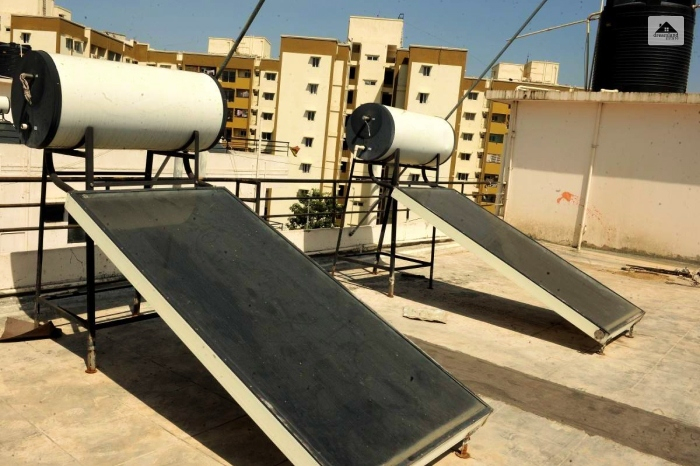
People often worry about whether solar water heating will actually work when they need it most. The truth is, these systems are remarkably reliable. Modern solar water heaters have lifespans of 20 to 30 years, often longer than the average home. They require minimal maintenance compared to conventional systems, typically needing only periodic cleaning and inspection. Most systems come with warranties ranging from 10 to 25 years, giving homeowners confidence in their investment. During sunny months, they can provide all the hot water you need. In winter or cloudy days, backup systems seamlessly kick in. Some systems even store heated water in insulated tanks, so you have access to warm water even when the sun isn't shining. The reliability factor is often overlooked but crucial – you don't want your shower to be cold because your system failed.
Energy Independence and Security
There's something powerful about not being dependent on utility companies for one of your home's essential services. Solar water heating gives you greater control over your energy usage. You're less vulnerable to price fluctuations and supply disruptions. Even during power outages, solar systems continue to function – assuming they're properly installed with appropriate backup components. This independence becomes especially valuable during emergencies or extreme weather events when regular utilities might fail. Many homeowners report feeling more secure knowing they have a consistent source of hot water regardless of external conditions. It's about having options rather than being at the mercy of others. Plus, it reduces overall demand on the electrical grid, which helps everyone.
Installation Considerations and Practical Advice
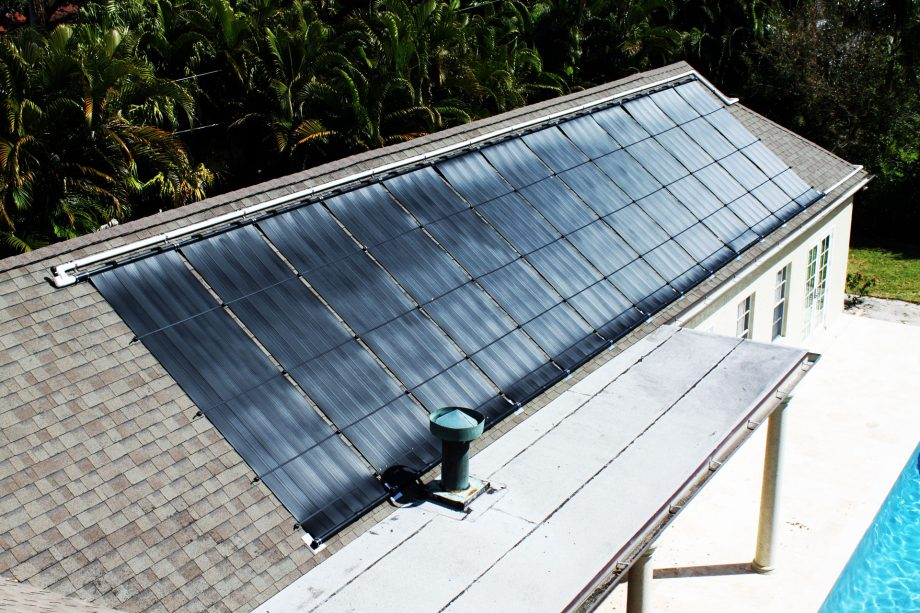
Not every home is suitable for solar water heating, but many are. The key factors include roof orientation, available space, and local climate. South-facing roofs with minimal shading work best, though east and west orientations can still be effective. Systems typically require 15 to 20 square feet of collector area for an average family home. Professional installation is crucial – poor installation can lead to inefficiencies or even system failures. Look for certified installers who understand local building codes and regulations. The initial investment ranges from $3,000 to $8,000, depending on system size and complexity. However, many states and municipalities offer incentives that can offset significant portions of this cost. Consider your specific needs, such as household size and hot water usage patterns, when planning your system. Also, think about future expansion possibilities – many systems can accommodate additional collectors if your needs grow.
Real-Life Stories from Homeowners
Sarah from Colorado shared how her family's solar water heating system saved them $500 annually on utility bills. "We were skeptical at first," she said, "but after the first year, we couldn't imagine going back." Her system pays for itself in five years, and she now enjoys consistent hot water even during harsh winters. Tom in Arizona reported that his solar system handles his family's high water demands effortlessly. "Our biggest concern was whether it would work in our desert climate," he explained, "but it's been fantastic. We get hot water 365 days a year." These aren't isolated cases – they're common experiences. Many homeowners find that the transition is smoother than expected, and the benefits extend beyond financial savings. They mention improved comfort, reduced stress about utility bills, and increased property value. The lifestyle changes are subtle but meaningful – no more worrying about running out of hot water or sudden energy price spikes.
Solar water heating represents more than just a technology upgrade – it's a lifestyle choice that balances practicality with responsibility. The real benefits aren't just about saving money or looking environmentally conscious. They're about creating a more stable, independent, and comfortable living situation. Whether you're considering this for the financial savings, environmental impact, or simply wanting to feel more secure about your home's essential services, the evidence supports making this smart investment. The systems have matured significantly, offering reliability and efficiency that rivals traditional methods while providing additional advantages. As more homeowners make this transition, we're seeing positive changes not just in individual households but in community-wide energy consumption patterns. The sun provides an abundant, free resource that we're only beginning to fully utilize. For those ready to take the leap, the rewards are both immediate and long-lasting.


Related Posts

What happens to dried ink when clothes go through dryer tumbling

How American Standard HVAC Systems Compare to Trane Brands

Breaking down spray foam insulation costs by type and coverage area

How to Effectively Eliminate Clover from Your Lawn Naturally

The Surprising Reason Why Ladybugs Choose Your House