When it comes to flooring in busy spaces, you want something that's tough enough to handle daily wear and tear, but still looks beautiful. The challenge lies in finding porcelain tiles that meet both criteria. This isn't just about picking pretty pictures online - it's about understanding what makes a tile truly suitable for high-traffic areas while keeping that natural aesthetic.
Think about your favorite places. Maybe it's the kitchen where you cook every morning, or the entryway where guests first step inside. These spots see constant activity, and they need flooring that can take the abuse. But you also want them to feel welcoming, not like a sterile commercial space. Porcelain tiles offer a great solution, combining durability with the ability to mimic natural stone, wood, and other materials. The trick is choosing the right kind for your specific needs. What makes a porcelain tile truly suitable for high-traffic areas? How do you spot one that will maintain its beauty over time? These are the questions we'll explore together.
Understanding Porcelain Tile Composition
Porcelain tiles are made from fine clay and other minerals that get fired at extremely high temperatures. This process creates a dense, strong material that's much harder than regular ceramic. The key difference lies in the manufacturing process. Regular ceramic tiles are fired at lower temperatures and have more pores. Porcelain tiles are fired at temperatures exceeding 1,200 degrees Celsius, making them incredibly durable. When you're shopping for high-traffic areas, this density matters. It means less absorption of water and stains, and better resistance to chipping and cracking. Think of it like choosing between a thick, sturdy book versus a thin, flimsy one. The thick one will last longer and handle being handled more easily. The same principle applies to porcelain tiles. They're built to withstand the pressure of thousands of footsteps without showing signs of wear.
The Importance of Abrasion Resistance
One of the most critical factors when selecting porcelain for high-traffic areas is abrasion resistance. This refers to how well the tile surface can handle friction and scraping without getting scratched or dulled. In high-traffic zones like hallways, retail stores, or restaurant entrances, floors are constantly subjected to shoes, wheels, and furniture legs. The PEI rating system helps you understand this better. PEI stands for Porcelain Enamel Institute, and it rates tiles from 0 to 5 based on their durability. For high-traffic areas, you want a rating of 4 or 5. These tiles can handle heavy commercial use and still look new. A rating of 1 or 2 might work for low-traffic residential areas, but it's not going to hold up in a busy office hallway or a bustling restaurant. Imagine walking through a space where the floor shows signs of wear after just a few months. Not ideal for either commercial or residential settings. The abrasion resistance rating gives you a reliable measure of what to expect from your investment.
Selecting the Right Texture for Natural Appearance
The visual appeal of porcelain tiles often comes down to texture and surface finish. You want something that looks like natural stone, wood, or other materials, but without the maintenance requirements. Matte finishes tend to hide scratches better and provide a more authentic look. They also don't reflect light as much, which can make spaces feel more grounded. However, they may require more careful cleaning to avoid streaks. Glossy finishes offer a shinier appearance that's easier to clean but can show fingerprints and scratches more readily. Textured surfaces add another dimension to the natural look. They can mimic the irregularities found in real stone or wood grain. Some tiles feature slight variations in height across the surface, creating a three-dimensional effect that enhances realism. These textured options also provide better slip resistance, which is important in areas like bathrooms or kitchens. Consider how the tile will look under different lighting conditions throughout the day. A tile that looks perfect in showroom lighting might appear flat or uninteresting elsewhere. Testing samples in your actual space helps ensure the final result matches your expectations.
Considering Water Absorption Rates
Water absorption is another crucial factor in choosing porcelain tiles for high-traffic areas. The standard test measures how much water a tile absorbs over 24 hours. Porcelain tiles typically absorb less than 0.5% water, making them highly resistant to moisture damage. This characteristic is especially important in areas prone to spills or humidity. Think about kitchens, bathrooms, or any space where moisture is common. If a tile absorbs too much water, it can lead to staining, warping, or even mold growth. The low absorption rate also means the tile won't expand or contract significantly with temperature changes. This stability is essential in high-traffic areas where thermal expansion and contraction can cause problems. Many manufacturers now offer tiles specifically designed for wet environments. These often have special coatings or finishes that further enhance water resistance. When shopping, look for the water absorption percentage on product specifications. Lower numbers mean better performance in challenging conditions. It's also worth noting that some natural-looking tiles may have slightly higher absorption rates due to their textured or porous surface characteristics. Always check if these tiles are rated appropriately for your intended use.
Evaluating Slip Resistance Ratings
Safety should never be compromised when selecting flooring for high-traffic areas. Slip resistance ratings tell you how well a tile's surface prevents slipping accidents. The coefficient of friction (COF) rating measures this directly. Higher COF numbers indicate better slip resistance. For commercial applications, look for tiles with a COF of at least 0.42 for dry conditions and 0.36 for wet conditions. Residential areas often need similar protection, especially in bathrooms or near swimming pools. Some tiles feature specialized anti-slip treatments or textured surfaces that increase grip. These are particularly useful in areas where people might be walking barefoot or wearing socks. Consider the footwear used in your space. Office workers in dress shoes might not need the same level of slip resistance as customers in casual wear or visitors with wet feet. The key is matching the slip resistance to the actual usage patterns. Test samples by walking on them in various conditions. Pay attention to how they feel underfoot and whether they seem stable during movement. Sometimes the best way to judge slip resistance is simply putting yourself in the shoes of those who will use the space daily.
Maintenance and Longevity Factors
What happens after you install your tiles? That's where maintenance and longevity become important considerations. Porcelain tiles are generally low-maintenance compared to natural stone or wood, but they still need proper care to maintain their appearance. Regular sweeping and occasional mopping with appropriate cleaners will keep them looking fresh. The key is avoiding harsh chemicals or abrasive tools that could damage the surface. Some porcelain tiles come with protective coatings that make them even easier to clean. These may include sealers or glazes that resist stains and fading. Understanding how long your tiles will last is also part of the decision-making process. Quality porcelain tiles can last decades with proper installation and care. The investment might seem high upfront, but the long-term savings on replacement costs often make it worthwhile. Think about how often you'd need to replace flooring in a busy area. How much would that cost in materials and labor? A well-chosen porcelain tile might save you money and hassle over time. Consider also the warranty offered by manufacturers. Most reputable brands provide coverage ranging from 10 to 25 years, depending on the product line and intended use.
Choosing the right porcelain tile for high-traffic areas with a natural look requires balancing several factors. From understanding the composition and abrasion resistance to considering texture, water absorption, slip resistance, and long-term maintenance, each element plays a role in your final choice. Remember, the goal isn't just to find a tile that looks good, but one that will perform reliably over time. Take your time with the selection process, and don't hesitate to ask questions about specific products. Visit showrooms when possible, and always request samples for testing in your space. The right porcelain tile can transform a high-traffic area into a beautiful, functional space that stands the test of time. With thoughtful consideration, you'll find a solution that meets both your aesthetic desires and practical needs. After all, a floor should serve you well for years to come, providing both beauty and durability in equal measure.


Related Posts

Kitchen Island vs Peninsula Compared for Flow Storage and Everyday Use
Smarter Ways to Plan a Functional Kitchen Island for Modern Living in 2026
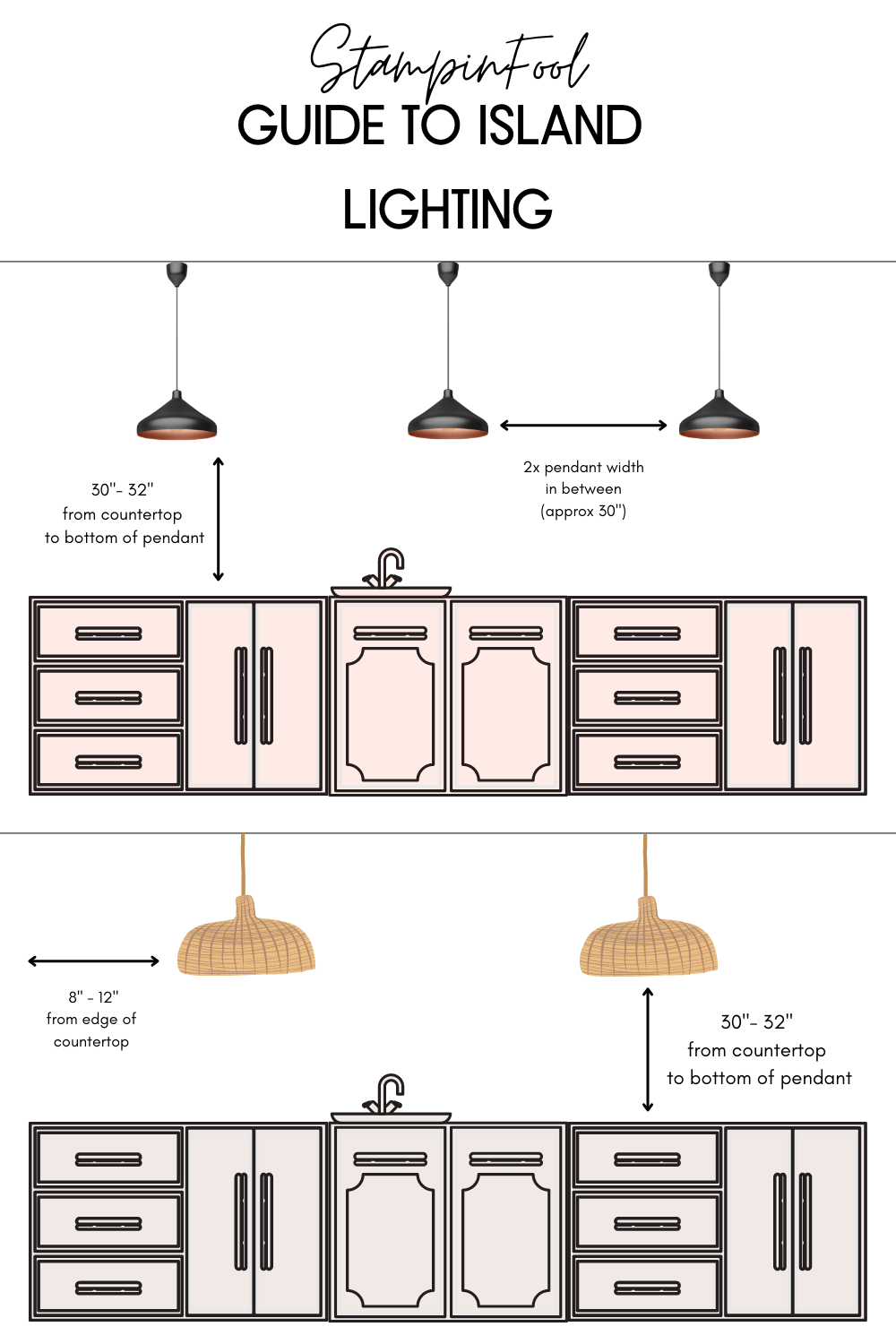
How to Layer Kitchen Island Lighting for Both Cooking and Gathering
Rethinking Your Kitchen Island Layout With Ideas Grounded in Real Everyday Use

The practical benefits of using 24x48 porcelain stone effect tiles in homes

