When it comes to creating stunning bathroom and kitchen installations, few materials offer the elegance and versatility of round porcelain mosaic tiles. These small, circular wonders from Metro Penny have captured the hearts of designers and homeowners alike. But mastering their use requires understanding more than just their beautiful appearance.
Imagine walking into a space where every surface tells a story of craftsmanship and attention to detail. That's exactly what happens when you work with Metro Penny's premium round porcelain mosaic tiles. These aren't just decorative elements – they're statements that transform ordinary spaces into extraordinary ones. The journey from selecting these tiles to installing them perfectly is both an art and a science. What makes them special isn't just their visual appeal, but how they behave under different conditions and how they interact with light and shadow. Whether you're a seasoned professional or someone tackling a DIY project, understanding the nuances of working with these tiles can make all the difference between a good installation and a masterpiece.
Understanding the Unique Characteristics of Round Porcelain Mosaics
Round porcelain mosaics differ significantly from traditional square or rectangular tiles. Their curved surfaces create fascinating optical effects that change depending on lighting conditions. When light hits a round tile, it reflects differently than it would off a flat surface. This means that even in the same room, the appearance of your mosaic work can shift throughout the day.
The material itself plays a crucial role too. Porcelain is denser than ceramic, which means it's less porous and more resistant to moisture. This quality makes round porcelain mosaics ideal for wet areas like bathrooms and kitchens. However, their density also means they require specific handling techniques during installation.
Consider how these tiles might look in your specific space. A bathroom with lots of natural light will showcase the subtle variations in color and texture differently than one with primarily artificial lighting. The interplay between the round shapes and the ambient lighting creates a dynamic visual experience that evolves over time.
Essential Tools and Materials for Professional Installation
Before diving into installation, having the right equipment is crucial. You'll need specialized tools that can handle the precision required for round tiles. A good quality tile cutter designed for small, curved pieces is essential. Some professionals swear by diamond blade cutters specifically made for porcelain work.
For adhesion, choose a high-quality thinset mortar that's compatible with porcelain. The consistency matters – too thick and it won't flow properly around the small gaps between rounds. Too thin and it won't provide adequate bonding strength. Many experts recommend using a modified thinset with polymer additives for better flexibility.
Mortar mixing containers should be large enough to accommodate the volume needed for your project. Consider investing in a power mixer rather than hand stirring. The uniformity of the mixture directly impacts how well your tiles adhere to the surface. Don't forget about grout selection – a sanded grout works best with these small tiles because it fills the gaps effectively without being too thick.
Preparation and Surface Readiness
Proper surface preparation sets the foundation for a successful installation. Start by ensuring your substrate is clean, dry, and free of any debris. Even tiny particles can cause problems with adhesion and lead to loose tiles later on. For bathroom applications, check that waterproofing membranes are properly installed if you're working on walls or floors that will be exposed to water.
The surface should be level and stable. Uneven substrates create challenges with round tiles because they don't have the same forgiving nature as larger rectangular tiles. Any slight irregularities become more noticeable with the small size of these mosaics.
Consider the environmental conditions of your workspace. Temperature and humidity levels affect how mortar and grout cure. Ideal conditions typically range from 65°F to 75°F with moderate humidity. Extreme temperatures can cause rapid drying or poor adhesion, leading to failures in the installation.
Layout Planning and Design Considerations
Planning your layout before starting installation is perhaps the most critical step. Round tiles can create beautiful patterns, but they also require careful consideration of how the circles align with each other. The way you arrange them affects the overall aesthetic and can either enhance or detract from the space.
Start by sketching your design on paper. Think about how the tiles will flow across the surface and whether you want a random pattern or something more structured. Some designers prefer to create a central focal point using larger clusters of tiles, while others opt for a more uniform distribution.
Measure carefully and account for cutting waste. Round tiles often require more precise cutting, especially around edges and obstacles like fixtures. Plan your cuts early and try to minimize the number of small pieces you end up with. Sometimes it's better to slightly adjust your design rather than struggle with awkwardly small tile segments.
Consider the color palette carefully. Since these tiles are small, you can create interesting gradients or color transitions that might not be visible with larger tiles. A subtle shift from light to dark tones can create depth and visual interest that transforms a simple wall into a work of art.
Installation Techniques and Best Practices
The actual installation process requires patience and methodical approach. Begin with a small test area to practice your technique. This helps you understand how the tiles behave with your chosen mortar and how they respond to different pressure points.
Apply mortar in small sections, no larger than 2 feet by 2 feet. This prevents the mortar from drying out before you can place all the tiles. Work from the center outward, maintaining consistent pressure as you press each tile into place. The round shape means they may roll slightly, so gentle but firm pressure is essential.
Don't be afraid to use a tile spacer or small wooden blocks to ensure even gaps between tiles. These gaps are part of the design and contribute to the overall look. If you notice a tile that seems to be sitting higher or lower than its neighbors, adjust the mortar underneath before it fully sets.
Some installers prefer to use a wet method where they apply mortar to both the back of the tile and the surface. Others find success with a dry method, applying mortar only to the substrate. Both approaches work, but consistency within your project is key. The technique you choose should match your skill level and the specific requirements of your job.
Grouting and Finishing Touches
Once your tiles are securely in place and the mortar has cured appropriately, it's time to grout. This is where many people encounter difficulties with round mosaics. The small gaps between tiles mean that grout must be applied carefully to avoid leaving excess material on the tile surfaces.
Use a grout float at a shallow angle to push the grout into the joints. Work in one direction to avoid pushing grout onto the face of the tiles. Clean off excess immediately with a damp sponge, using light pressure to avoid disturbing the grout in the joints.
The grout should be slightly darker than your tiles to create contrast that enhances the round shapes. This creates a more defined look and helps draw attention to the individual tiles rather than making them blend together too much.
After the grout has set according to manufacturer specifications, clean the tiles thoroughly. Use a soft cloth or brush to remove any remaining grout haze. Some professionals recommend applying a sealer to the grout lines after they've fully cured to protect against staining and moisture penetration.
Finally, inspect your work carefully. Look for any loose tiles, uneven grout lines, or areas where the tiles don't sit flush with their neighbors. Small imperfections can be corrected, but addressing issues early prevents bigger problems later.
Mastering the craft of working with Metro Penny's premium round porcelain mosaic tiles isn't just about following a series of steps – it's about developing an intuitive understanding of how these unique materials behave. Every installation teaches something new about the interaction between tile, mortar, and environment. The key lies in combining technical knowledge with artistic vision.
Whether you're creating a stunning backsplash, transforming a bathroom floor, or adding subtle elegance to a tiled wall, these round porcelain mosaics offer endless possibilities. The beauty of working with them lies in their ability to adapt to different spaces while maintaining their distinctive character. Remember that practice makes progress, and each project adds to your repertoire of skills.
Don't rush the process. Take time to understand how your specific tiles react to different conditions. Pay attention to details that might seem small but make a big difference in the final result. With patience, proper preparation, and respect for the material's unique properties, you'll find that these premium round porcelain mosaics can elevate any space to something truly special.


Related Posts

Kitchen Island vs Peninsula Compared for Flow Storage and Everyday Use
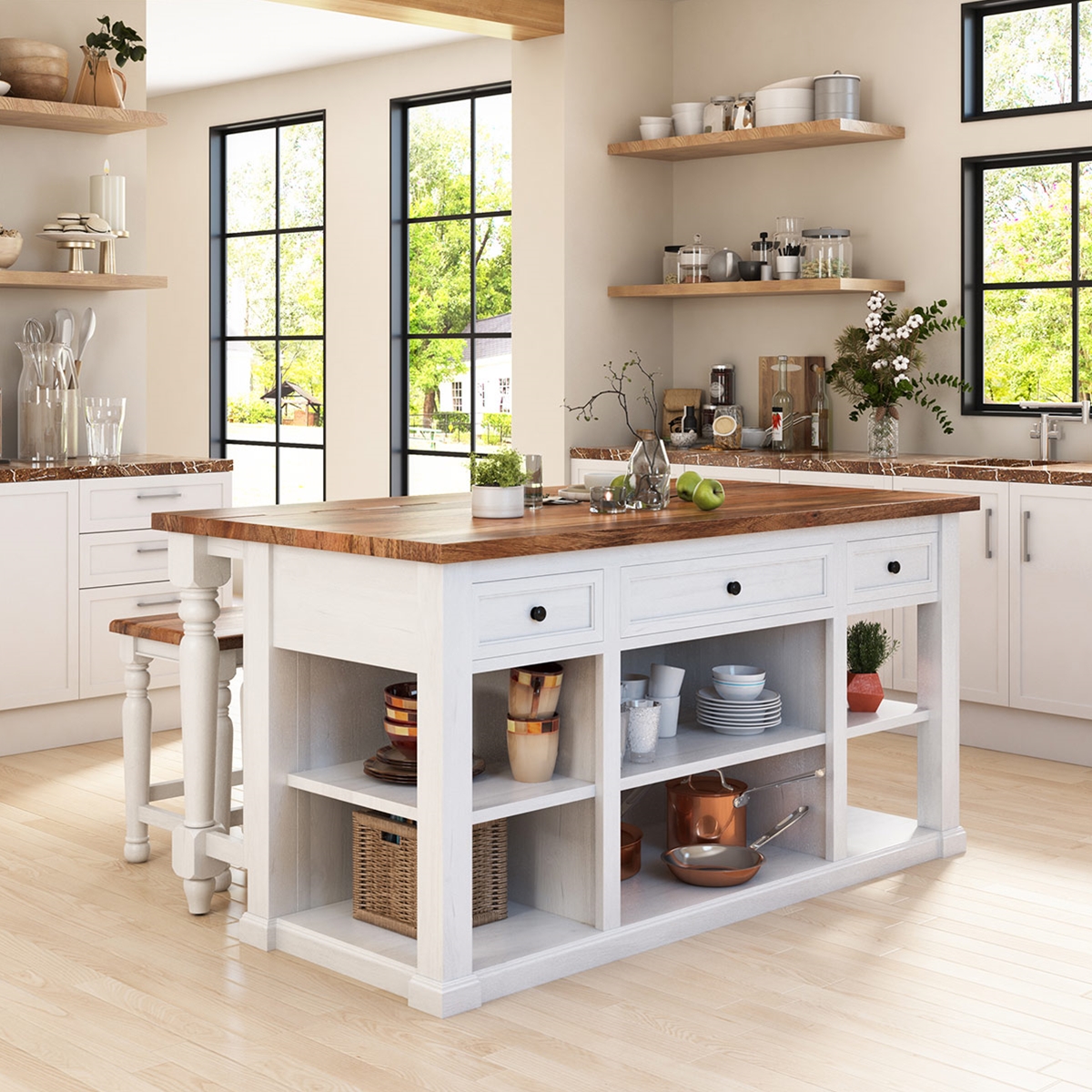
Smarter Ways to Plan a Functional Kitchen Island for Modern Living in 2026
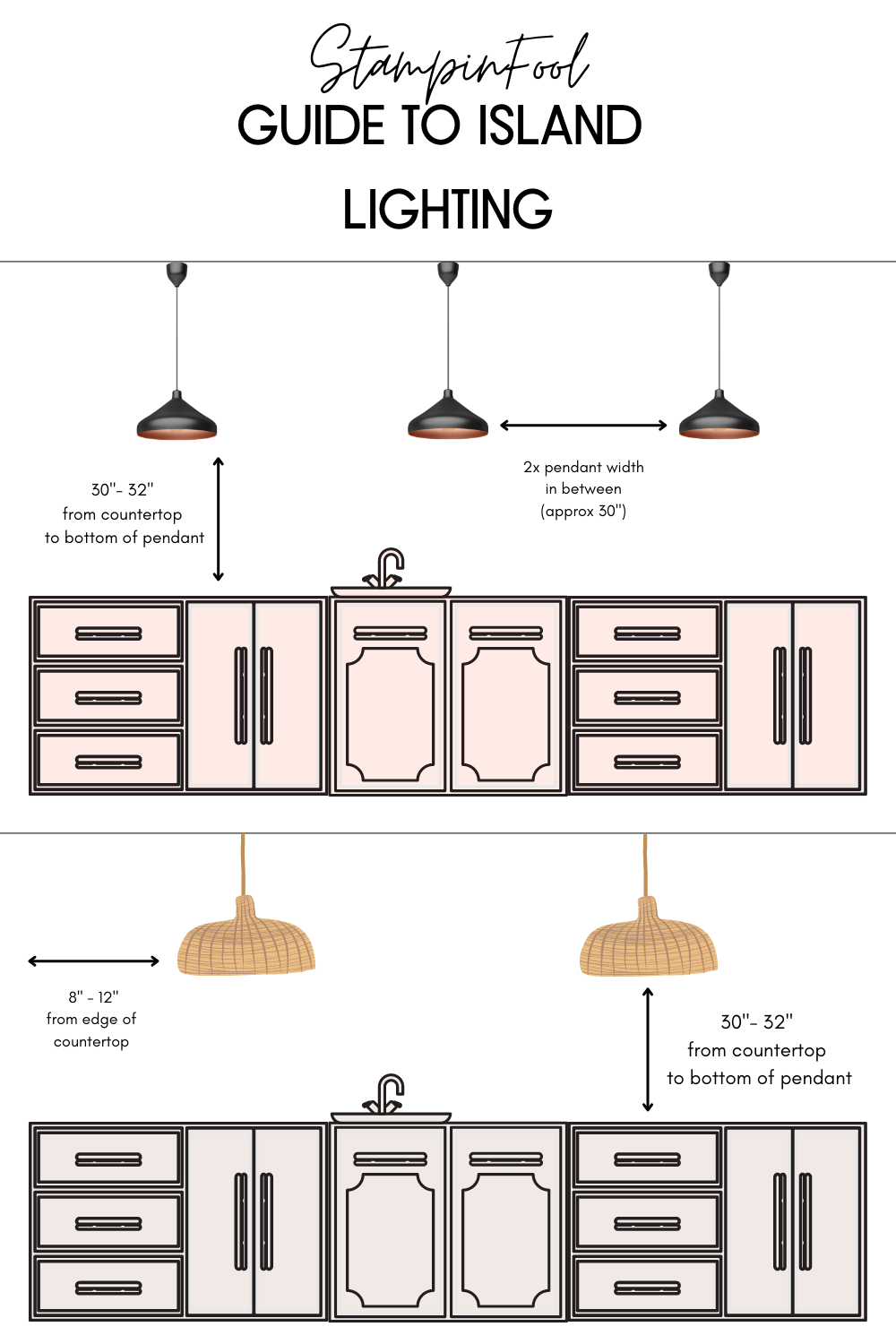
How to Layer Kitchen Island Lighting for Both Cooking and Gathering
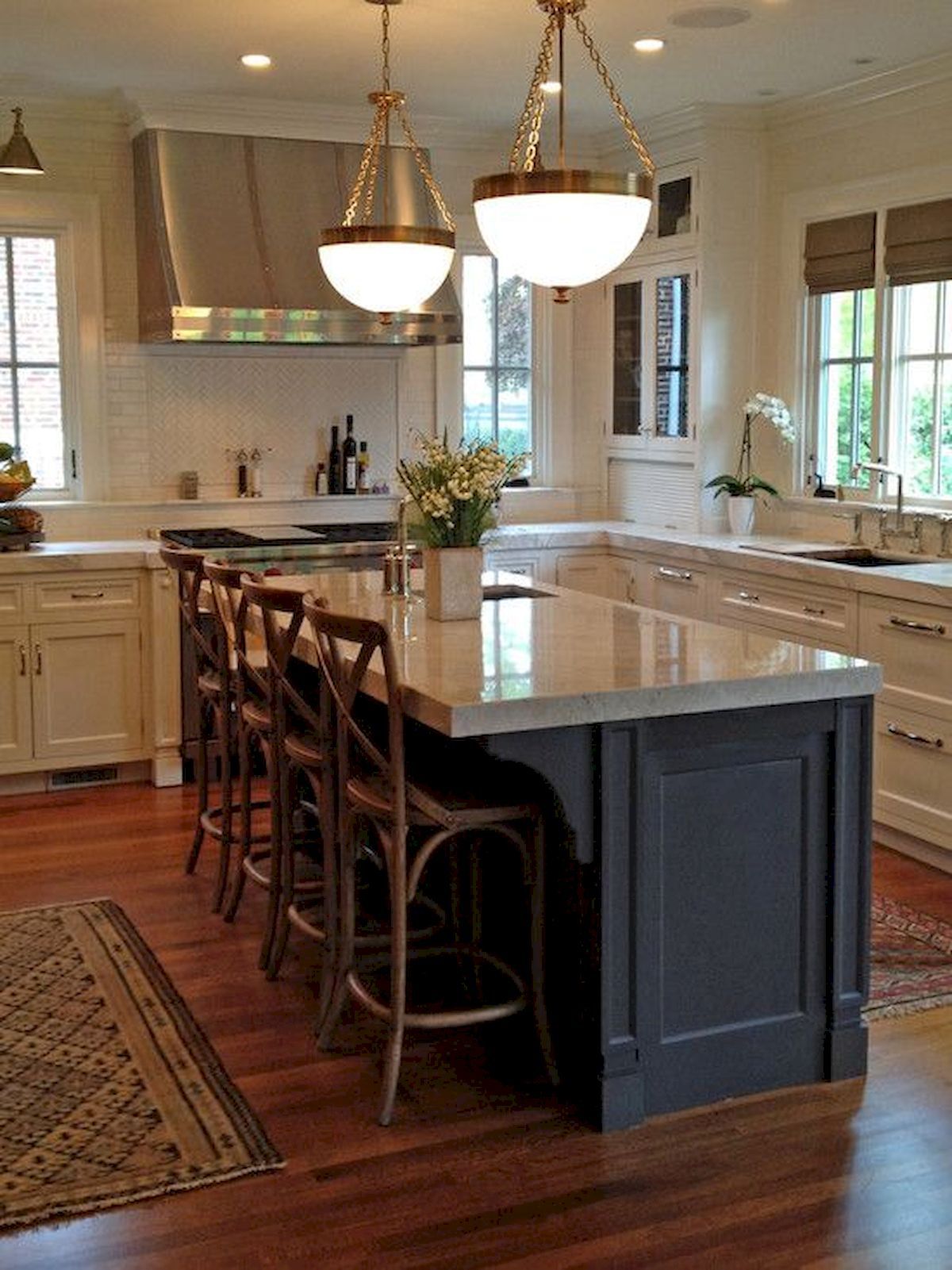
Rethinking Your Kitchen Island Layout With Ideas Grounded in Real Everyday Use

The practical benefits of using 24x48 porcelain stone effect tiles in homes

