Every great vanity starts with a story. For those who appreciate both beauty and sustainability, the Rennes 24 inch reclaimed wood vanity represents the perfect marriage of past and present. These remarkable pieces don't just fill a space – they tell tales of trees that once stood tall, now transformed into functional art. What makes these vanities truly special isn't just their appearance, but the careful craftsmanship that goes into every single detail.
Imagine walking into a bathroom where every surface whispers stories of old growth forests, weathered by decades of sun and rain. That's exactly what happens when you encounter a Rennes 24 inch reclaimed wood vanity. These aren't mass-produced fixtures – they're handcrafted treasures that bring character and authenticity to modern spaces. But how exactly do artisans transform salvaged timber into something both beautiful and functional? The answer lies in centuries-old techniques combined with contemporary design sensibilities. Each vanity tells a story, and understanding how these stories come to life reveals the true magic of artisanal woodworking.
The Foundation: Selecting Quality Reclaimed Wood
The journey begins long before any saws are touched. Craftsmen spend hours carefully examining potential materials, looking for wood that's not just visually appealing but structurally sound. They seek out timber that has already been seasoned and dried, often sourced from old barns, factories, and historic buildings. The selection process involves checking for warping, rot, or insect damage that could compromise the final product. Quality reclaimed wood typically comes from species like oak, pine, and maple, each offering unique grain patterns and characteristics.
What makes this step so crucial is that the wood's history affects its behavior during construction. A piece that's been exposed to outdoor conditions may have different moisture levels than one that was stored indoors. Craftsmen learn to read these differences, knowing that some woods will expand and contract differently under varying humidity levels. This knowledge ensures that the final vanity won't warp or crack over time, despite its age.
The wood's previous life also contributes to its aesthetic appeal. Pieces that were once part of old millwork often retain distinctive marks from their original use – nail holes, tool marks, and even small imperfections that add character. These aren't flaws to be corrected, but features that give each vanity its unique personality. The challenge for craftsmen is balancing these natural characteristics with the client's vision for their bathroom space.
Design Planning and Blueprint Creation
Once the wood is selected, the real planning begins. Unlike standard vanities that follow set dimensions, each reclaimed wood piece requires custom consideration. The 24 inch width presents interesting challenges and opportunities for designers. They must account for the wood's irregularities while ensuring the final piece meets standard installation requirements.
Craftsmen create detailed blueprints that map out not just the vanity's dimensions, but also how different wood sections will be arranged. They consider grain direction, color variations, and structural integrity when planning each element. The design phase includes calculating weight distribution, determining support points, and deciding how to handle any gaps or inconsistencies in the wood planks.
Modern technology helps streamline this process, but the human touch remains essential. Digital measurements capture precise dimensions, but the designer's eye still determines whether a particular wood grain pattern will work well with the overall design. The planning stage also involves discussing options with clients, helping them visualize how different wood combinations might look in their specific space. Sometimes, the most challenging aspect isn't technical but creative – finding ways to incorporate all the wood's natural beauty while maintaining a cohesive look.
Preparation and Surface Treatment
Before any cutting takes place, the reclaimed wood undergoes extensive preparation. This process removes dirt, old finishes, and any remaining nails or hardware that might interfere with the construction. Sanding is a meticulous process that varies depending on the wood's condition and desired finish. Some pieces require gentle sanding to preserve their aged appearance, while others need more aggressive treatment to remove stubborn contaminants.
Surface treatment extends beyond simple cleaning. Craftsmen often apply protective coatings that enhance the wood's natural beauty while providing durability. These treatments must be compatible with the wood's existing characteristics and the intended environment. Bathrooms present unique challenges due to humidity levels and frequent exposure to water.
The preparation phase also includes addressing any structural issues. Cracks, splits, or weak spots in the wood may need reinforcement. Some craftsmen use specialized wood glue or metal brackets to strengthen problematic areas. Others choose to work around these features, incorporating them into the design rather than hiding them. This approach requires creativity and deep understanding of wood properties, as it determines how the final piece will age and behave over time.
Assembly Techniques and Joinery Methods
The actual construction of a Rennes 24 inch vanity requires a combination of traditional joinery methods and modern precision tools. Unlike factory-made vanities that rely heavily on screws and adhesives, skilled craftsmen often employ mortise and tenon joints, dovetails, and other time-tested techniques. These methods provide strength and longevity that simple fasteners cannot match.
The assembly process begins with the frame construction, which must be perfectly square and level. Measurements are taken multiple times to ensure accuracy, as even small errors compound during the building process. The frame serves as the foundation for everything else, including the countertop, cabinet doors, and hardware placement.
Joinery techniques vary based on the wood type and the expected stress points. For example, oak might require stronger joints due to its density, while softer woods might need additional reinforcement. The craftsmen also consider how the wood will react to temperature and humidity changes over time. Proper joint design accounts for expansion and contraction, preventing the vanity from loosening or cracking.
One particularly interesting aspect is how the wood's natural movement affects the assembly process. Some craftsmen intentionally build in allowances for seasonal changes, knowing that wood will continue to settle and adjust after installation. This thoughtful approach prevents future problems and demonstrates respect for the material's inherent properties.
Finishing and Detailing Touches
The finishing stage transforms a raw wooden structure into a polished bathroom fixture. This is where the vanity truly comes alive, with attention to details that make the difference between a good piece and a masterpiece. Craftsmen apply multiple coats of finish, sanding lightly between layers to ensure smoothness and adhesion.
Different finishing approaches suit different wood types and client preferences. Some opt for natural oils that preserve the wood's texture and appearance, while others prefer lacquers or stains that provide more protection against moisture. The choice often depends on the wood's original condition and the intended bathroom environment. High-humidity bathrooms might require more robust protective treatments.
Detail work includes everything from edge finishing to hardware installation. The edges of the vanity receive special attention, as they're often the first areas to show wear and tear. Some craftsmen create subtle beveled edges that add visual interest while protecting the wood from damage. Hardware selection becomes important too – brass, bronze, or stainless steel fixtures complement the reclaimed wood's rustic appeal.
The final inspection involves checking for any missed spots or imperfections. This step ensures that every surface meets quality standards before delivery. Many craftsmen take pride in their workmanship, spending extra time on areas that might be less visible but equally important for the piece's overall integrity.
Quality Control and Final Delivery
Quality control happens throughout the entire process, but it reaches its peak during final inspection. Craftsmen examine every aspect of the finished vanity, checking for structural soundness, dimensional accuracy, and aesthetic consistency. They test door hinges, drawer slides, and any moving parts to ensure smooth operation.
The delivery process itself requires careful handling, as reclaimed wood can be unpredictable. Some pieces are more fragile than others, requiring special packaging and transportation methods. Craftsmen often recommend specific installation techniques to ensure the vanity maintains its integrity once installed.
Client feedback plays a significant role in quality assurance. Many craftsmen welcome questions about maintenance and care, knowing that proper upkeep extends the vanity's lifespan. They provide guidance on cleaning products, humidity control, and seasonal adjustments that keep the piece looking its best.
Post-delivery support often continues long after installation. Some craftspeople offer maintenance services or repairs, recognizing that their work is meant to last for generations. This relationship between craftsman and client reflects the deeper meaning behind reclaimed wood furniture – it's not just about the physical object, but about creating something that connects people to history and nature.
The creation of a Rennes 24 inch reclaimed wood vanity represents more than just a manufacturing process – it embodies a philosophy of sustainability, craftsmanship, and connection to our built environment. Every step of the journey, from selecting the right wood to the final finishing touches, requires skill, patience, and deep respect for the material. These vanities don't just serve a functional purpose; they carry forward the stories and memories of trees that once stood tall and proud. When you install one of these pieces in your bathroom, you're not just adding a fixture – you're bringing a piece of history into your daily life. The craftsmanship involved means that each vanity is unique, telling its own story while serving its practical purpose. It's this combination of heritage and functionality that makes reclaimed wood vanities so appealing to homeowners who want both beauty and meaning in their living spaces. The effort invested in crafting these pieces pays dividends in both aesthetics and environmental responsibility, proving that sometimes the most beautiful solutions come from reimagining what already exists.


Related Posts

How Ceramic Vessel Sinks Enhance Bathroom Aesthetics and Functionality
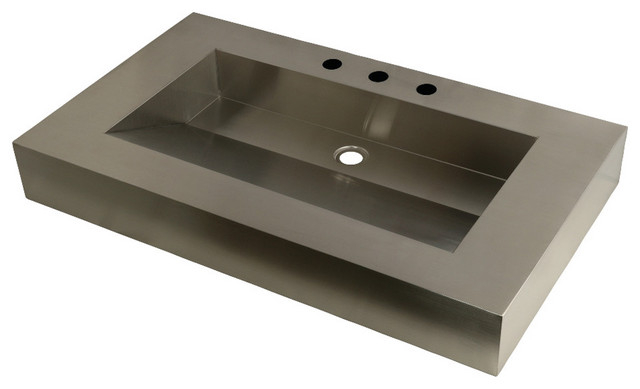
Design and Durability Analysis of the Kingston Brass GLTS37225 Brushed Basin
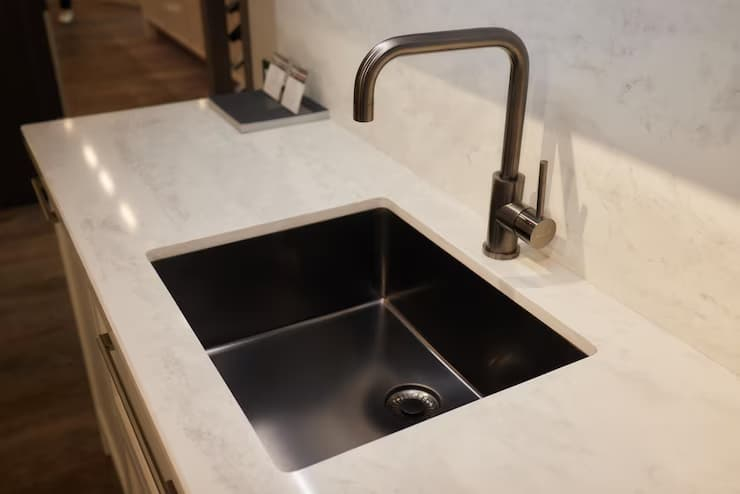
Choosing the Perfect Small Undermount Sink for Your Home Decor
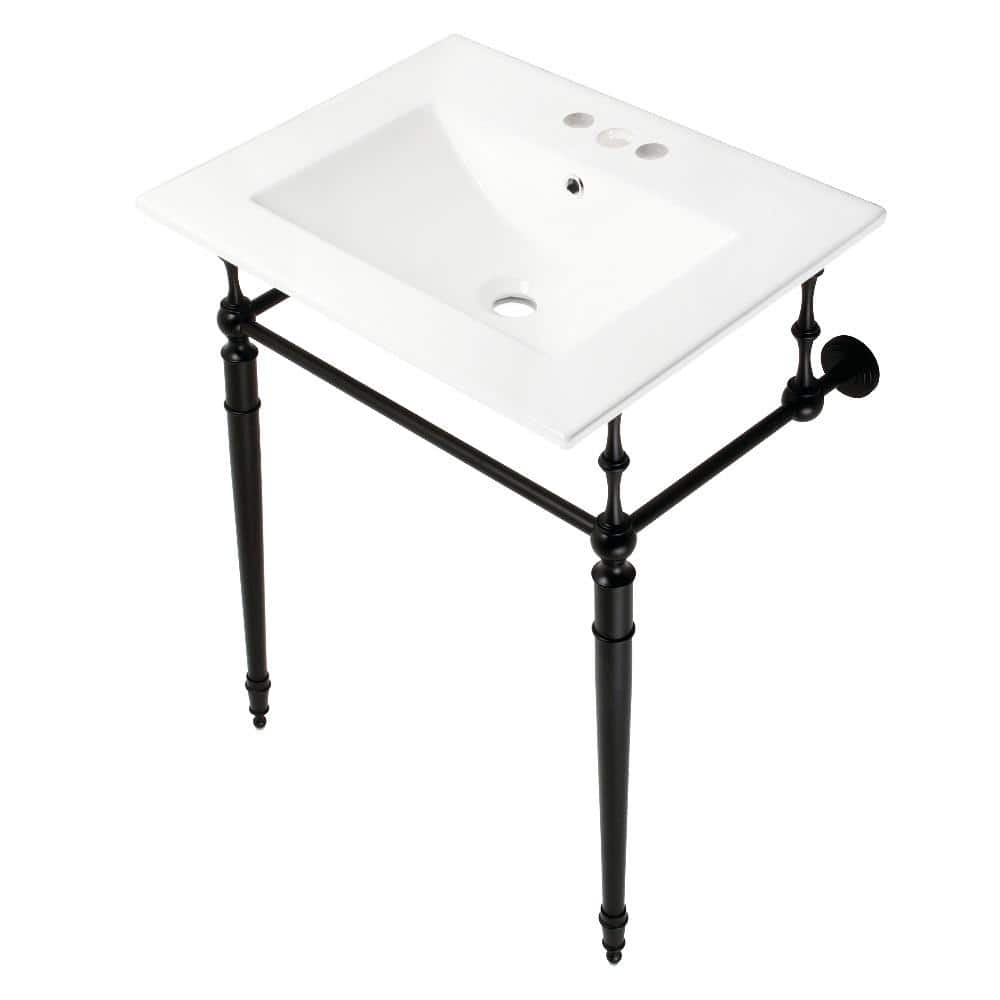
Material Durability and Maintenance of Kingston Brass VPB24187W4 Ceramic Sink

Expert Insights on Choosing the Right Sink for Your Bathroom Renovation