Every neighborhood has its own rules about handling old gas, but not everyone knows what those rules are. Whether you've got a half-empty gas can from your lawnmower or just want to know what to do with expired fuel, understanding how your local program works can save you money and protect the environment.
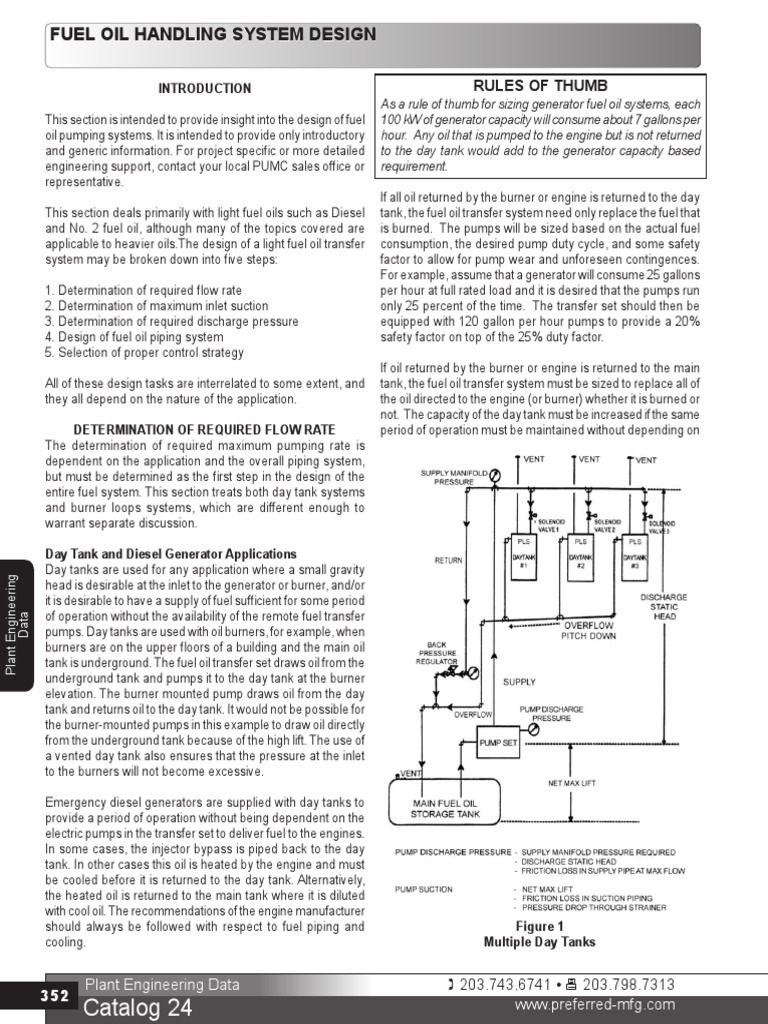
Gasoline may seem like a simple fuel, but it's actually one of the most dangerous household items you might encounter. It's flammable, toxic, and can contaminate soil and water if not handled properly. Many communities have established programs specifically designed to help residents dispose of gasoline safely. But these programs vary widely from place to place, and knowing what yours offers can be tricky. This guide will walk you through what you need to know about gasoline disposal in your area, why it matters, and how to avoid common pitfalls.
Why Proper Gasoline Disposal Matters
Think about how much damage a single drop of gasoline could cause to the environment. When gas gets into groundwater, it can take years to break down naturally. It's not just about pollution—it's about protecting the air we breathe and the water we drink. Communities that don't have proper disposal systems often see problems like contaminated soil around gas stations and illegal dumping in parks. When you dispose of gasoline responsibly, you're helping keep your neighborhood safe for everyone. Plus, many areas offer free pickup services for residents who have old or unused fuel. That means you could save money while doing something good for the planet.
Common Types of Gasoline Disposal Programs
Not every city handles gasoline disposal the same way. Some communities have regular collection days where residents bring their fuel to designated locations. Others offer curbside pickup for larger containers. Here are the main types you might encounter:
• Drop-off centers - These are usually located at recycling facilities or hazardous waste sites. You drive there and unload your gas yourself. • Curbside pickup - Services come directly to your home or business. They'll collect containers of various sizes. • Mobile collection events - Some towns organize special days when trucks visit different neighborhoods. • Auto parts stores - Many have partnerships with disposal companies to accept used gas from customers.
Each system has its own advantages and limitations. The key is finding out which option works best for your situation.
What Gasoline Can Be Disposed Of
Most programs accept a wide range of gasoline products, but there are some important distinctions. Pure gasoline from tanks or containers is generally fine. However, mixed fuels like those found in old lawn mowers or chainsaws might be treated differently. The main rule is that the fuel should be relatively clean and not contaminated with other substances. Oil mixed with gasoline? Probably not accepted. Water in the container? Maybe they'll take it, but check first. What about gas that's been sitting too long? Most places accept expired fuel, but they may require it to be separated from other materials like motor oil or antifreeze. Always call ahead to confirm what exactly your local program will accept. Some communities even provide lists online of acceptable items. It's better to ask than risk having your gas rejected.
Where to Find Your Local Program Information
Finding out about your community's gasoline disposal program shouldn't be hard, but sometimes it feels like looking for a needle in a haystack. Start by checking your municipal website. Most cities post information about hazardous waste collection schedules and locations. Try searching for terms like 'hazardous waste,' 'gasoline disposal,' or 'fuel recycling.' If you're still stuck, call your local government office directly. They usually have someone who can point you toward the right resources. Many areas also post information at libraries, community centers, and even grocery stores. Sometimes you'll find flyers on bulletin boards or posted signs. Don't forget about social media either—many municipalities share updates about collection dates and locations through their Facebook pages or Twitter accounts. If all else fails, ask neighbors who've done this before. They might know things that aren't publicly advertised.
Preparing Gasoline for Disposal
Before you head to a disposal site, you need to get your gasoline ready. First, make sure containers are clean and tightly sealed. Any leaks or spills can create serious safety hazards during transport. If you have multiple containers, group them together in a sturdy box or bag. Label them clearly so handlers know what's inside. Some programs require that you empty containers completely or leave them partially full. Check if they prefer plastic over metal containers. Also, note whether they allow containers with labels still attached. It's always smart to call ahead to confirm specific requirements. You don't want to spend the time driving to a location only to be turned away because of a small detail. Some sites even provide free containers for residents who don't have suitable ones. If you're planning to drop off large amounts, consider calling ahead to ensure they have enough space and staff available.
Safety Tips and Best Practices
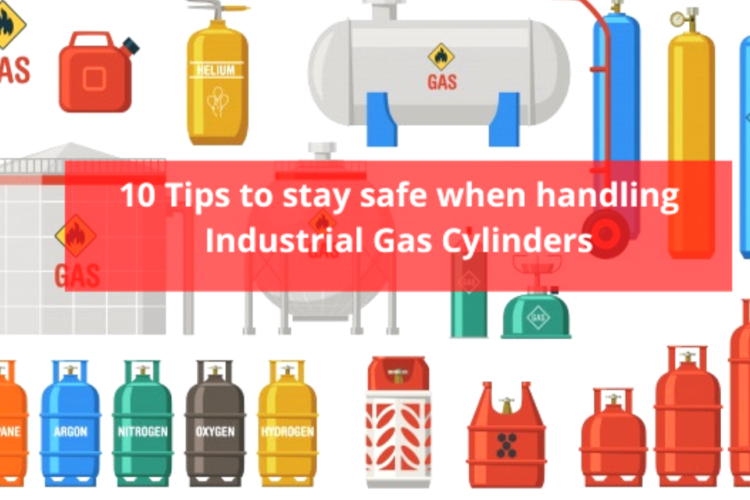
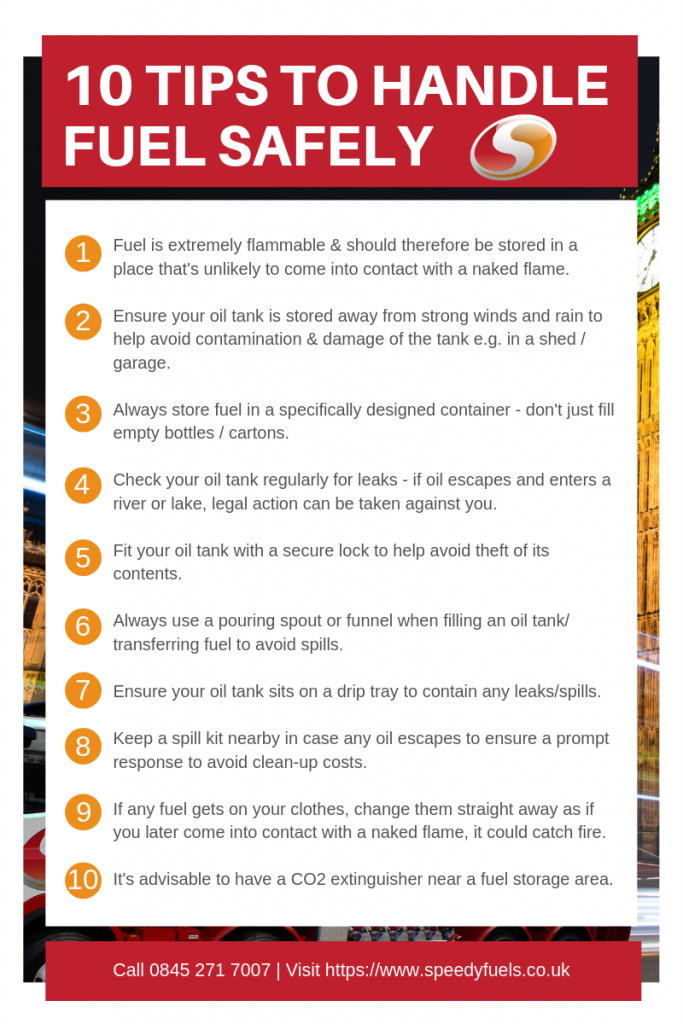
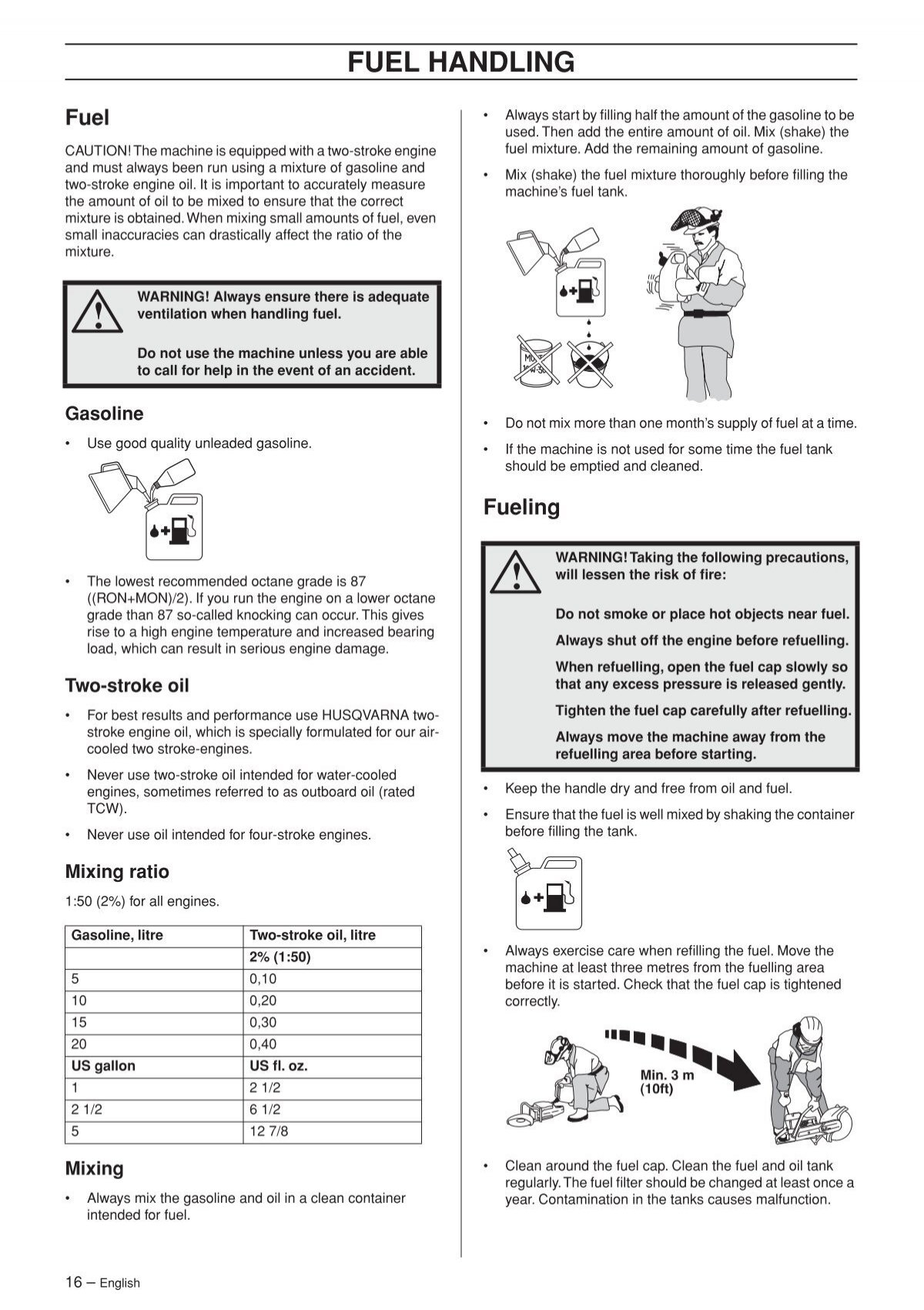
Handling gasoline comes with risks that can't be ignored. Always wear gloves and eye protection when dealing with old fuel. Never smoke or use open flames near gasoline containers. Keep them away from heat sources like radiators or direct sunlight. If you're transporting gas, use a vehicle with good ventilation and secure containers properly. Some people try to pour old gas down drains or into the ground, but this is extremely dangerous and illegal in most places. Instead, look for designated disposal points. When you're at a collection site, follow instructions carefully. Some locations require you to wait in your car until staff arrives. Others might have special procedures for handling very large quantities. Stay calm and patient. If you're unsure about anything, don't hesitate to ask staff members for guidance. Remember that they're there to help you do things safely.
Understanding your community's gasoline disposal program isn't just about following rules—it's about being part of a responsible community. When you take the time to learn how your area handles fuel waste, you're contributing to environmental protection and public safety. Don't let fear or confusion stop you from doing the right thing. Most programs are straightforward once you know how they work. Take advantage of free services when available, and remember that proper disposal helps preserve the health of your neighborhood for generations to come. Whether you're dealing with a small amount of old gas or planning to dispose of several containers, knowing your options makes the whole process much easier. Start today by finding out what your community offers, and you'll soon discover that responsible gasoline disposal is simpler than you thought.
Related Posts

What happens to dried ink when clothes go through dryer tumbling

How American Standard HVAC Systems Compare to Trane Brands
Breaking down spray foam insulation costs by type and coverage area

How to Effectively Eliminate Clover from Your Lawn Naturally

The Surprising Reason Why Ladybugs Choose Your House