When it comes to commercial lounge areas, you're not just choosing fabric—you're investing in the longevity and comfort of spaces where people gather, work, and relax. The right material can mean the difference between a lounge that looks great for months or one that needs replacing after just weeks of heavy use.
Think about the last time you sat in a busy coffee shop or corporate lobby. What did you notice? Probably the seating, the atmosphere, and how comfortable everything felt. But behind those cozy chairs and inviting sofas lies a crucial decision: fabric selection. In commercial settings, especially those with high foot traffic, choosing the right fabric isn't just about aesthetics—it's about durability, maintenance, and creating spaces that can handle daily wear and tear while maintaining their appeal.
Understanding Traffic Patterns and Wear Factors
Before diving into fabric choices, you need to understand how space usage affects materials. High-traffic areas see constant movement, spills, and general abuse. Think about office break rooms, airport lounges, hotel lobbies, or retail waiting areas. These places experience frequent sitting, standing, and sometimes even accidental stains from drinks or food.
Different types of traffic create different challenges:
• Heavy foot traffic: Constant walking over upholstery • Frequent use: People sitting and standing regularly • Accidental spills: Coffee, drinks, food, and other liquids • UV exposure: Sunlight fading colors over time
What happens when these factors combine? Fabric gets worn, fades, stains, and eventually deteriorates. That's why understanding your space's specific needs is the first step toward success.
Key Fabric Properties to Consider
Not all fabrics are created equal. Some are built to withstand daily abuse while others are better suited for quieter environments. Here are the essential characteristics to evaluate:
Durability: This refers to how well a fabric holds up under stress. Look for materials that resist pilling, tearing, and general wear.
Stain Resistance: Especially important in areas where spills are common. Some fabrics naturally repel liquids while others require special treatments.
Colorfastness: Colors should remain vibrant even after repeated washing or exposure to light.
Ease of Cleaning: How quickly can you clean up a spill? Some fabrics dry fast, others might need professional cleaning.
Comfort Level: Even if a fabric is tough, it still needs to feel good to sit on.
These properties often work together, and finding the right balance depends heavily on your specific environment.
Popular Fabric Types for Commercial Use
Let's take a closer look at some of the most commonly used fabrics in high-traffic commercial settings:
Woven Fabrics: These include materials like polyester blends and performance fabrics. They tend to be strong, easy to clean, and resistant to fading.
Knit Fabrics: Often softer and more flexible than woven options, but they may not hold up as well to heavy use.
Performance Fabrics: These are specifically engineered for commercial applications. They offer excellent resistance to stains, fading, and wear.
Natural Fibers: While beautiful and soft, they often require more maintenance and aren't ideal for very busy spaces.
Synthetic Blends: A smart middle ground that combines the benefits of both natural and synthetic materials.
Each option brings its own strengths and weaknesses, so matching them to your space's requirements is crucial.
Making the Right Choice for Your Space
Choosing fabric for commercial lounge areas involves more than just picking something pretty. It's about making decisions that will serve you well over time.
Start by assessing your space's typical usage patterns. Is it a quiet library reading area or a bustling airport terminal? Next, consider the budget constraints. High-end materials might look stunning but may not justify the cost for every setting.
Then think about maintenance. Can staff easily clean up spills? Do you have access to professional cleaning services? Finally, don't forget about comfort and style. The fabric should feel inviting and look good in your space.
A well-chosen fabric can transform a commercial area from functional to exceptional.
Maintenance and Longevity Tips
Even the best fabric will eventually show signs of wear if not properly maintained. Here are some practices to extend your fabric's life:
• Regular vacuuming helps remove dirt and debris before they embed deeply • Spot clean spills immediately to prevent staining • Follow manufacturer care instructions carefully • Schedule professional cleaning at appropriate intervals • Rotate cushions and furniture to distribute wear evenly
Investing in quality fabric and proper care routines pays off in reduced replacement costs and consistent appearance over time.
Real-World Examples and Case Studies
Let's look at some actual scenarios that show how smart fabric choices can make a big difference:
In one case, a large financial firm upgraded their executive lounge using a high-performance polyester blend. The fabric resisted stains from coffee and wine, held up to daily use, and maintained its appearance for over three years.
Another example involved a hotel lobby that chose a stain-resistant fabric for their seating areas. Despite heavy foot traffic and frequent guest use, the furniture looked fresh and professional for several seasons.
These stories show how thoughtful fabric selection can solve real problems while keeping spaces looking polished and welcoming.
Selecting fabric for high-traffic commercial lounge areas is both an art and a science. It requires balancing beauty with practicality, style with durability. The right choice can make your space feel welcoming while ensuring it stands up to daily use. Whether you're redesigning a cozy corner or renovating an entire lobby, remember that the fabric you choose today will define the comfort and appearance of your space tomorrow. Take time to assess your needs, consider your options, and make a choice that serves both function and form.


Related Posts
 Furniture
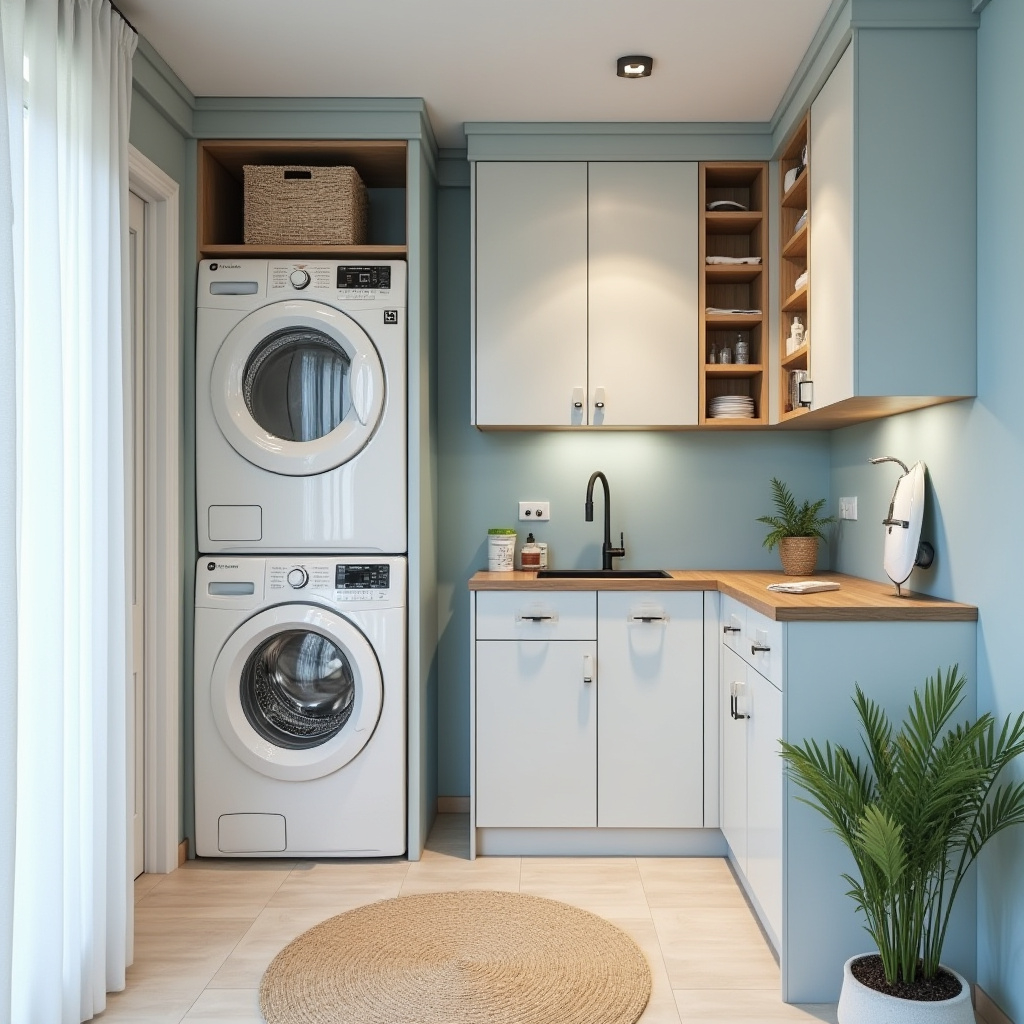
 How to Apply Blue Prince Star Treatment to Your Laundry Room
 Furniture
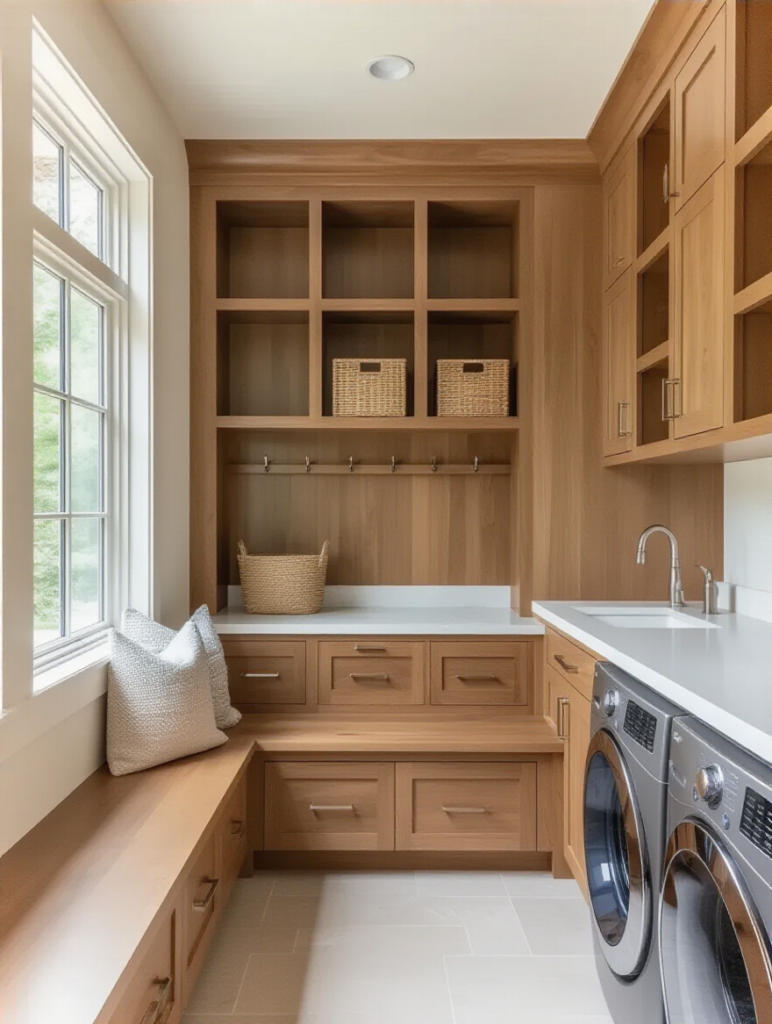
 Designing the Perfect Small Laundry Room Without Sacrificing Functionality
 Furniture
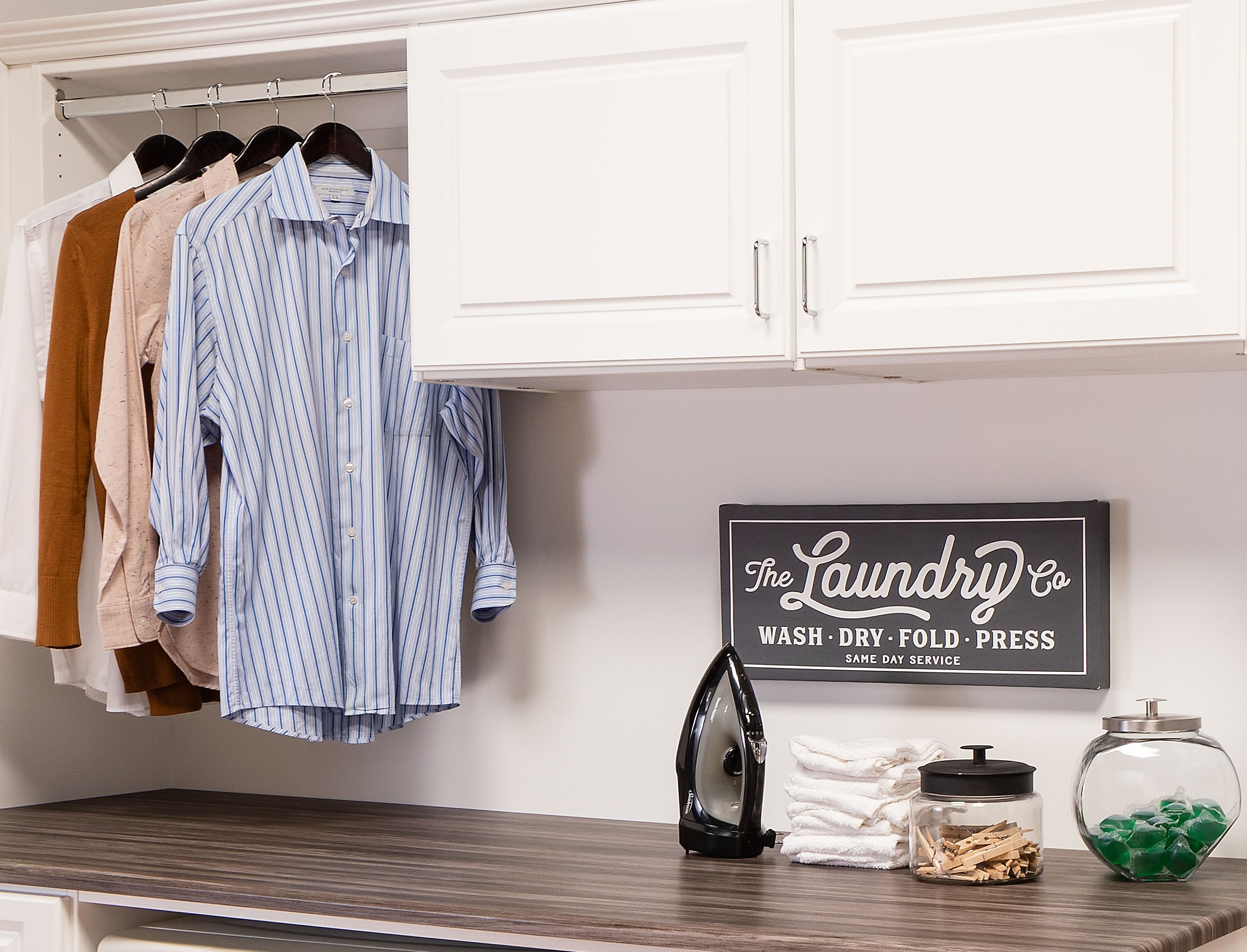
 Building a seamless workflow in your laundry room with proper sink design
 Furniture
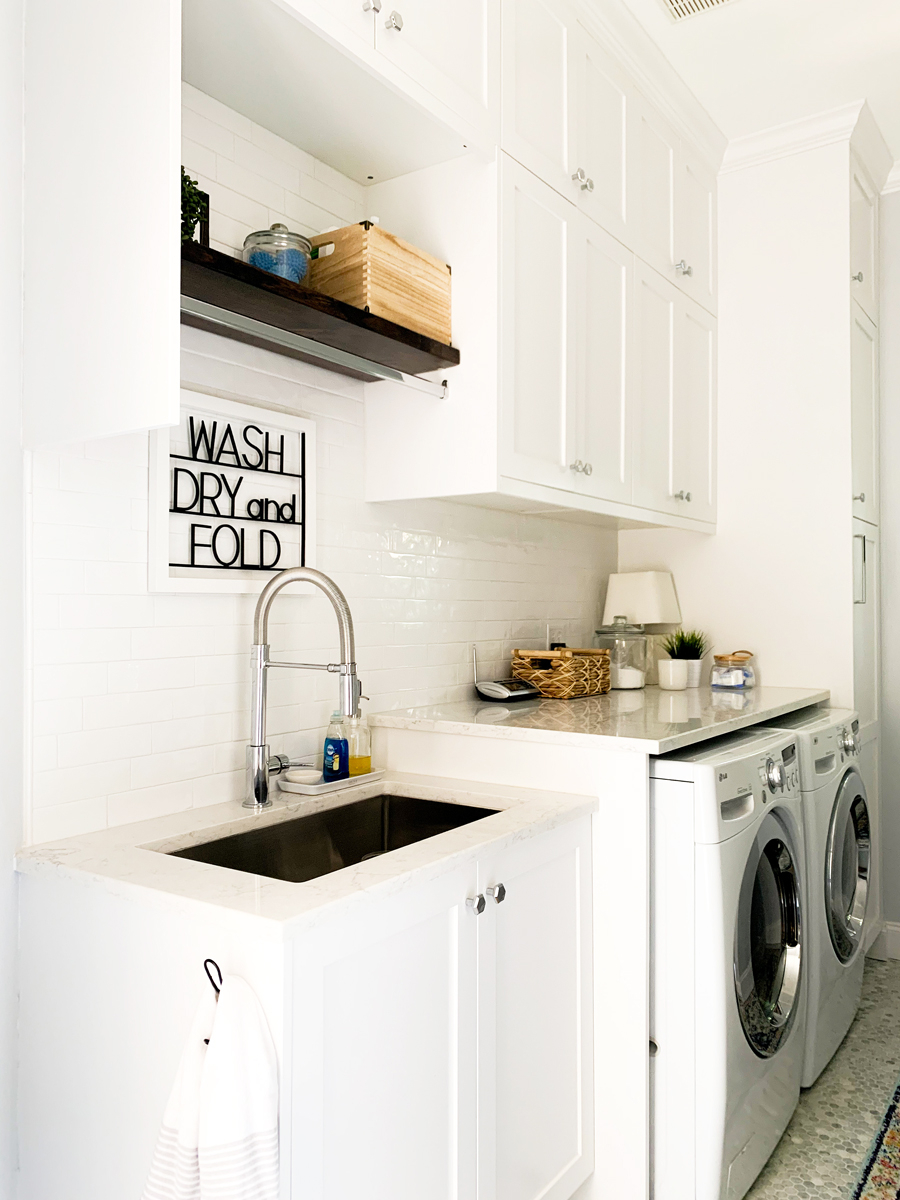
 Designing Laundry Storage That Fits Every Household Need
 Furniture
 Common Mistakes Homeowners Make When Selecting a Laundry Room Sink
 Furniture