I was so excited about my kitchen renovation when I picked out brushed gold tiles that looked like they'd be perfect. I had no idea I'd end up paying $800 extra just because I didn't check the finish properly. Let me tell you how I learned the hard way.
Brushed gold tile is trendy, but it's also a nightmare if you don't know what you're getting into. I've installed hundreds of tile projects over the past decade, and I can tell you right now that this particular finish has some serious gotchas. The main problem isn't even the look—it's what happens when you get the wrong version of the product. This isn't just about aesthetics; it's about durability, maintenance, and whether you'll want to keep those tiles after the honeymoon period.
Why Brushed Gold Tile Matters
There are a few key reasons why brushed gold tile has become so popular:
• It adds luxury without being overly flashy • The brushed finish hides minor scratches better than polished finishes • It works well in both modern and traditional kitchens • It reflects light nicely, making small spaces feel bigger
But here's what most people don't realize: not all brushed gold looks the same, and not all brushed gold performs the same. I've seen customers come back after a year with scratched, discolored tiles because they chose the wrong type of finish.
How I Approach Brushed Gold Tile Selection
When I'm picking tiles for clients, I always follow these steps:
- Check the finish consistency – Look at samples under different lighting
- Ask about wear ratings – Especially for high-traffic areas
- Test the grout compatibility – The right color makes a huge difference
- Verify the manufacturer's warranty – Not all tile companies stand behind their products
- Request actual samples – You can't judge the real texture from photos alone
I've learned that brushing isn't a uniform process. Some manufacturers do it more lightly, others more heavily, and some even do it inconsistently across the batch. It's not just about looking good—it's about knowing what you're getting into.
The Mistakes I Made with Brushed Gold Tile
The biggest mistake I made was assuming that all brushed gold tiles were created equal. I bought a sample that looked great in my living room, but when we ordered the full batch, there were subtle differences in the finish that weren't obvious until installation. I had to go back and buy new tiles because the ones we originally ordered were too inconsistent.
I also underestimated the importance of proper installation. Brushed gold tiles require special care during installation to prevent scratching. I ended up having to pay for a second installation because the first crew wasn't familiar with the special handling requirements.
That's how I ended up spending $800 more than expected. I wish I'd known about the finish variation issues before ordering.
What Most People Get Wrong About Brushed Gold Tile
Most people think that brushed gold tiles are just regular tiles with a brushed surface. They're not wrong—but they're missing a critical detail. Here's what I see people do wrong:
• Assuming the same finish across different batches • Not considering how the finish will age over time • Choosing tiles based solely on appearance without checking specs • Ignoring the need for special maintenance
There's a reason why some brushed gold tiles cost 3x more than others—they're using higher-quality materials and better manufacturing processes. And yes, it shows in the final result.
Choosing the Right Brushed Gold Tile Finish
I've found that the best approach is to:
• Choose tiles with consistent coloration across the batch • Look for a reputable brand with good reviews • Consider the thickness of the finish (lighter brushing is more prone to wear) • Ask for a detailed specification sheet • Request a return policy that covers finish issues
The tile I should have chosen had a medium brush, which is usually the sweet spot between durability and visual appeal. Instead, I went with a lighter brush that looked beautiful but wore down much faster than I expected. It's not just about looking good—it's about lasting.
Frequently Asked Questions About Brushed Gold Tile
• Are brushed gold tiles hard to maintain? Yes, but not harder than other specialty tiles. Regular cleaning with mild soap and water works fine, but avoid abrasive cleaners.
• Do they scratch easily? They're more resistant than polished versions, but any finish can scratch with enough abuse.
• Can I mix brushed gold with other colors? Absolutely, but make sure the other tiles have similar finishes for visual consistency.
• What's the best way to install brushed gold tiles? Use a quality thinset and consider a professional installer who knows about delicate finishes.
• How do I know if I'm getting a good deal? Look at the overall package—not just the price per tile. Check for warranties, consistency guarantees, and return policies.
If you're thinking about brushed gold tile, I'd say go for it—but do your homework first. I've learned that the $800 mistake was entirely avoidable with more careful research. Don't let a pretty finish fool you into skipping the details. Take your time, get samples, and ask questions about the manufacturing process. I've been doing this for years, and I still get surprised by what people don't know about tile finishes. So here's my advice: when in doubt, choose a medium brush and a proven brand. You'll save yourself a lot of headaches—and money—down the road. If you're planning a project, start with a small sample area first to test how the finish ages and wears. Trust me on this one.


Related Posts
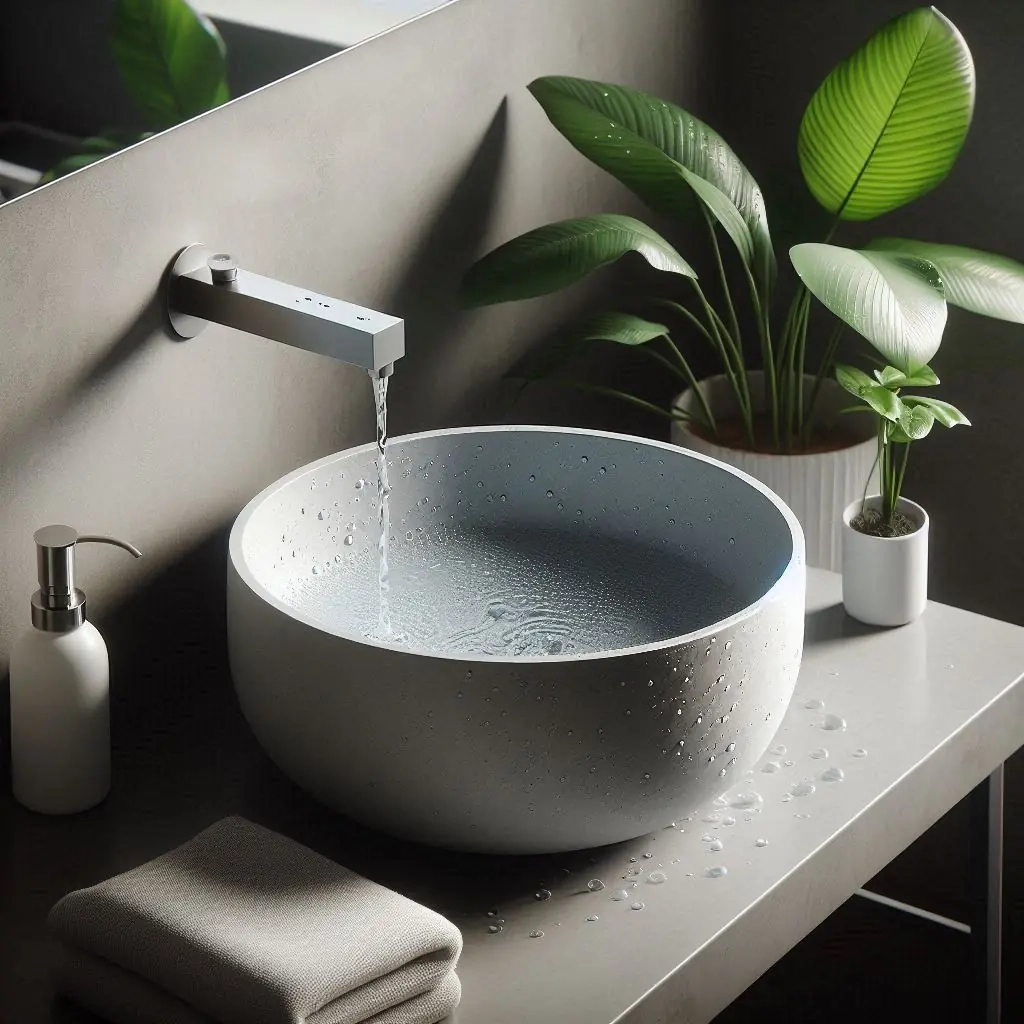
How Ceramic Vessel Sinks Enhance Bathroom Aesthetics and Functionality
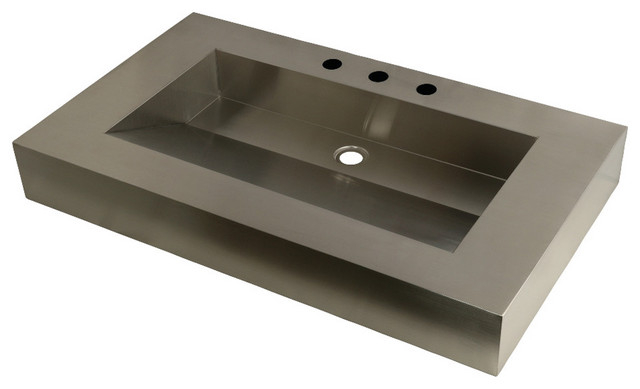
Design and Durability Analysis of the Kingston Brass GLTS37225 Brushed Basin
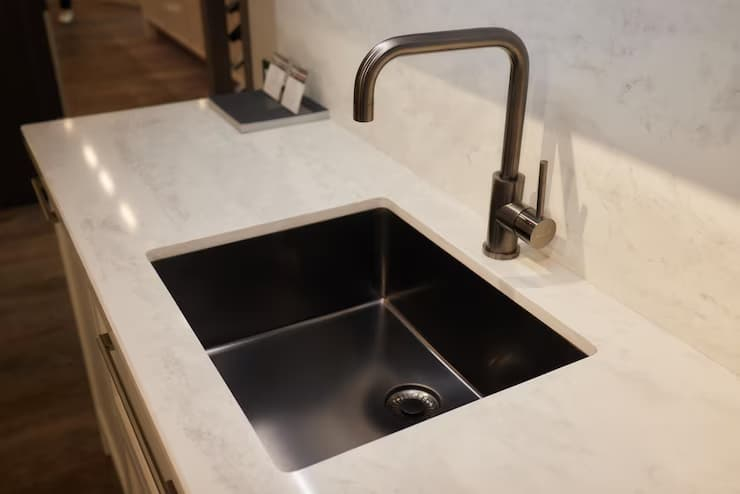
Choosing the Perfect Small Undermount Sink for Your Home Decor
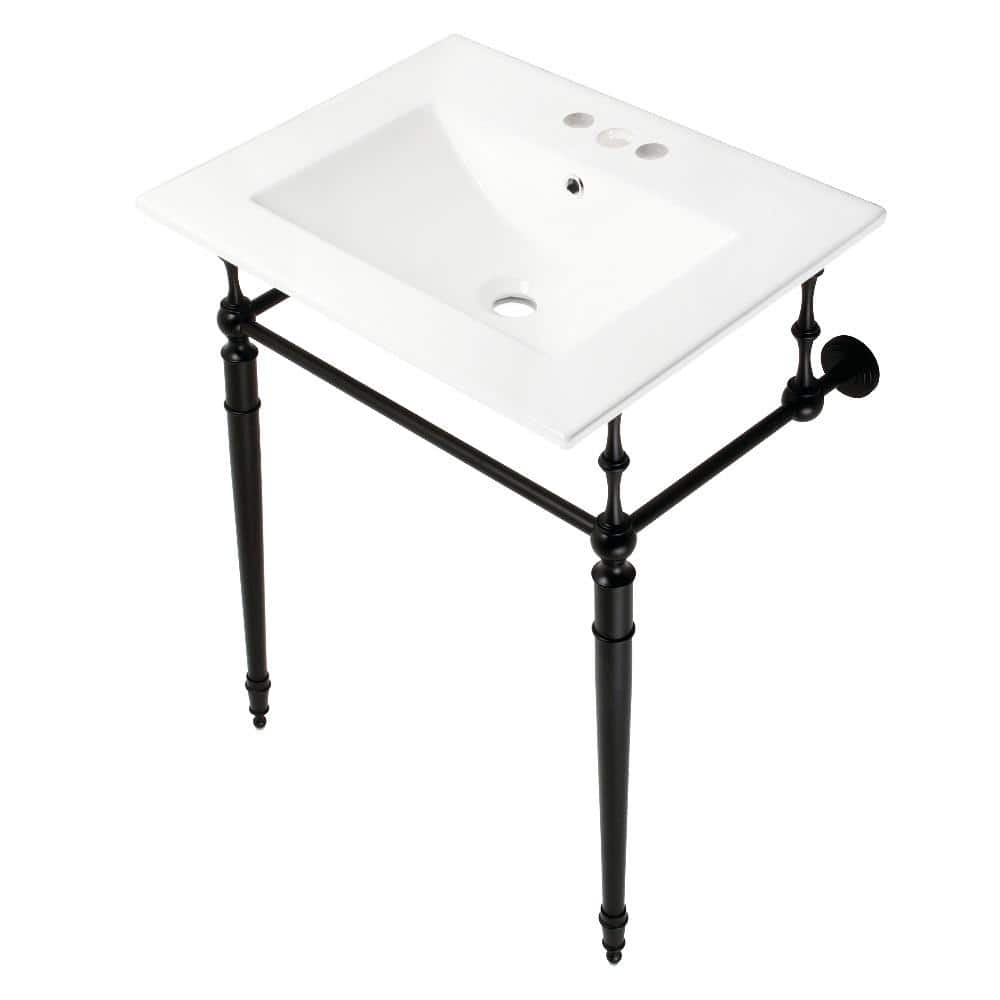
Material Durability and Maintenance of Kingston Brass VPB24187W4 Ceramic Sink
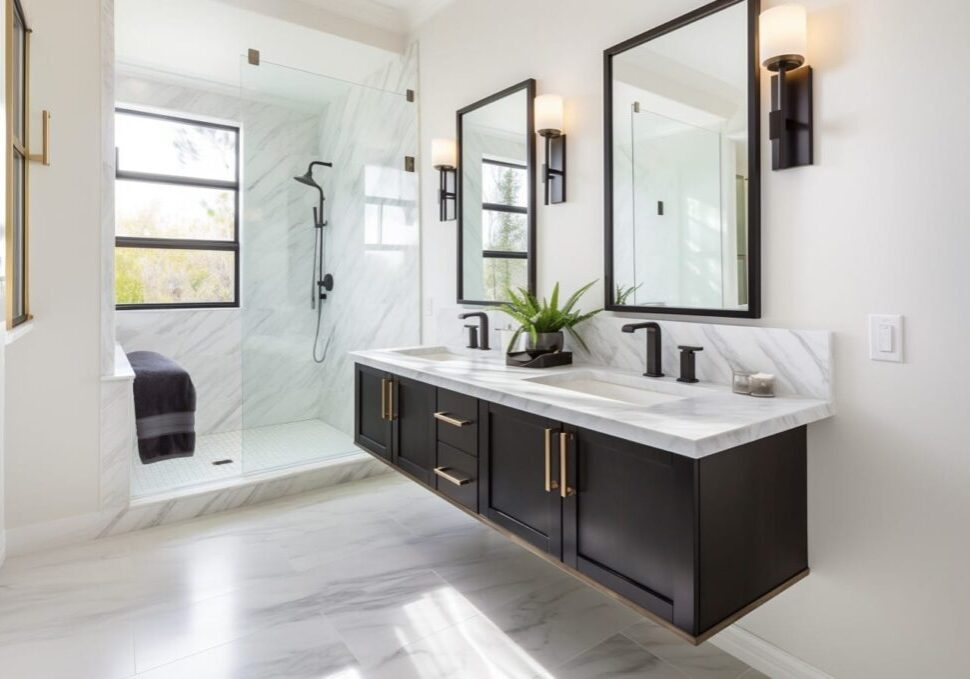
Expert Insights on Choosing the Right Sink for Your Bathroom Renovation