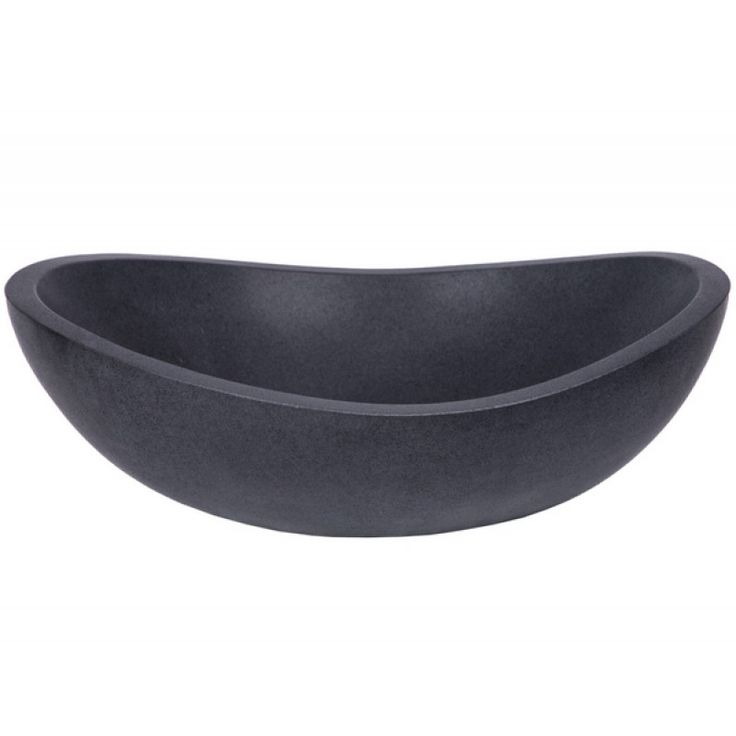
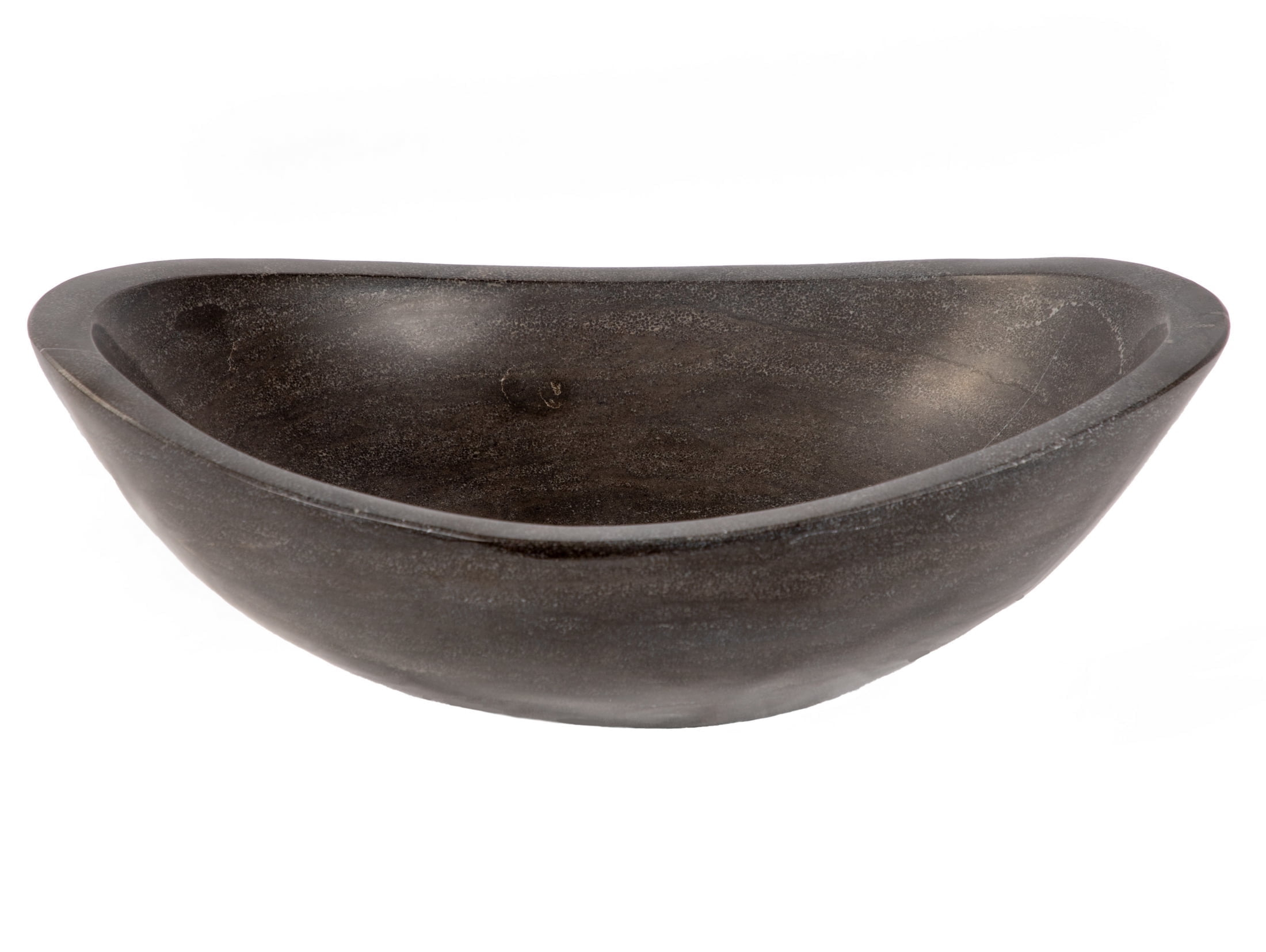
When I first installed my honed black limestone sink three years ago, I was convinced I'd made the perfect choice. It looked stunning, had that premium stone feel, and the dark finish was exactly what my kitchen needed. But here's what I didn't expect: the surface would become a permanent sponge for water spots, stains, and tiny scratches that just wouldn't go away. After countless cleaning attempts and a few near-catastrophic moments, I finally figured out what was really going wrong—and how to fix it.
Honed black limestone sinks are popular because they look sophisticated and can handle daily kitchen use. But let's be honest, they're not just another countertop material. They're delicate, porous, and require a level of care that most people simply don't realize they need. I've worked with all sorts of natural stone in kitchens, but this particular sink type has been a constant source of headaches for me. What I've learned is that while they're beautiful, they're also incredibly prone to certain issues that many homeowners never see coming. This isn't just about aesthetics—it's about maintenance, longevity, and understanding what you're really getting into when you choose this material.
Why Honed Black Limestone Sinks Matter
There's something undeniably elegant about a well-maintained honed black limestone sink. The subtle texture, the way light reflects off its matte surface, and the rich color make it a standout feature in any kitchen. But here's what most people don't realize: this beauty comes at a cost. Unlike granite or porcelain, limestone is a sedimentary rock that's naturally porous. That means even though it's been honed to smoothness, it still absorbs liquids and oils easily. In my case, I was using it for everything from washing vegetables to cleaning dishes, and I quickly realized I wasn't just staining the surface—I was penetrating it. I'm talking about water spots that won't lift, food residue that seems to permanently embed itself, and tiny scratches that multiply faster than I can clean them. The key here is that limestone doesn't just get dirty—it gets damaged by everyday use.
How I Approach Honed Black Limestone Sink Maintenance
After my initial disaster, I decided to do some serious research and testing. Here's what I learned and how I adjusted my routine:
• Immediate cleaning: Any water or spillage needs to be wiped up within minutes. I keep a microfiber towel by the sink and use it constantly.
• Weekly deep cleaning: I use a pH-neutral cleaner specifically designed for natural stone. Avoid acidic cleaners—they'll etch the surface.
• Sealing strategy: I now seal the sink every six months with a high-quality impregnator sealer. This has made a massive difference.
• Avoiding harsh scrubbing: I've learned that aggressive cleaning actually damages the surface more than gentle wiping.
• Using proper tools: I switched to plastic cutting boards and utensils to prevent scratches. Even stainless steel can leave marks.
I spent weeks figuring out the right balance between keeping it clean and not overdoing it. My biggest mistake early on was trying to treat it like a regular sink—turns out that's a recipe for disaster.
The Mistakes I Made with Honed Black Limestone Sinks
Looking back, I made several rookie mistakes that probably could have been avoided. First, I thought the honed finish meant it was indestructible. I was wrong. Second, I didn't understand that limestone requires regular sealing—something I assumed was a one-time thing. Third, I used standard kitchen cleaners that contained acids, which caused visible etching on the surface. Finally, I didn't realize how quickly small scratches could accumulate and become permanent marks. I remember one incident where I accidentally dropped a heavy pot, and it left a ding that looked like a crack. I panicked because I thought it was irreparable. That's when I realized I needed to approach this with more respect. It took me about six months to really get the hang of it, but once I did, the sink transformed from a headache into a feature I actually enjoyed.
What Most People Get Wrong About Honed Black Limestone Sinks
Here's something that really surprised me: most people think limestone is just harder than other stones. It's not. It's actually softer than granite and more prone to damage. But here's the kicker—they often assume it's like marble. That's another big misconception. While both are natural stones, limestone is less dense and more porous. This means it needs different care than what people expect. Also, a lot of people don't realize that the 'honed' finish is supposed to create a smooth, matte appearance—but it doesn't protect against staining or scratching. The surface can still absorb substances, and the scratches don't disappear over time. I've seen people spend hundreds on limestone sinks, only to find that they're not getting the low-maintenance kitchen they thought they were buying.
Choosing the Right Sealer for Your Honed Black Limestone Sink
This is where I got really lucky. I tried a few different sealers before settling on a high-quality impregnator sealer that's designed specifically for natural stone. It's not cheap—about $30 for a quart—but it works. Here's what I look for in a good sealer:
• Impregnator-type: These penetrate the stone rather than sitting on top.
• pH neutral: Avoid anything with acid components.
• Long-lasting: I want it to last at least six months.
• Easy application: I prefer spray-on sealers for convenience.
I've tested a couple of budget options, but they didn't hold up well. The cheaper ones wore off too quickly, and I ended up spending more time reapplying than I saved. I also make sure to test the sealer on a small area first to ensure it doesn't change the appearance. Sometimes you get a slight sheen, and that's not what I want for my honed finish.
Frequently Asked Questions About Honed Black Limestone Sinks
• How often should I seal my limestone sink? I recommend sealing every six months, but if you notice water beads aren't forming properly, it's time to reseal.
• Can I use vinegar or lemon juice on it? No, never. Acids will etch the surface and cause permanent damage.
• Will my sink scratch easily? Yes, but with proper care and the right tools, you can minimize it.
• Is limestone hard to maintain? It's more demanding than other materials, but definitely manageable with the right approach.
• Can I restore a heavily stained sink? It's possible, but it usually requires professional restoration or refinishing.
The Hidden Problem With Honed Black Limestone Sinks (And How I Fixed Mine)
The real issue with honed black limestone sinks isn't just about cleaning—it's about expectation management. People think they're getting a luxury item that's easy to care for, but what they're really getting is a beautiful but fragile surface that demands attention. The solution I found was to stop treating it like a normal sink and start treating it like a precious artifact. I created a detailed cleaning schedule, invested in proper tools, and learned to appreciate its unique character instead of fighting it. The result? My sink looks better than ever, and I actually enjoy using it. If you're considering one, just remember: it's not just about the beauty. It's about commitment.
If you're thinking about a honed black limestone sink, I'm not going to discourage you—just prepare yourself for a different kind of maintenance routine. It's not going to be a drop-in replacement for your old sink. It's going to require attention, respect, and a willingness to adjust your habits. But if you're ready for that, it can be incredibly rewarding. I've come to love the way it ages gracefully, and there's something special about knowing that every scratch and stain tells a story. For anyone else who's dealing with their own limestone sink frustrations, my advice is simple: don't give up on it. Just give it the care it deserves, and it'll reward you with decades of beauty. I'd say I've learned my lesson—and maybe you can save yourself some trouble by learning mine first.



Related Posts
How Ceramic Vessel Sinks Enhance Bathroom Aesthetics and Functionality
Design and Durability Analysis of the Kingston Brass GLTS37225 Brushed Basin
Choosing the Perfect Small Undermount Sink for Your Home Decor
Material Durability and Maintenance of Kingston Brass VPB24187W4 Ceramic Sink

Expert Insights on Choosing the Right Sink for Your Bathroom Renovation