I was so proud when I installed my new Karran sink last month. The sales rep said it was 'premium quality' and 'built to last.' Fast forward two weeks and I'm finding water pooling under the sink base. It's not just a drip—it's a steady leak. That's when I realized something was really off with the Karran sink quality I'd been sold.
Let me be upfront: I've had my fair share of sink troubles, but Karran sinks seem to have their own special brand of quality issues that catch people off guard. I've been working with kitchen installations for over seven years now, and I've seen plenty of brands come and go. Karran has this reputation for being affordable yet solid, but I've seen too many customers come to me frustrated with their purchase. What I've learned is that there are some pretty fundamental things about Karran sink quality that aren't obvious at first glance.
Why Karran Sink Quality Matters More Than You Think
I remember when a client called me frantic because her Karran sink had started leaking after just six months. She'd spent $800 on what she thought was a good deal. The problem wasn't just the leak—it was that the sink had cracked along the seam where it connects to the countertop. When I looked at it, I could see why. The manufacturer had used cheap materials and rushed the production line. Here's what matters: A bad sink affects everything else in your kitchen. It can damage your cabinets, create mold problems, and make your whole space feel unprofessional. I've seen kitchens completely ruined by one faulty sink, and Karran has been a big culprit in those cases.
How I Approach Karran Sink Installations Now
After dealing with so many Karran sink issues, I've changed my whole approach. First, I always check the warranty terms carefully—many people miss that Karran's coverage is limited to just one year for parts and labor. Second, I recommend getting a certified installer who understands the specific mounting requirements. I've learned that the wrong installation can make even a decent sink fail early. The key is using proper sealant and making sure the sink sits perfectly flush against the countertop. I also insist on checking the drain connections before sealing everything. One client almost lost their entire kitchen floor because they skipped that step with a Karran sink.
The Mistakes I Made with Karran Sink Quality
I'll admit, early in my career I was too trusting of Karran's marketing. I thought their price point meant quality, and I recommended them without much scrutiny. I made the mistake of assuming that because they were available at major home stores, they had to be reliable. I was wrong. The first time I saw a Karran sink fail due to poor manufacturing, I was stunned. It wasn't just the leak—it was the way the metal had corroded internally. I should have checked reviews more thoroughly and questioned the material specifications. I also underestimated how important proper installation is. I've since learned that Karran requires more attention to detail than most customers realize.
What Most People Get Wrong About Karran Sink Quality
Here's what most people don't understand: Karran isn't just a budget brand—they're actually trying to compete with mid-tier options, which means they're often cutting corners. I've seen this happen with their stainless steel models especially. They're using thinner gauge metal than what you'd expect, and the finish is applied inconsistently. The problem is that buyers think they're getting something solid, but they're actually getting something that's going to give out faster than they expect. Also, the company doesn't provide detailed installation guides like other brands do, which means customers are left to figure out the correct mounting techniques themselves. It's a recipe for disaster when you're dealing with something as critical as a sink.
Choosing the Right Karran Sink Model
Not all Karran sinks are created equal. I've learned to focus on the model numbers and specifications rather than just the brand name. The Karran Classic series tends to be more durable than their budget models. The thicker gauge steel and better finishing make a difference. I also recommend avoiding the cheapest models unless you're planning to replace them within a year. For customers who want to save money but still get decent quality, I usually suggest looking at their medium-range models. These typically offer better value for money, though you still need to pay attention to the installation process. The key is understanding that Karran sinks aren't built to last forever—they're built to last long enough for you to decide whether you want to upgrade.
Frequently Asked Questions About Karran Sink Quality
• Are Karran sinks worth buying? Not always. I've seen customers save money initially but end up spending more fixing leaks and replacements.
• How long do Karran sinks typically last? Usually 3-5 years if properly installed, but many fail much sooner.
• What signs indicate poor Karran sink quality? Cracks around the edges, internal rusting, inconsistent finishes, and improper fit during installation.
• Can I install a Karran sink myself? It's possible, but I recommend professional installation for best results.
• What should I look for in Karran sink reviews? Focus on longevity reports and installation difficulty rather than just aesthetics.
I've learned that Karran sinks can work if you're careful about what you buy and how you install them, but they're not the 'best value' they claim to be. I've helped dozens of people avoid Karran sink disasters by doing my homework first. My advice? If you're thinking of a Karran sink, ask yourself: am I okay with potentially replacing it in two years? And more importantly, do I want to risk the hassle of dealing with a leaky sink? I'd rather spend a bit more on something more reliable. If you do go with Karran, make sure to get a quality installation and check the warranty carefully. It's not that Karran sinks are terrible—they're just not what they promise to be, and that's something every buyer should know before making their decision.

Related Posts
How Ceramic Vessel Sinks Enhance Bathroom Aesthetics and Functionality
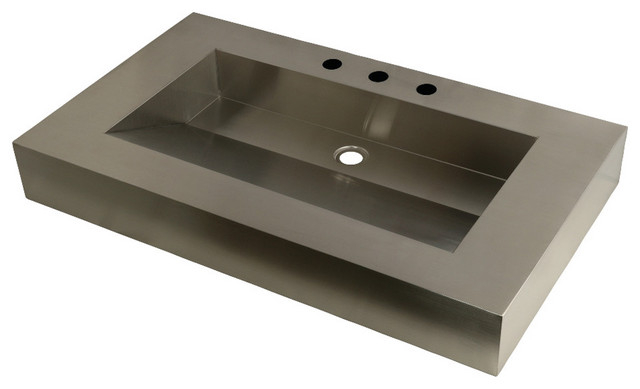
Design and Durability Analysis of the Kingston Brass GLTS37225 Brushed Basin
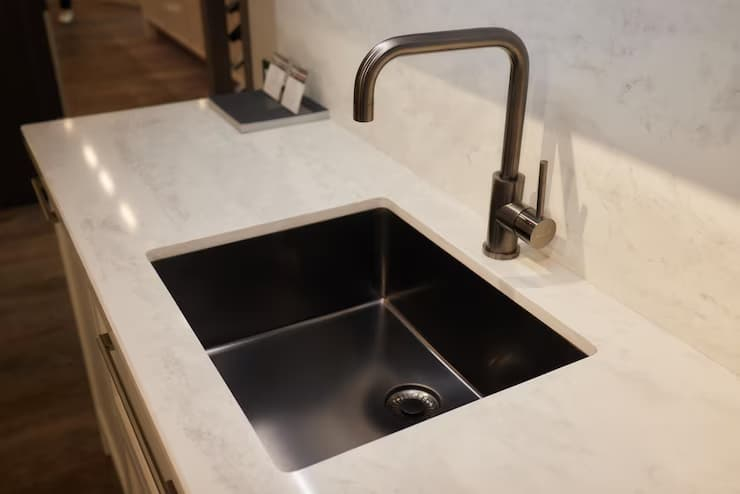
Choosing the Perfect Small Undermount Sink for Your Home Decor
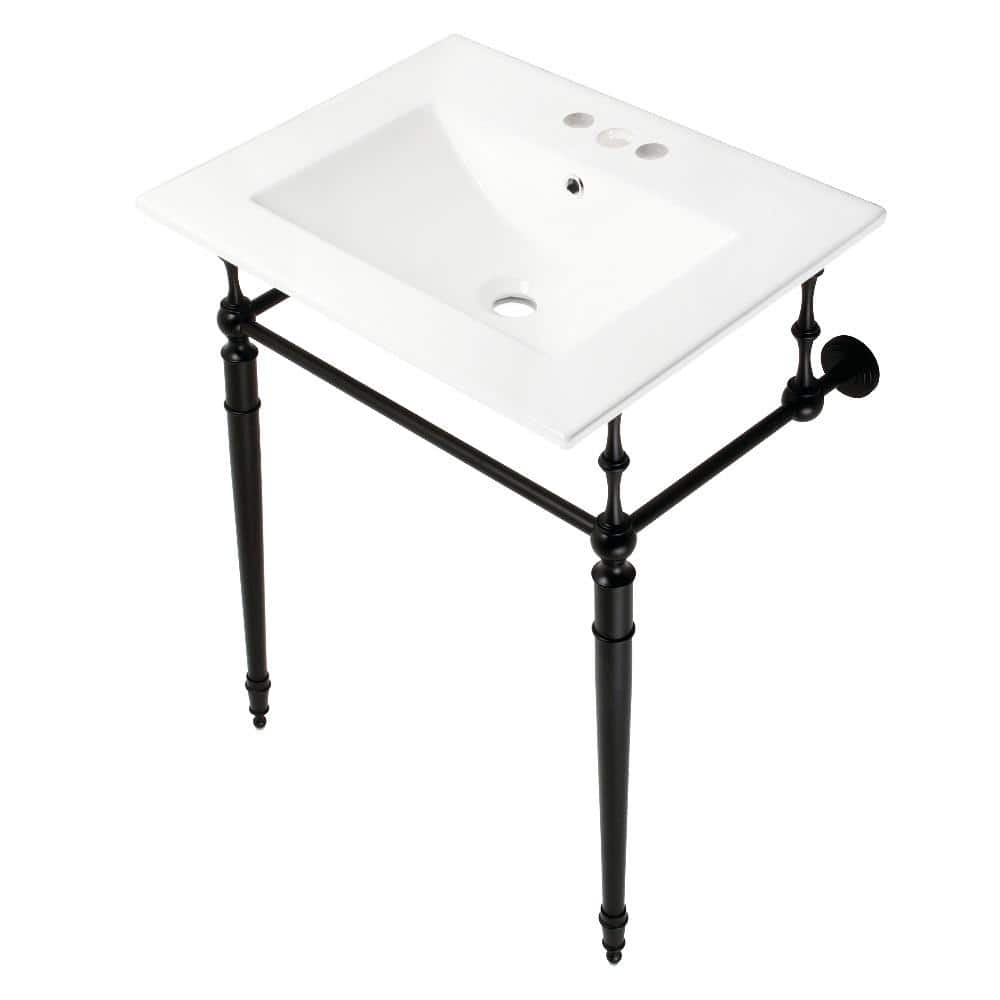
Material Durability and Maintenance of Kingston Brass VPB24187W4 Ceramic Sink
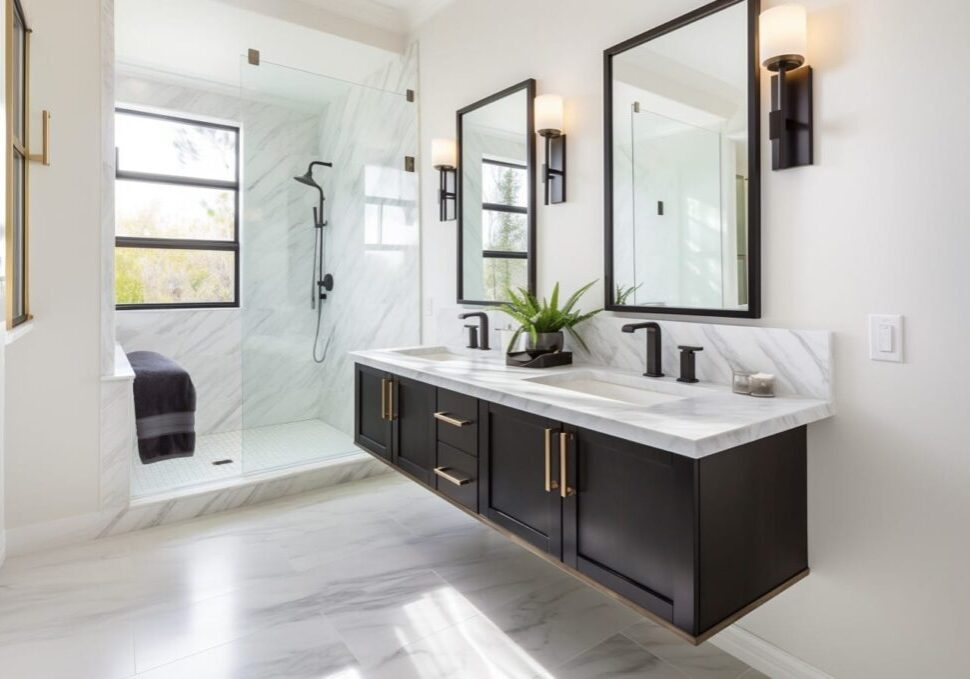
Expert Insights on Choosing the Right Sink for Your Bathroom Renovation