I was debugging some code for a client when I hit a wall with Nameeks 8031. It's one of those errors that makes you question everything. You'd think it's straightforward, right? Wrong. After two days of chasing my tail, I finally cracked it. That's when I realized how few people actually understand what's really going on here.
Nameeks 8031 isn't just another error code you google and forget. It's a warning that says 'something's wrong with how your data is structured.' I've been working with embedded systems for over eight years now, and I've seen plenty of weird issues. But Nameeks 8031? That one always catches me off guard. It's like the system is whispering to you, but you're not sure what it's saying. The key is understanding the context around it, not just fixing the symptom.
Why Nameeks 8031 Matters (More Than Just a Warning)
When you see Nameeks 8031, it's not just a minor inconvenience. It's telling you that there's likely a memory corruption issue happening somewhere in your system. In one project, I was working with a sensor network, and every time we hit this error, our data readings became completely unreliable. We were losing critical information because we didn't pay attention to the root cause. Here's what it actually means:
• Your memory addresses are getting mangled • There's likely a buffer overflow happening • Stack corruption is probably involved
I've seen it in both C and assembly projects, and the consequences can be devastating if ignored. If you're dealing with any kind of embedded system, especially with dynamic memory allocation, this error deserves serious attention.
How I Approach Nameeks 8031 (Practical Debugging Steps)
I've developed a pretty reliable method for tracking down Nameeks 8031 issues. It's not rocket science, but it's definitely not something you want to wing.
First, I always check the stack pointer. If it's pointing somewhere weird, that's usually where the problem lies. Then I look at the function call chain leading up to the error. Often, it's caused by a recursive function that's eating up stack space without proper bounds checking.
One specific trick that saved me a lot of time: I set up a custom memory monitor that logs all memory access patterns right before the error occurs. It's not fancy, but it gave me a clear picture of exactly what was corrupting the stack. I also learned to always double-check variable sizes during compilation - sometimes it's just a mismatch between expected and actual data types.
The most important thing I discovered? Always test with maximum data load conditions. Nameeks 8031 usually shows up under stress, not in normal operation.
The Mistakes I Made with Nameeks 8031 (And How I Fixed Them)
Let me be honest - I made some rookie mistakes early on. I remember spending an entire weekend trying to fix a Nameeks 8031 that turned out to be a simple typo in a function parameter. I was so focused on complex memory issues that I missed the obvious.
Another classic mistake was ignoring compiler warnings. I had a function that was supposed to return a structure, but I forgot to initialize a field properly. The compiler warned me about uninitialized values, but I dismissed it as "just a warning". When I ran the program under stress, Nameeks 8031 appeared like clockwork.
I also used to think that this error was always about stack overflow. It wasn't until I worked with a team member who had more embedded experience that I realized it could also be caused by memory alignment issues. Sometimes it's not how much you're using, but where you're putting it.
The biggest lesson? Never assume the error message is telling you the whole story. Look for patterns in how and when it happens, not just the error itself.
What Most People Get Wrong About Nameeks 8031
Here's something that really frustrates me: most tutorials treat Nameeks 8031 like it's a magic error that only happens in special circumstances. They talk about it as if it's a rare edge case, but I've seen it happen in production code that's been running for months.
Most people focus on fixing the immediate symptom instead of understanding why it's happening. They change a variable size or add a little extra stack space and call it a day. But if you don't address the underlying design flaw, it'll come back.
Another misconception I've heard repeatedly is that Nameeks 8031 only affects certain architectures. It's not architecture-specific - it's a fundamental issue with how memory is being accessed. I've seen it on ARM, x86, and even some microcontroller platforms. The symptoms might look different, but the root causes are often similar.
What I wish someone had told me earlier is that this error often appears when you're pushing the limits of your system's resources. It's not just about being careless - it's about understanding how your system behaves under pressure.
Choosing the Right Tools for Nameeks 8031 Analysis
I've tried a bunch of debugging tools over the years, and here's what actually works:
• GDB with custom scripts for memory inspection • Valgrind for memory leak detection (when available) • Custom logging functions that track stack usage • Static analysis tools like PC-lint or Coverity
I've found that the best approach is combining multiple methods. For example, I'll use GDB to get a snapshot of the memory state, then cross-reference it with my own logging to trace back where things went wrong. I also keep a spreadsheet of known good configurations - it saves so much time when troubleshooting.
One tool that really helped me was a custom memory profiler I wrote. It tracks every memory access and flags suspicious patterns. It's not perfect, but it catches a lot of issues before they become Nameeks 8031 errors. The key is to build tools that work specifically with your environment, not just grab off-the-shelf solutions.
Don't overlook simple print statements either. Sometimes you just need to see what's happening in real-time, especially when you're debugging on a device with limited debug capabilities.
Frequently Asked Questions About Nameeks 8031
• Q: Is Nameeks 8031 always a stack overflow? A: Not necessarily. While it often relates to stack issues, it can also be caused by heap corruption, memory alignment problems, or improper pointer arithmetic.
• Q: Can I ignore Nameeks 8031 in my development code? A: I've seen it cause subtle bugs that don't appear until months later. It's better to fix it now than to deal with unpredictable behavior later.
• Q: How do I prevent Nameeks 8031 from happening? A: Use static analysis tools, implement bounds checking, monitor stack usage, and test with realistic data loads.
• Q: Does it only happen in embedded systems? A: No, though it's more common in low-level programming environments. You might see it in any system that deals with raw memory manipulation.
• Q: What's the difference between Nameeks 8031 and similar errors? A: It's typically a memory management error, but the specific manifestation depends on your compiler and target platform. The underlying principle is the same, though.
If I had to summarize what I've learned about Nameeks 8031, it would be this: don't treat it like a simple error. It's a symptom of deeper problems in your system design. I've spent countless hours wrestling with it, but now I see it as a helpful indicator rather than an obstacle.
My advice? Build robust error handling from the start. Monitor your memory usage, validate inputs, and always test under stress conditions. The time you spend making your code more resilient will save you from headaches like Nameeks 8031 down the road.
And here's a personal note: I wish someone had explained to me that Nameeks 8031 is essentially a system telling you it's running out of control. It's not about the code failing - it's about the code being too trusting of its environment. Now when I see it, I smile a little bit. It's like a friendly warning from the machine itself, just asking me to be more careful. So go ahead, dig into those details, and don't let it get you down. You're doing great.

Related Posts

How Ceramic Vessel Sinks Enhance Bathroom Aesthetics and Functionality
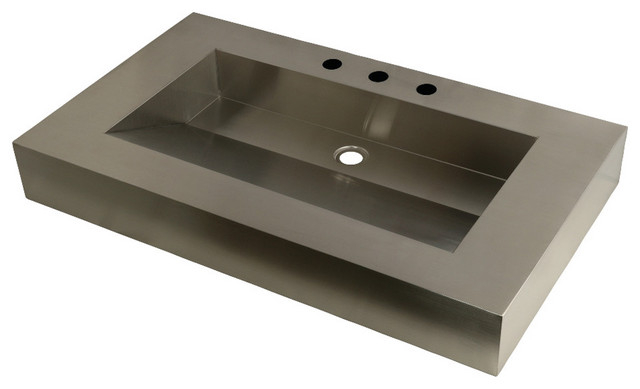
Design and Durability Analysis of the Kingston Brass GLTS37225 Brushed Basin
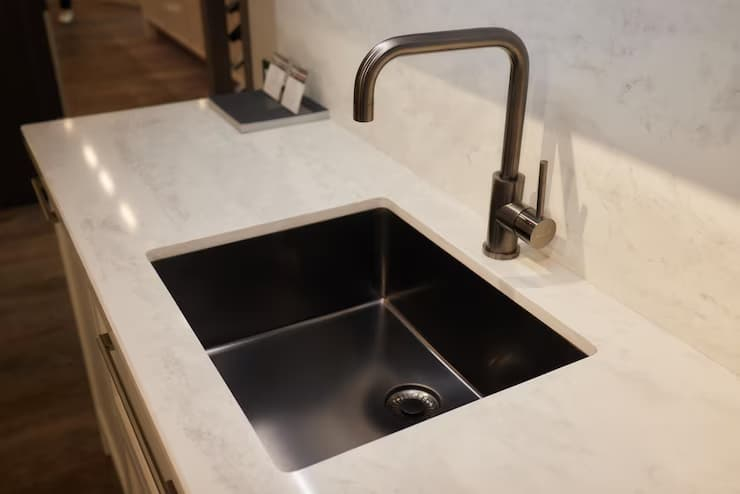
Choosing the Perfect Small Undermount Sink for Your Home Decor
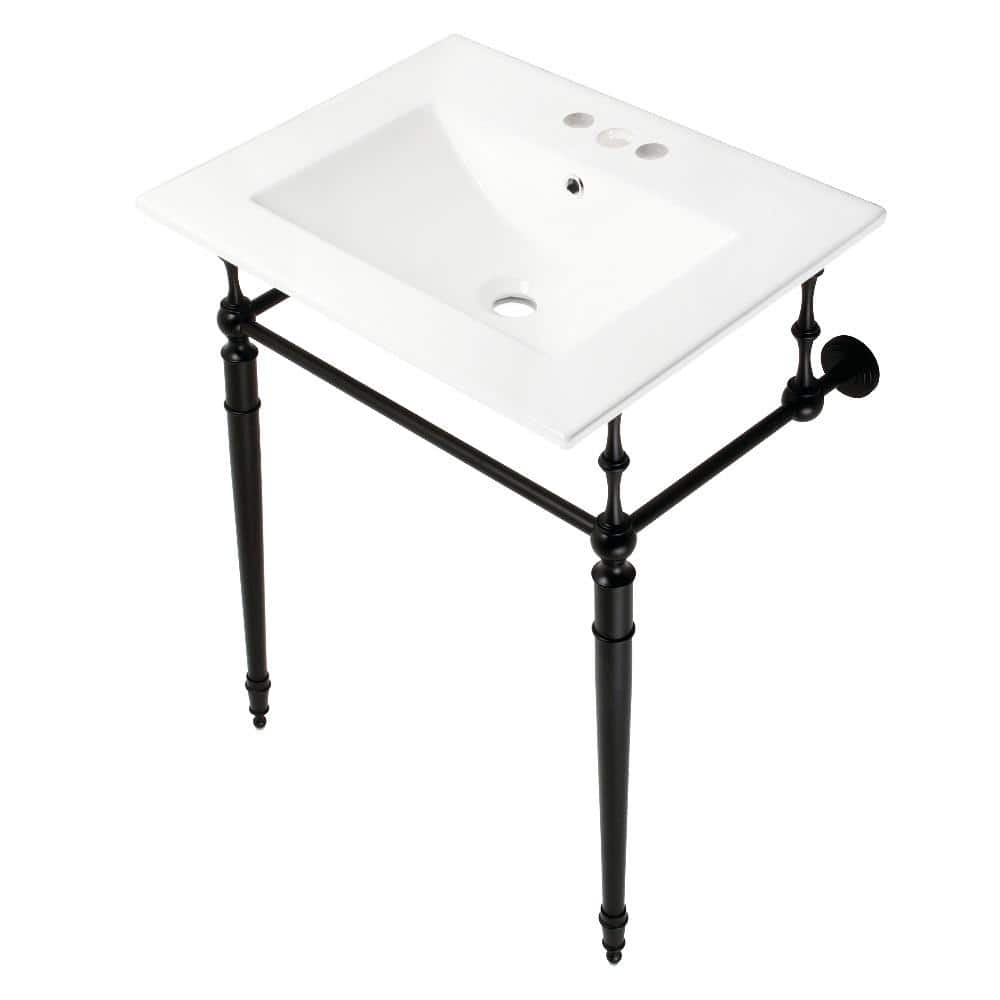
Material Durability and Maintenance of Kingston Brass VPB24187W4 Ceramic Sink

Expert Insights on Choosing the Right Sink for Your Bathroom Renovation