Picture this: you hear scratching sounds coming from behind your drywall at 2 AM. Your heart skips a beat. That's when you realize those tiny creatures have found their way into your walls. It's not just unsettling—it's serious business. Mice can cause damage, spread disease, and create a whole host of problems if left unchecked. But here's the good news: you don't have to live with them. With the right approach, you can get rid of them once and for all.
Mice are sneaky little creatures that love to make themselves at home where we live. They're not just pests—they're a health hazard and a structural threat too. When they decide to move into your walls, they're not just looking for shelter, they're looking for food and a place to raise their young. The problem? These tiny invaders can chew through wires, insulation, and even your home's structure. What makes this situation particularly tricky is that they're so good at hiding. They can go undetected for months, building up their population while doing damage you can't see. But understanding how they behave and what they need gives us the upper hand. This guide walks you through everything you need to know to tackle this problem head-on.
Recognizing Signs of Wall Infestation
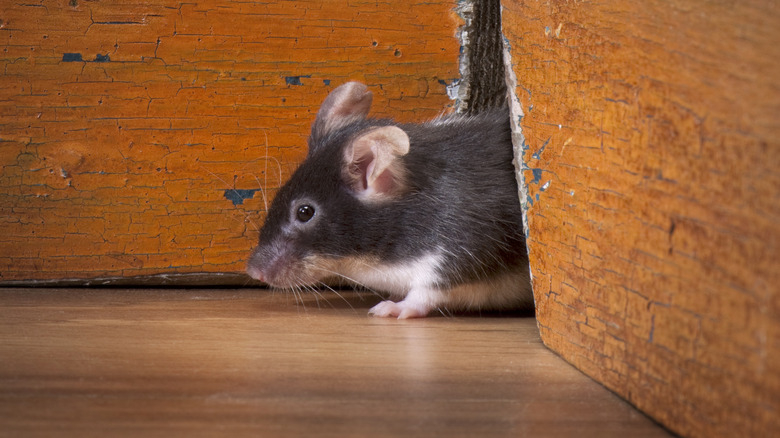
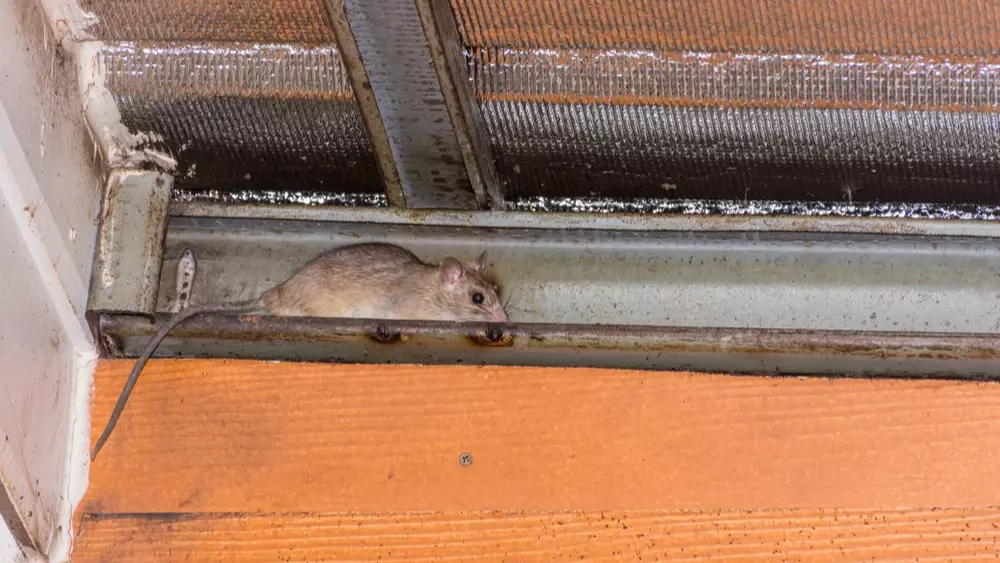
The first step to getting rid of mice in your walls is knowing what to look for. If you've got a mouse problem, there are telltale signs that will clue you in. Listen carefully to the sounds they make. Scratching, squeaking, and scurrying noises are often the first hints something is living inside your walls. These sounds are usually most noticeable at night when mice are active. You might also notice droppings, which are small, dark pellets that look like rice grains. These can appear near food sources or along their usual paths. Another sign is gnaw marks on wood, paper, or plastic items. Mice constantly chew to keep their teeth worn down, so if you see bite marks on your belongings, that's a red flag. Look for holes in walls or around baseboards. Small entry points, about the size of a pencil eraser, are all they need to squeeze through. You'll also want to check for unusual odors, especially a musty smell that comes from their urine and nesting materials. Sometimes, you can even see the mice themselves, though they're quite good at staying hidden.
Understanding Mouse Behavior and Habits
To defeat mice in your walls, you've got to understand how they think and act. These creatures are naturally curious and opportunistic. They're attracted to warmth, food, and water sources. They prefer to stay close to where they sleep and eat. Mice are excellent climbers and can navigate through small spaces you wouldn't expect. They're also incredibly fast runners and jumpers, making them hard to catch. Their daily routine involves foraging for food during the night and returning to their nests during the day. This means they're always moving between areas, following familiar paths. Understanding their habits helps you predict where they might be and what they might be doing. For instance, they often travel along baseboards and in corners, creating runways. They're also drawn to areas with high humidity or where there's moisture. Knowing that they're social animals can help you understand why one mouse might mean more than one. A single female can produce several litters per year, each containing up to twelve babies. So if you see one mouse, it's likely just the tip of the iceberg.
Prevention Strategies Before It's Too Late
Prevention is always better than cure when it comes to mice. The best way to deal with wall mice is to stop them from getting in at all. Start by sealing up any potential entry points. Look for gaps around pipes, vents, cracks in walls, and around doors and windows. Even small openings can let in a mouse. Use steel wool or caulk to fill these gaps. Mice are particularly fond of areas where they can find food. Keep your kitchen clean and store food in sealed containers. Don't leave crumbs or spills lying around. Clean up after meals promptly. Also, eliminate standing water sources. Fix leaky pipes and drain any water that collects in your home. Mice don't like strong smells either. Consider using natural deterrents like peppermint oil or mothballs in areas where they might enter. Regularly inspect your home for signs of damage. Check under appliances, in cabinets, and around storage areas. It's also helpful to trim tree branches away from your house. Mice often use trees or shrubs to access the roof or walls. Finally, keep your home well-ventilated. Mice prefer damp environments, so ensure good air circulation in basements, attics, and crawl spaces.
Effective Trapping Methods
Once you've confirmed there are mice in your walls, traps become your best friend. There are different types of traps available, and choosing the right one matters. Snap traps are the most common and effective for catching mice quickly. Place them along walls where you've noticed activity. Bait them with peanut butter, dried fruit, or chocolate chips. Make sure the trap is secure and won't fall over. Live traps are another option, especially if you prefer to release mice outside. These require more patience and careful handling. You'll need to check them regularly and release the mice far from your home. Electronic traps are newer options that offer a humane alternative. They kill the mice quickly and cleanly. Whatever type you choose, placement is crucial. Position traps where mice are most active. You can also try multiple traps in different locations. Bait stations are useful for protecting the bait from pets and children. Some people find success with multiple traps arranged in a line. Remember to check your traps daily and dispose of caught mice properly. Always wash your hands after handling traps or dead mice. Using traps effectively requires some trial and error. If one area isn't working, try moving traps or changing the bait.
Natural Deterrents and Repellents
If you'd rather avoid traps altogether, natural deterrents can work well for keeping mice away. Peppermint oil is one of the most popular options. Mice hate the scent, so you can apply it to cotton balls and place them in areas where they've been seen. Another natural repellent is ultrasonic devices that emit high-frequency sounds. These are supposed to irritate mice and drive them away. However, their effectiveness varies from person to person. You can also try using catnip or coffee grounds as deterrents. These are less scientifically proven but worth trying. Another approach is to make your home less appealing by reducing food sources and keeping areas clean. Remove any clutter that could provide hiding spots. Mice prefer dark, quiet places to nest. By making your home less inviting, you're making it harder for them to establish themselves. Some people swear by using white vinegar or ammonia solutions to deter mice. These strong smells can disrupt their sense of smell and make the area less desirable. Just remember that natural methods take time to work. They're not immediate fixes, but they can complement trapping efforts. Also, be aware that these methods may not work for severe infestations.
Professional Help and When to Call Experts
Sometimes, despite your best efforts, you'll find yourself dealing with a serious mouse problem. If you've tried multiple approaches and still have mice in your walls, it might be time to call in professionals. Signs that you need expert help include seeing multiple mice, hearing constant scratching sounds, finding large amounts of droppings, or noticing significant damage to your home. Professional pest control services have specialized equipment and experience that makes them much more effective. They can locate exactly where mice are entering and nesting. They'll also know which treatments are safest for your family and pets. Many companies offer integrated pest management, combining several techniques for maximum effectiveness. These experts can also help prevent future infestations by identifying weak points in your home's defenses. They might recommend sealing methods or suggest changes to your home's environment. Don't hesitate to contact a professional if your situation feels overwhelming. Dealing with mice in walls can be stressful, and sometimes you need help to feel confident that the problem is truly solved. Remember, prevention is still important even after professional treatment. You want to make sure your home stays mouse-free going forward.
Getting rid of mice in your walls isn't just about getting rid of pests—it's about protecting your health, your home, and your peace of mind. These tiny creatures can cause big problems if they're allowed to establish themselves. But with knowledge and action, you can take back control of your space. Start by recognizing the signs early and acting quickly. Prevention is your best weapon, but when mice do get in, you have several options to deal with them. Whether you choose traps, natural deterrents, or professional help, the key is consistency and persistence. Don't give up if your first attempt doesn't work perfectly. It takes time and effort to fully resolve a mouse problem. And remember, you're not alone in this fight. Millions of people have dealt with this issue before you, and they've succeeded. The important thing is to stay patient, stay informed, and keep working toward a mouse-free home. Your walls deserve to be peaceful, and with the right approach, they can be again.


Related Posts
What happens to dried ink when clothes go through dryer tumbling

How American Standard HVAC Systems Compare to Trane Brands
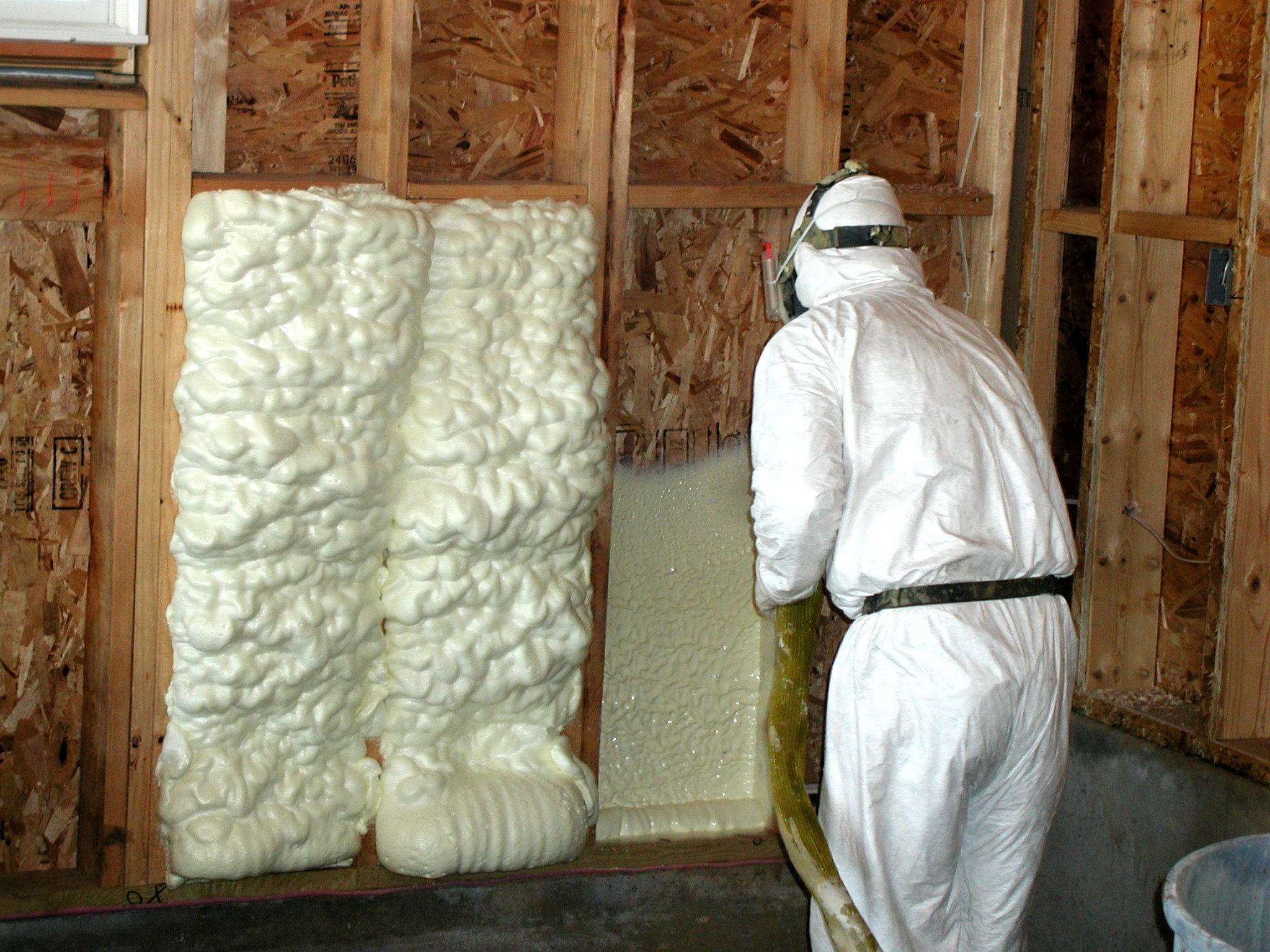
Breaking down spray foam insulation costs by type and coverage area

How to Effectively Eliminate Clover from Your Lawn Naturally

The Surprising Reason Why Ladybugs Choose Your House