Making a bed feels like an art form, does it not? You pick the fabric, the stitching, but the size is what truly matters. If it hangs too short, it looks wrong. If it is too long, it drags across the floor. We often forget the math behind the comfort. It is about more than just buying something off the shelf. You have to think about how the fabric moves when you sleep. Sometimes you want it tucked. Other times, you want it loose. There is no single right answer. But there are some solid rules to follow. This guide will help you navigate the choices without feeling overwhelmed.
Many folks buy a cover and then find it does not quite work. The edges peek out too far. Or the sides are too short. It happens all the time. The root cause is usually a misunderstanding of the mattress size. A queen mattress is wider than a twin but narrower than a king. You need to account for the thickness of the bedding too. If you use thick padding, the quilt shrinks visually. It is definately important to measure before you sew. This section walks you through the basics so you can avoid mistakes. You want your room to feel cozy, not mismatched.
Standard Measurements Explained
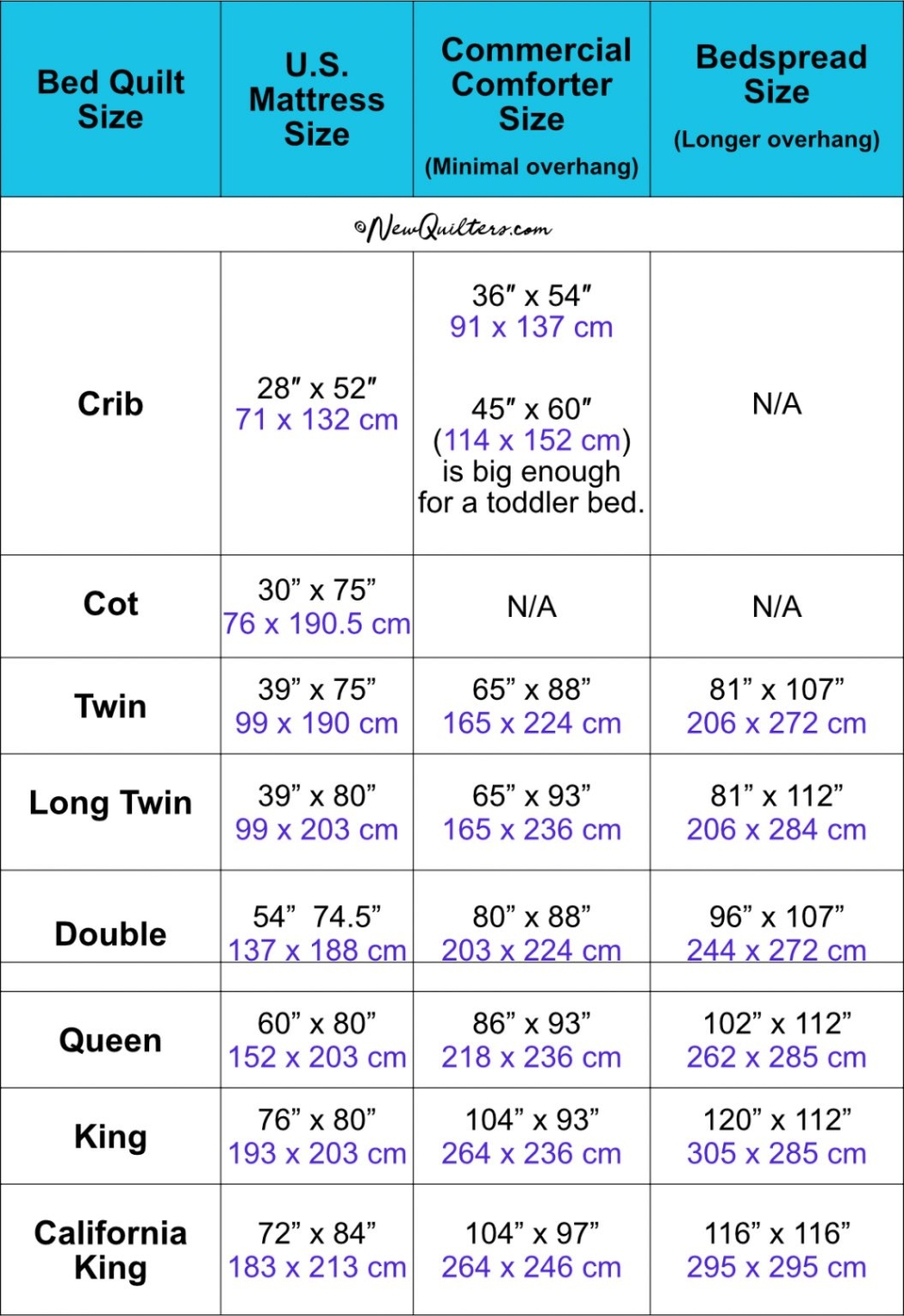
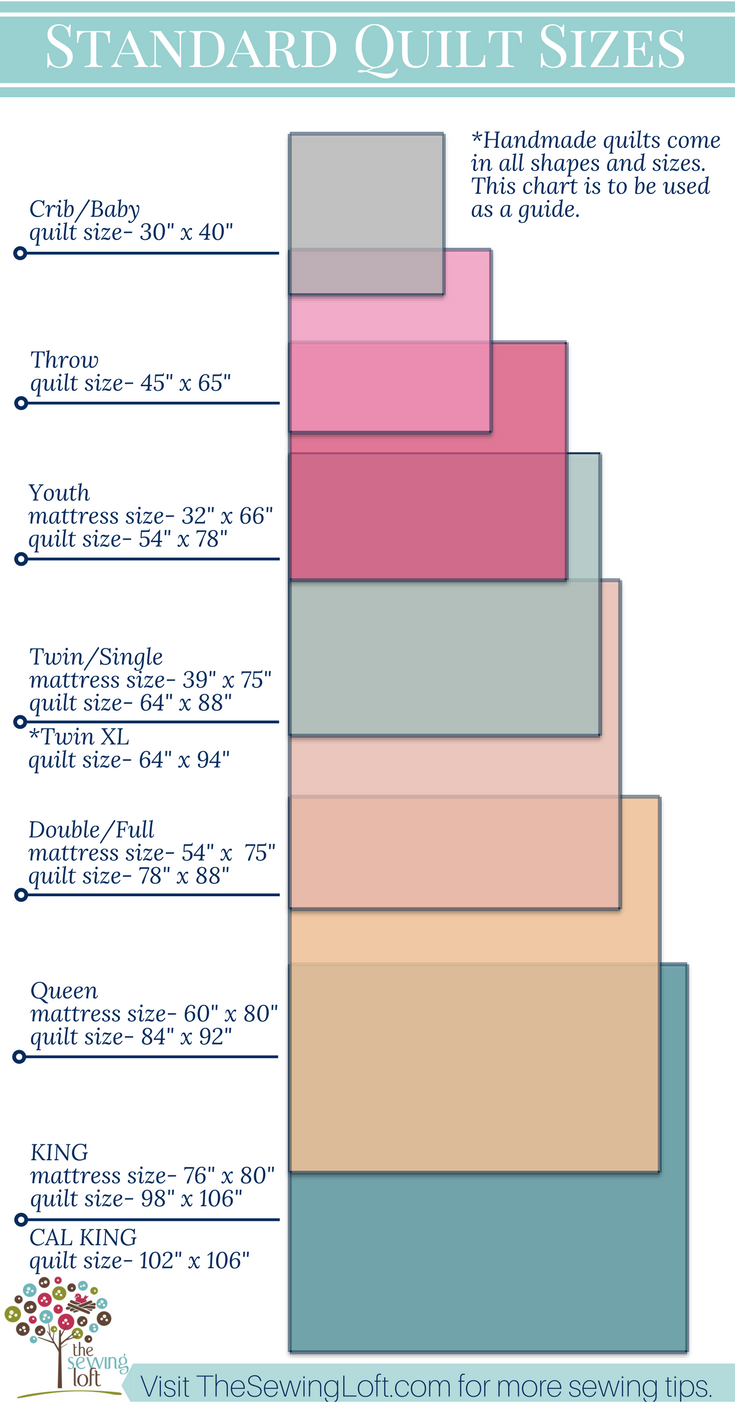
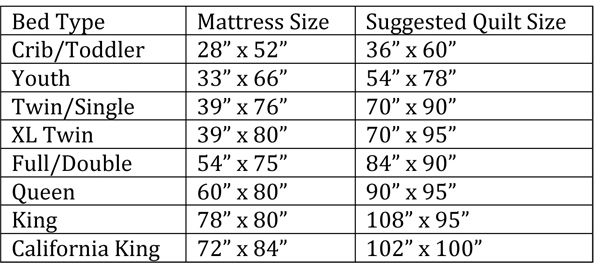
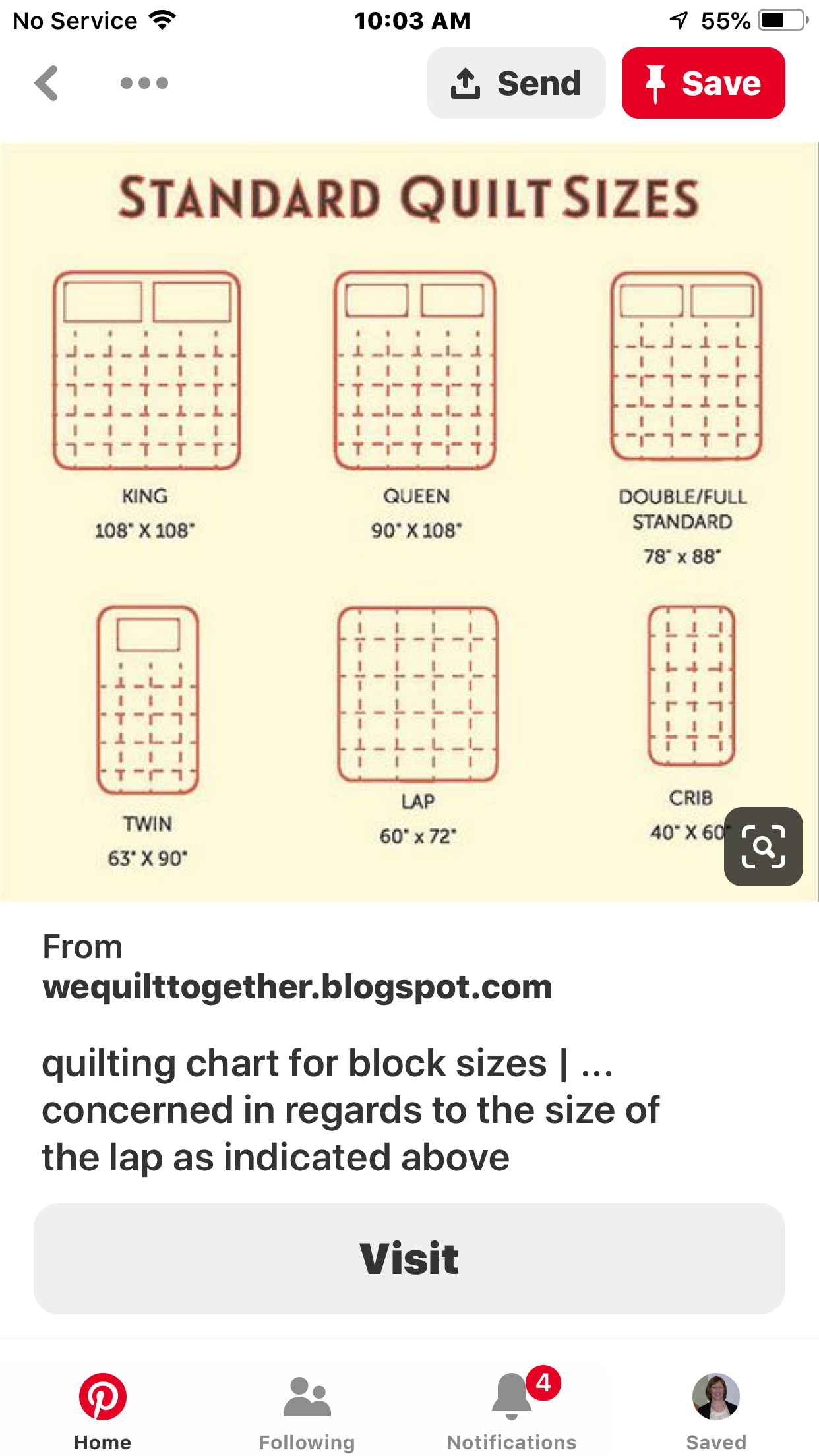
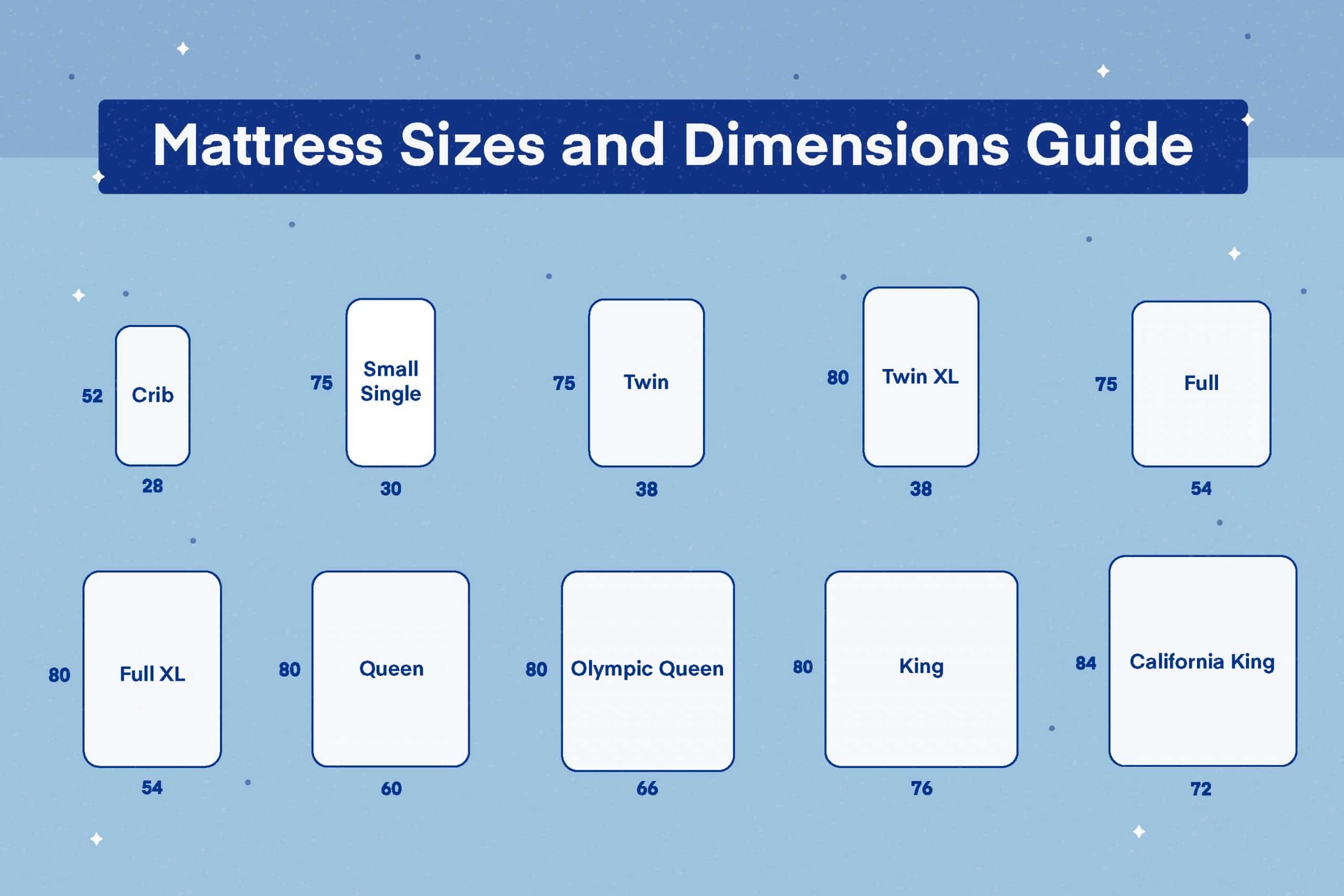
First, let us look at the base. A standard queen mattress measures 60 by 80 inches. This is the core number. The covering needs to be larger to drape over the edges comfortably. Most ready-made quilts come around 90 inches square or 90 by 100. Some brands make them 100x100. That is a lot of extra cloth. You might want that for a deep mattress. If your mattress is thin, 90 inches works fine. I often suggest adding a few inches on each side. It gives you room to tuck it in during winter. The goal is balance between the fabric and the frame. Do not forget the headboard height either. Sometimes a quilt hangs over the top too.
Understanding Drop Lengths
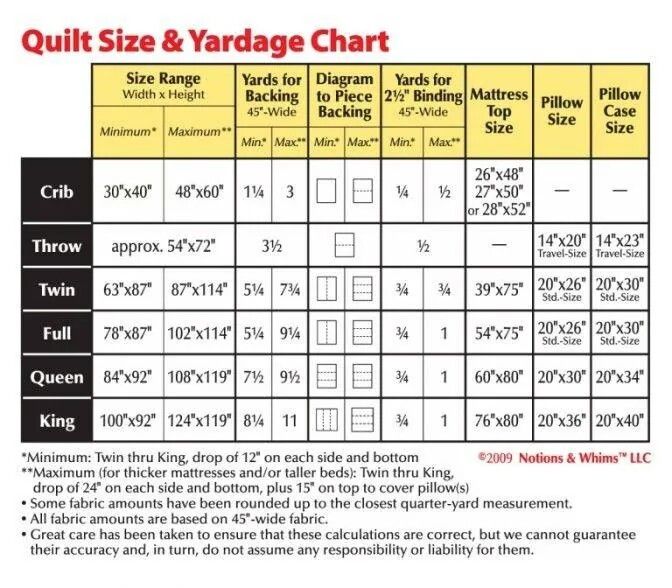
The drop is how much hangs over the sides. 12 inches is standard for a casual look. 15 inches looks nicer for formal bedrooms. 20 inches is luxury. Thinner fabrics need more length to look substantial. Heavy materials can look bulky if they drop too far. It creates a lot of laundry issues too. You have to wash it more often. I prefer a 15 inch drop for most homes. It covers the box spring nicely. It also hides the bed frame legs. If you have a low bed, go smaller. If it is high, go larger. It is all about visual proportion. Try standing back and looking at the whole thing. Does it look balanced?
Fabric Weight & Shrinkage
Heavy quilts shrink. Cotton shrinks more than linen. Wash before making if you are sewing it yourself. Check the size after drying. Some materials stretch out over time. Others hold their shape well. Synthetic blends might pill. Natural fibers breathe better. When picking thread count, remember it affects thickness. High thread count is dense. It sits flatter but feels heavier. Low thread count is airy. It fluffs up more. This changes the perceived size. A puffy quilt looks smaller than a flat one. You might need to adjust your measurements accordingly. Always test a swatch first.
Custom Versus Ready Made
Stores sell ready made ones. Custom allows you to pick exact inches. It costs more money. But fits better. Ready made is convenient. You can get it today. Custom takes time. You wait for the maker. Both have merits. If you need a specific color, custom wins. If you want speed, store buys. Some people like the imperfections of handmade items. Others want precision. There is no right choice. Just find what fits your budget and schedule. Many people mix and match. Buy a coverlet and add a quilt top. It saves cash. It also looks layered. Layering adds depth to the room design.
Related Posts
Navigating the World of 39x80 Mattresses Expert Advice for the Perfect Fit
Unlock Your Room's Potential Expert Advice on Twin Loft Beds with Integrated Dressers
Choosing the Ideal Queen Headboard for Your Full Bed A Comprehensive Guide
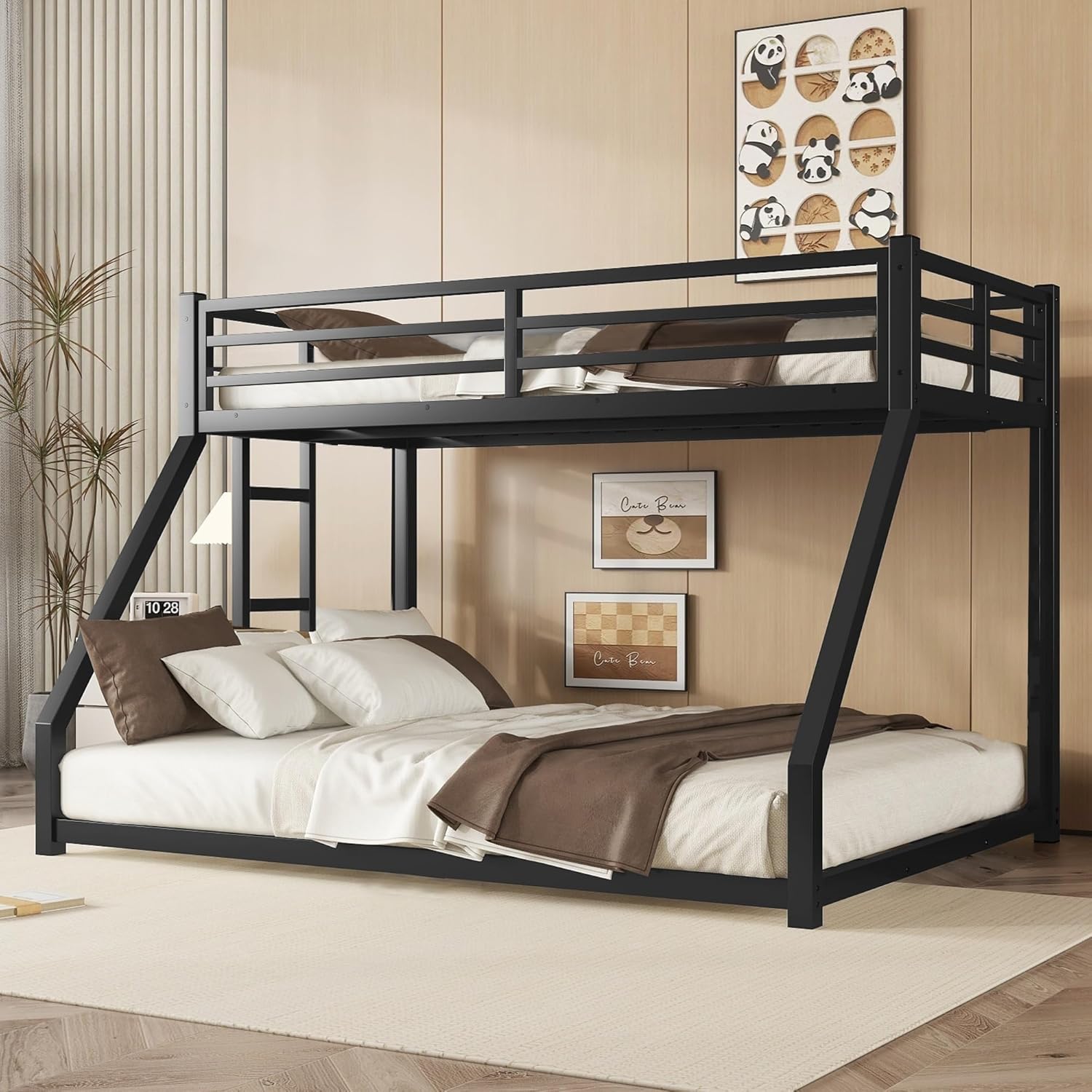
Maximizing Comfort Full Size Bed Tips for Two Adults

Full Bed Blanket Sizing Demystified Expert Advice for a Better Sleep
Seasonal Adjustments
Summer needs light covers. Winter needs heavy layers. Maybe use a toppe. Switch out the quilts. You do not need one size for all weather. A thick quilt in July feels stifling. A thin one in January is cold. Rotate them based on the season. Store them properly in between. Breathable bags work well. Do not keep them in plastic. Fabric needs to breathe. This keeps the colors bright. It also prevents mildew. It is a simple care tip. But it makes a big difference in longevity. Enjoy the change of seasons on your bed. It keeps the room feeling fresh.
Visual Harmony in the Room
It should match the room. Not too big. Not too small. Look at the floor. Ensure it looks balanced. The walls are painted. The rug is on the ground. The bed is the center. Everything should relate. If the quilt is too bold, it might clash. If it is too plain, it might fade. Aim for a middle ground. Use pillows to bridge the gap. They add color without adding width. Make sure the patterns do not fight each other. Geometric prints work well with solids. Florals work with stripes. Mix textures for interest. Wood floors need different styles than carpet. It is about the whole picture. Not just the fabric.
Dimensions help but feel matters. Enjoy your sleep. You want to wake up feeling rested. The right size helps you do that. It keeps the blankets in place. It stops drafts from coming in. It makes the room look finished. Take your time choosing. Do not rush the decision. Measure your mattress twice. Trust your gut feeling. If it feels right, it is right. This is your sanctuary. Make it work for you. Whether you sew it or buy it. The effort is worth it. Happy stitching and restful nights.