When those pesky rats start making their way into your outdoor spaces, it's easy to want to reach for the strongest poisons or traps. But what if there was a better way? What if we could deal with these unwelcome guests using methods that work with nature rather than against it? That's exactly what we're going to explore today. We'll walk through practical, effective, and environmentally conscious strategies that have helped countless homeowners and businesses solve their rat problems without resorting to harsh chemicals.
Outdoor rats can be incredibly frustrating pests. They're clever, adaptable creatures that seem to find ways around every barrier we put up. Whether they're rummaging through garbage cans, digging burrows under decks, or nesting in sheds, these rodents can cause serious damage to property and create health hazards. The traditional approach often involves chemical baits or snap traps, but what if we could address the root causes while working in harmony with our environment? This guide will show you how to tackle outdoor rat issues using natural solutions that are both effective and safe for families, pets, and wildlife.
Understanding Outdoor Rat Behavior
Before we dive into elimination methods, it's important to understand what drives rats outdoors. These creatures are primarily attracted to food sources and shelter. They're excellent climbers and can squeeze through openings as small as a quarter inch. Rats typically prefer areas with easy access to water and food, especially during colder months when they seek warmth. They're most active during dusk and dawn, making this the ideal time to observe their activity patterns.
Rats are intelligent animals that learn quickly. If one rat discovers a food source, others will follow. They're also territorial, so eliminating food sources and entry points becomes crucial. Understanding their behavior helps us design targeted solutions that address why they're drawn to our outdoor spaces in the first place.
Prevention Through Habitat Modification
The best way to control rats is to make your outdoor space less appealing to them. This means removing potential food sources and sealing entry points. Start by securing all trash cans with tight-fitting lids and placing them away from buildings. Clean up spilled bird feed, fallen fruit, and any other food debris promptly. Rats are opportunistic feeders, so even small amounts of food can attract them.
Sealing gaps and holes is equally important. Check around pipes, vents, and foundations for openings larger than a quarter inch. Use materials like steel wool and caulk to fill these gaps. Rats can gnaw through softer materials like wood or plastic, so opt for durable options. Consider installing metal mesh around vulnerable areas, as rats can't chew through metal effectively.
Creating an unfriendly environment also means reducing hiding spots. Trim vegetation away from walls and remove debris piles where rats might nest. Keep firewood stored off the ground and away from the house. These simple changes can make a huge difference in preventing rat infestations before they start.
Natural Repellents and Deterrents
Several natural substances can help keep rats away from your outdoor areas. Peppermint oil is one of the most popular choices. Rats dislike the strong scent, so applying diluted peppermint oil around entry points, along fence lines, and near areas of activity can be effective. Simply mix a few drops with water in a spray bottle and reapply regularly, especially after rain.
Other natural deterrents include predator scents like fox or coyote urine, which can be purchased commercially. These scents signal danger to rats and encourage them to stay away. Ultrasonic devices that emit high-frequency sounds can also deter rats, though their effectiveness varies between different species and environments.
Cayenne pepper and garlic powder can be sprinkled in areas where rats are active. While not a permanent solution, these spices create an unpleasant taste and smell that rats avoid. However, be careful not to spread these too widely, as they may affect beneficial insects or pets if ingested in large quantities.
Physical Barriers and Traps
Physical barriers offer some of the most reliable protection against outdoor rats. Installing wire mesh or hardware cloth around vulnerable areas creates a solid defense. The mesh should be no larger than a quarter inch to prevent rats from squeezing through. When building new structures or repairing existing ones, consider using metal mesh instead of wood or plastic for added durability.
Snap traps remain one of the most effective physical methods, especially when used correctly. Place them along walls where rats travel, and use peanut butter, dried fruit, or nuts as bait. Bait stations can protect pets and children while still allowing the trap to function effectively. Position multiple traps in a line to increase success rates.
Bait stations are particularly useful for controlling rats in areas where children or pets are present. These devices keep the bait contained while allowing rats to access it. Look for stations that are tamper-resistant and designed specifically for outdoor use. Proper placement is essential - position them where you've noticed rat activity, such as along fence lines or near entry points.
Companion Planting and Natural Predators
Some plants naturally repel rats due to their strong scents or textures. Marigolds, lavender, and mint are commonly cited as helpful additions to gardens. These plants not only create a natural barrier but also add beauty to outdoor spaces. However, their effectiveness depends on proper placement and maintenance.
Encouraging natural predators can also help manage rat populations. Hawks, owls, snakes, and foxes all prey on rats and can provide ongoing pest control. Installing birdhouses, owl boxes, or creating habitat for these natural predators can be part of a long-term strategy. While this method takes time to establish, it offers sustainable results over many seasons.
Consider creating a small ecosystem that supports beneficial wildlife. Plant native species that attract birds and other animals that hunt rodents. This approach works best when combined with other prevention techniques, as it provides ongoing, low-maintenance control.
Maintaining Long-Term Success
Eliminating rats isn't a one-time fix - it requires ongoing attention and consistent practices. Regular inspections help identify new entry points or changes in rat activity early. Set up monitoring systems using trail cameras or simple tracking methods to see where rats are moving.
Keep your yard clean and well-maintained. Regular mowing, trimming, and debris removal make the area less attractive to rats. Store food items properly and dispose of organic waste promptly. Even small improvements in cleanliness can significantly reduce rat attraction.
Document your progress and adjust tactics as needed. Some methods work better in certain climates or situations. Keep notes on which approaches have been most successful in your specific environment. This knowledge becomes valuable for future pest management efforts.
Remember that patience is key. Natural methods may take longer to show results than chemical alternatives, but they offer lasting benefits. The investment in time and effort pays dividends in safety and environmental health.
Dealing with outdoor rats using natural methods requires understanding their behavior, modifying the environment, and employing various preventive measures. By focusing on habitat modification, natural repellents, physical barriers, and encouraging natural predators, you can create a comprehensive strategy that's both effective and environmentally responsible. The key is consistency and persistence. While these methods may take longer to produce results compared to chemical treatments, they offer long-term benefits for your family, pets, and the surrounding ecosystem. The investment in learning and implementing these natural approaches pays off in safer, cleaner outdoor spaces that don't rely on harmful chemicals. Start with the basics - secure food sources, seal entry points, and maintain clean surroundings. From there, gradually incorporate additional natural methods based on what works best in your specific situation. Remember, the goal isn't just to eliminate rats, but to create an environment where they're simply not interested in staying.

Related Posts

What happens to dried ink when clothes go through dryer tumbling

How American Standard HVAC Systems Compare to Trane Brands
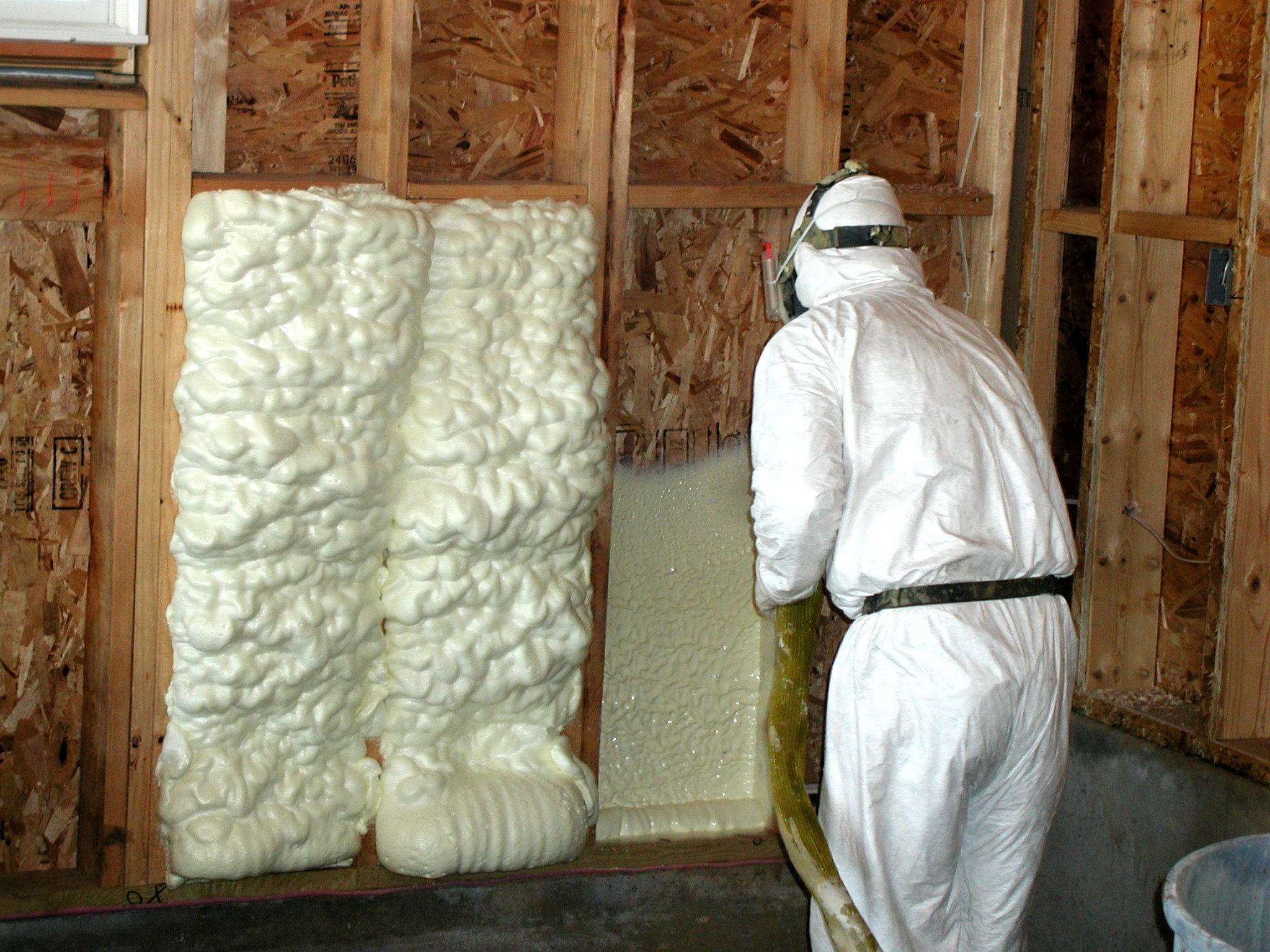
Breaking down spray foam insulation costs by type and coverage area

How to Effectively Eliminate Clover from Your Lawn Naturally
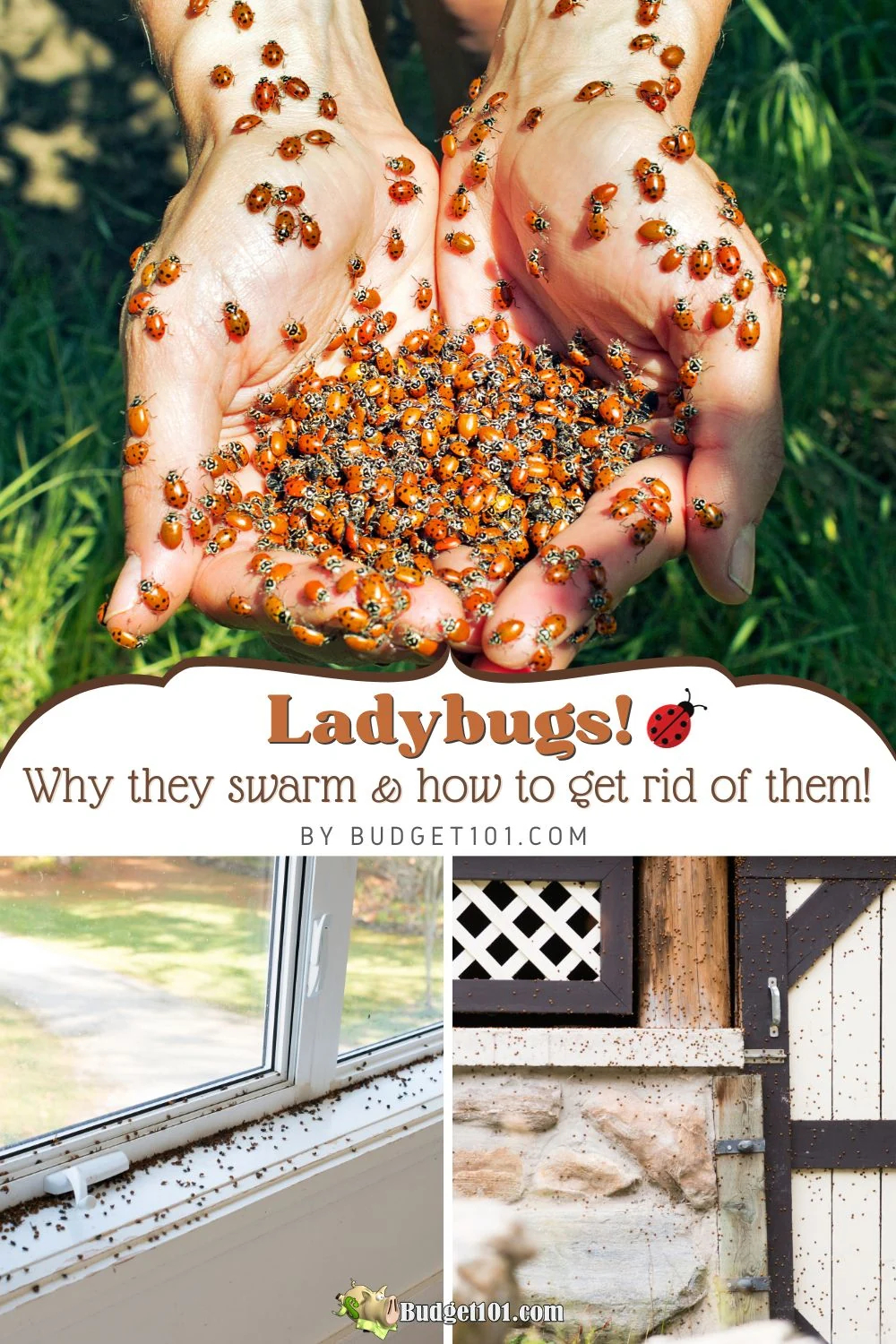
The Surprising Reason Why Ladybugs Choose Your House