When you think about window treatments, shutters might not be the first thing that comes to mind. But they've become increasingly popular for good reason. They offer privacy, light control, and a touch of elegance to any room. However, if you're planning to install them, you might be wondering how much they'll set you back. Let's take a deep dive into shutter pricing for 2024 and break down everything you need to know.
Window shutters have evolved from simple wooden slats to sophisticated architectural elements that can transform a space. Whether you're renovating a kitchen, adding privacy to a bedroom, or just want to improve the look of your home, understanding shutter costs is crucial. In 2024, prices vary widely based on materials, styles, and installation complexity. This guide will walk you through what influences these costs and help you budget accordingly.
What Are Shutters and Why Do They Cost What They Do?
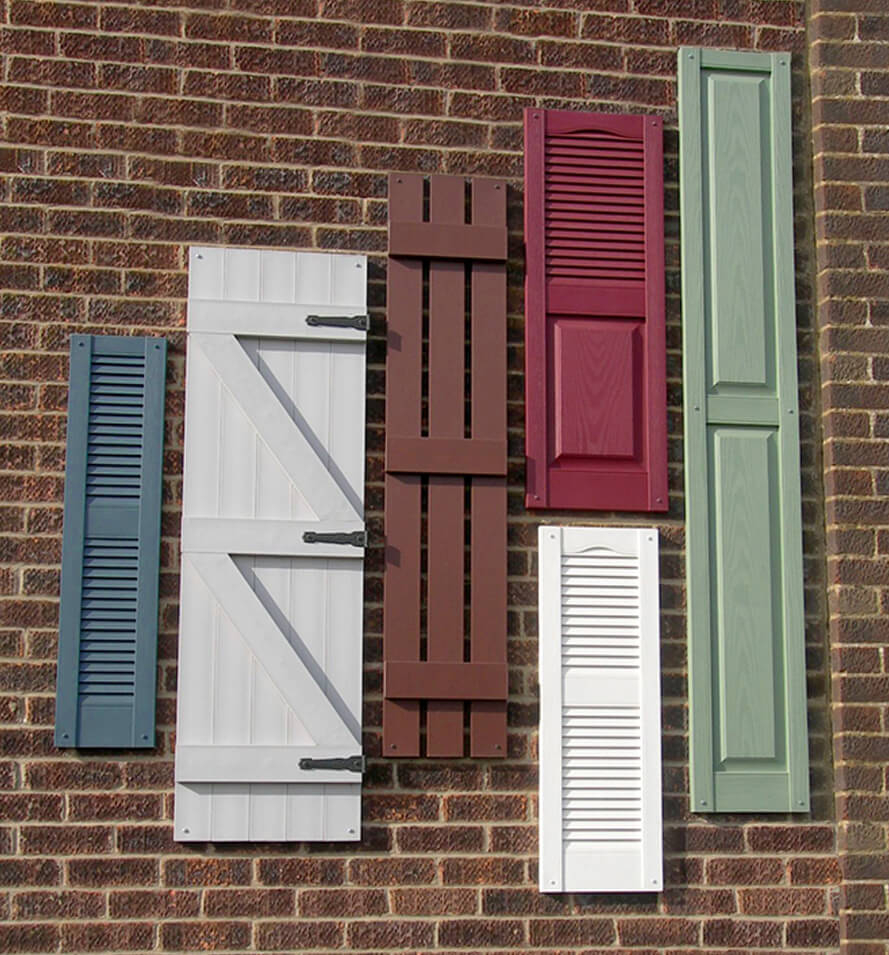
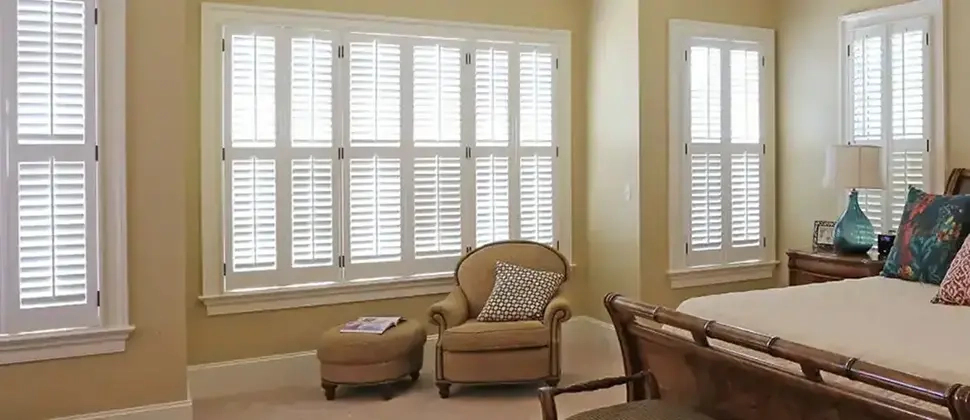
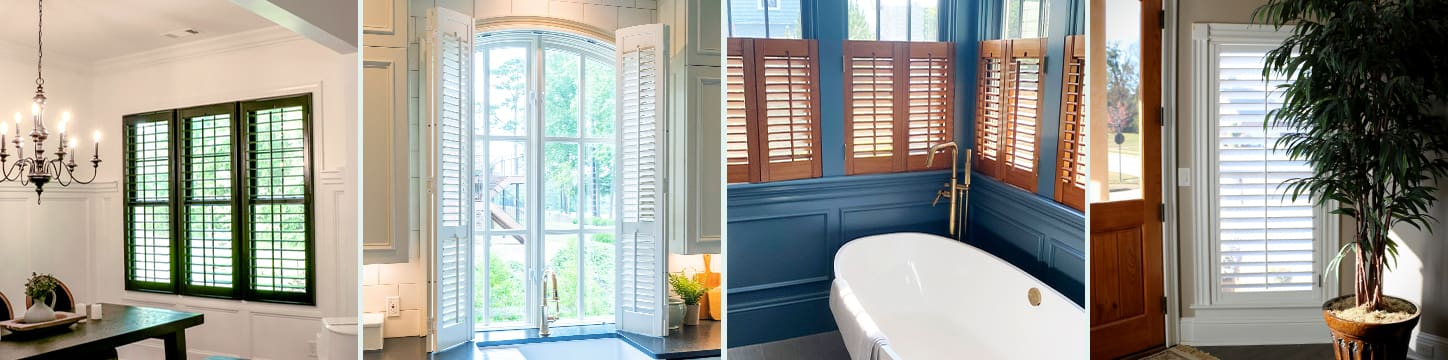
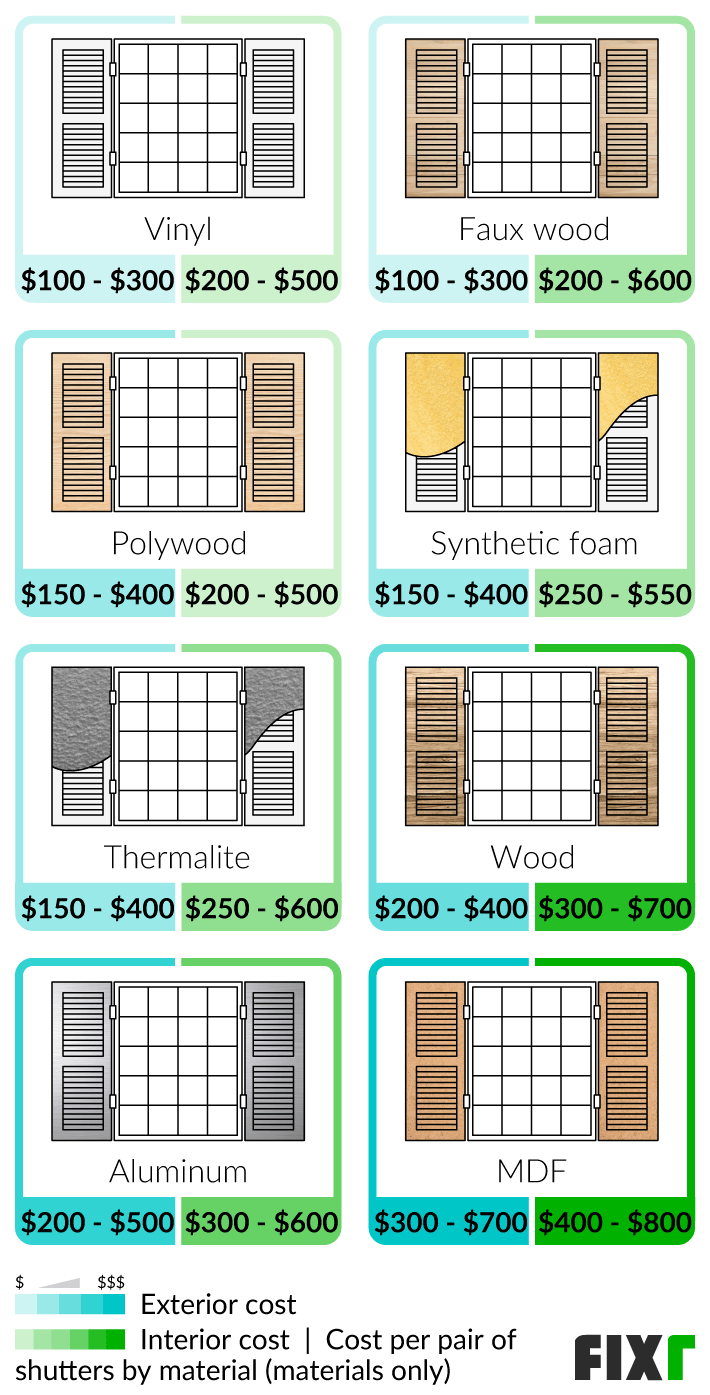
Shutters are window coverings made of wood, vinyl, or composite materials with adjustable slats. They're typically mounted inside or outside the window frame. The price varies because of several factors: material type, size, customization, and installation. Wooden shutters, for instance, tend to cost more due to their durability and aesthetic appeal. Vinyl shutters are more affordable but may lack the premium feel of wood. Composite materials offer a middle ground, combining the benefits of both while keeping costs reasonable.
In 2024, the average cost for a basic pair of shutters ranges from $100 to $400. But that's just the beginning. If you want custom sizes or special finishes, expect to pay significantly more. The cost per shutter can increase by 50% or more when you factor in specialty features like motorized operation or unique hardware.
Material Matters: How Different Materials Impact Price
The choice of material is one of the biggest determinants of shutter cost. Here's how different materials stack up:
• Wood shutters: These are the most expensive option, ranging from $150 to $600 per pair. They offer the best look and durability but require maintenance and are sensitive to moisture.
• Vinyl shutters: More budget-friendly, costing between $80 and $250 per pair. They're easy to clean and resistant to weather, making them ideal for bathrooms or kitchens.
• Composite shutters: These blend the best of wood and vinyl, priced from $120 to $400 per pair. They resist warping and fading better than wood but aren't as premium as solid wood.
• Aluminum shutters: Popular for outdoor use, they range from $100 to $300 per pair. They're durable and low-maintenance but may not offer the same visual warmth as wood.
Each material has its pros and cons, and the right choice depends on where you plan to install them and your budget constraints.
Size and Customization: What Affects Final Cost
The dimensions of your windows play a major role in how much shutters will cost. Standard sizes are often less expensive because manufacturers can produce them efficiently. Custom-sized shutters, however, can add anywhere from $50 to $200 per pair to the base cost.
Special features also bump up prices:
• Motorized shutters can add $300 to $800 per pair • Custom colors or stains may increase costs by 10% to 20% • Unique hardware or decorative elements can add $25 to $100 per pair
Think about your space carefully. If you have oddly shaped windows or need shutters that extend beyond the standard frame, you're looking at higher costs. It's also worth noting that larger windows naturally require more material and labor, which drives up the final price.
Installation: DIY vs Professional
Do-it-yourself installation can save you money, but it's not always the best approach. For basic installations, homeowners with some handy skills might manage on their own. But professional installation ensures proper fit and function, especially for custom or large-scale projects.
Professional installation costs range from $75 to $200 per pair, depending on complexity and location. Some companies offer package deals that include both materials and labor, which can simplify the process. However, if you're handy and have the time, doing it yourself can cut costs by half.
Keep in mind that some shutters are designed specifically for easy DIY installation, while others require precise measurements and specialized tools. Always consider whether your skill level matches the project before deciding.
Regional Differences in Shutter Pricing
Where you live definitely affects how much shutters cost. Urban areas with higher labor costs often see higher prices, while rural locations may offer more affordable options. Major metropolitan areas like New York, Los Angeles, or San Francisco typically charge more due to increased overhead and demand.
Additionally, local suppliers and contractors vary in their pricing strategies. Some areas have many shutter specialists, which can drive competition and lower prices. Others may have fewer options, leading to higher costs. Climate also plays a part – regions with high humidity or extreme weather might require more durable materials, which increases the overall cost.
Don't forget to factor in shipping fees if you're ordering online, especially for larger orders or custom items. These can add $50 to $150 to your total bill.
Current Trends and What's Driving Price Changes
In 2024, several trends are influencing shutter pricing:
• Sustainability concerns: Eco-friendly materials are becoming more popular, and they often cost more than traditional options. • Smart home integration: Motorized shutters and those compatible with smart home systems command premium prices. • Minimalist designs: Clean lines and neutral colors are trending, but they often come with higher manufacturing costs. • Seasonal demand: Prices may spike during peak seasons like spring and summer when home improvement activity is highest.
These shifts mean that staying informed about current market trends can help you budget better and possibly even find deals during off-peak times.
Money-Saving Tips for Buying Shutters
If you're working within a tight budget, here are some ways to keep costs down:
• Buy during off-seasons when retailers are trying to move inventory • Compare quotes from multiple vendors to ensure competitive pricing • Look for sales or clearance items from last year’s models • Consider standard sizes instead of custom ones • Shop around for installation services to find the best rates • Check if your local hardware store offers discounts for bulk purchases
Remember, the cheapest option isn't always the best long-term investment. Quality matters, especially for shutters that will be used daily or in high-traffic areas. Sometimes spending a little extra upfront pays off in reduced maintenance and longer lifespan.
What to Expect in 2025 and Beyond
Looking ahead to 2025, shutter prices are expected to remain steady with slight increases due to rising material costs and labor demands. However, technological advances might bring down some costs through improved manufacturing processes.
One big trend to watch is the rise of modular shutters that can be assembled on-site. These could reduce installation costs and offer more flexibility in design. Additionally, as sustainability becomes more important, we might see more affordable eco-friendly options entering the market.
For now, though, shutter prices in 2024 reflect a balance between quality, functionality, and aesthetics. Whether you're upgrading your home or starting fresh, understanding these costs helps you make smarter decisions.
Shutter prices in 2024 vary widely, influenced by material, size, customization, and where you live. From $80 for basic vinyl shutters to over $600 for custom wood options, there's something for every budget. While the initial cost might seem high, shutters are a long-term investment that adds value and beauty to your home. By knowing what affects pricing and taking advantage of smart shopping strategies, you can find options that meet both your style and budget needs. Whether you're a seasoned homeowner or new to the world of window treatments, understanding these costs makes all the difference in making confident choices for your living spaces.
Related Posts
What happens to dried ink when clothes go through dryer tumbling
How American Standard HVAC Systems Compare to Trane Brands
Breaking down spray foam insulation costs by type and coverage area

How to Effectively Eliminate Clover from Your Lawn Naturally

The Surprising Reason Why Ladybugs Choose Your House