Moving day can be stressful enough without worrying about whether you've tipped your movers correctly. The right amount and timing can make all the difference between a smooth move and a sour relationship. We break down everything you need to know about tipping moving crews.
Let's face it – moving is one of life's most chaotic experiences. You're juggling boxes, packing up memories, and trying to keep everything together while someone else handles the heavy lifting. That's when you meet your moving crew. They're usually friendly, hardworking people who do their best under pressure. But let's be honest, sometimes you wonder if you're doing enough to show your appreciation. How much should you tip? When is the right time? What if they've done a terrible job? These questions pop up more often than you might think, and they deserve thoughtful answers.
Understanding the Basics of Moving Crew Tipping
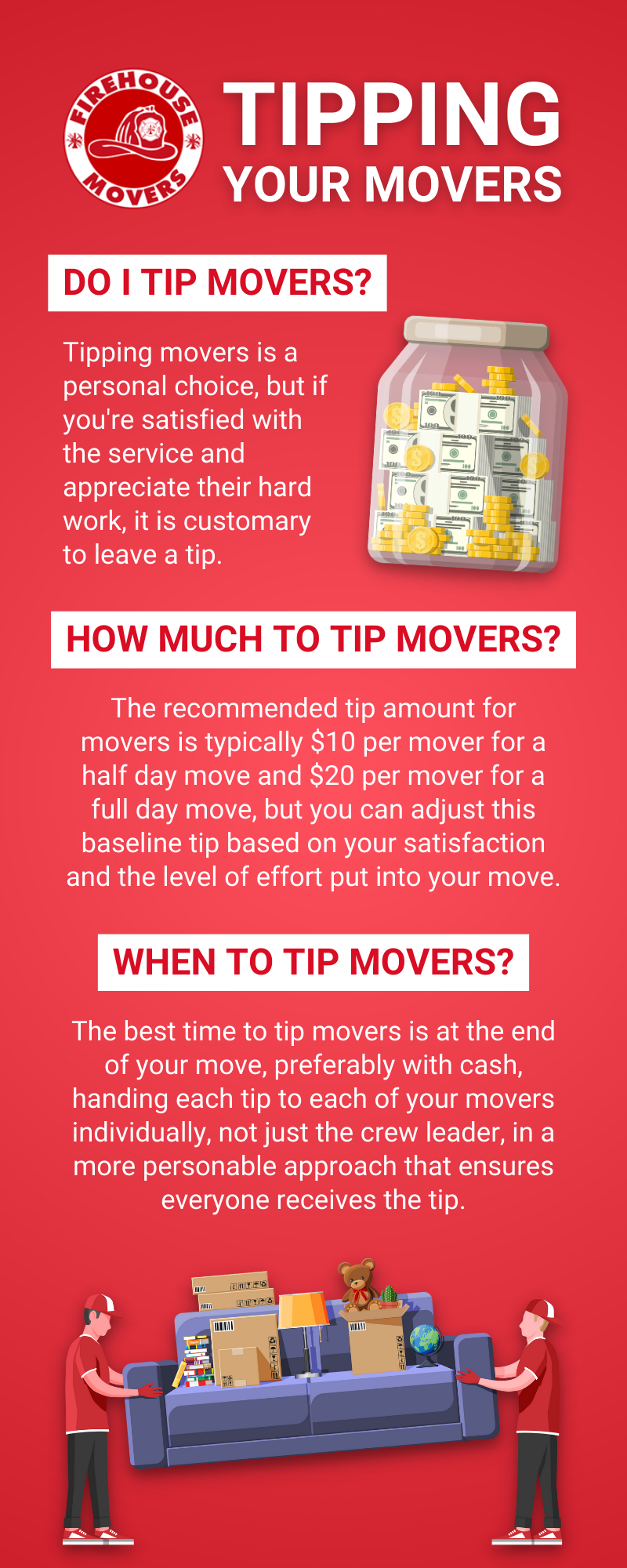
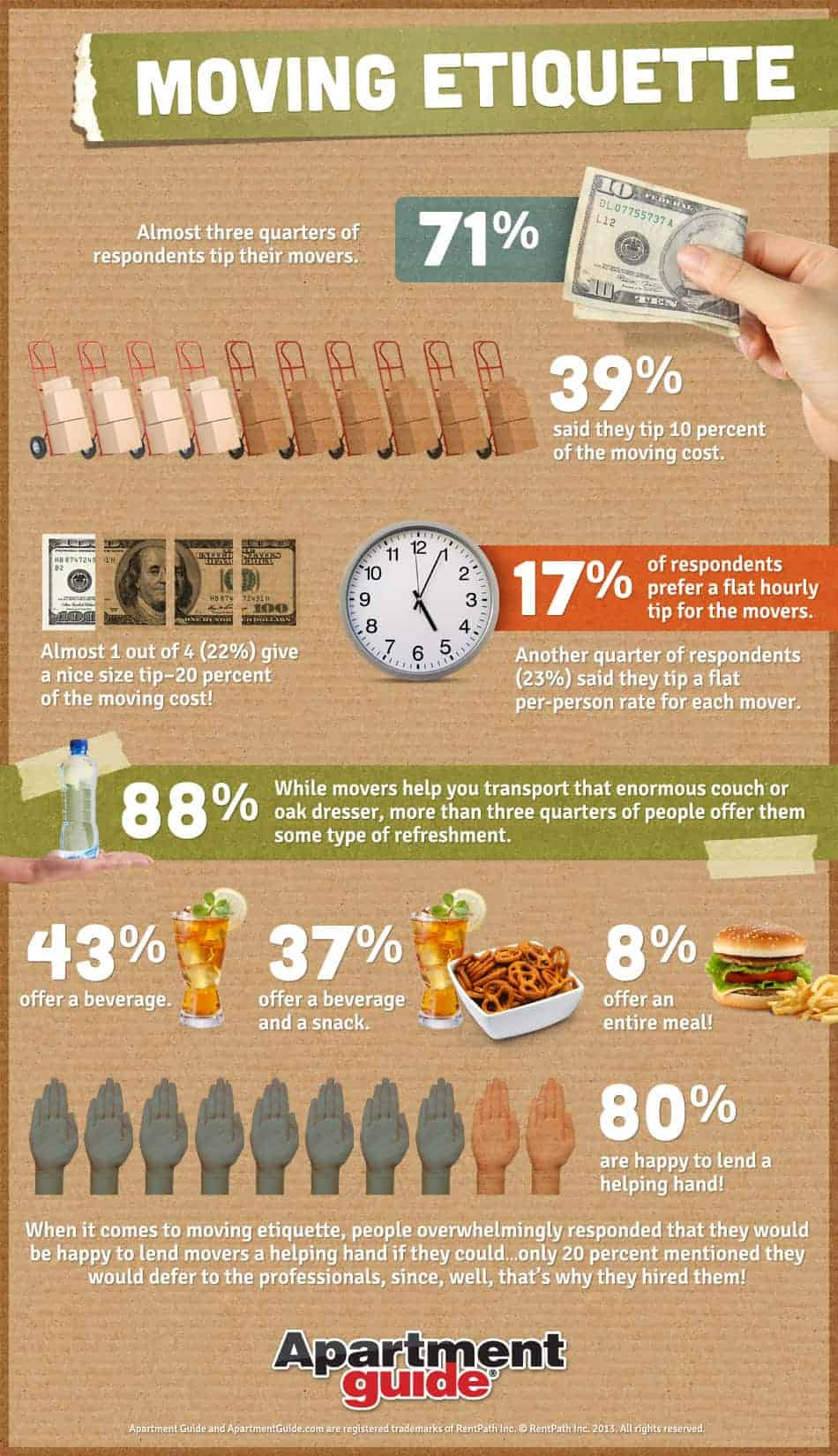
Tipping isn't just about generosity – it's about recognition. Moving crews work incredibly hard, often lifting heavy furniture and carrying items up multiple flights of stairs. They're essentially your hired hands during a stressful time. The standard rule of thumb is to tip between $20-$50 per mover, though this can vary based on several factors.
Think of it this way: if you were hiring someone to clean your house or fix your plumbing, how much would you expect to pay them? Moving crews are similar. They're professionals who work under tight schedules and often in challenging conditions.
Some crews may have a set policy about tipping, while others might leave it completely up to you. It's always good to check ahead of time to avoid any awkward moments.
Factors That Influence Tipping Amounts
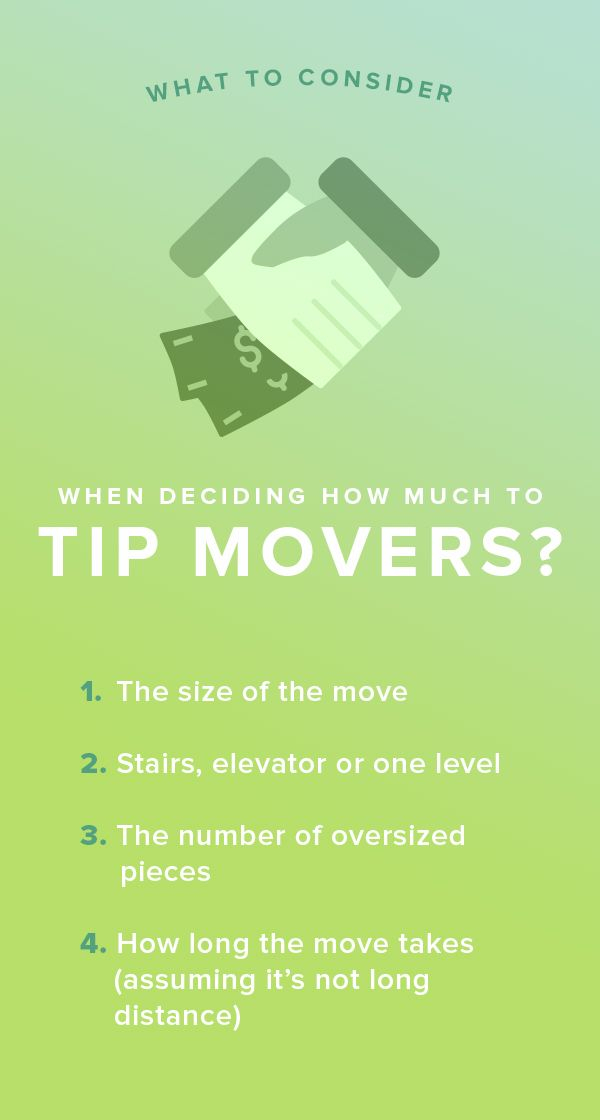
Several elements come into play when deciding how much to tip:
• The size of your move – Larger moves with more items and furniture typically require more effort • Distance traveled – Longer hauls mean more time and fuel costs • Complexity of the job – Stair climbing, narrow doorways, or fragile items all add extra work • Quality of service – Exceptional service deserves exceptional recognition • Local customs – Different regions have different expectations
For example, if you're moving across town and the crew has to carry your grand piano up three flights of stairs, you'd probably want to tip a bit more than usual. On the flip side, if you're just moving a few boxes across the street, maybe a smaller tip is appropriate.
When and How to Give Your Tipping
Timing matters. Most people prefer to give tips after the move is complete, once everything is safely in place. This gives you a chance to assess their performance and decide how much to offer. It also means you don't have to worry about keeping cash handy during the move itself.
There are a few ways to handle tipping:
• Cash – This is still the most common method, especially for larger amounts • Check – Some people prefer checks for formal situations • Digital payment – Modern options like Venmo or Cash App are becoming more popular
If you're giving cash, consider using small bills – a $20 bill goes further than a $100 bill when you're splitting among multiple people.
What to Do If You're Unhappy With Service
Nobody wants to deal with poor service, but it happens. If your crew doesn't perform well, there are better ways to handle it than just withholding a tip. Consider these approaches:
• Speak directly to the supervisor – Many companies have a manager who can address concerns • Give feedback through official channels – Most moving companies have online reviews or complaint systems • Consider leaving a note – Sometimes a written explanation helps clarify what went wrong
If you do decide to reduce your tip, make sure you have a valid reason. Did they break something? Were they consistently rude? Or did they simply not finish the job properly?
Remember, the goal isn't to punish the crew, but to ensure fair treatment for everyone involved.
Special Situations and Exceptions
Not every move is created equal, and there are certain circumstances that change how you approach tipping:
• Large commercial moves – For businesses, tipping might be less expected, but a small gesture is still appreciated • Weekend moves – Extra work on weekends might warrant a slightly higher tip • Holiday moves – During busy seasons, crews often work harder and longer hours • Repeat customers – Regular clients often receive better service and may appreciate a bigger tip
One common scenario involves moving during the holidays. Many people find themselves in a rush to get things done before the new year, which means crews are working overtime. In these cases, a generous tip shows your understanding of their sacrifice.
Building Long-Term Relationships with Moving Companies
If you're planning to hire the same moving company regularly, building a good relationship can lead to better service over time. This includes being fair with your tipping practices.
• Be consistent – If you always tip a certain amount, the crew will know what to expect • Provide detailed feedback – Tell them what you liked and what could improve • Consider referral bonuses – Some companies reward loyal customers with special deals
A good relationship starts with mutual respect. When you tip appropriately, you're showing that you value their hard work. In return, they're more likely to go above and beyond for future moves.
Common Mistakes to Avoid
Here are some pitfalls to steer clear of when tipping moving crews:
• Under-tipping – This can demotivate workers and make them feel undervalued • Over-tipping – While generous, it might create unrealistic expectations • Tipping too early – If the move hasn't finished, you might not know how the service was • Giving tips inconsistently – This can confuse crew members and create unfair situations • Tipping inappropriately – Some crews may have policies against receiving tips, so always check first
One common mistake is assuming that because you're paying a lot for the move, you don't need to tip. That's not true. The cost of labor and materials doesn't cover tipping, and a proper tip acknowledges the crew's personal effort.
Final Thoughts on Moving Crew Appreciation
At the end of the day, tipping moving crews is about acknowledging hard work and good service. It's a simple gesture that can make a big impact on someone's day. Whether you're moving across town or across the country, remember that these people are helping you navigate one of life's biggest transitions. A thoughtful tip shows you recognize their contribution to making your move successful. So next time you're planning a move, take a moment to think about how you'll show your gratitude to the crew who makes it all possible.
Navigating tipping etiquette with moving crews doesn't have to be complicated. By understanding the basics, considering the situation, and approaching it with genuine appreciation, you can ensure that both you and your crew have a positive experience. Remember, the right tip isn't just about money – it's about respect, recognition, and building good relationships. Whether you're a first-time mover or a seasoned pro, these guidelines provide a solid foundation for handling this important part of the moving process. After all, a little appreciation goes a long way when you're dealing with the chaos of relocating your life.


Related Posts
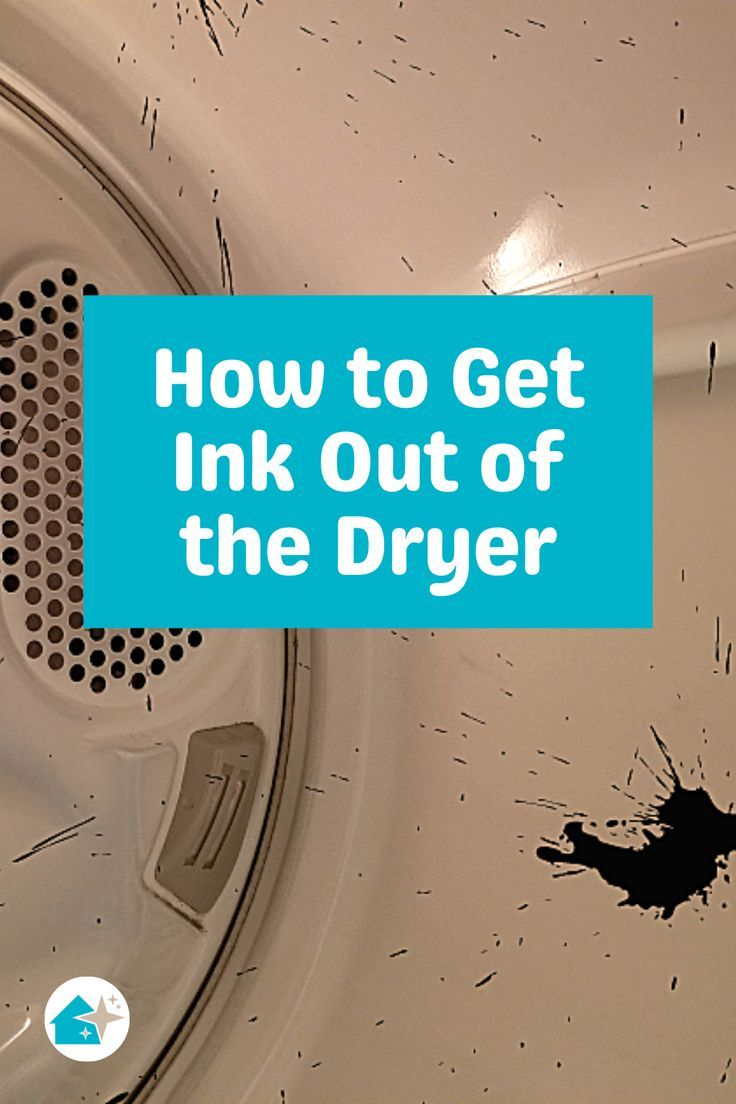
What happens to dried ink when clothes go through dryer tumbling

How American Standard HVAC Systems Compare to Trane Brands

Breaking down spray foam insulation costs by type and coverage area

How to Effectively Eliminate Clover from Your Lawn Naturally

The Surprising Reason Why Ladybugs Choose Your House