When it comes to flooring, the name on the box matters more than you might think. Engineered hardwood has become increasingly popular, but not all brands are created equal. Some companies build their reputation on solid construction and customer satisfaction, while others may leave you with problems down the road. Understanding what to look for can save you time, money, and a lot of frustration.
The world of engineered hardwood can feel overwhelming. With countless brands claiming to offer premium quality, it's easy to get caught up in marketing speak and flashy promises. But behind every brand story lies a reality that customers experience daily. Some companies have built their names on reliability and craftsmanship, while others might have less-than-stellar track records. What really sets these brands apart isn't just their marketing materials—it's how they handle customer service, product durability, and long-term performance. The truth is, you'll want to dig deeper than just a pretty website or glossy brochure.
Red Flags in Brand History and Ownership
Every company has a story, but some stories raise eyebrows. When examining engineered hardwood brands, pay attention to ownership changes, particularly if they happen frequently. A brand that's been sold multiple times within a few years might indicate instability. Consider how long a company has been in business—brands with decades of experience often have better manufacturing processes and more reliable supply chains.
Some warning signs include:
• Frequent ownership changes • Brands that appear overnight with no history • Companies that move locations often • Lack of physical address or contact information
A company that's been around for a while usually has a better understanding of what makes quality flooring. They've had time to learn from mistakes and refine their processes. If a brand seems too new or too secretive about its background, it's worth doing extra research before buying.
Customer Reviews and Complaint Patterns
The internet is full of reviews, and they can tell you a lot about a brand's true character. Look beyond the five-star ratings and pay attention to patterns in complaints. Are there recurring issues with warping, squeaking, or gaps between planks? Do many reviewers mention poor customer service or warranty problems?
Some red flags to watch for:
• Consistent reports of moisture-related issues • Multiple complaints about installation difficulties • Regular mentions of warranty denial or delays • Comments about inconsistent plank quality • Negative feedback about return policies
Take note of whether complaints are isolated incidents or part of a larger pattern. If several reviewers mention similar problems, it could signal a systemic issue rather than individual bad luck. Also, consider how companies respond to negative feedback—they either handle complaints professionally or they don't.
Warranty Terms and Customer Support Quality
A strong warranty is one of the best indicators of a brand's confidence in their product. However, not all warranties are created equal. Read the fine print carefully—some companies offer broad coverage but with restrictive terms that make claims difficult to process.
Watch for these warranty issues:
• Limited time periods (less than 10 years) • Exclusions for normal wear and tear • Requirements for professional installation only • Restrictions based on geographic location • Difficult claim procedures
Customer support matters just as much as the warranty itself. How do companies respond to inquiries? Do they provide helpful information or dismiss concerns quickly? Good customer service often reflects how a company treats their products. If a brand seems unwilling to help with basic questions, it might be a sign they're not invested in long-term relationships with customers.
Product Testing and Certifications
Reputable engineered hardwood brands invest in testing and certifications that prove their products meet industry standards. Look for third-party verification like:
• FloorScore certification for low emissions • CARB compliance for formaldehyde levels • ASTM standards for durability • ANSI accreditation for quality assurance
Brands that skip these certifications might be cutting corners somewhere in their production process. While certifications don't guarantee perfection, they do show that a company is willing to go the extra mile to meet established benchmarks. Some companies even go beyond required standards, offering additional tests for things like impact resistance or scratch protection.
Be suspicious if a brand refuses to share testing results or certification details. Transparency about product performance should be expected, especially for something as important as flooring.
Pricing vs. Value Comparison
Price alone doesn't determine quality, but when you see extremely low prices compared to competitors, it's worth investigating further. Unusually cheap engineered hardwood might indicate inferior materials or manufacturing shortcuts. Compare pricing across multiple retailers and brands, keeping in mind that the cheapest option isn't always the best deal.
Red flags in pricing include:
• Prices significantly below market average • No price breakdowns or material costs • Sudden price drops without explanation • Inconsistent pricing across different retailers • No cost for installation services
Good brands typically offer consistent pricing and clear value propositions. They explain why their products cost what they do—whether it's superior materials, better manufacturing, or enhanced features. If a brand's pricing seems too good to be true, it probably is. Consider what you're really getting for the price, not just the sticker shock.
Installation and Retailer Relationships
The way a brand works with retailers and installers can reveal a lot about their reputation. Some companies actively support their dealers with training, marketing materials, and installation guidance. Others seem to abandon their partners once the sale is made.
Key things to observe:
• Whether retailers receive proper training • Availability of installation guides and support • Retailer satisfaction ratings • Company's involvement in dealer conferences • Support for DIY versus professional installation options
Brands that maintain strong relationships with retailers often have better distribution networks and more consistent product availability. They also tend to provide better support when things go wrong. If you notice that retailers consistently complain about a brand's support or lack of training, that's a warning sign for future buyers. The relationship between manufacturers and dealers often reflects how well they treat end customers.
Choosing the right engineered hardwood brand is about more than just aesthetics—it's about long-term satisfaction and peace of mind. By paying attention to a brand's history, customer feedback, warranty practices, testing credentials, pricing structure, and partnership relationships, you can make a more informed decision. Remember, the most expensive option isn't always the best choice, and the cheapest might not be the smartest investment either. Take time to research, ask questions, and listen to what both current customers and industry experts say about different brands. A little due diligence upfront can save you from costly mistakes later. After all, your floors will be with you for years to come, so it's worth taking the time to find a brand that truly stands behind their products.
Related Posts
What happens to dried ink when clothes go through dryer tumbling
How American Standard HVAC Systems Compare to Trane Brands
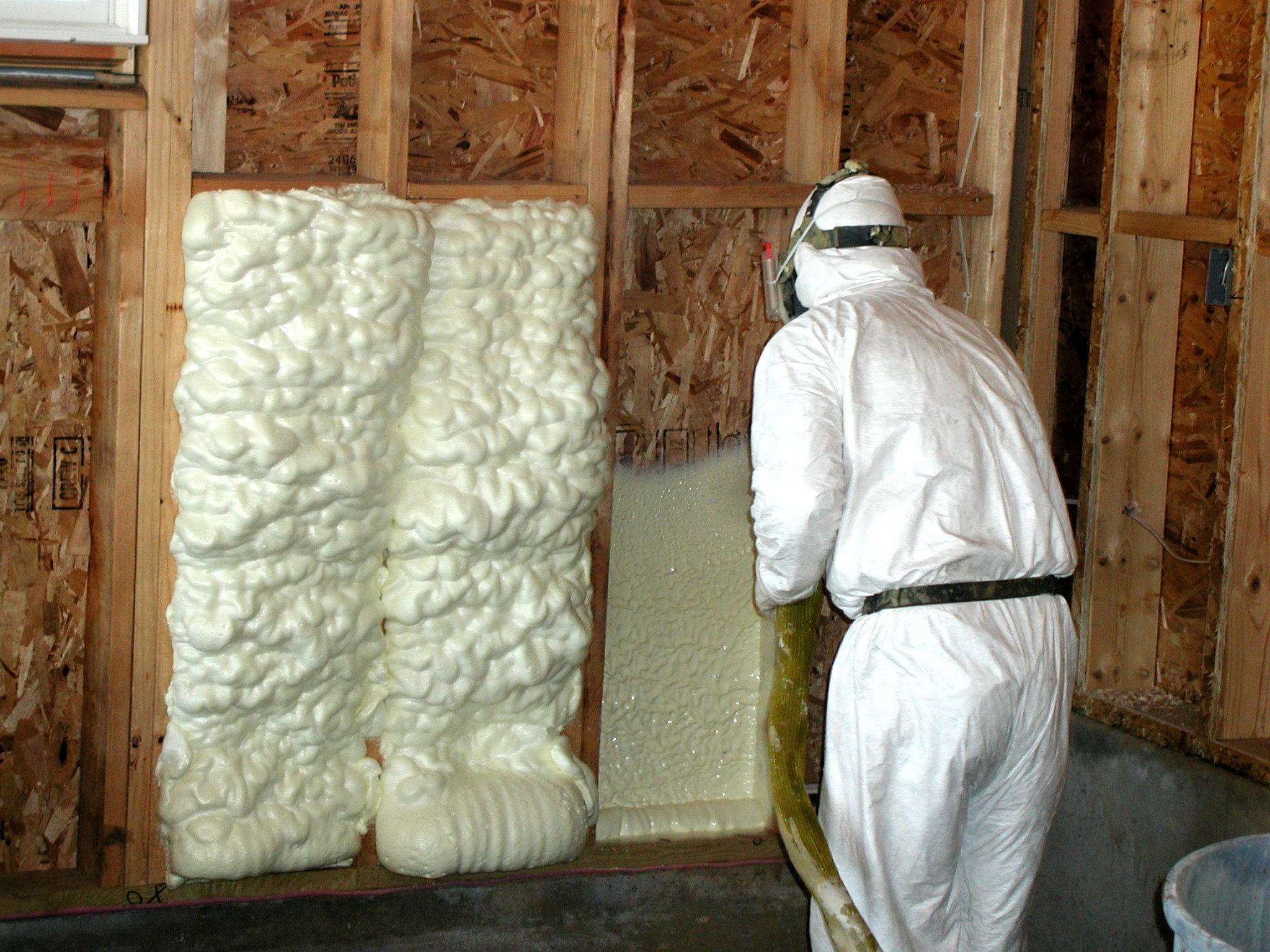
Breaking down spray foam insulation costs by type and coverage area

How to Effectively Eliminate Clover from Your Lawn Naturally

The Surprising Reason Why Ladybugs Choose Your House