Most homeowners never think twice about their crawl space until water starts seeping in, mold begins to grow, or their utility bills spike. But behind every dollar spent on moisture protection lies a story of prevention, potential damage, and long-term savings.
Let's face it – crawl spaces are often forgotten corners of our homes. They're tucked away beneath the main living areas, out of sight and out of mind. Yet these spaces play a huge role in your home's overall health and value. When moisture gets in, it can cause everything from wood rot to costly repairs. The question isn't whether you'll have issues, but how much you'll pay to prevent them. Understanding the costs involved can save you thousands later.
What Exactly Is Crawl Space Moisture?
Crawl space moisture refers to the presence of excess water vapor or liquid water in the space under your home. This can come from various sources including groundwater, high humidity levels, poor drainage around the foundation, or even condensation. The problem is that when moisture accumulates, it creates a breeding ground for mold, mildew, and wood-eating insects. It can also lead to structural damage over time, affecting everything from floor joists to insulation. Think of it like having a damp towel left in your kitchen – it's not immediately dangerous, but it will eventually cause problems if ignored.
Why Moisture Protection Matters More Than You Think
Moisture in crawl spaces isn't just about keeping things dry. It affects your entire home's wellbeing. Here's why it matters:
• Health risks: Mold and mildew thrive in damp conditions and can cause respiratory issues for family members. • Structural damage: Wet wood rots faster, weakening support beams and floor structures. • Energy efficiency: Moist air makes heating and cooling systems work harder, raising utility bills. • Property value: Homes with moisture problems often sell for less and may require expensive fixes.
A study by the National Association of Home Builders found that moisture-related issues account for nearly 30% of all home repair costs. That's a lot of money that could be prevented with proper protection.
Types of Moisture Protection Systems
There are several approaches to tackle crawl space moisture, each with its own price tag. Here are the most common options:
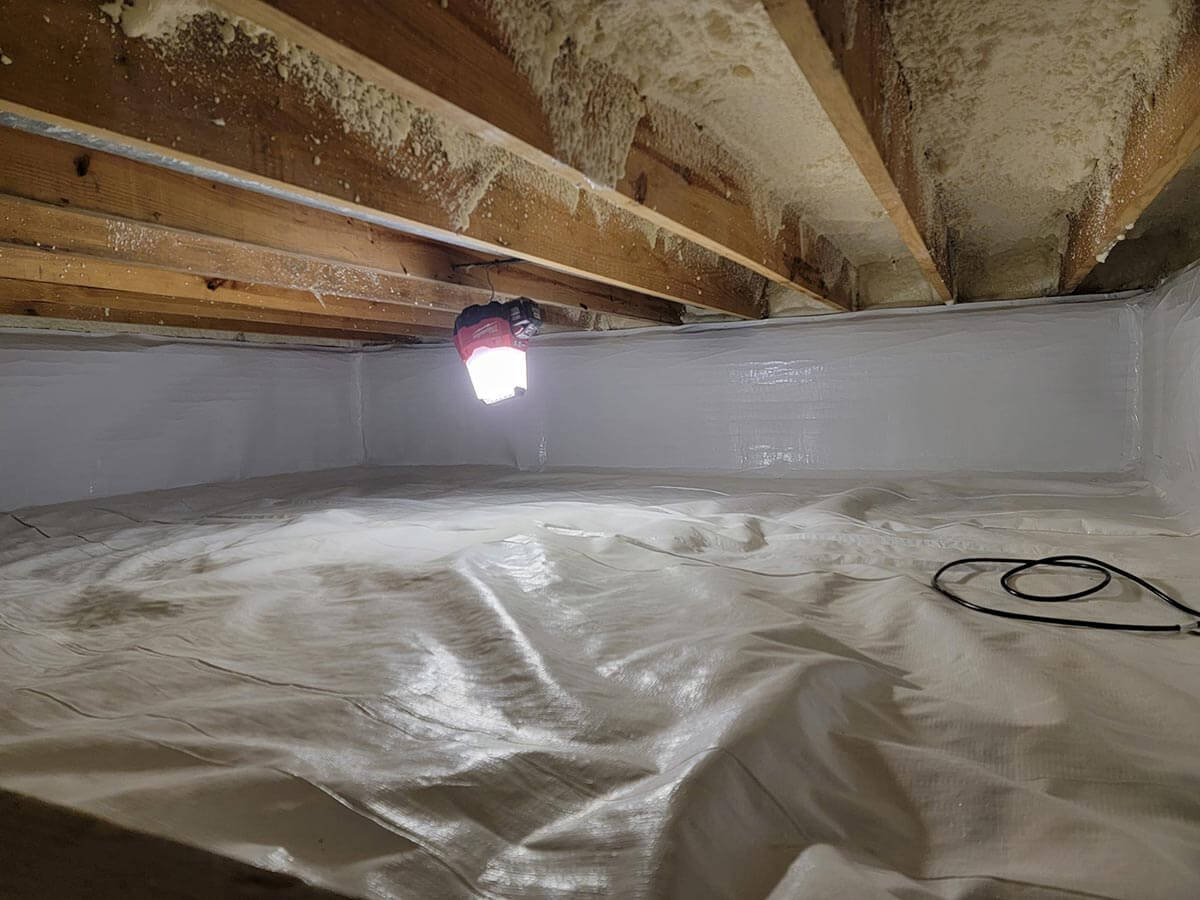
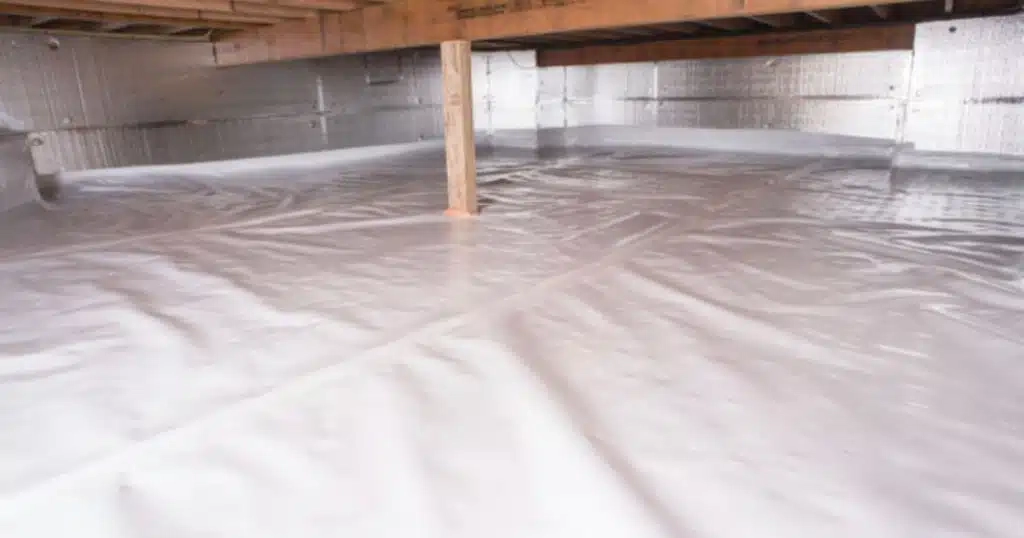
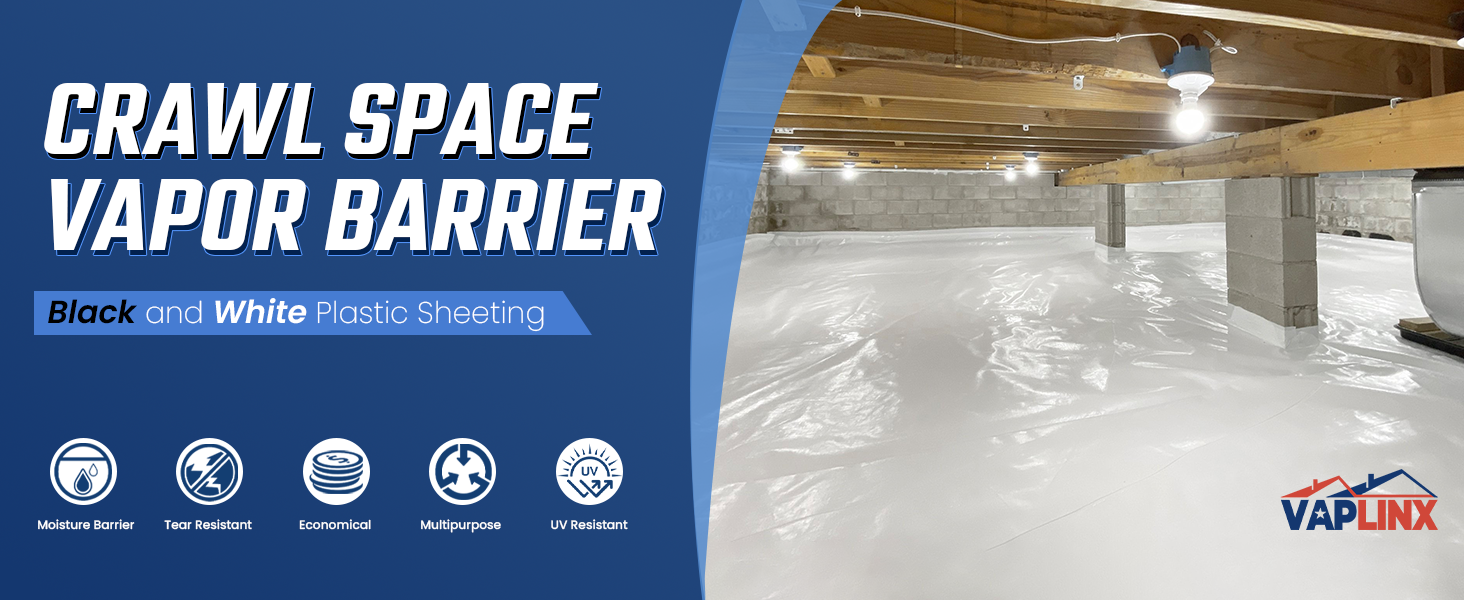
1. Vapor Barriers: These are plastic sheets laid directly on the ground to block moisture from rising up from the soil. They're relatively inexpensive but require careful installation.
2. Dehumidifiers: These devices actively remove moisture from the air. They can range from small units for smaller spaces to large commercial models.
3. Ventilation Systems: Proper airflow helps reduce humidity levels naturally. This might involve installing vents or fans.
4. Encapsulation: This is a complete system involving vapor barriers, insulation, and sealing the entire space. It's the most comprehensive approach.
Each method offers different benefits and costs, so choosing depends on your specific situation and budget.
Cost Range of Different Moisture Protection Methods
Here's a breakdown of typical costs for various moisture protection solutions:
• Basic Vapor Barrier Installation: $500-$1,500 • Small Dehumidifier Setup: $200-$600 • Ventilation System Upgrade: $800-$2,000 • Complete Encapsulation Project: $3,000-$8,000
These numbers vary significantly based on:
• Size of your crawl space • Current moisture levels • Existing infrastructure • Local labor rates • Quality of materials used
For example, a 10x10 foot crawl space might cost less than a larger space due to reduced material needs. Similarly, a space that already has good ventilation might not need a full encapsulation project.
What Factors Influence Overall Costs?
Several elements can dramatically affect how much you'll pay for crawl space moisture protection:
• Space Dimensions: Larger areas mean more materials and labor time • Current Condition: Spaces with existing damage or high moisture levels require more extensive work • Accessibility: Hard-to-reach crawl spaces increase labor costs • Local Labor Rates: Some regions charge more for specialized services • Material Quality: Higher-grade products typically cost more but last longer • Permits Required: Some areas require permits for major modifications
One homeowner in Florida discovered that their crawl space was particularly problematic due to high humidity. Their initial estimate for a basic vapor barrier was $1,200, but after inspection, they realized additional work was needed, bringing the total to $2,800. It's always wise to get multiple quotes and ask about hidden costs.
Long-Term Value vs. Initial Investment
While the upfront costs might seem steep, consider the long-term benefits:
• Preventive Maintenance: Regular protection costs far less than emergency repairs • Energy Savings: Drier air means better HVAC performance and lower bills • Health Benefits: Reduced mold exposure improves indoor air quality • Increased Property Value: A well-maintained crawl space adds to your home's worth • Extended Lifespan: Protecting structural elements prevents costly replacements
A recent case study showed that homeowners who invested in complete crawl space encapsulation saw an average return on investment of 75% within five years. That's because they avoided roughly $5,000 in potential repair costs and enjoyed lower energy bills throughout that time. The initial expense becomes a smart financial decision.
Red Flags That Signal Immediate Action
Noticing these warning signs early can save you money:
• Musty odors coming from the basement or main floors • Visible mold growth on walls, insulation, or pipes • Damp spots or standing water in the crawl space • Peeling paint or warped wood in adjacent rooms • Increased utility bills without explanation • Allergies or respiratory issues among family members
When you see these signs, don't wait. Moisture problems compound quickly. One homeowner in Ohio ignored the musty smell for months before realizing their crawl space had severe moisture issues. By then, they'd already paid $4,000 for repairs and mold remediation. Had they acted sooner, the cost would have been half that amount.
DIY vs. Professional Installation
Some homeowners attempt DIY solutions, especially for simple vapor barriers. However, there are important considerations:
Advantages of DIY: • Lower upfront costs • Personal satisfaction • Quick installation for simple projects
Disadvantages of DIY: • Risk of improper installation • Potential voiding of warranties • May not address root causes • Time-consuming process
Professional installation offers: • Expert assessment of your specific situation • Proper materials and techniques • Warranty coverage • Guaranteed results
A contractor in Texas shared that about 30% of DIY moisture projects fail because of poor installation. In one instance, a homeowner installed a vapor barrier incorrectly and ended up with water pooling underneath, leading to additional costs and frustration. It's worth considering professional help, especially for larger or more complex projects.
Budget-Friendly Tips for Moisture Control
If you're working with a tight budget, here are some affordable ways to manage moisture:
• Regular monitoring: Check your crawl space monthly for signs of moisture • Improve drainage: Ensure gutters and downspouts direct water away from the foundation • Use moisture-absorbing products: Baking soda or kitty litter can absorb small amounts of moisture • Seal cracks: Fill gaps in walls or foundations with appropriate sealants • Keep the area clean: Remove debris that might trap moisture • Install a small dehumidifier: Even a basic model can help in smaller spaces
These steps won't solve major moisture problems, but they can slow down the issue and buy time for more comprehensive solutions.
Finding the Right Contractor
When hiring professionals, look for these qualities:
• Experience with crawl space projects: Not all contractors know the nuances of moisture control • Proper licensing and insurance: Protect yourself from liability issues • References from previous clients: Ask to speak with past customers • Clear written estimates: Get detailed breakdowns of costs and materials • Warranty coverage: Good contractors offer guarantees on their work
One reader shared how she spent weeks comparing quotes and finally chose a local contractor who offered a comprehensive solution and a three-year warranty. Her crawl space now stays dry, and she's saved over $1,000 in energy bills annually. It's worth investing time in finding the right person for the job.
Prevention Strategies That Save Money
The best way to handle moisture protection is prevention, not reaction. Here are proactive measures:
• Annual inspections: Have a professional check your crawl space yearly • Proper ventilation: Ensure adequate airflow without letting too much moisture in • Regular maintenance: Clean gutters, maintain grading, and monitor weather conditions • Quality materials: Invest in good vapor barriers and sealing products • Early intervention: Address small issues before they become big problems
Many experts recommend setting aside $200-$500 annually for crawl space maintenance. That's a fraction of what you might spend fixing serious moisture damage later. It's like paying for car maintenance instead of repairs after a breakdown.
Real-Life Cost Comparisons
Here are some actual examples of what homeowners have paid:
• Case Study 1: A 12x15 foot crawl space in Georgia required complete encapsulation at $4,500. The homeowner reported 20% lower energy bills and no further moisture issues for seven years.
• Case Study 2: A small crawl space in Colorado needed a vapor barrier and dehumidifier ($900). The owner noted improved air quality and no mold issues in three years.
• Case Study 3: A homeowner in Florida spent $1,800 on a vapor barrier and drainage improvements. They avoided $8,000 in potential repair costs and were able to sell their home for $15,000 more than expected.
These stories show that while initial investments vary, the long-term benefits often outweigh the costs significantly.
Common Mistakes to Avoid
Even with good intentions, homeowners often make errors that increase costs:
• Underestimating space size: Many assume their crawl space is smaller than it actually is • Ignoring underlying issues: Failing to address drainage problems leads to recurring moisture • Choosing cheap materials: Low-quality vapor barriers may need replacement sooner • Skipping regular maintenance: Neglecting upkeep turns small problems into major expenses • Not getting proper permits: Some areas require permits for certain installations
One family in Illinois learned this lesson hard when they installed a vapor barrier themselves using inadequate materials. Within two years, it had torn and started leaking again. They paid an additional $1,200 to fix the mistake, plus the time spent dealing with the issue. Sometimes, paying more upfront saves you money later.
The True Cost of Ignoring Moisture Issues
Ignoring crawl space moisture can be incredibly expensive:
• Mold remediation: $500-$5,000+ depending on extent • Structural repairs: $2,000-$15,000 for damaged framing • Insulation replacement: $1,000-$3,000 • HVAC system damage: $1,500-$5,000 • Healthcare costs: Increased medical bills from mold exposure
A comprehensive report by the Environmental Protection Agency found that homes with unresolved moisture problems had 40% higher repair costs over a five-year period. The numbers add up quickly, making prevention not just smart but essential. It's better to invest in proper protection now rather than face costly surprises later.
Making Smart Financial Decisions
When evaluating crawl space moisture protection, consider:
• Your home's age and condition: Older homes may need more extensive work • Local climate: Humid regions require more attention to moisture control • Family health history: If anyone has allergies or respiratory issues, moisture control becomes more critical • Future plans: If you plan to stay long-term, investment in protection pays off • Insurance coverage: Some policies cover moisture-related damage, but not always
A family in Florida decided to invest in full encapsulation after their insurance company raised premiums due to previous moisture claims. They calculated that the protection would pay for itself in reduced insurance costs alone within four years. Smart financial decisions often involve looking beyond immediate costs.
Crawl space moisture protection isn't just about keeping your basement dry. It's an investment in your home's future, your family's health, and your wallet. While the costs vary widely, understanding what you're paying for and why helps you make informed choices. Whether you opt for a simple vapor barrier or a complete encapsulation system, the key is acting before problems become expensive. Don't let moisture problems catch you off guard. Start planning today, because prevention really is the best cure. Remember, a few hundred dollars now can save you thousands later. Your home—and your peace of mind—will thank you for it.
Related Posts
What happens to dried ink when clothes go through dryer tumbling
How American Standard HVAC Systems Compare to Trane Brands
Breaking down spray foam insulation costs by type and coverage area

How to Effectively Eliminate Clover from Your Lawn Naturally

The Surprising Reason Why Ladybugs Choose Your House