When you hear about Eviva Duva 48 in, it's not just another product name. It represents a carefully crafted system designed to meet specific needs. Whether you're encountering it for the first time or trying to understand its inner workings, this guide will walk you through everything you need to know about its components and how they work together.
The world of technology and health products keeps evolving, and sometimes we come across something new that seems like it could change things. Eviva Duva 48 in is one such product that has drawn attention for its unique design and functionality. But what exactly makes it tick? What are the individual parts that contribute to its overall performance? We're going to take a deep dive into each component, breaking it down in a way that's easy to follow and understand. This isn't just about the flashy features—it's about understanding how everything fits together to deliver results.
What Is Eviva Duva 48 in?
Eviva Duva 48 in is more than just a name. It's a product line that combines several elements to create a functional whole. The '48 in' part refers to a specific dimension or parameter within the system. This could relate to physical measurements, processing capabilities, or even a reference to a particular version or model. Understanding this starting point helps us see how the rest of the components align with this foundational element.
For instance, if we think of it like a car engine, the 48 in might represent a core specification, like the displacement or power output. Everything else in the system revolves around making sure that specification is met efficiently and effectively. It's like having a blueprint where every part has a role to play in achieving the final result.
Core Components Explained
Let's start by looking at the main building blocks that make up Eviva Duva 48 in:
• The Control Unit: This is essentially the brain of the operation. It manages all the inputs and outputs, making sure that each part works in harmony. • The Processing Chamber: Here's where the magic happens. This area handles the actual processing of materials or data, depending on the application. • The Feedback System: This ensures that everything stays on track. It monitors performance and makes adjustments when needed. • The Power Source: Without energy, nothing works. This component provides the necessary juice to keep everything running smoothly. • The Interface Panel: This is how users interact with the system. It displays information and allows for control inputs.
Each of these parts plays a vital role. You might wonder why each one is important. Think of it like a team effort. If one person is missing, the whole project suffers. These components work together, each contributing to the system's success.
How the Control Unit Works
The control unit is where decisions are made. It's like the central nervous system of the entire system. It takes in signals from various sensors and other components, analyzes them, and then sends out commands to keep things running smoothly.
This part uses advanced algorithms to process information quickly. For example, if there's a fluctuation in temperature or pressure, the control unit immediately responds. It might adjust the flow rate or activate a cooling mechanism. It's not just about reacting—it's about predicting potential issues before they happen.
In simpler terms, imagine you're driving a car. Your brain is constantly checking the speedometer, mirrors, and road conditions. That's what the control unit does, but in a digital form. It's always monitoring and adapting to keep the system performing at its best.
The Processing Chamber Functionality
Inside the processing chamber is where raw materials or data get transformed into something useful. Depending on the application, this could involve chemical reactions, data analysis, or physical manipulation.
Think of it like a kitchen. You put ingredients in, you follow a recipe, and you get a finished dish. In the processing chamber, the inputs are carefully managed to produce consistent, reliable outputs. The chamber itself is designed to maintain optimal conditions—temperature, pressure, purity—that are essential for the process to work correctly.
One key aspect is precision. Every input must be measured accurately for the output to meet standards. If something goes wrong in this stage, it can affect the entire system. That's why the chamber is built with high-quality materials and tight tolerances.
Feedback Systems and Their Importance
Feedback loops are critical for maintaining system stability. They act as a check and balance mechanism, ensuring that everything continues to work as intended. Without feedback, systems can drift off course and become unreliable.
The feedback system in Eviva Duva 48 in collects data from multiple sources—sensors, user inputs, and operational metrics. This information is then analyzed to determine whether the system is performing correctly. If there's a deviation from the expected behavior, the system can automatically correct itself or alert the operator.
It's similar to how a thermostat works in your home. When the temperature drops below the set point, it turns on the heater. When it reaches the desired level, it switches off. The feedback system does the same thing, but with much more complexity and accuracy.
Power Source Considerations
A reliable power source is essential for any functioning system. In Eviva Duva 48 in, the power supply must be stable and efficient to support all components. It's not just about having electricity—it's about delivering the right kind of power at the right time.
The system may use different types of power sources, including batteries, solar panels, or grid power. The choice depends on factors like portability, cost, and environmental impact. For example, if the device is meant to be mobile, battery power might be preferred. If it's stationary, grid power could be more practical.
Efficiency is key here too. A well-designed power system minimizes waste while maximizing output. It's like choosing the most fuel-efficient car for your daily commute—every bit of energy counts.
User Interface and Accessibility
Even the most sophisticated system needs to be user-friendly. The interface panel is where operators interact with the machine. It shows status information, allows for adjustments, and alerts users to important events.
Modern interfaces are designed to be intuitive. They use visual cues, clear labels, and logical layouts to make operations simple. Users shouldn't have to be engineers to operate the system effectively. The interface should guide them through tasks step-by-step.
Consider how smartphones evolved to become more user-friendly over time. The same principle applies here. The interface should be responsive, provide helpful feedback, and make complex processes feel manageable.
Real-World Applications and Benefits
Eviva Duva 48 in isn't just theoretical—it's used in real situations where reliability and performance matter. Industries such as manufacturing, healthcare, and research benefit from its capabilities.
In manufacturing, it might improve production efficiency by reducing errors and increasing consistency. In healthcare, it could enhance diagnostic accuracy or treatment delivery. In research, it might accelerate data collection and analysis.
The benefits extend beyond just technical performance. It also reduces downtime, lowers maintenance costs, and improves overall productivity. When a system works reliably, people can focus on their core tasks rather than worrying about equipment failures.
Maintenance and Longevity
Like any complex system, Eviva Duva 48 in requires regular care to perform optimally. Maintenance schedules ensure that components remain in good working order. Regular checks can prevent small issues from becoming major problems.
Preventive maintenance is often more cost-effective than reactive repairs. By keeping up with routine inspections, cleaning, and part replacements, users can extend the life of the system. This also ensures consistent performance over time.
Some components may wear out faster than others. Knowing which parts are most vulnerable helps prioritize maintenance efforts. It's like taking care of a car—regular oil changes and tire rotations keep it running smoothly for years.
Future Developments and Innovations
Technology is always advancing, and Eviva Duva 48 in is no exception. Future versions may include enhanced sensors, smarter algorithms, or more efficient power solutions. The system is designed to evolve with changing needs.
One exciting possibility is integration with artificial intelligence. AI could help predict when maintenance is needed or optimize performance based on usage patterns. Machine learning algorithms might even allow the system to adapt to new conditions automatically.
Another area of growth is sustainability. Future designs might incorporate renewable energy sources or recyclable materials. As environmental concerns grow, manufacturers are finding ways to make their products more eco-friendly without sacrificing performance.
Eviva Duva 48 in is more than just a product—it's a carefully engineered solution that brings together multiple components to solve specific problems. From the control unit that makes smart decisions to the processing chamber that delivers results, every part plays a crucial role. Understanding these components gives us a clearer picture of how the system functions and why it's effective.
Whether you're a user, a technician, or someone simply curious about how modern systems work, knowing the basics helps build confidence in the technology. The next time you encounter Eviva Duva 48 in, you'll appreciate not just what it does, but how it does it. It's a reminder that behind every impressive feature lies a thoughtful combination of engineering, science, and design.




Related Posts

How Ceramic Vessel Sinks Enhance Bathroom Aesthetics and Functionality
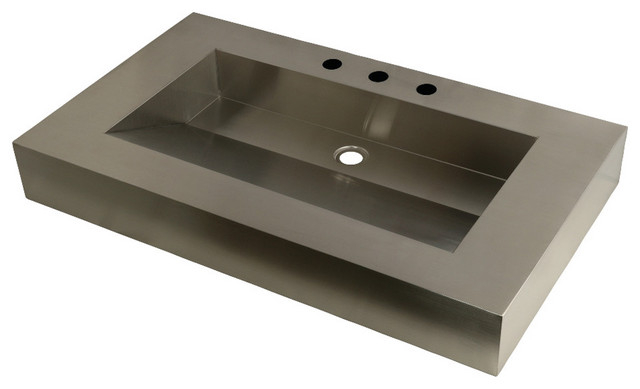
Design and Durability Analysis of the Kingston Brass GLTS37225 Brushed Basin
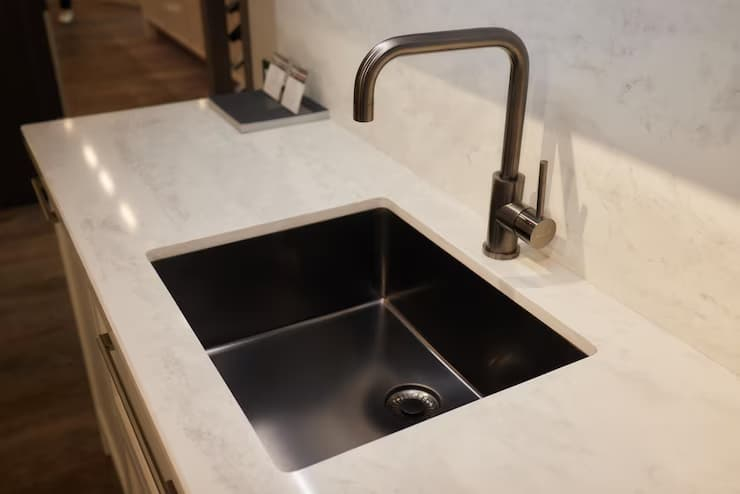
Choosing the Perfect Small Undermount Sink for Your Home Decor

Material Durability and Maintenance of Kingston Brass VPB24187W4 Ceramic Sink

Expert Insights on Choosing the Right Sink for Your Bathroom Renovation