Every traditional wood dining set tells a story. It's not just about the table itself, but the countless hours spent by skilled artisans who understood that dining isn't merely about eating - it's about coming together, sharing stories, and creating memories.
When you sit down to dinner at a traditional wood dining set, you're not just enjoying a meal. You're experiencing centuries of accumulated knowledge, cultural values, and artistic expression. These pieces are more than furniture; they're heirlooms that connect us to our past while serving our present needs. The journey from raw timber to finished dining table involves techniques that have been refined over hundreds of years, with each step requiring both skill and respect for the materials. What makes these sets truly special isn't just their beauty, but the human touch that goes into every single detail.
The Foundation: Choosing the Right Timber
Selecting the perfect wood is like choosing the right canvas for a painting. Different types of timber offer unique characteristics that influence everything from appearance to durability. Oak stands out for its strength and distinctive grain patterns, making it ideal for heavy-duty tables that need to withstand years of use. Maple provides a smooth surface that's gentle on dishes and offers excellent stability. Walnut brings rich chocolate-brown hues and natural resistance to wear. Cedar and pine add rustic charm, though they require more maintenance. The age of the wood matters too - older timber often contains tighter grain structures that resist warping better than younger growth. Many craftspeople prefer woods that have been seasoned for several years, allowing moisture to dissipate naturally and preventing future cracking or shrinking. This careful selection process begins before any tool touches the material.
The Master's Touch: Handcrafted Techniques
Traditional woodworking relies heavily on time-honored methods that modern machinery simply cannot replicate. Hand planing creates surfaces that are perfectly smooth to the touch, something power tools struggle to achieve consistently. Joinery techniques like mortise and tenon joints provide structural integrity that exceeds what glue alone can offer. These connections are made by hand, often using nothing more than chisels and mallets. The process of creating these joints requires incredible precision and patience. Every cut must be measured carefully, every angle calculated exactly. Some master craftsmen spend entire days perfecting a single joint, knowing that a weak connection will eventually fail under stress. The rhythmic sound of hand planes and the precise movements of chisels create a symphony of craftsmanship that speaks to the soul of traditional woodworking.
Time-Honored Finishing Methods
The final layer of a traditional dining set reveals much about the quality of workmanship. Natural oils and waxes are preferred over synthetic finishes because they allow the wood to breathe while providing protection. Linseed oil penetrates deep into the grain, enhancing color and adding a subtle luster that develops over time. Beeswax creates a protective barrier that's easy to maintain and reapply. Some artisans use traditional shellac made from tree sap, which provides a beautiful golden glow. These finishing methods take time to apply properly, often requiring multiple coats with careful sanding between applications. The result is a surface that feels smooth but not overly polished, maintaining the natural character of the wood while protecting it from daily wear. This approach to finishing reflects a philosophy that celebrates the wood's inherent beauty rather than masking it.
Cultural Significance and Regional Variations
Wood dining sets aren't uniform across cultures - they reflect local traditions, available materials, and historical influences. In Japan, the emphasis is on simplicity and natural beauty, with minimal ornamentation and focus on clean lines. Scandinavian designs feature light woods like birch and pine, emphasizing function and clean aesthetics. European craftsmanship often incorporates elaborate carving and decorative elements that tell stories or represent local folklore. American colonial pieces showcase sturdy construction and practical design suited for frontier life. Each region developed unique approaches based on climate, available resources, and cultural values. For instance, some areas favor hardwoods that resist insect damage, while others prioritize softwoods that are easier to work with. The cultural context behind these choices helps explain why a dining set from one region might look completely different from another, even when made with similar techniques.
Preservation and Care: Maintaining the Legacy
Traditional wood dining sets require care that respects their craftsmanship and history. Regular cleaning with appropriate products prevents buildup that could damage the finish. Using coasters and placemats protects against scratches and water rings. Periodic reapplication of natural oils keeps the wood healthy and looking its best. Some experts recommend avoiding direct sunlight exposure to prevent fading of colors. Proper humidity control in storage areas prevents expansion and contraction that can cause warping. Many owners develop personal rituals around caring for their pieces, such as applying oil during seasonal changes or dusting with special cloths. These practices become part of family traditions, ensuring that the investment in quality craftsmanship continues to serve future generations. The dedication required to maintain these pieces reflects the value placed on them.
Modern Relevance and Sustainability
Today's consumers increasingly appreciate the environmental benefits of traditional wooden dining sets compared to mass-produced alternatives. These pieces are built to last decades, reducing waste and the need for frequent replacements. Many craftsmen now emphasize sustainable forestry practices, sourcing wood from responsibly managed forests. The durability means fewer resources are consumed over time, making them environmentally friendly choices. Additionally, the skills involved in traditional woodworking support local economies and preserve cultural knowledge that might otherwise disappear. Modern buyers often discover that investing in quality traditional pieces pays dividends in both aesthetic satisfaction and longevity. The growing appreciation for artisanal craftsmanship suggests that these timeless designs will continue to appeal to those seeking authentic, meaningful possessions.
Traditional wood dining sets represent more than mere furniture - they embody centuries of accumulated wisdom, artistic expression, and cultural heritage. From the careful selection of timber to the patient application of finishing techniques, every aspect of their creation reflects a deep respect for materials and craftsmanship. These pieces remind us that the most meaningful objects often require the most time and attention to create. Whether you're considering purchasing one for your home or simply appreciating their beauty, understanding the craftsmanship behind these works of art adds depth to your appreciation. The legacy continues with each new generation of artisans who carry forward these essential skills, ensuring that traditional wood dining sets remain treasured parts of our living spaces for many years to come. The warmth you feel when touching a well-made table, the way light catches its surface, and the stories it holds make these pieces truly irreplaceable.


Related Posts

Kitchen Island vs Peninsula Compared for Flow Storage and Everyday Use

Smarter Ways to Plan a Functional Kitchen Island for Modern Living in 2026
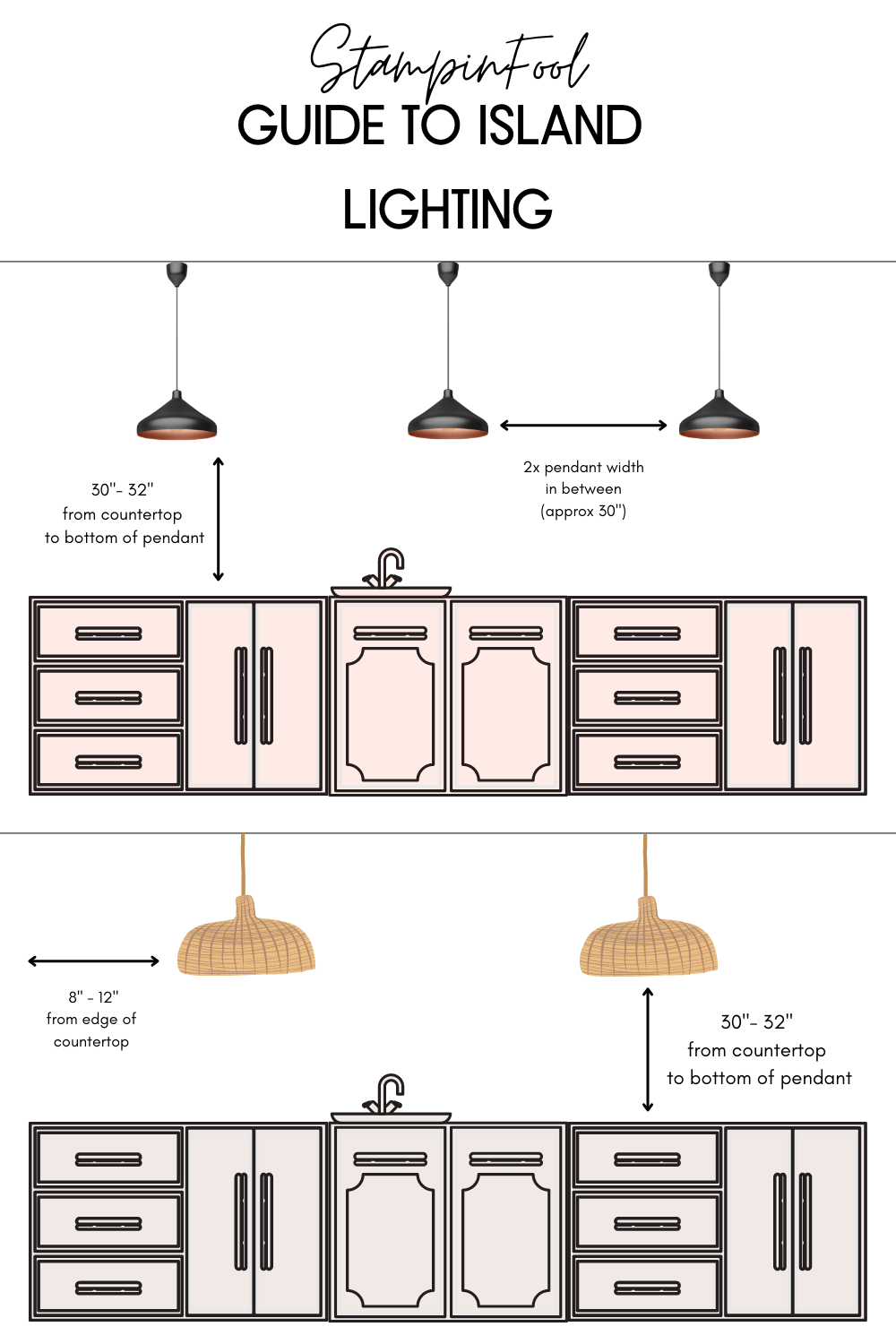
How to Layer Kitchen Island Lighting for Both Cooking and Gathering
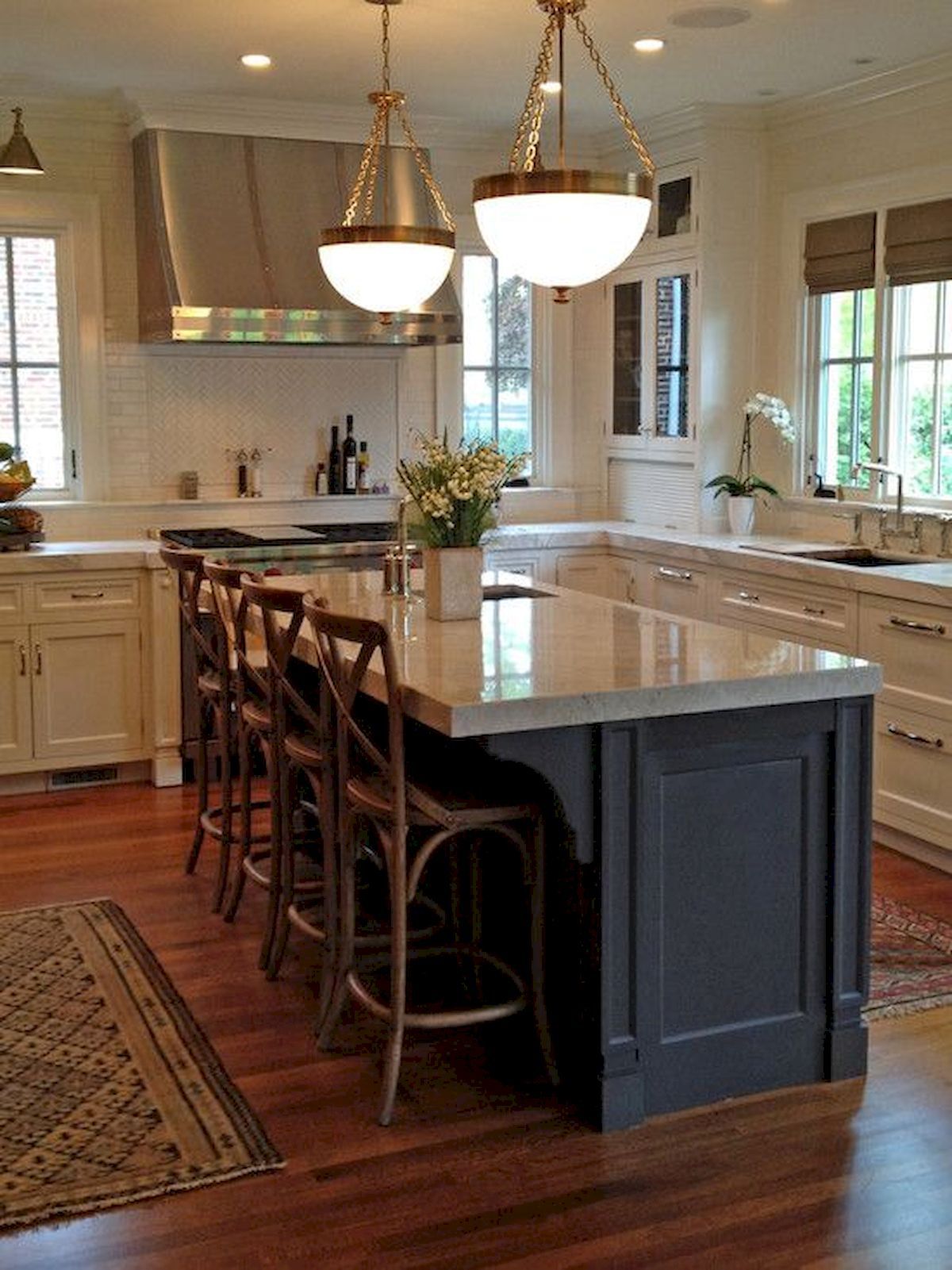
Rethinking Your Kitchen Island Layout With Ideas Grounded in Real Everyday Use

The practical benefits of using 24x48 porcelain stone effect tiles in homes

