When it comes to concrete installation projects, few fixtures command as much respect as the ALFI Brand ABCO40TR rectangular concrete fixtures. These robust components have become the go-to choice for professionals and DIY enthusiasts alike. But what makes them so special? Why do they demand such careful attention during installation? Let's dive into the heart of proper fixture installation and discover why getting it right matters more than you might think.
Concrete fixtures aren't just about throwing some cement in a mold and calling it a day. When you're dealing with ALFI Brand ABCO40TR rectangular concrete fixtures, precision and technique matter tremendously. These aren't your average building blocks – they're engineered to last decades, withstand weather extremes, and provide reliable performance in everything from parking areas to industrial sites. The question isn't whether you should install them carefully, but rather how to approach this crucial task with the skill and attention they deserve. Whether you're a seasoned contractor or someone tackling their first major installation project, understanding the fundamentals can save you time, money, and potential headaches down the road.
Understanding the ABCO40TR Fixture Design
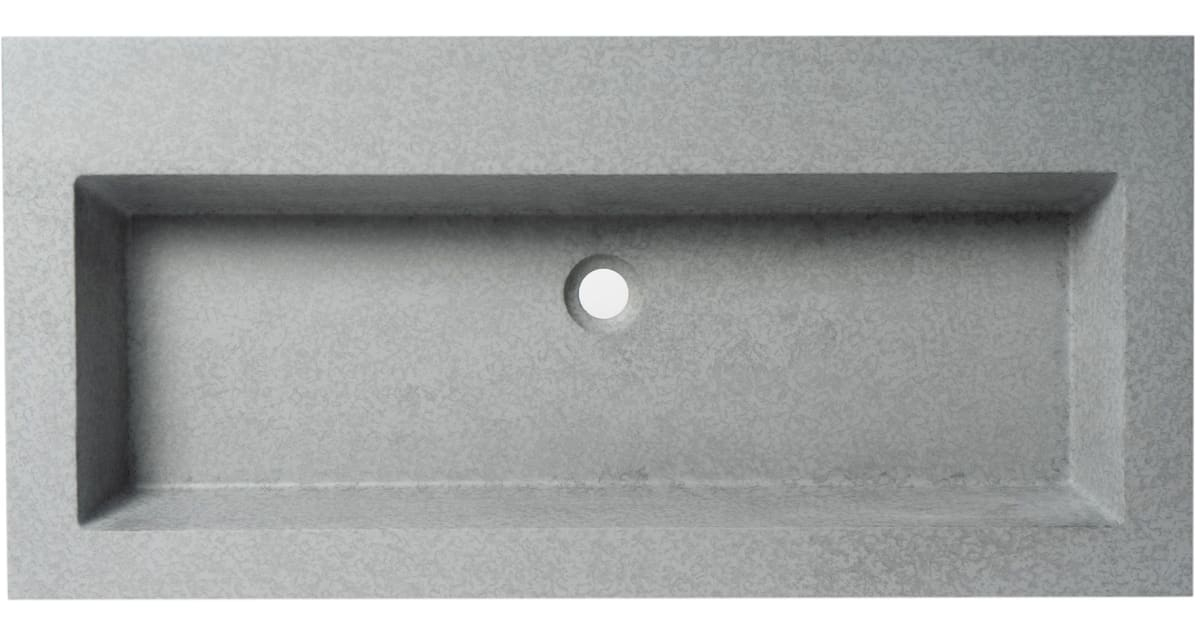
Before you even pick up a shovel, it's essential to know exactly what you're working with. The ALFI ABCO40TR rectangular concrete fixture isn't just another piece of construction material. It's a carefully crafted solution designed for specific applications. The 'ABCO40TR' designation tells us several important things about its structure and intended use. The numbers often indicate dimensions, while the 'TR' typically stands for 'rectangular' design. These fixtures come with specific load-bearing capabilities, drainage features, and compatibility requirements that must be respected during installation.
Think of it like choosing the right tool for the job. If you're trying to drive a screw with a hammer, you'll either damage the screw or the wood. Similarly, if you ignore the design specifications of these fixtures, you risk compromising their structural integrity. The rectangular shape provides excellent stability when properly installed, but only when placed correctly. You need to understand how the fixture's weight distribution works, what kind of base preparation it requires, and how it interacts with surrounding materials.
Essential Preparation Steps
Good preparation sets the foundation for a successful installation. This phase can make or break your entire project, so don't rush through it. Start by examining the installation site thoroughly. Look for existing utilities, soil conditions, and drainage patterns. The ground beneath your fixtures needs to be stable and well-draining. Poor soil conditions can cause settling issues that might compromise the entire structure over time.
Here are the key prep tasks:
• Clear the work area of debris and vegetation • Check for underground utilities using proper detection methods • Level and compact the soil base • Install proper drainage systems if needed • Mark exact placement locations • Gather all necessary tools and materials
One common mistake new installers make is skipping the soil compaction step. While it might seem like extra work, compacted soil prevents future settling and ensures your fixtures remain level and secure. Think of it as giving your installation a solid foundation to build upon – without that base, everything else becomes unstable.
Choosing the Right Tools and Materials
Having the correct equipment isn't just about convenience; it's about safety and quality results. For ALFI ABCO40TR installations, you'll want to ensure you have:
• A reliable measuring tape and level • Concrete mixing equipment or pre-mixed concrete • Proper rebar and reinforcement materials • Shovels and digging tools • Wheelbarrow for material transport • Safety gear including gloves and eye protection • Template or guide for precise positioning
The type of concrete you choose can significantly impact your results. Some installations require high-strength concrete, while others might work fine with standard mixes. Always check the manufacturer's recommendations for the specific fixture model you're installing. Don't assume that any concrete will do – different projects have different requirements. The rebar placement is equally critical. Proper reinforcement helps distribute loads evenly and prevents cracking under stress.
A helpful tip many pros share is to always prepare more concrete than you think you'll need. This way, you won't run out during the pour and end up with cold joints that weaken the structure.
Step-by-Step Installation Process
Now we get to the heart of the matter – actually installing your fixtures. The process involves several distinct stages that must be completed in order. First, position your fixtures according to your marked locations. Make sure they're perfectly aligned with each other and with any surrounding elements. Once positioned, begin the concrete pouring process carefully. Pour the concrete slowly and evenly around the fixture to avoid air pockets.
Key steps include:
• Position fixtures according to layout plans • Secure them temporarily to prevent movement • Mix concrete to proper consistency • Pour concrete around fixture edges • Vibrate or consolidate the concrete • Allow proper curing time • Remove temporary supports after setting
One critical detail often overlooked is the importance of vibration during concrete placement. Without proper consolidation, air bubbles can form within the concrete, creating weak spots that may fail under pressure. Many experienced installers use vibrating tools or simply tap the forms gently to release trapped air. The goal is to achieve dense, uniform concrete that bonds properly with the fixture.
Common Mistakes and How to Avoid Them
Even experienced professionals encounter challenges during installations. Understanding common pitfalls helps you avoid them before they cause problems. One frequent issue is improper alignment of multiple fixtures. When installing several ABCO40TR units side by side, maintaining consistent spacing and levelness becomes crucial. A single misaligned fixture can throw off the entire installation.
Other common errors include:
• Insufficient concrete coverage around fixtures • Rushing the curing process • Ignoring weather conditions during installation • Skipping proper base preparation • Using incorrect concrete mix proportions
Weather plays a significant role in concrete work. Extreme temperatures, rain, or wind can affect curing times and strength development. Some installers prefer working during milder conditions, especially when dealing with large-scale projects. Another mistake is not allowing enough time between installation steps. Rushing through the process often leads to poor results that require costly corrections later.
Maintenance and Long-Term Performance
Installation is just the beginning – proper maintenance ensures your fixtures serve their purpose for decades. Regular inspections help catch small issues before they become major problems. Check for signs of cracking, settling, or water accumulation around the fixtures. These early warning signs can indicate underlying issues that need attention.
Maintenance tips include:
• Clean regularly to prevent debris buildup • Monitor drainage around installation areas • Address cracks promptly with appropriate repairs • Inspect fasteners and connections periodically • Keep surrounding areas free of standing water
The longevity of your ALFI ABCO40TR fixtures depends largely on how well they were installed initially. Good installation practices, combined with routine maintenance, create a win-win situation. You save money on repairs and replacements, while ensuring continued safety and functionality. Many property managers find that investing in quality installation pays dividends through reduced maintenance costs and fewer emergency repairs.
Installing ALFI Brand ABCO40TR rectangular concrete fixtures isn't just about following a checklist – it's about understanding the relationship between materials, techniques, and long-term performance. Every step matters, from initial planning through final inspection. The investment you make in proper preparation, careful execution, and ongoing maintenance directly impacts how long your fixtures will serve their intended purpose. Whether you're working on a small residential project or a large commercial installation, the principles remain the same. Pay attention to details, respect the engineering behind these fixtures, and you'll be rewarded with reliable, durable results that stand the test of time. Remember, the best installations are those where the installer takes pride in their work, knowing that every element contributes to the overall success of the project.
Related Posts

How Ceramic Vessel Sinks Enhance Bathroom Aesthetics and Functionality
How to Choose the Right Wall Mounted Corner Sink for Your Bathroom Space
Design and Durability Analysis of the Kingston Brass GLTS37225 Brushed Basin

Transforming Your Bathroom with Textured Stone Surfaces

Choosing the Perfect Small Undermount Sink for Your Home Decor