There's something magical about the way natural oak transforms under careful finishing. It's not just about making furniture look pretty – it's about honoring the wood's inherent character while ensuring it lasts for generations. Whether you're a craftsman, designer, or DIY enthusiast, understanding how to properly finish oak wood can elevate your work from good to extraordinary.
Oak has been the gold standard for fine woodworking for centuries. Its distinctive grain patterns, strength, and natural beauty make it a favorite among furniture makers worldwide. In contemporary design, the challenge lies not just in selecting quality oak, but in applying finishing techniques that enhance its natural attributes without overwhelming them. The right approach can make your oak furniture look like it belongs in a museum or a modern living room, depending on your aesthetic vision. Today, we'll explore the art and science behind natural oak finishing techniques that work beautifully in contemporary furniture making.
Understanding Oak's Unique Characteristics
Before diving into finishing methods, it's crucial to understand what makes oak special. Unlike many hardwoods, oak contains tannins that give it natural resistance to insects and decay. This means oak furniture can last decades, even centuries, when properly maintained. The grain structure varies significantly between species – white oak tends to have tighter, more uniform grains, while red oak shows more variation. When working with oak, you're essentially working with nature's own masterpiece. The wood's natural pores and grain patterns are part of what makes it so appealing. These characteristics mean that finishing techniques must respect the wood's natural flow rather than fight against it. For instance, using too much filler or heavy sealers can obscure the beautiful texture that oak naturally provides. Understanding these basics helps determine whether you want to highlight the grain or create a smoother surface.
Traditional Oil-Based Finishing Methods
Oil-based finishes have been the backbone of natural wood finishing for hundreds of years. They penetrate deep into the wood fibers, providing protection while maintaining the material's natural feel and appearance. Linseed oil, tung oil, and Danish oil are popular choices among traditional craftspeople. These oils work by slowly penetrating the wood surface, filling microscopic pores and creating a protective barrier. The process requires patience – some oils need several days to fully cure. Applying thin layers and allowing adequate drying time between coats is essential. For contemporary furniture, oil finishes offer an authentic look that complements both rustic and modern design aesthetics. They're particularly effective on oak because they enhance the wood's natural color variations. A well-applied oil finish can make oak appear rich and lustrous without appearing overly glossy. The key is in the repetition – multiple thin applications build up protection gradually. Some craftspeople prefer to alternate between different oil types to achieve unique visual effects. For example, combining tung oil with a small amount of shellac can create a finish that's both durable and visually appealing.
Modern Water-Based Alternatives
Water-based finishes have gained popularity in recent years due to their environmental benefits and faster curing times. These products typically contain acrylic or polyurethane resins suspended in water. They offer excellent durability and are less likely to yellow over time compared to traditional oil finishes. Many contemporary furniture makers appreciate water-based options because they dry quickly and emit fewer volatile organic compounds. However, they require more precise application techniques. Unlike oil finishes that soak into the wood, water-based products tend to form a surface film. This means proper sanding between coats is crucial for achieving a smooth, professional-looking result. When using water-based finishes on oak, it's important to note that the wood's porosity can affect how evenly the finish applies. Some oak pieces may require additional preparation steps like applying a sealer first. The advantage of water-based finishes lies in their versatility – they can be tinted easily to match specific color requirements. Many manufacturers now offer water-based finishes specifically designed for hardwoods like oak. These products often provide excellent protection against moisture and wear while maintaining a clean, contemporary appearance.
The Art of Sanding and Preparation
Proper preparation is often overlooked but absolutely critical for successful oak finishing. Oak's natural texture can vary greatly, so starting with a consistent surface is essential. Begin with coarse grit sandpaper, typically 80 or 100 grit, to remove any old finish or imperfections. Work systematically, following the grain direction. Progress to finer grits – 120, then 150, and finally 220 – for a smooth surface ready for finishing. The key with oak is to avoid creating scratches that might show through the final finish. Some woodworkers prefer to wet-sand oak before applying finish, as this can open the grain and create a better surface for adhesion. This technique works particularly well with oil-based finishes. After sanding, always clean the surface thoroughly with a tack cloth or damp cloth to remove all dust particles. Even tiny amounts of debris can cause problems with finish adhesion. Some craftspeople find it helpful to apply a light coat of shellac or another sealer before their main finishing process. This step helps ensure even absorption and prevents blotchiness, especially on oak that has varying degrees of porosity.
Layering Techniques for Maximum Protection
Effective oak finishing rarely involves just one coat. Layering different types of finishes creates both protection and visual appeal. Start with a primer or sealer coat, which helps establish a uniform base. Then apply your chosen topcoat in thin, even layers. Each layer should be allowed to dry completely before sanding lightly between coats. This sanding step removes any imperfections and creates better adhesion for subsequent layers. For contemporary furniture, many craftsmen layer different finish types strategically. For example, they might start with an oil-based sealer, followed by a water-based topcoat, and finish with a clear protective layer. The exact sequence depends on the desired outcome and the specific properties of the materials being used. Some woodworkers prefer to use multiple thin coats rather than fewer thick ones. This approach reduces the risk of runs, drips, or uneven drying. Layering also allows for color adjustments if needed during the finishing process. The cumulative effect of multiple layers provides superior protection against moisture, scratches, and general wear. Many contemporary designers appreciate how layering can subtly alter the wood's appearance, adding depth and complexity to the final piece.
Troubleshooting Common Oak Finishing Issues
Even experienced woodworkers encounter challenges with oak finishing. Common problems include uneven absorption, blotchiness, and finish peeling. Uneven absorption often occurs because oak's grain can absorb finish differently across the surface. To address this, some craftsmen use pre-treatment methods like applying a wood conditioner or using a stain reducer. Blotchiness happens when certain areas of the wood absorb finish more readily than others. This issue is particularly common with lighter-colored oak pieces. Using a wipe-on finish or applying a thin sealer coat before staining can help create more uniform results. Finish peeling usually indicates poor surface preparation or incompatible materials. Always ensure surfaces are clean and properly sanded before applying new finish. If you notice any soft spots or areas where the finish seems to lift easily, it's time to strip and start over. Temperature and humidity can also affect how finishes perform. Working in controlled environments helps prevent many common issues. Keeping detailed notes about which products worked best for specific projects proves invaluable for future reference. Many successful woodworkers keep a logbook documenting their finishing processes, noting which combinations of products and techniques yielded the best results.
Natural oak finishing is both an art and a science, requiring patience, attention to detail, and respect for the wood's inherent qualities. Whether you choose traditional oil-based approaches or modern water-based alternatives, the key lies in understanding your material and working with its natural characteristics rather than against them. The techniques discussed here provide a solid foundation for creating beautiful, durable oak furniture that will stand the test of time. Remember that practice makes progress – every project teaches something new about how oak responds to different treatments. The investment in learning proper finishing techniques pays dividends in both the quality of your work and the satisfaction of creating pieces that honor the natural beauty of this remarkable wood. As you continue developing your skills, don't hesitate to experiment within these foundational principles. The world of oak finishing offers endless possibilities for creativity and craftsmanship, making it one of the most rewarding aspects of woodworking.


Related Posts

Kitchen Island vs Peninsula Compared for Flow Storage and Everyday Use
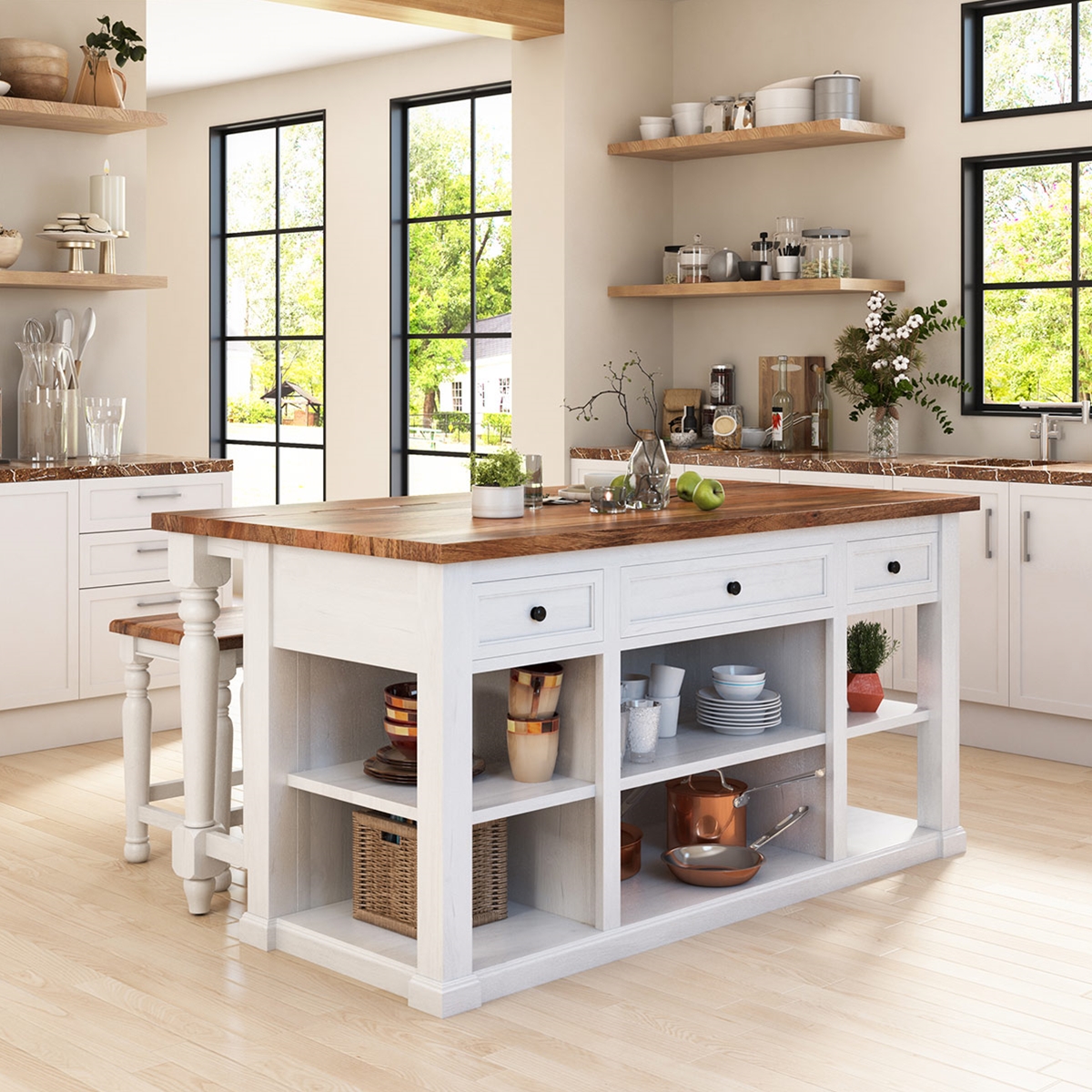
Smarter Ways to Plan a Functional Kitchen Island for Modern Living in 2026
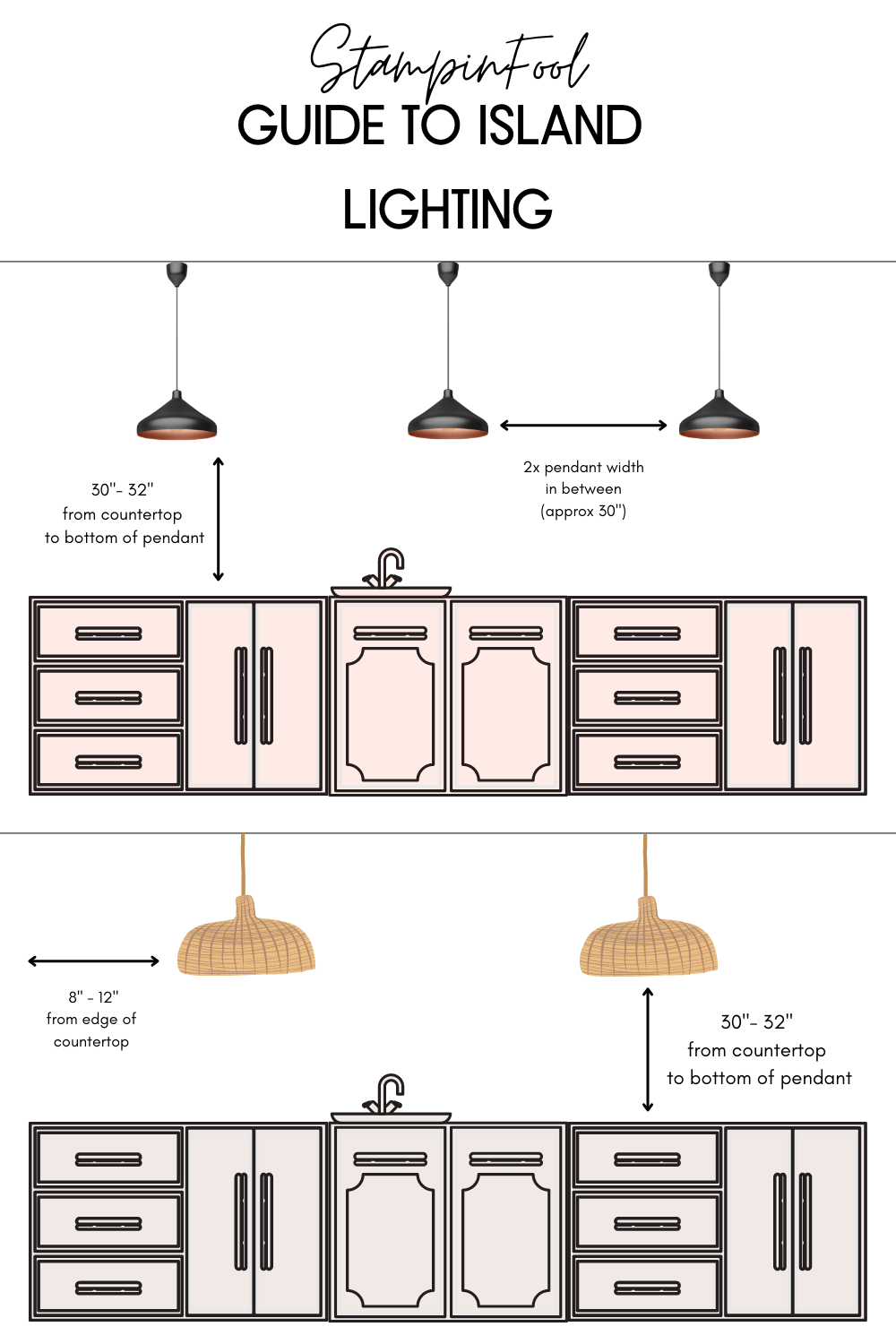
How to Layer Kitchen Island Lighting for Both Cooking and Gathering
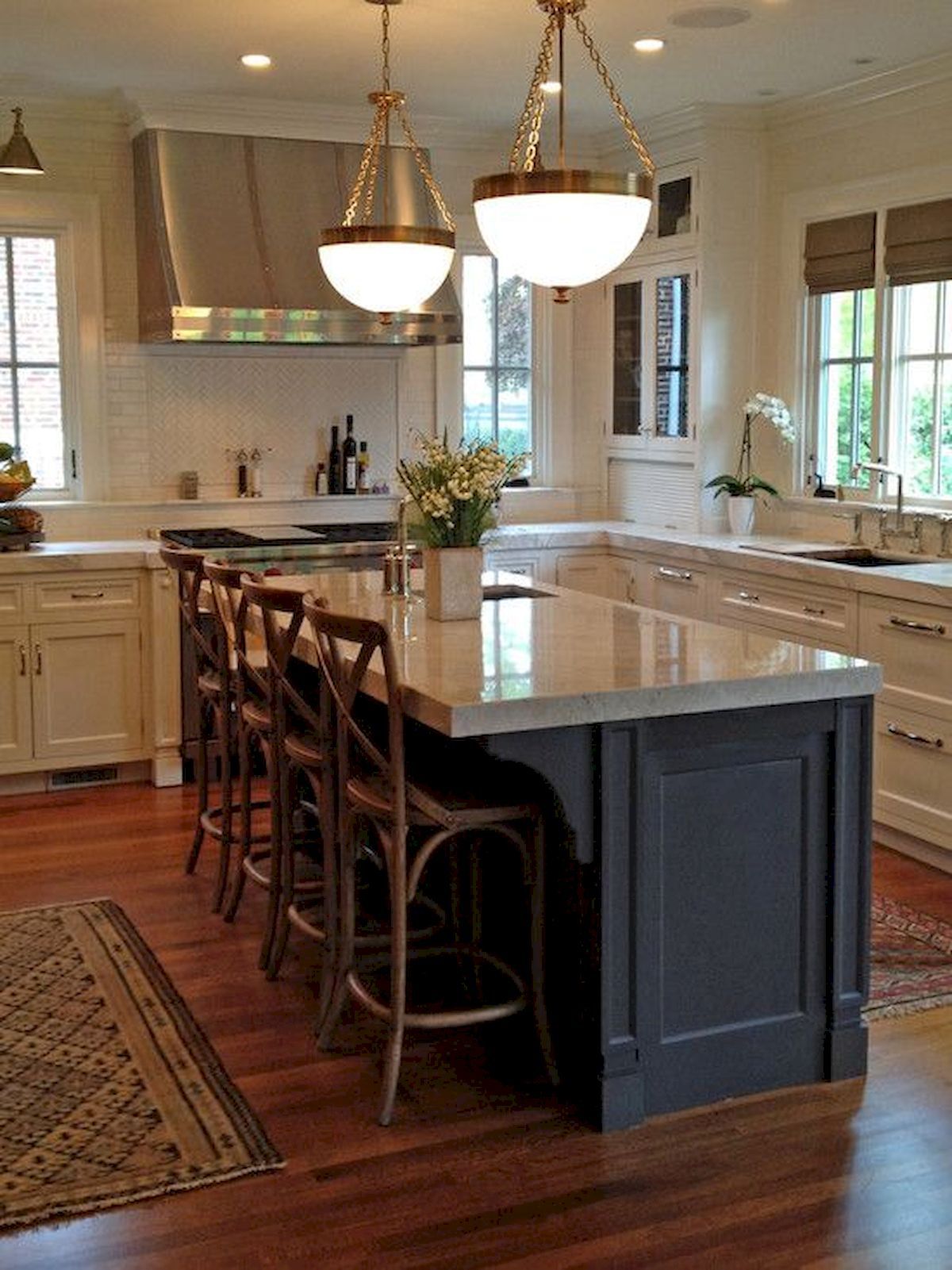
Rethinking Your Kitchen Island Layout With Ideas Grounded in Real Everyday Use

The practical benefits of using 24x48 porcelain stone effect tiles in homes

