What if your bedroom could be both calming and captivating? What if the most powerful design choices were also the simplest ones? The answer lies in the beautiful marriage of minimalist design principles and organic elements. This isn't just about removing clutter – it's about creating intentional, harmonious spaces that feel like a gentle hug from nature itself.
Think about the last time you truly relaxed in a space that felt right. Maybe it was a quiet corner of your home, or perhaps a place you visited that made you forget all your worries. That feeling – that sense of calm and belonging – is what we're aiming for when we talk about minimalist design with organic elements. In bedrooms specifically, this approach creates a sanctuary where your mind can unwind and your body can recharge. The beauty of this style lies not in its complexity, but in its ability to strip away distractions while keeping the essentials that matter most. It's about finding balance between simplicity and warmth, between clean lines and natural textures. Every element has purpose, every color has meaning, and every surface tells a story of intentional living.
Understanding Minimalist Philosophy
Minimalism isn't about having less stuff – it's about having what truly matters. In the bedroom context, this means focusing on items that enhance sleep quality, comfort, and peace of mind. The philosophy behind this approach comes from the idea that our physical environment directly impacts our mental state. When we remove unnecessary elements from our sleeping space, we create room for better rest. Consider how clutter can create mental chaos – even small items like scattered books, decorative objects, or extra pillows can contribute to stress. A minimalist bedroom helps reduce cognitive load, allowing your brain to focus on relaxation rather than decision-making. Think about your morning routine – do you want to start your day feeling overwhelmed by choices, or refreshed by a clean, uncluttered space? The minimalist approach makes that choice clear.
Embracing Natural Materials and Textures
The organic side of this design philosophy brings us back to basics – literally. Natural materials like wood, stone, linen, and cotton create a connection to the earth that's deeply comforting. These textures speak to our primal need for authenticity and grounding. Wood adds warmth and visual interest without overwhelming the space. Whether it's a solid wooden bed frame, natural bamboo flooring, or reclaimed wood accents, these elements provide a tactile experience that's hard to replicate with synthetic alternatives. Stone elements, even in small doses like a marble nightstand or natural stone accent wall, bring a sense of permanence and stability. Linen bedding offers breathability and softness that makes a difference in sleep quality. Cotton and hemp fabrics add that essential human touch that makes spaces feel lived-in rather than sterile. The key is choosing materials that age gracefully and develop character over time.
Color Palette Selection
Colors set the tone for any space, and in bedrooms, they play a crucial role in promoting relaxation and sleep. The minimalist approach favors neutral tones that feel calming and versatile. Earth tones – warm browns, soft beiges, and muted greens – naturally evoke feelings of serenity and connection to nature. These colors work beautifully because they're subtle enough to not compete with the peaceful atmosphere you're trying to create. White and cream are classic choices that offer clean, fresh looks while maintaining a softness that's perfect for bedtime. Black can be used sparingly for contrast and sophistication, but it should never dominate the space. Consider how different lighting affects these colors throughout the day – natural light will make whites appear brighter, while artificial lighting might shift the mood toward something warmer. The goal is to create a consistent, soothing environment regardless of the time of day.
Strategic Furniture Placement
In minimalist design, every piece of furniture must serve a purpose and contribute to the overall aesthetic. This means being very selective about what you bring into your bedroom. A bed is the obvious centerpiece, but how you position it matters. Ideally, the bed should be placed against a solid wall to create a sense of security and stability. This placement also allows for easier movement around the room and prevents the feeling of being enclosed or cramped. Consider the flow of traffic – there should be enough space to walk around the bed comfortably, especially during nighttime activities. Storage solutions should be integrated rather than intrusive. Built-in wardrobes or hidden storage boxes keep items out of sight while maintaining the clean lines that minimalist design values. Nightstands should be functional but minimal – one small table on each side of the bed is usually sufficient.
Lighting and Ambiance
Lighting plays a pivotal role in creating the right mood for rest and relaxation. In minimalist organic bedrooms, lighting should be layered and adaptable to different times of day and activities. Natural light is your best friend during the day – maximize it with minimal window treatments that allow sunlight to filter through softly. As evening approaches, you'll want to shift toward softer, warmer lighting options. Dimmable fixtures give you control over the intensity, allowing you to gradually transition from daytime brightness to evening calm. Table lamps and floor lamps with warm-toned bulbs create intimate spots for reading or reflection. Avoid harsh overhead lighting that can feel clinical and unwelcoming. Consider using candles or LED string lights for special moments when you want to create a more romantic or meditative atmosphere. The key is having multiple sources of light that can be adjusted based on your needs.
Practical Tips for Implementation
Starting with minimalist organic design doesn't have to be overwhelming. Begin by decluttering your current space – remove anything that doesn't serve a purpose or bring you joy. This process alone can transform your bedroom's energy. Next, focus on one element at a time – maybe start with bedding and gradually build from there. Choose one natural material to introduce first, such as a linen duvet cover or wooden nightstand. Keep a simple color palette in mind and stick to it. Don't rush the process – good design takes time to develop and feel right. Consider how you'll use the space daily – will you want easy access to items, or prefer a completely uncluttered look? Be honest about your lifestyle and design accordingly. Remember that this isn't about perfection – it's about creating a space that feels right for you and supports your well-being.
Creating a minimalist organic bedroom is more than just decorating – it's about crafting a personal retreat that supports your health and happiness. When done thoughtfully, this approach transforms your sleeping space from a mere room into a true sanctuary. The combination of clean design principles and natural elements creates a unique harmony that's both calming and energizing. You don't need expensive materials or complex layouts to achieve this effect. Sometimes the most powerful changes come from the smallest adjustments – choosing the right fabric, adding a few carefully selected plants, or simply rearranging your existing furniture. The journey toward this ideal space is ongoing, and that's perfectly fine. Each day you spend in your newly designed bedroom is a step toward better sleep, clearer thinking, and deeper peace. This isn't about following trends – it's about creating something that works for your life, your body, and your soul. Your bedroom deserves to be more than just a place to sleep. It should be a place where you truly feel at home.


Related Posts
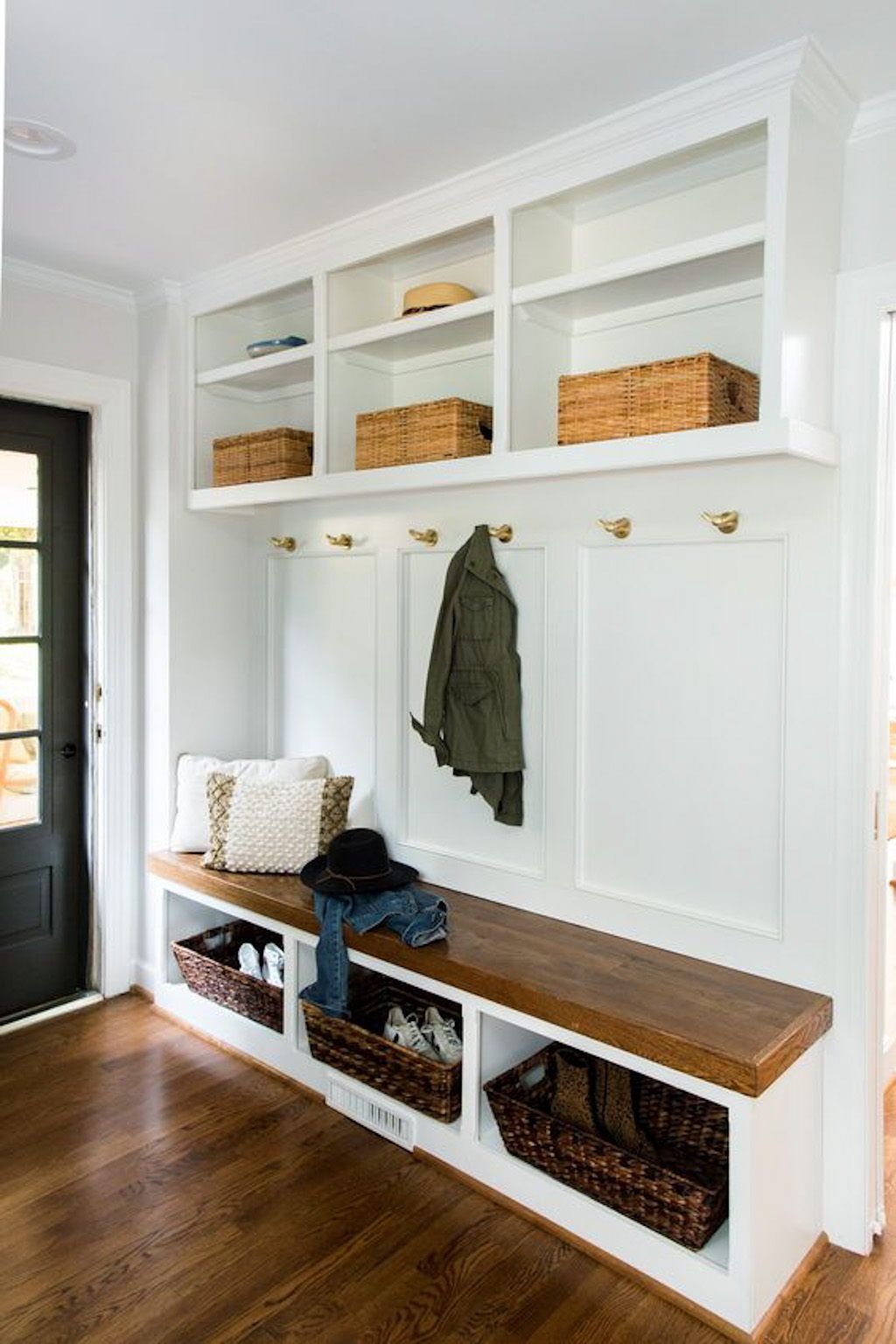
Small Space Solutions for a Mudroom Storage and Bench Without Clutter

Mudroom Storage Ideas That Keep a Busy Entryway Tidy
Eco-Friendly Solutions for Common Garden Pests
Winter Glow: How Designer-Led Lighting Transforms Cold Spaces into Cozy Retreats

Transform Your Space with These Rug Layering Techniques