
Imagine walking into a home where crisp white walls meet weathered wooden beams, where plush sofas sit beside handwoven textiles, and where the warmth of traditional craftsmanship blends effortlessly with today's comfortable lifestyle. This isn't just a dream – it's the beautiful reality of Mediterranean modern design. It's the harmonious marriage between the region's rich cultural heritage and our contemporary needs for comfort and functionality.
There's something magical about Mediterranean design – it speaks to our souls with its warm hues, natural materials, and timeless appeal. But what happens when you want to live comfortably in this aesthetic? You don't have to choose between old-world charm and modern convenience. The secret lies in understanding how to blend these two worlds beautifully. Think of it like cooking – you can honor traditional recipes while adding your own modern twists to create something entirely new yet familiar. This approach creates homes that feel both rooted in tradition and perfectly suited for today's lifestyle.
Understanding Mediterranean Design Principles
Mediterranean design isn't just about pretty colors and fancy tiles. It's built on core principles that have stood the test of time. These foundations include using natural materials like stone, wood, and clay, embracing open spaces that connect indoors and outdoors, and creating a sense of calm through earthy tones and soft textures.
The key is recognizing that Mediterranean style celebrates life itself – it's about creating spaces that invite conversation, relaxation, and connection with nature. Whether you're looking at a traditional Spanish villa or a Greek island cottage, you'll notice these elements working together seamlessly. The challenge for modern homeowners is maintaining these principles while meeting contemporary needs.
Consider the concept of 'patio living' – in traditional Mediterranean homes, outdoor spaces aren't just extensions of the house, they're integral to daily life. This philosophy translates beautifully into modern homes with large windows, sliding doors, and outdoor entertaining areas.
Color Palettes That Work Both Ways
Colors form the heart of Mediterranean aesthetics. Think terracotta, warm whites, deep blues, and earthy greens. These aren't just random choices – they reflect the landscape and climate of the Mediterranean region. But blending them with modern comfort means choosing colors that work in both traditional and contemporary settings.
The classic Mediterranean palette includes:
• Warm whites and cream tones that brighten spaces while maintaining elegance • Deep blue accents inspired by the Mediterranean Sea • Terracotta and burnt orange hues that add warmth and richness • Earthy greens from olive trees and gardens • Natural browns from wood and stone
Modern touches might include neutral grays or muted pastels to soften the traditional intensity. The trick is balancing boldness with comfort – you want your space to feel energizing yet relaxing.
Try layering different shades within the same color family. For instance, use various tones of blue – from sky blue to navy – to create depth without overwhelming the room. This approach works beautifully whether you're painting walls or selecting furniture.
Natural Materials and Textures
One of the most powerful aspects of Mediterranean design is its reverence for natural materials. Stone, wood, clay, and woven fabrics all tell stories of place and craftsmanship. In modern homes, this translates to mixing traditional textures with contemporary comfort.
Stone surfaces, whether in kitchen countertops or bathroom vanities, bring permanence and beauty to any space. They're durable, easy to maintain, and carry that authentic Mediterranean feel. But don't let the stone intimidate you – modern stone can be sleek and clean while retaining its rustic character.
Wood adds warmth and soul to a space. Whether it's exposed wooden beams, reclaimed floorboards, or carved furniture pieces, wood brings life and character. In contemporary settings, you might see smooth, polished wood finishes rather than rough, weathered ones, but the essence remains the same.
Textiles play a crucial role too. Throw pillows, area rugs, and curtains in natural fibers like cotton, linen, and wool create comfort and visual interest. These materials breathe well, feel good against skin, and provide that tactile satisfaction we crave in our homes.
The combination of hard and soft elements creates balance. You might have a stone fireplace surrounded by soft, plush seating – the contrast makes everything feel more alive and dynamic.
Open Floor Plans and Flow
Traditional Mediterranean homes often feature open layouts that encourage movement and interaction. This concept works wonderfully in modern homes too, especially when you consider how much we value connectivity in our daily lives. The idea isn't just about having lots of space – it's about creating seamless transitions between different areas of your home.
An open plan allows natural light to flow freely through rooms, creating an airy, spacious feeling that's both practical and beautiful. Think of how a typical Mediterranean courtyard brings together multiple areas under one roof. Modern interpretations might include a kitchen that flows directly into a living room, or a dining area that opens onto a garden.
But openness doesn't mean chaos. Good design creates zones within the open space. You might have a dining area defined by a rug, or a kitchen island that subtly separates the cooking area from the living space. The key is maintaining visual continuity while establishing clear purpose for each area.
Consider how you actually use your space. Do you entertain frequently? Then make sure there's a welcoming area for guests. Are you a home cook? Then ensure your kitchen flows naturally with your dining and living areas. These practical considerations help create a design that feels both beautiful and functional.
Lighting and Ambiance
Lighting in Mediterranean design is more than just illumination – it's about creating atmosphere and mood. Traditional homes relied heavily on natural light, with large windows and courtyards bringing in daylight. Today, we can enhance this with thoughtful artificial lighting that maintains that warm, inviting feel.
Natural light is your best friend in Mediterranean-style homes. Large windows, skylights, and glass doors allow sunlight to dance across walls and floors. During the day, these elements make spaces feel expansive and cheerful. At night, they provide a foundation for beautiful ambient lighting.
Artificial lighting should complement rather than compete with natural light. This means using layered lighting – general overhead lights, task lighting for specific activities, and accent lighting to highlight architectural features or artwork. Consider warm LED bulbs that mimic the golden glow of traditional candles or oil lamps.
Outdoor lighting plays a special role too. String lights, lanterns, and low-profile fixtures can transform your patio or garden into a magical evening space. These elements extend the Mediterranean experience beyond the walls of your home.
Don't forget about dimmer switches. They give you control over the mood of your space throughout the day. A bright, energizing setting for morning coffee, a softer, more intimate glow for evening reading, or dramatic lighting for dinner parties – dimmers offer versatility that enhances both comfort and aesthetics.
Practical Tips for Implementation
Transforming your home into a Mediterranean-modern haven doesn't require a complete renovation. Here are some practical strategies to get started:
Start small with statement pieces – a beautiful tile backsplash, a vintage-inspired chandelier, or a handwoven rug can instantly change the feel of a room. You don't need to overhaul everything at once.
Focus on texture and layering – mix smooth surfaces with rough ones, shiny with matte, soft with hard. This creates visual interest and tactile satisfaction.
Choose furniture that balances form and function. Look for pieces that are comfortable enough for daily use but elegant enough to serve as design focal points.
Incorporate plants and natural elements – they bring life to any space and help maintain that connection to the outdoors that Mediterranean design celebrates.
Pay attention to proportions – Mediterranean spaces often feel comfortable because they maintain balanced proportions. Avoid overcrowding rooms with too many large pieces.
Consider the flow of traffic – make sure pathways are clear and that furniture arrangement supports natural movement patterns.
Remember that blending these styles is ultimately about personal preference and lifestyle. What matters most is that your home feels like a true reflection of who you are and how you want to live.
Common Mistakes to Avoid
While blending these two design approaches can create stunning results, there are pitfalls to watch out for:
Overcomplicating the look – Sometimes people try to include too many elements at once, leading to a cluttered appearance. Remember that less can be more in Mediterranean design.
Ignoring practicality – Just because something looks good doesn't mean it's suitable for daily life. Make sure your choices work with how you actually live.
Mismatched periods – Mixing modern and traditional elements requires careful consideration. Don't just throw a contemporary sofa into a traditionally decorated room without considering the overall harmony.
Neglecting scale – Large, ornate pieces can overwhelm small spaces, while tiny items can get lost in big rooms. Balance is essential.
Forgetting about maintenance – Some Mediterranean elements, like natural wood or stone, require more care than others. Consider your lifestyle before making major choices.
Not thinking about the whole space – Individual pieces might look great, but they need to work together as a cohesive unit. Step back and evaluate the overall effect regularly.
Blending contemporary comfort with traditional Mediterranean aesthetics isn't about following rigid rules – it's about finding what works for your lifestyle while honoring timeless design principles. The result is a home that feels both deeply rooted in culture and perfectly suited to modern living. When done right, this fusion creates spaces that are not just beautiful to look at, but genuinely comfortable to inhabit. Whether you're starting from scratch or updating existing spaces, remember that the best Mediterranean-modern homes are those that feel authentic to their owners. They reflect personal style while respecting the rich traditions that make Mediterranean design so enduringly appealing. The journey toward this perfect balance is as rewarding as the destination itself.


Related Posts
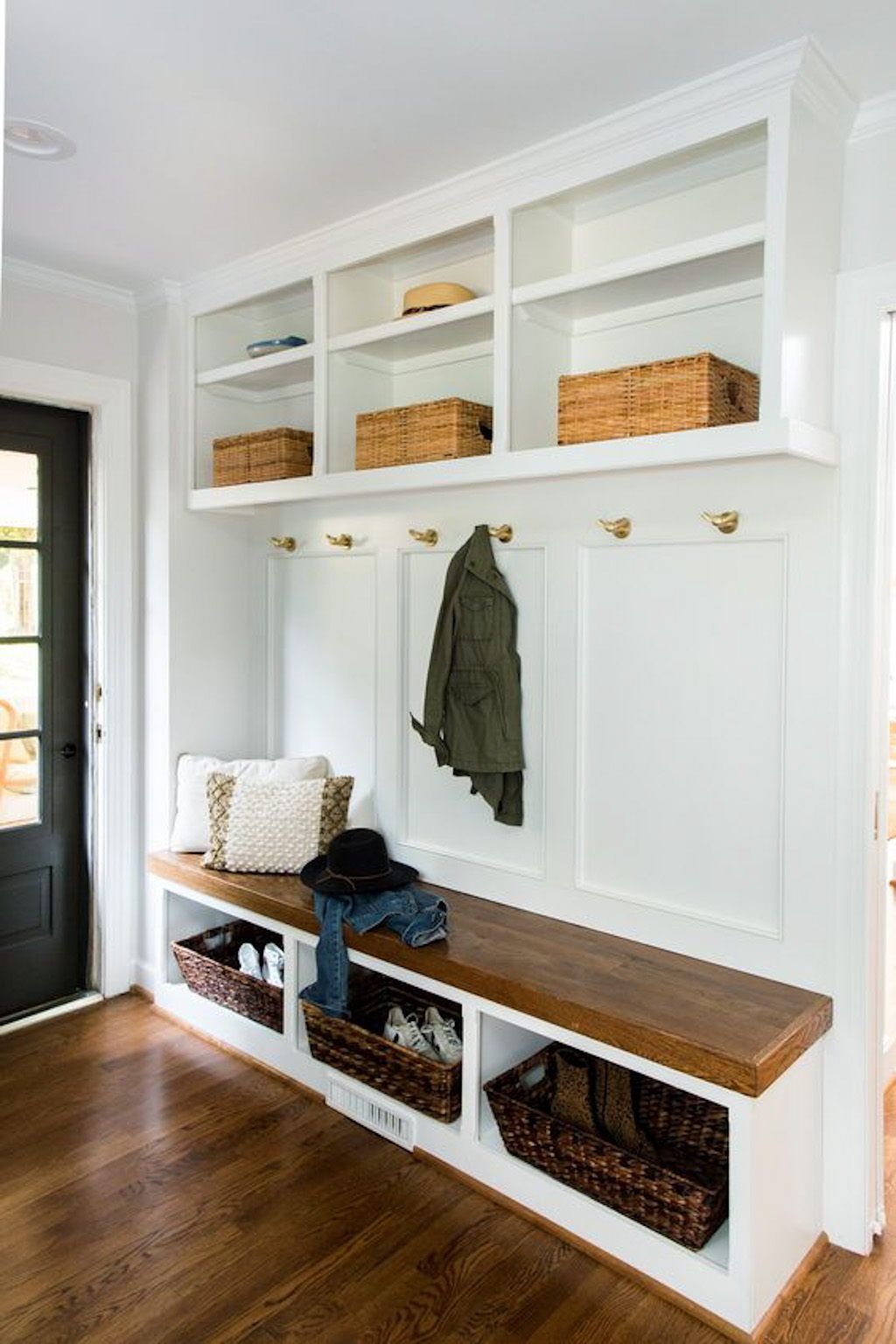
Small Space Solutions for a Mudroom Storage and Bench Without Clutter
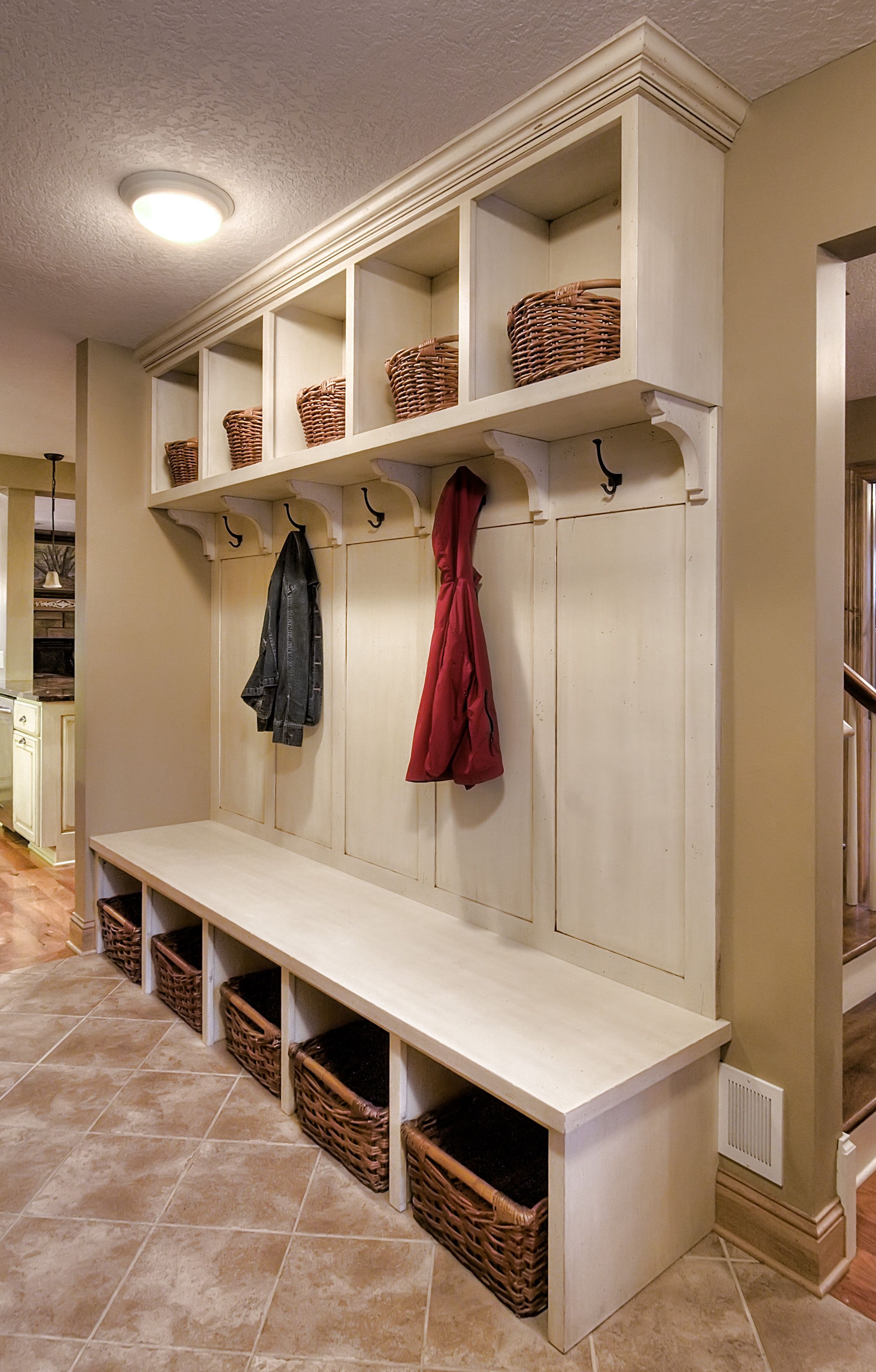
Mudroom Storage Ideas That Keep a Busy Entryway Tidy
Eco-Friendly Solutions for Common Garden Pests
Winter Glow: How Designer-Led Lighting Transforms Cold Spaces into Cozy Retreats

Transform Your Space with These Rug Layering Techniques

