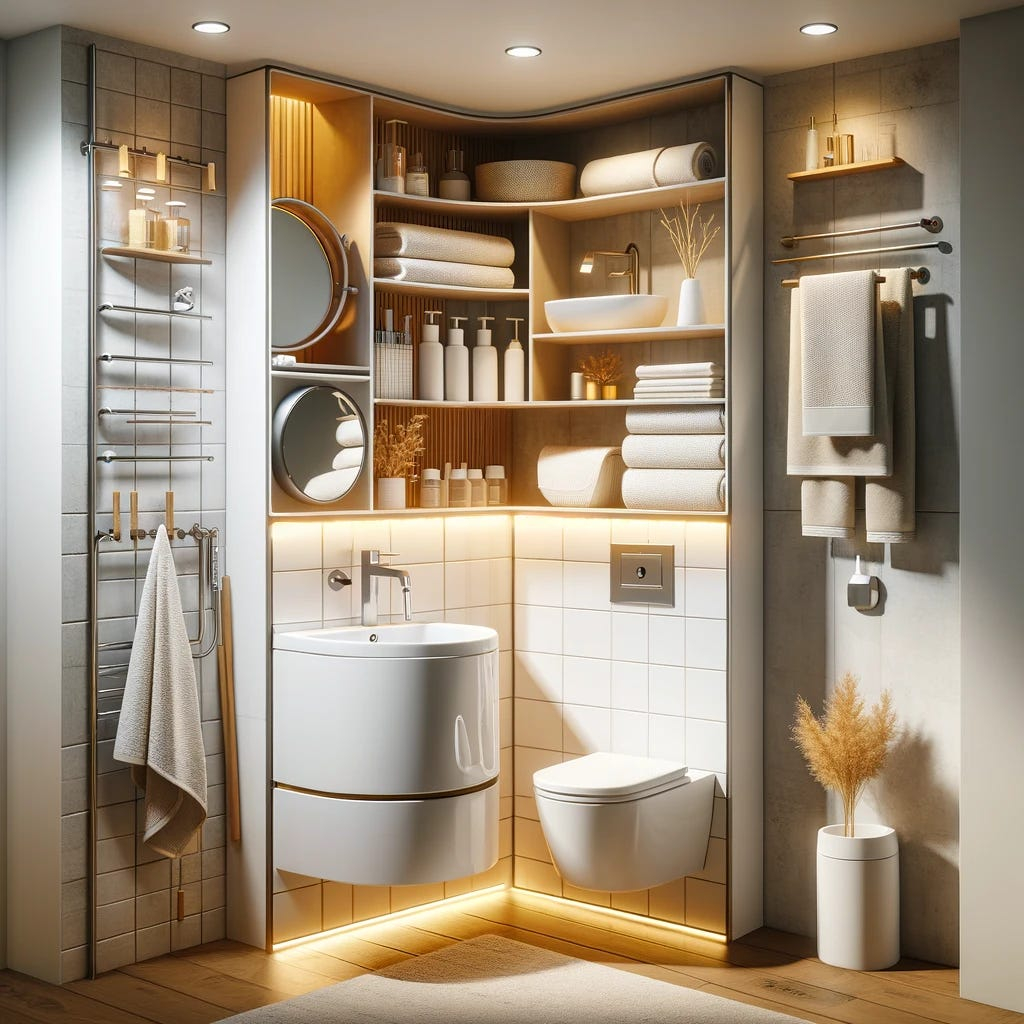
When you think about bathroom fixtures, vessel sinks might seem like simple additions to a vanity. But these elegant pieces have evolved far beyond their basic purpose. They've become powerful design statements that can completely redefine a space. What started as practical solutions for small bathrooms has transformed into sophisticated architectural elements that speak to our aesthetic sensibilities.
Modern vessel sinks represent a fascinating intersection of form and function. These bowls that sit atop vanities aren't just about filling water containers anymore. They're sculptural elements that influence the entire character of a bathroom. Whether you're planning a complete renovation or simply looking to refresh your space, understanding how these fixtures work is crucial. The right vessel sink can elevate a simple vanity into a focal point, creating visual harmony or dramatic contrast depending on your preferences.
Shape and Silhouette
The silhouette of a vessel sink is perhaps its most defining characteristic. Different shapes create entirely different moods and atmospheres. Round sinks often bring a sense of calm and continuity, while angular designs add energy and modernity. Consider how the shape interacts with the surrounding space - a tall, slender vessel can make a narrow vanity feel more substantial. Square and rectangular options offer clean lines that pair well with contemporary aesthetics. Curved edges soften the overall look, while sharp angles create bold statements. Some designers even incorporate asymmetrical elements to add visual interest.
Material Matters
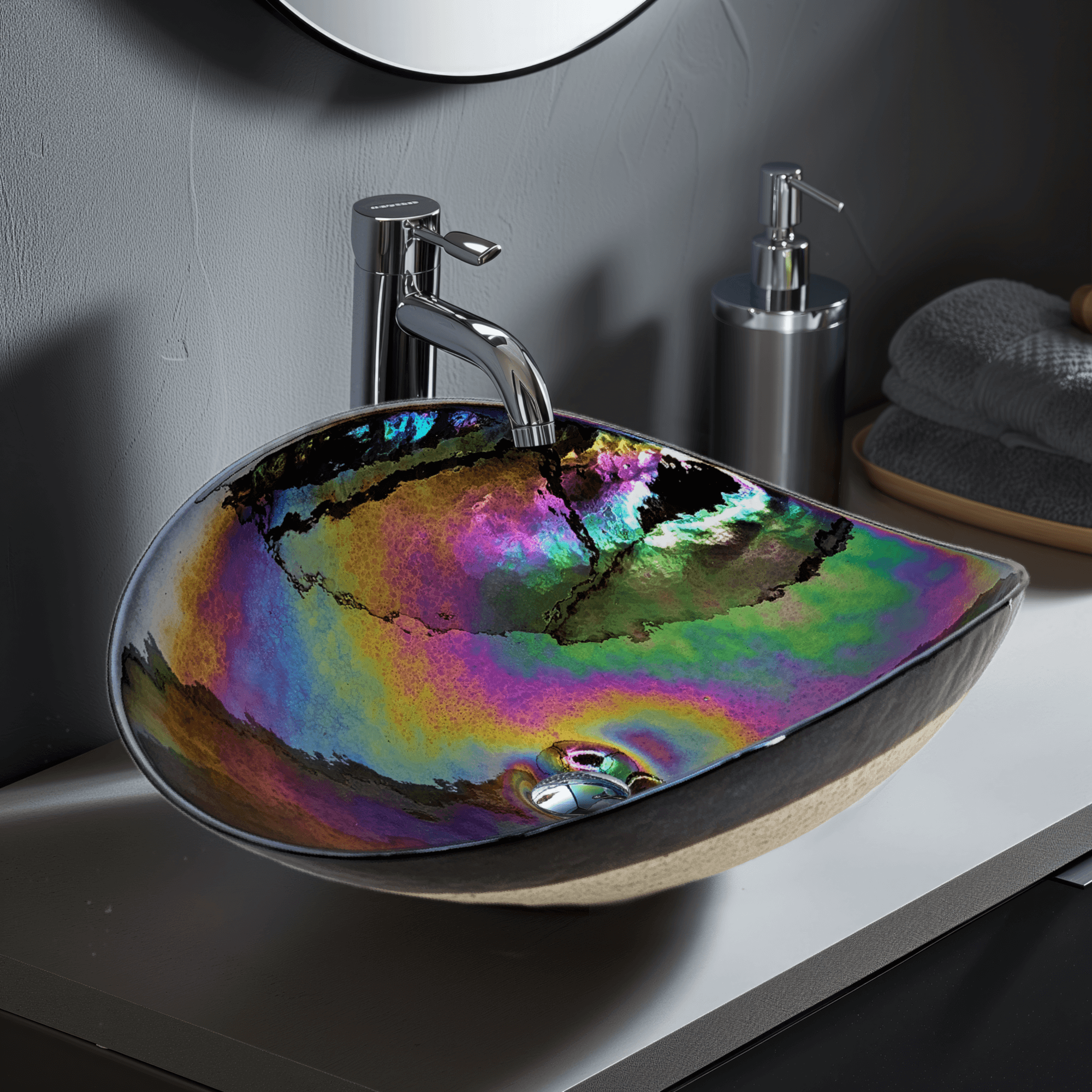
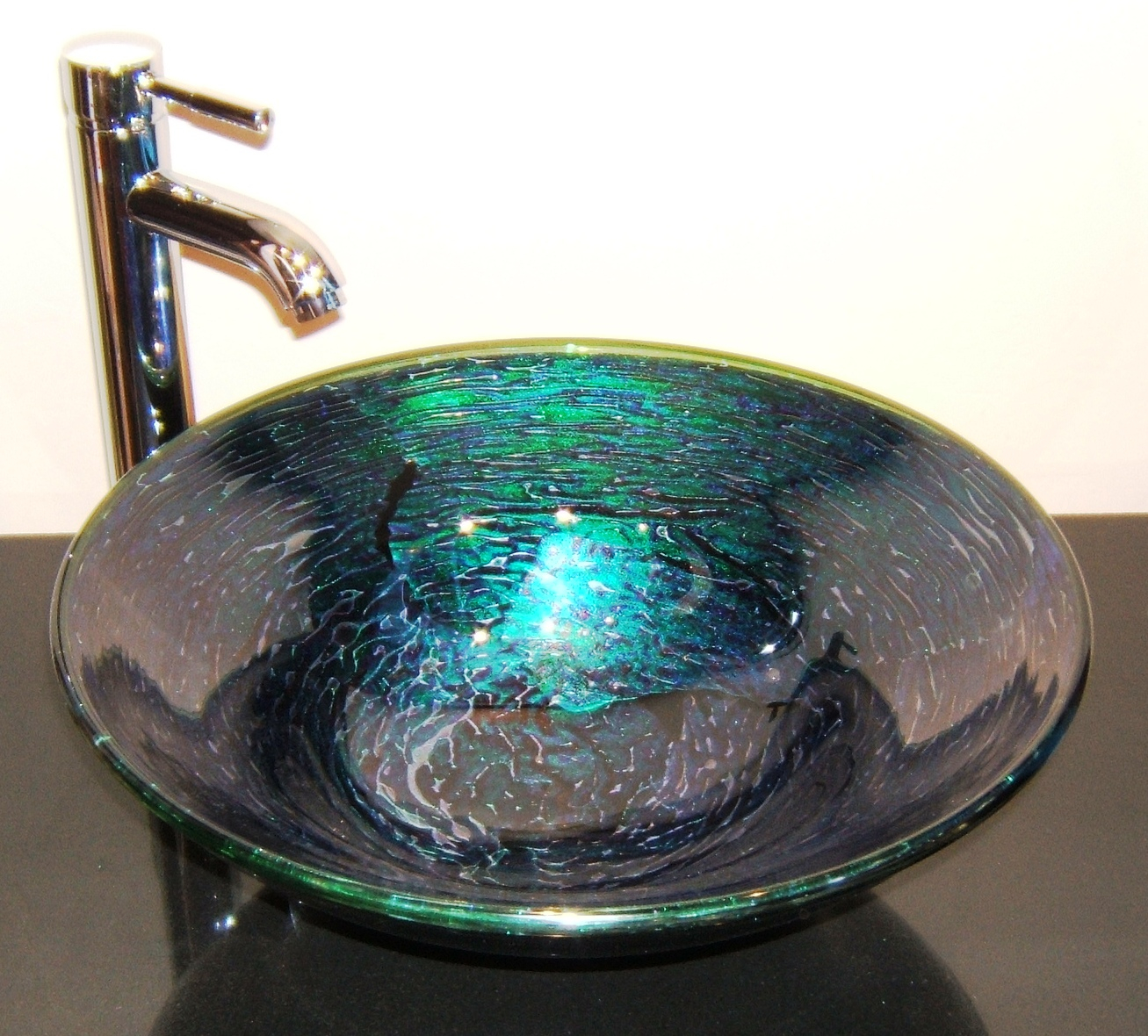
What a vessel sink is made of significantly impacts both its appearance and performance. Ceramic remains popular for its timeless appeal and wide range of colors. Glass sinks provide transparency and lightness, making small spaces feel larger. Stainless steel offers durability and a sleek, industrial vibe. Natural stone brings organic textures and unique veining patterns that no two pieces share. Wood accents add warmth and create interesting contrasts. Each material comes with its own set of maintenance requirements and visual characteristics. For instance, glass requires careful cleaning to prevent streaks, while stone may need periodic sealing.
Size and Proportion
Proportionality makes or breaks a vessel sink installation. A large sink might overwhelm a small vanity, while a tiny bowl could get lost in a spacious setting. The relationship between sink dimensions and vanity size matters tremendously. Think about the overall balance - if you have a wide vanity, a smaller sink might create visual tension. Conversely, a narrow vanity needs a proportionally scaled sink to avoid feeling empty. Consider the height too; taller vessels can create drama, while low-profile options maintain a streamlined appearance. The depth of the basin affects both usability and visual impact.
Mounting Styles
How a vessel sink attaches to the vanity dramatically changes its appearance and functionality. Top-mount options create a classic look with visible edges that can frame the sink beautifully. Undermount installations give a seamless, integrated feel that makes the sink appear to float. Semi-recessed styles offer middle ground, combining the best of both approaches. Each mounting style affects the visual weight of the fixture and how light reflects off surfaces. Top-mount sinks are generally easier to install and maintain, while undermount designs require more precise measurements and professional installation.
Color and Finish
The color palette of a vessel sink sets the tone for an entire bathroom. Classic whites remain versatile choices that complement most design schemes. Bold colors like deep blues or emerald greens can serve as striking focal points. Matte finishes create subtle sophistication, while glossy surfaces reflect light and make spaces feel brighter. Metallic finishes add luxury and can coordinate with hardware selections. Some manufacturers offer custom color options, allowing homeowners to match their vision precisely. The finish also influences how the sink ages and whether it will show water spots or fingerprints easily.
Practical Considerations
While aesthetics matter enormously, functionality shouldn't be overlooked. Drain placement affects how easily you can wash hands and fill containers. The width of the opening determines what types of items you can comfortably fit inside. Water flow patterns and basin depth influence daily usability. Consider how much maintenance each type requires - some materials need special cleaners or treatments. The overall size must accommodate your typical routine without feeling cramped. Budget considerations also play a role, as premium materials and custom options come with higher price tags. Think about how the sink will age over time and whether it will still suit your taste years from now.
Vessel sinks have transcended their original role as simple bathroom fixtures to become important design elements that shape our living spaces. Understanding these fundamental aspects helps you make informed decisions that balance beauty with practicality. Whether you're drawn to the classic elegance of ceramic or the modern appeal of glass, each element works together to create a cohesive bathroom experience. The key lies in considering how each component contributes to your overall vision. Remember, a vessel sink isn't just about holding water - it's about expressing your personal style and creating a space that feels authentically you. The investment in thoughtful selection pays dividends in daily satisfaction and long-term enjoyment of your bathroom sanctuary.
Related Posts
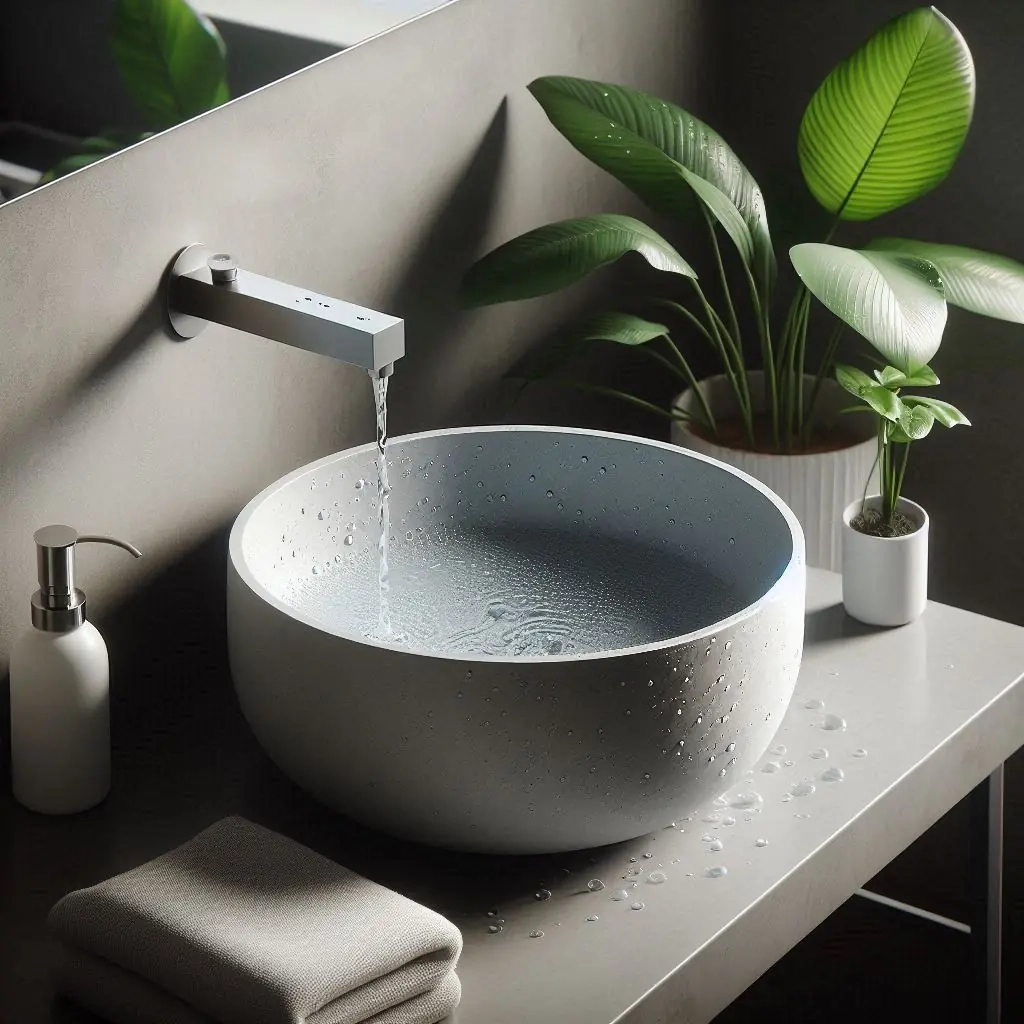
How Ceramic Vessel Sinks Enhance Bathroom Aesthetics and Functionality
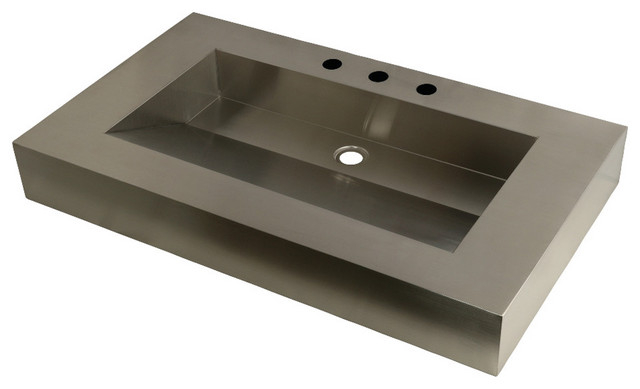
Design and Durability Analysis of the Kingston Brass GLTS37225 Brushed Basin
Choosing the Perfect Small Undermount Sink for Your Home Decor
Material Durability and Maintenance of Kingston Brass VPB24187W4 Ceramic Sink
Expert Insights on Choosing the Right Sink for Your Bathroom Renovation