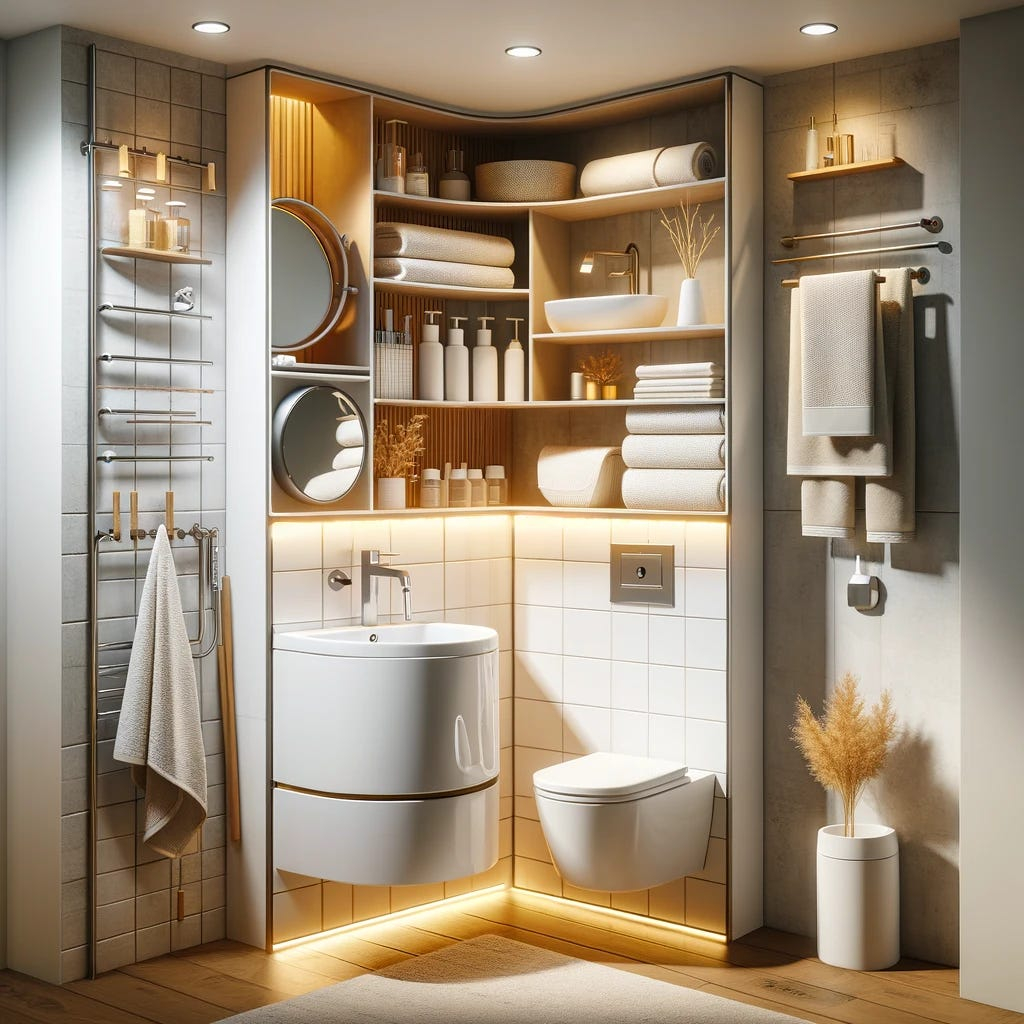
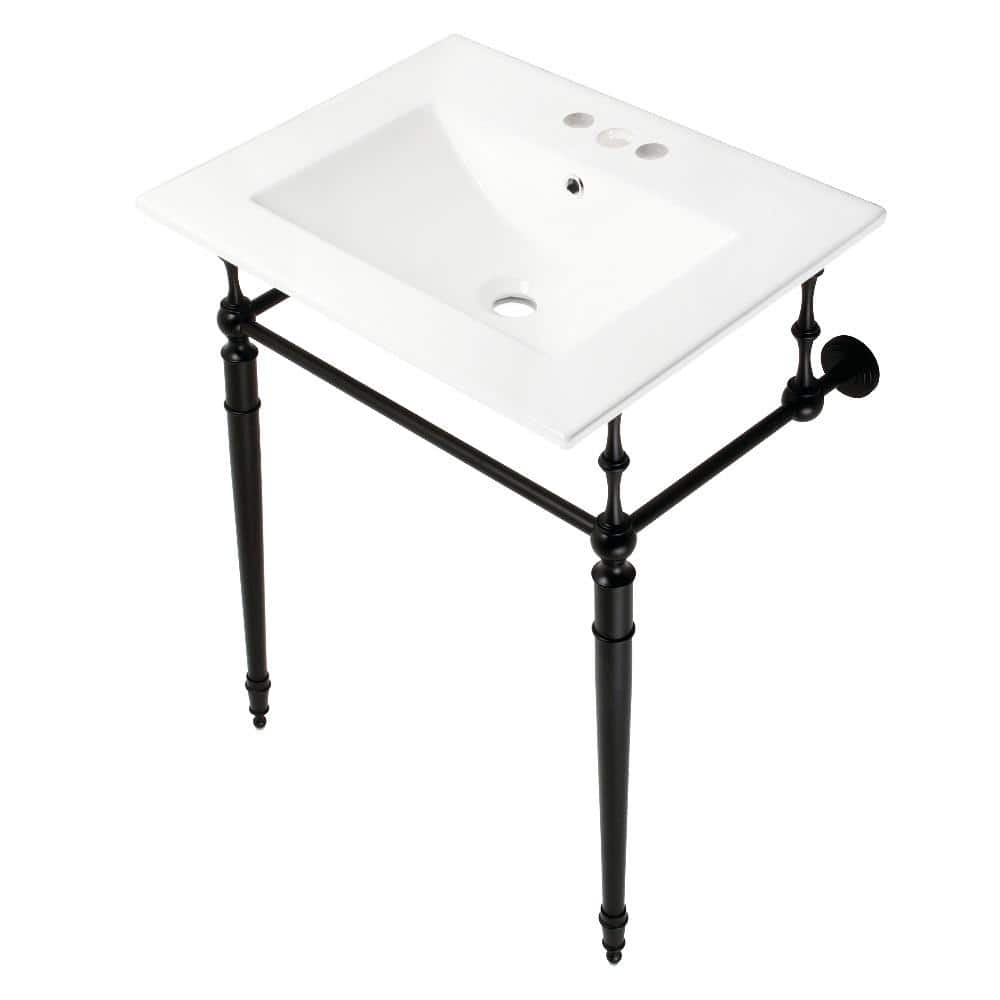
Picture this: a bathroom that feels spacious despite its compact size, where every inch serves a purpose, and where style meets practicality. That's exactly what you can achieve with a well-planned 25x22 vanity countertop setup featuring four faucets. It's not just about fitting more fixtures in a smaller space – it's about creating a harmonious environment that works for your daily routine.
When it comes to bathroom design, especially in smaller spaces, every square foot matters. The 25x22 vanity countertop dimension might seem restrictive at first glance, but with thoughtful planning and creative thinking, it can become a canvas for both functionality and aesthetic appeal. Adding a four-faucet setup to this equation creates a unique challenge and opportunity – how do you maximize both space and style when you have limited room? This isn't just about fitting fixtures in a corner. It's about understanding spatial relationships, workflow efficiency, and how to create a sense of openness even within confined boundaries. The key lies in how you approach the design elements, from fixture placement to storage solutions.
Understanding the 25x22 Constraint
Let's start with the basics. A 25x22 vanity means you've got approximately 550 square inches of countertop space to work with. That's roughly the size of a large dinner plate spread across two feet in width and nearly two feet in depth. This measurement often appears in homes with older layouts or in bathrooms that were originally designed differently. The challenge isn't necessarily that it's small, but rather that it requires strategic thinking. You're essentially working within a very defined space that needs to accommodate multiple functions without feeling cramped. Think about how you move around this area – do you prefer one side for your morning routine and another for evening grooming? Understanding your personal habits helps determine how best to utilize the available space. When you consider that four faucets will be involved, you quickly realize that this space needs to feel generous, not tight. It's like having a small stage – you want to make the most of every inch while ensuring there's still room for comfortable movement. What if you could make this space feel larger than its actual dimensions?
The Four-Faucet Advantage
Why go with four faucets instead of the standard two? The answer often lies in lifestyle and family needs. Imagine a household where multiple people use the bathroom simultaneously – perhaps parents helping children with their morning routines or guests needing different water temperatures. Having four faucets allows for parallel usage without conflicts. It's also common in households with special needs or elderly family members who require assistance with daily activities. The setup can include two standard faucets for general use, one for hand washing, and another for specialized tasks. This configuration creates distinct zones within the space. One area handles quick wash-ups, another provides comfort for detailed hygiene, and the remaining two offer flexibility for various situations. It's like having multiple entry points to a room – each serving a slightly different purpose. The key advantage is not just the number of fixtures, but how they're distributed throughout the available area. How do you ensure that each faucet has enough room to function properly while maintaining a cohesive look?
Strategic Placement Techniques
Placement is everything in a 25x22 space. You can't simply line up all four faucets along one wall. Instead, think about creating a flow that feels natural and intuitive. Consider placing two faucets on opposite sides of the vanity, allowing for easy access from both ends. This creates a balanced appearance and ensures that no one person has to navigate around others. The third and fourth faucets can be positioned in a way that supports the primary user's workflow. For instance, if someone typically brushes their teeth on the left side, placing a mirror and one faucet on that side makes logical sense. What if you could make the space feel like it has more depth? Strategic placement can actually create visual illusions of more space. You might position a sink on the far end, creating a visual anchor that draws attention away from the narrowness of the space. This technique relies heavily on how light reflects off surfaces and how the eye travels across the area.
Storage Solutions That Work
With limited space, storage becomes critical. You'll want to maximize vertical and horizontal storage options without overwhelming the visual balance. Consider cabinets that extend from floor to ceiling, creating a sense of height and organization. Floating shelves can add both storage and display space while keeping the floor area clear. The key is to choose storage solutions that complement the overall design aesthetic. If you're going for a modern look, sleek, minimalist cabinets work well. For traditional styles, consider wood grain finishes that blend seamlessly with existing elements. Drawer organizers are particularly useful because they keep items neatly arranged while maintaining an open appearance. What happens when you stack your storage smartly? You can actually make the space feel less cluttered even with a lot of items stored inside. The secret lies in choosing storage that matches the proportions of your vanity and doesn't compete visually with the fixtures themselves.
Lighting and Visual Enhancements
Good lighting can make or break a bathroom's feel. In a 25x22 space, proper illumination becomes even more important. You want to avoid shadows that can make the area feel smaller or darker. Installing multiple light sources helps distribute illumination evenly across the entire vanity area. Task lighting over each sink area ensures that details like brushing teeth or applying makeup are well-lit. Ambient lighting provides general brightness for getting ready in the morning. Consider LED strips behind mirrors or under cabinet areas to create a soft glow that enhances the overall atmosphere. Mirrors play a crucial role too – a large mirror placed strategically can reflect light and create an illusion of greater space. What if you could make this small space feel like a grander room through clever lighting choices? The right combination of brightness and warmth can transform the entire perception of the space.
Material Choices and Design Harmony
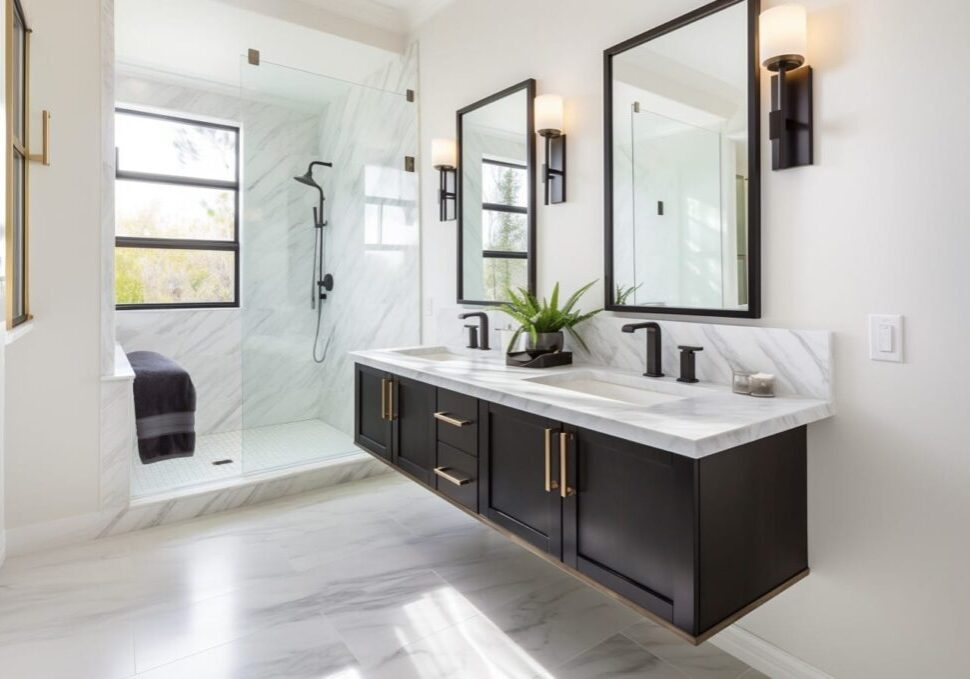
The materials you choose for your vanity and fixtures significantly impact both the space's functionality and visual appeal. For a 25x22 area, selecting materials that enhance rather than compete with the available space is essential. Light-colored countertops like white marble or light quartz create a sense of openness and cleanliness. Darker materials can make the space feel cozy but may also contribute to a cramped feeling if not balanced properly. The contrast between materials should be intentional and harmonious. For example, pairing a light countertop with dark cabinetry can create visual interest without overwhelming the senses. Consider how materials age over time – some surfaces show wear more prominently than others. Choosing durable, easy-to-clean materials is particularly important in high-use spaces. What if you could select materials that make maintenance easier while also contributing to the space's beauty?
Creating a successful 25x22 vanity with a four-faucet setup isn't about fitting more things into a smaller space – it's about designing with intention and purpose. Every element, from fixture placement to material selection, should support both functionality and aesthetics. The key is understanding that limitations can actually lead to creativity. When you work within constraints, you're forced to think more carefully about priorities and make deliberate choices. The result is often a space that feels more considered and refined than one that simply has more room. Whether you're renovating an existing bathroom or designing a new one, remember that the goal isn't just to fit everything in, but to make every part work together beautifully. Sometimes the most impressive designs come from the most challenging spaces. What if you could take these principles and apply them to any bathroom, regardless of size? The fundamental concepts remain the same – focus on flow, consider the user experience, and never underestimate the power of thoughtful design.


Related Posts
How Ceramic Vessel Sinks Enhance Bathroom Aesthetics and Functionality
Design and Durability Analysis of the Kingston Brass GLTS37225 Brushed Basin
Choosing the Perfect Small Undermount Sink for Your Home Decor
Material Durability and Maintenance of Kingston Brass VPB24187W4 Ceramic Sink
Expert Insights on Choosing the Right Sink for Your Bathroom Renovation