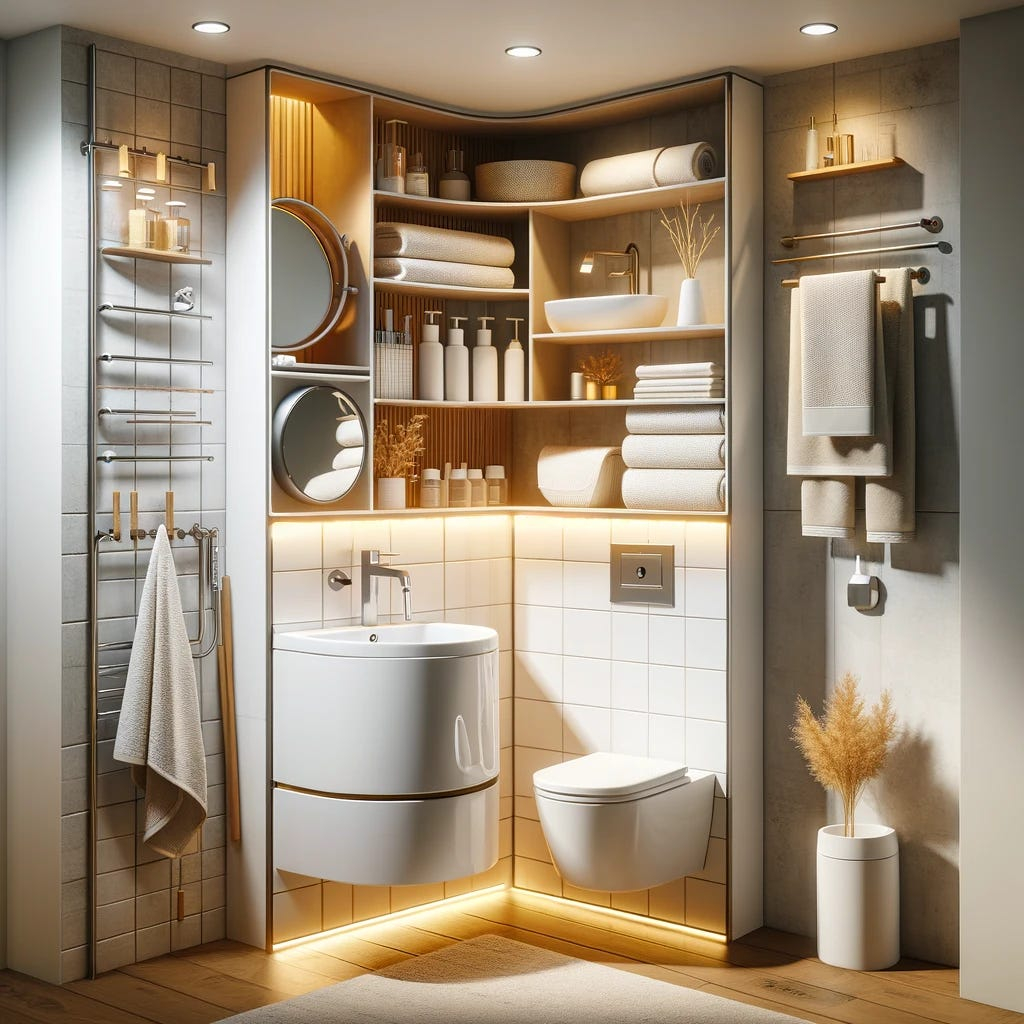
Picture this: You're standing in a bathroom that's barely bigger than a closet, yet somehow it feels spacious, organized, and perfectly functional. That's the magic of compact bathroom solutions. These clever designs have revolutionized how we think about small spaces, proving that size doesn't determine comfort. Whether you're dealing with a studio apartment, a converted garage, or simply a bathroom that won't grow any larger, these innovative approaches can make all the difference between feeling cramped and feeling at home.
In our modern world, space is often at a premium. Urban living, smaller homes, and creative renovations have made compact bathroom solutions more than just a trend—they're a necessity for many. But what exactly makes these designs work so well? It's not just about fitting more stuff into less room. It's about reimagining how we use every square foot. Think of it like a puzzle where each piece has to serve multiple purposes. When done right, a compact bathroom can feel more spacious than a traditional one. The secret lies in smart planning, strategic storage, and thinking beyond conventional boundaries. What if your bathroom could do everything a larger one could, but in half the space?
The Psychology of Small Spaces
When we talk about compact bathrooms, we're really talking about psychology as much as architecture. Our brains naturally perceive spaces differently when they're smaller. A bathroom that's too cramped can feel oppressive, while one that's thoughtfully designed can feel cozy and intimate. The key is understanding how people actually interact with their bathroom environment. People want their space to feel welcoming, not restrictive. They want everything within reach, yet they don't want to feel like they're constantly bumping into things. Consider the difference between a bathroom where you have to step around a tub to get to the sink versus one where everything flows smoothly. That seamless transition creates a sense of calm that's hard to achieve in chaotic spaces. The right design makes you forget you're in a small area because it works so well. It's like having a well-organized desk versus a cluttered one—both might hold the same items, but one feels completely different to use.
Smart Storage Solutions
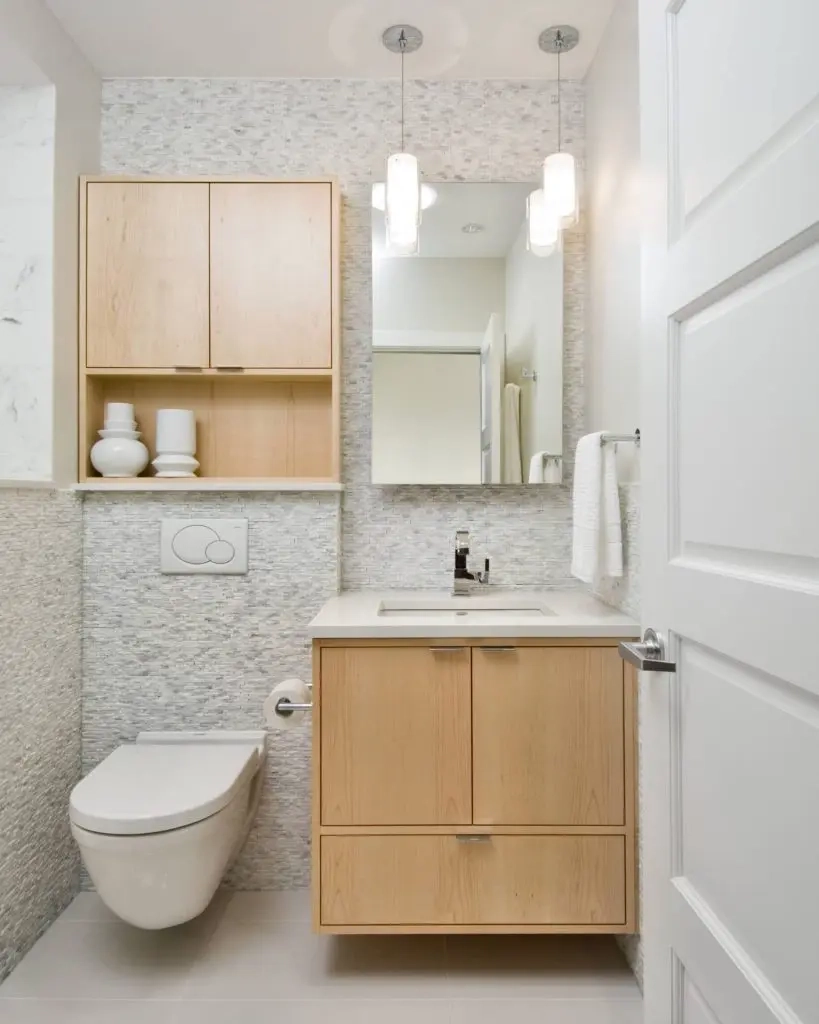
Storage is where compact bathrooms really shine. Instead of looking at cabinets as mere containers for toiletries, consider them as part of the overall aesthetic. Vertical storage maximizes the available space, turning walls into organizational heroes. Think of those tall, narrow shelves that go from floor to ceiling. They're perfect for keeping towels, cleaning supplies, and even decorative items out of sight but easily accessible. Built-in storage eliminates the need for bulky freestanding units that take up precious floor space. These custom solutions can be designed to match your exact dimensions and preferences. For example, a medicine cabinet that spans the entire width of a vanity can provide abundant storage without taking up extra room. The concept of "hidden" storage is crucial. Items that aren't immediately visible still need to be accessible, so clever placement matters enormously. Pull-out trays, adjustable shelving, and even hidden compartments behind doors can make a dramatic difference in how much you can store. Sometimes, the most effective solution is the one you don't see at first glance. What if you could store everything you need without creating visual clutter?
Multi-Purpose Design Elements
This is where creativity meets functionality. In compact spaces, every element needs to serve more than one purpose. A vanity that doubles as storage, a shower that also functions as a bath, or a toilet that includes a built-in seat warmer. These innovations might seem like luxury items, but they're actually practical necessities for small spaces. The concept of "flexibility" becomes paramount. A room that can transform its function based on the time of day or user needs is incredibly valuable. Consider a bathroom with a fold-down table that can become a makeup station during the morning routine and a reading nook in the evening. Or a shower that can be converted into a full bath with the simple addition of a panel. These elements don't just save space; they add value to the daily experience. How often do you find yourself needing two different functions in the same area? Multi-purpose furniture can address that need efficiently. The goal isn't just to fit everything in, but to make everything work better.
Lighting and Visual Impact
Lighting plays a crucial role in how compact spaces feel. Proper illumination can make a small bathroom appear twice its actual size. Natural light is always ideal, but when that's not possible, artificial lighting must be carefully considered. The right combination of ambient, task, and accent lighting creates depth and dimension. A single overhead fixture might seem sufficient, but layered lighting adds visual interest and makes the space feel more expansive. Mirrors aren't just for checking your appearance—they're powerful tools for creating the illusion of space. Large mirrors reflect light and make walls appear farther away. Strategically placed mirrors can double the perceived size of a room. Even small bathroom mirrors can be enhanced with LED strips or backlit edges to draw attention upward. Color choices also affect perception. Light colors reflect light, while dark colors absorb it. This principle applies whether you're painting walls or selecting fixtures. What if your bathroom could feel bright and airy even on the gloomiest day? The answer often lies in thoughtful lighting design.
Material Selection and Durability
Choosing the right materials for compact bathrooms is critical because you're essentially maximizing the value of every surface. Materials need to be both durable and visually appealing since there's less room for error. Water-resistant materials are essential, especially in areas where moisture is common. Some materials, like certain types of wood or fabric, may look beautiful but aren't suitable for high-humidity environments. Others, like ceramic tiles or stainless steel, offer both aesthetics and longevity. The choice of materials affects not just appearance but also maintenance requirements. A bathroom with glossy surfaces might look stunning but requires constant cleaning to maintain its appeal. Matte finishes, while perhaps less glamorous, can be more forgiving in busy households. Texture also plays a role in how people perceive space. Smooth surfaces tend to make rooms feel larger, while patterned or textured materials can create visual interest without overwhelming the senses. The right balance of materials ensures that your compact bathroom remains both beautiful and practical over time. What happens when you choose materials that age gracefully rather than fade quickly?
Real-World Applications and Examples
Let's look at some actual scenarios where compact bathroom solutions have transformed lives. In a typical studio apartment, a bathroom might be only three feet wide. But with proper design, it can include a shower, toilet, and sink, plus adequate storage, all within that tight space. The key is knowing where to place each element for optimal flow. A bathroom in a converted garage might have unique challenges, such as limited access to utilities or unusual ceiling heights. Innovative solutions like recessed fixtures, wall-mounted appliances, and custom-built storage can address these issues. Some homeowners have turned their compact bathrooms into wellness spaces, incorporating features like heated floors, aromatherapy dispensers, or sound systems. These additions might seem extravagant, but they demonstrate how small spaces can be elevated to new levels of comfort. Consider the case of a couple who downsized from a large house to a small apartment. Their bathroom went from a standard setup to a cleverly designed space that included a soaking tub, a separate shower, and enough storage for both people's needs. They achieved this by using every vertical inch and choosing fixtures that were both functional and beautiful. The result was a space that felt luxurious despite its modest size. These examples show that with the right approach, even the smallest bathrooms can be exceptional.
Compact bathroom solutions represent more than just a response to space limitations—they're a celebration of intelligent design and human ingenuity. They prove that constraints can spark creativity, and that sometimes the best way to maximize something is to minimize it. When you think about your bathroom space, consider what could be accomplished with a fresh perspective. Perhaps you have a small bathroom that feels cramped. Maybe you're planning a renovation and want to make the most of every square foot. Or maybe you're simply curious about how others have solved similar problems. The principles outlined here aren't just about fitting more things into less space—they're about creating experiences that feel bigger, better, and more enjoyable. Every design decision, from color choices to fixture placement, contributes to the overall feeling of the space. The ultimate goal is to create a bathroom that serves you well, regardless of its size. After all, a well-designed space is never truly small—it's simply waiting to be appreciated for what it can offer. Who knew that the smallest rooms could hold the biggest surprises?
Related Posts
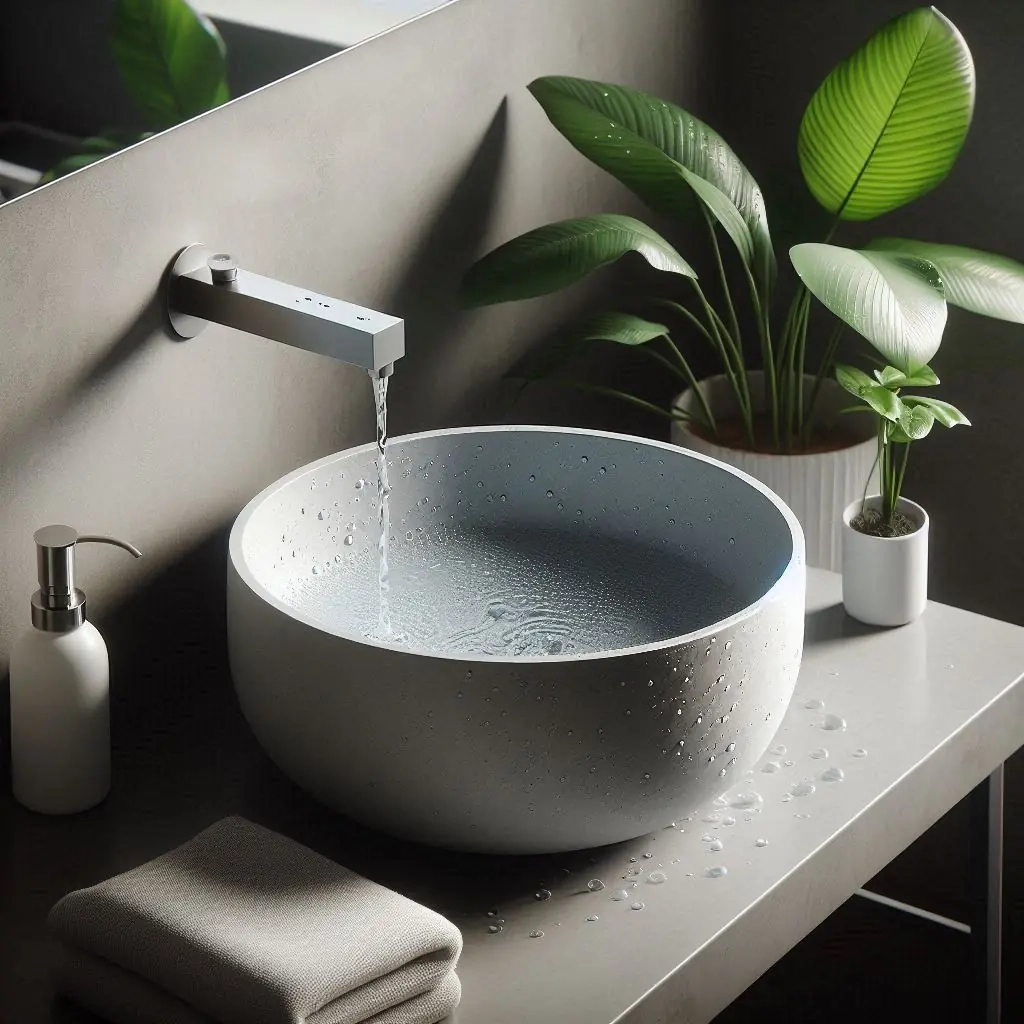
How Ceramic Vessel Sinks Enhance Bathroom Aesthetics and Functionality
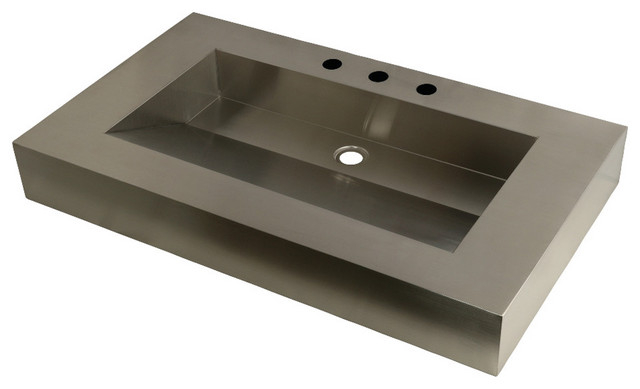
Design and Durability Analysis of the Kingston Brass GLTS37225 Brushed Basin
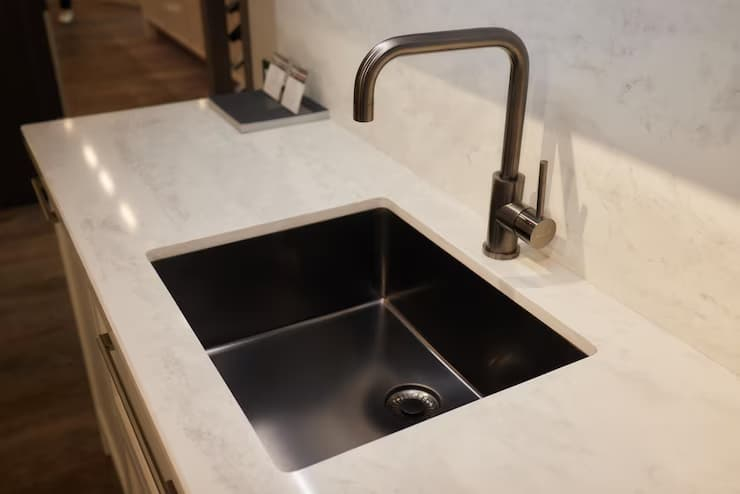
Choosing the Perfect Small Undermount Sink for Your Home Decor
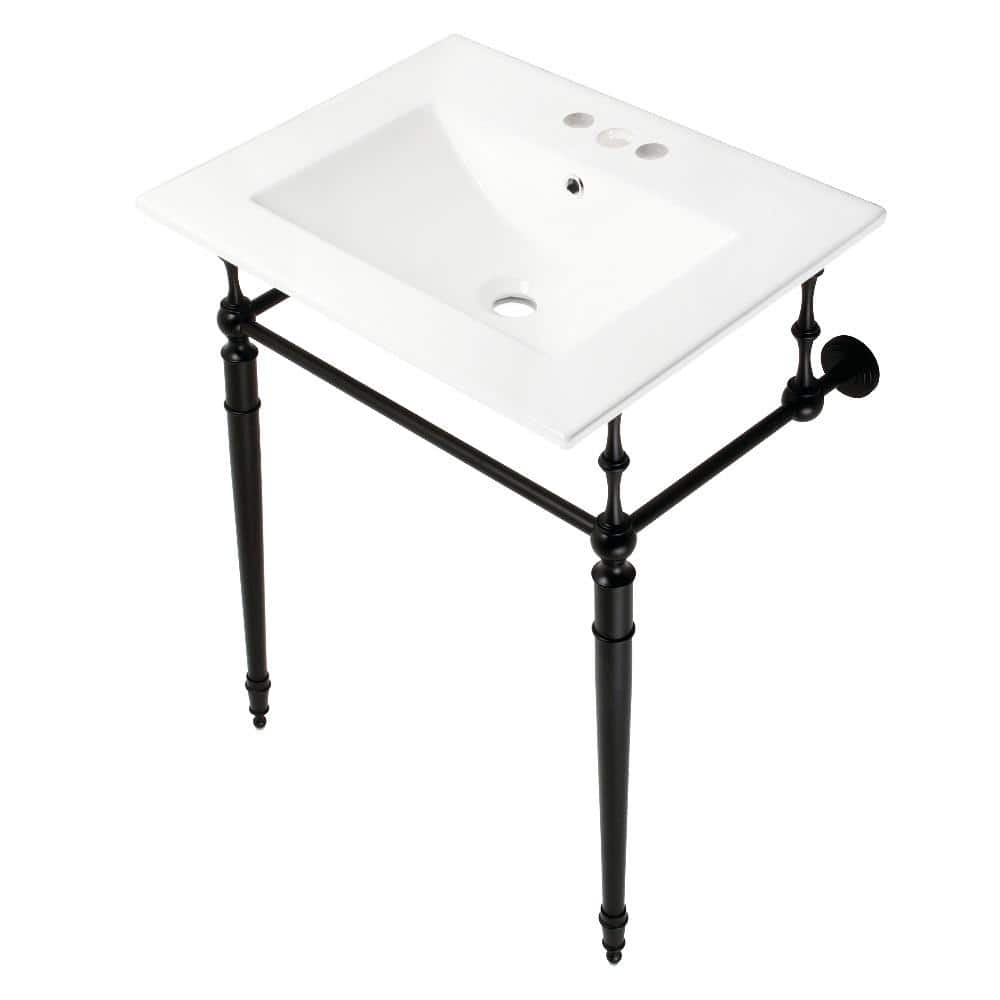
Material Durability and Maintenance of Kingston Brass VPB24187W4 Ceramic Sink
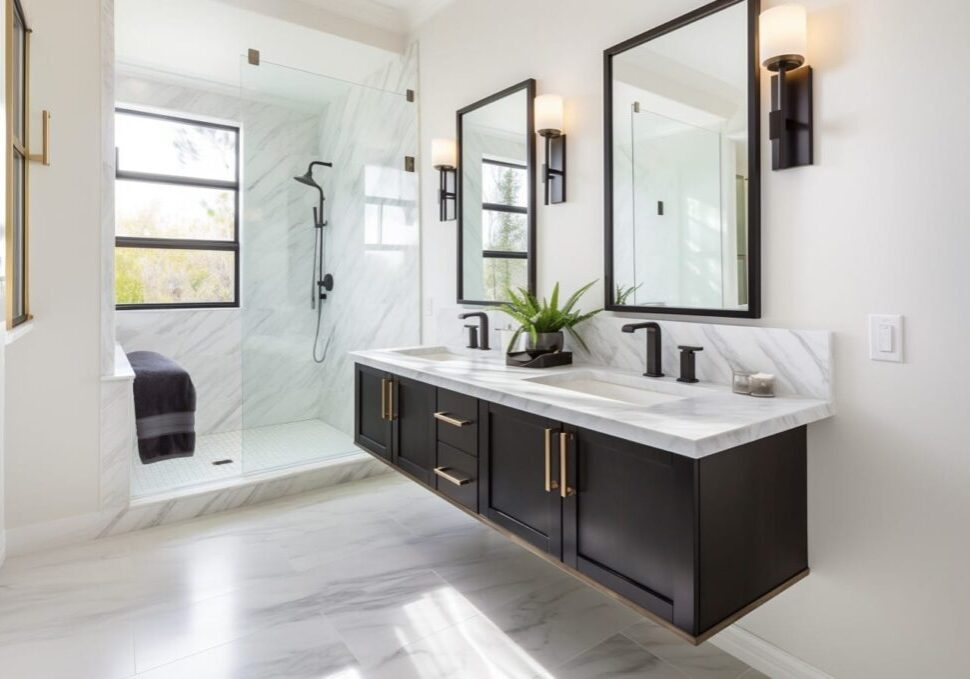
Expert Insights on Choosing the Right Sink for Your Bathroom Renovation