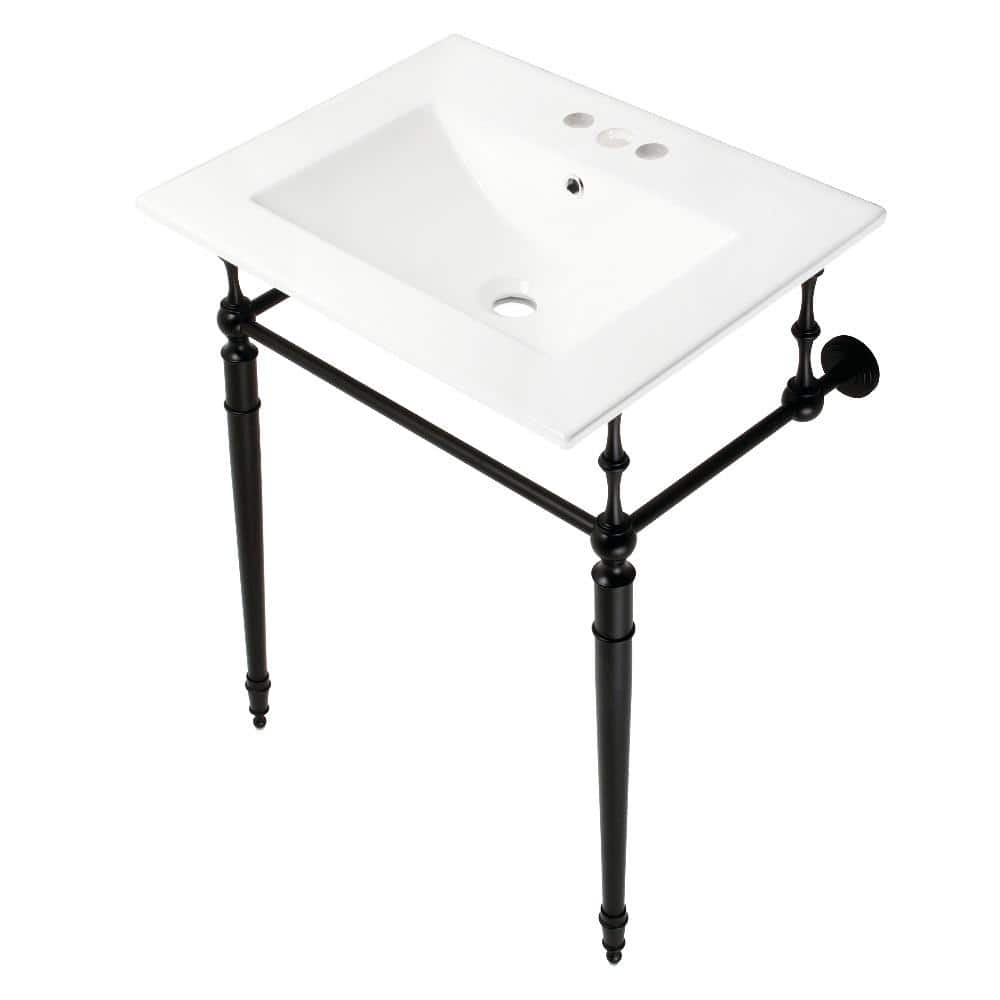
Imagine walking into a bathroom where every square foot serves a purpose. No cluttered countertops, no wasted space, just smart design that makes the most of what you have. This isn't just about saving money on fixtures – it's about creating a space that feels larger, cleaner, and more functional. Today we're exploring how designers and homeowners are rethinking bathroom layouts by removing traditional vanities and finding creative alternatives that actually work better.
Bathrooms often feel cramped, especially in smaller homes or apartments. The traditional vanity setup with its countertop and sink can take up valuable real estate that many people simply don't have. But what if you could maintain all the functionality you need without sacrificing precious space? That's exactly what space-saving bathroom layouts without countertop vanities offer. These designs might seem counterintuitive at first, but they've become increasingly popular because they solve real problems that homeowners face daily. Think about it – how often do you actually need a countertop for daily routines? Most of us just want a clean place to wash our hands and brush our teeth, right? What if we could accomplish that without the bulk?
The Rise of Minimalist Bathroom Design
Minimalism in bathrooms isn't just a trend – it's a practical response to modern living. People are realizing that less really can be more when it comes to bathroom spaces. When you remove the vanity, you're not just cutting down on furniture; you're creating a cleaner aesthetic and opening up space for other elements. Many homeowners find that their bathrooms suddenly feel larger and more open after making this change. It's like taking a deep breath in a stuffy room – suddenly everything feels lighter and more manageable.
Consider how much of your vanity area you actually use. Do you really need that extra surface for makeup or grooming products? Often, people overestimate their need for countertop space. The reality is that most bathroom tasks happen quickly, and the extra surface area rarely gets used for anything essential.
Creative Alternatives to Traditional Vanities
So what do you do instead of a traditional vanity? There are several clever options that can work beautifully:
• Wall-mounted sinks that sit directly on the wall, creating a seamless look • Pedestal-style sinks that provide support without the bulky countertop • Floating vanities that appear to hover above the floor • Integrated storage solutions that combine functionality with design
These alternatives often look more elegant than traditional setups. They're also easier to clean since there aren't as many corners and surfaces to maintain. Plus, they can be designed to complement existing bathroom styles, whether you prefer modern, rustic, or classic looks. Some people even add small niches in the walls to hold toiletries, keeping everything organized without adding bulk.
Practical Benefits of Vanity-Free Bathrooms
There are several tangible advantages to going vanity-free that go beyond aesthetics:
• More floor space - You can fit larger shower areas or bathtubs without feeling cramped • Easier cleaning - Fewer surfaces mean less time spent wiping down counters and edges • Cost savings - Eliminating vanity costs can save hundreds or even thousands of dollars • Modern appeal - These designs often feel more contemporary and sophisticated • Flexibility - You can rearrange the entire space more easily without dealing with fixed vanity dimensions
One homeowner shared how removing their old vanity freed up enough space to install a walk-in shower that was previously impossible. They had been planning to renovate for months but kept running into space constraints. The solution was simple – they took out the vanity and made the most of what remained. Now their bathroom feels like a spa retreat rather than a cramped utility room.
Design Considerations and Planning Tips
Before you start tearing out that vanity, there are some important factors to consider:
• Measure carefully - Know exactly how much space you'll have available for other elements • Plan your storage needs - Figure out where you'll keep toiletries and other items • Consider lighting - Proper illumination becomes even more important without a vanity top to house lights • Think about plumbing - You may need to adjust water lines or drain placement • Choose quality materials - Since you won't have a vanity to hide imperfections, everything needs to look good
Many people make the mistake of thinking they can just move the sink to a different location. However, plumbing considerations often make this more complicated than it seems. It's worth consulting with a professional to ensure you're making the right choices for your specific situation. Some people even opt for modular solutions that can be adjusted later if their needs change.
Popular Styles and Layouts
Different approaches work well depending on your space and preferences:
• Floating bathroom designs - These create an airy feel with minimal visual weight • Corner installations - Using the corner of a bathroom for a wall-mounted sink can maximize space efficiency • Open-concept layouts - Connecting the bathroom with adjacent rooms creates a sense of spaciousness • Integrated storage - Built-in shelves or cabinets that blend seamlessly with the overall design
Some designers are incorporating smart technology into these layouts, such as heated mirrors or touchless faucets. These features work particularly well in vanity-free designs because they don't require additional surface space. The result is a bathroom that feels both high-tech and timeless.
Common Challenges and Solutions
While vanity-free bathrooms offer many benefits, they do come with challenges:
• Storage issues - Finding creative ways to store items without a vanity surface • Limited workspace - Ensuring there's still room for daily grooming activities • Aesthetic concerns - Making sure the space looks intentional rather than unfinished • Functionality problems - Ensuring everything works smoothly without the convenience of countertop space
The key is thoughtful planning. Many people solve storage problems by installing shelves above the sink or using wall-mounted organizers. For workspace issues, some designers recommend using a small side table or tray that can be moved around as needed. The goal is to make everything feel purposeful and well-thought-out rather than makeshift.
Space-saving bathroom layouts without countertop vanities represent more than just a design choice – they're a practical solution to common home problems. When you strip away the unnecessary bulk, you often discover that your bathroom can be both more functional and more beautiful. The key is understanding that this isn't about sacrificing convenience; it's about reimagining how you use your space. Whether you're working with a tiny bathroom or simply want to refresh your current layout, these approaches offer genuine possibilities for improvement. The best part? You don't have to choose between style and function. With careful planning and creative thinking, you can have a bathroom that works perfectly for your lifestyle while looking absolutely stunning. Sometimes the most innovative solutions come from letting go of what we think we need.
Related Posts
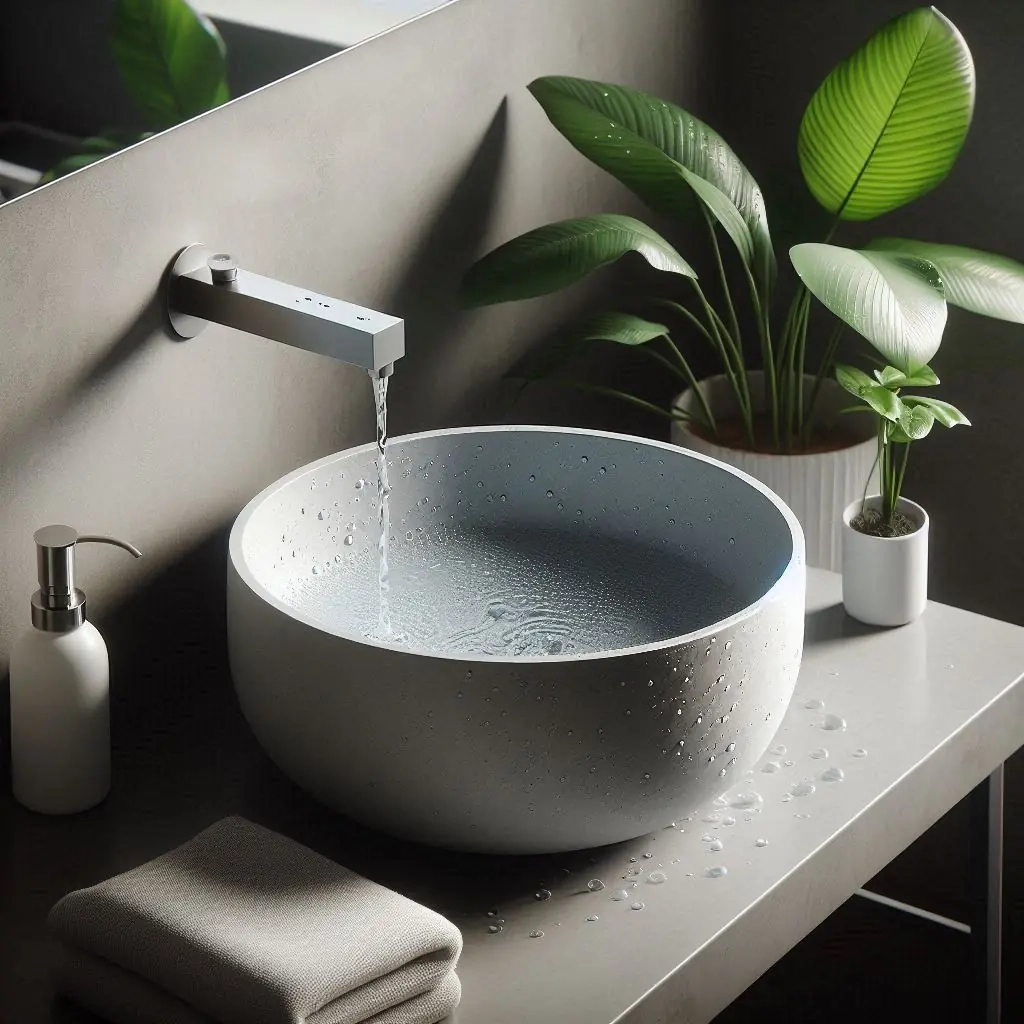
How Ceramic Vessel Sinks Enhance Bathroom Aesthetics and Functionality
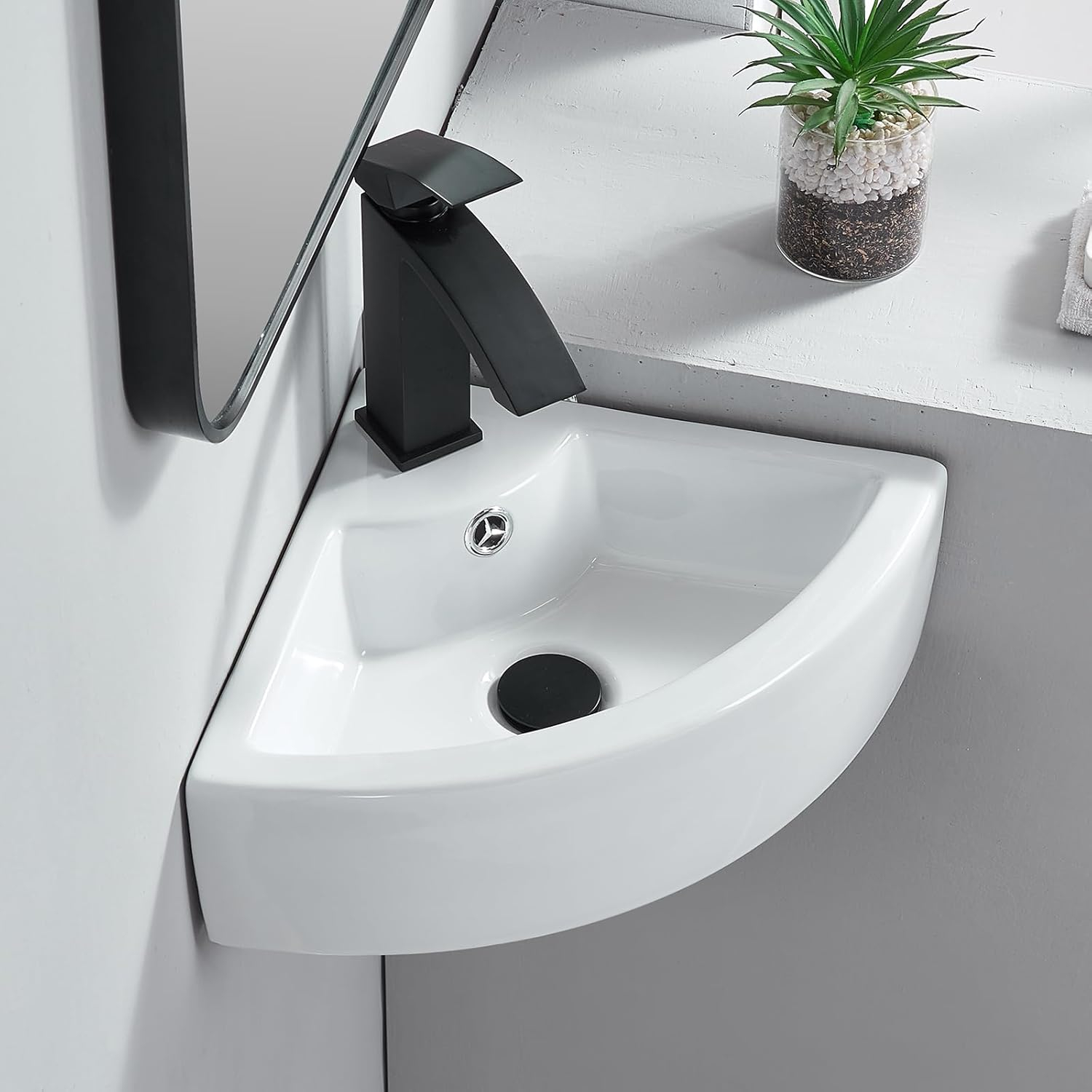
How to Choose the Right Wall Mounted Corner Sink for Your Bathroom Space
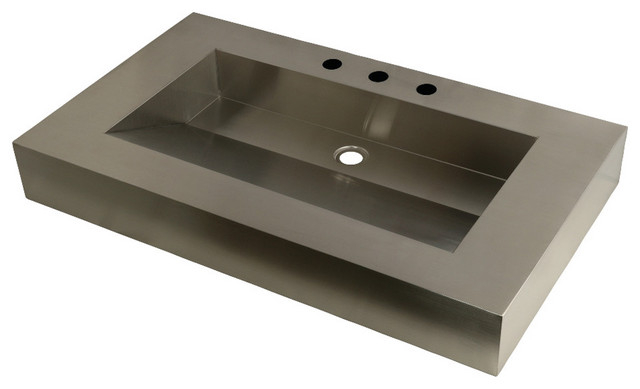
Design and Durability Analysis of the Kingston Brass GLTS37225 Brushed Basin
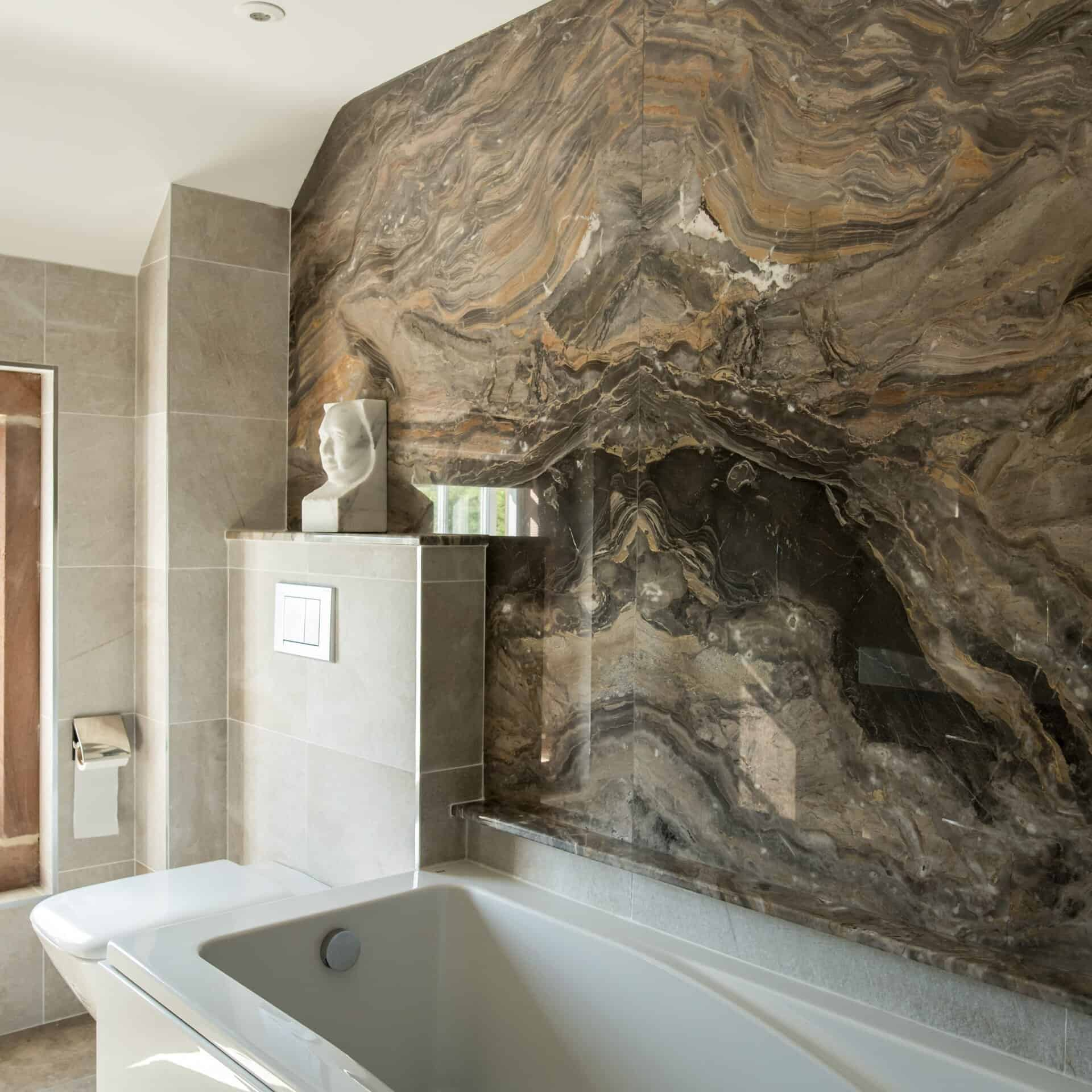
Transforming Your Bathroom with Textured Stone Surfaces
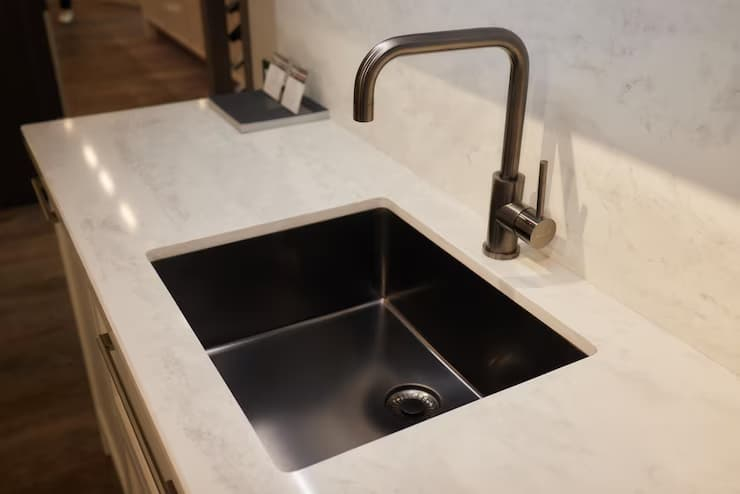
Choosing the Perfect Small Undermount Sink for Your Home Decor